
Tachinomi Sharp brings Kyoto’s standing-bar format into a tighter, fish-and-nihonshu lane near the Kamo River side of Shimogyo. The draw is value through compression: an 11-seat counter, seafood-led Japanese cooking, sake focus, and Tabelog 100 - Tachinomi - 2025 recognition, all in a format built for short, sharp evenings rather than long ceremony.
Pearl is the En Primeur Club membership app — saves, bookings, and concierge access live there. Same editors, same standards.
- Address
- 140-17 Saitocho, Shimogyo Ward, Kyoto, 600-8012, Japan
- Phone
- +81 80-3812-8844
- Website
- tabelog.com
 Saves & bookings on Pearl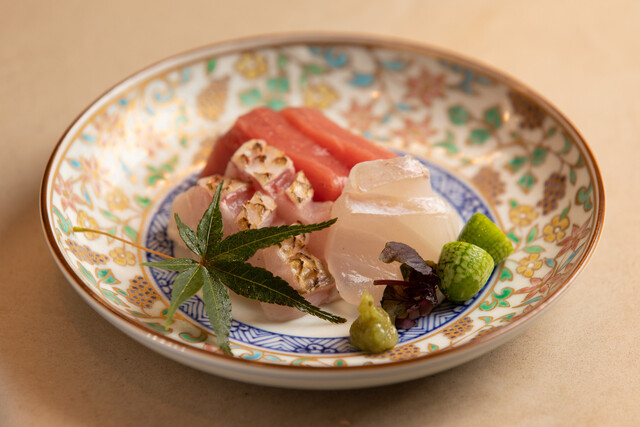
Kyoto’s standing bars work by subtraction: fewer seats, less ceremony, quicker decisions, and a tighter link between drink and small plates. Around Gion-Shijo and Kawaramachi, the format has force because it sits between two Kyotos: polished dining rooms for planned evenings and compact counters for solo drinkers, late workers, and visitors who know a serious meal does not always need a reservation-heavy room.
Tachinomi Sharp belongs to that second Kyoto. Its category is the point: stand-up bar, seafood, Japanese cuisine. In a city where inexpensive drinking can slip into generic izakaya rhythm, its value is narrower and more useful, with fish and nihonshu as the core grammar rather than decorative menu sections. The 2025 Tabelog 100 - Tachinomi selection gives it a public signal beyond neighborhood affection, and its Tabelog score of 3.70 places it in a competitive tier for a casual format where sourcing, pacing, and drink selection matter.
Seafood and sake make the standing-bar format feel less casual
Tachinomi culture is often misread by travelers as cheaper izakaya culture without chairs. Stronger Japanese examples use standing to sharpen appetite: a few dishes, a few pours, no long settling-in. Kyoto adds seasonal discipline and restraint, so a fish-led tachinomi near the central nightlife spine reads differently from a snack-and-beer stop. It can carry the logic of a meal while keeping bar pace.
The useful comparison is not Kyoto’s formal kaiseki rooms, though Shokudou Ogawa and Hotel De Ogawa represent the higher-spend end of local Japanese dining. The sharper question is what a diner gets when stepping down in price and formality without losing ingredient focus. Tachinomi Sharp answers with concentration: seafood, sake, counter proximity, and an 11-seat scale that leaves little room for vague all-purpose hospitality. For the city’s wider dining spread, Our full Kyoto restaurants guide is the better planning layer, especially when pairing a standing bar with a more structured dinner elsewhere.
This is where the value is clearest. Kyoto can push visitors toward expensive set-course dining or low-risk tourist snacking. The standing-bar middle is more interesting: less cost, less time, and, in stronger cases, more local texture. Nearby central alternatives on the casual spectrum include 3TOKU6MI Shijo karasuma ten, 551蓬莱, [ki:], and Abbesses, each useful for reading how Kyoto splits quick eating, hybrid formats, and destination dining across a compact core.
An 11-seat room rewards precision, not lingering
Small capacity changes the social contract. At 11 seats, this standing bar is not built for sprawling group dinners or the theatrical comfort of a long tasting menu. It is built for precision: arrive hungry, order with focus, and let sake set the pace. The format also explains why solo dining matters. Kyoto can be difficult for the lone dinner visitor, especially around reservation-led restaurants, but tachinomi counters have long made room for one person eating and drinking well without making the evening a project.
There are practical implications. Reservations are accepted, useful in a small room. Credit cards are not accepted, while electronic money and QR code payment through PayPay are listed, so payment planning matters. The venue is non-smoking; private rooms, private use, and parking are unavailable. That reinforces the intended use: a compact central stop, not a destination built around privacy, ceremony, or a car-based itinerary.
The location matters without overstatement. This part of Shimogyo sits close to the Gion-Shijo and Kawaramachi flow, where evening movement between river, station, and dining streets creates demand for short-format eating. A standing seafood-and-sake counter fits that geography better than a quieter temple-side district. Travelers building a broader Kyoto evening can use Our full Kyoto bars guide for later drinks, Our full Kyoto hotels guide for sleep strategy, Our full Kyoto experiences guide for daytime structure, and Our full Kyoto wineries guide for drinks-focused planning beyond the restaurant table.
How to read it inside Kyoto's broader casual dining map
Kyoto’s casual food scene is not one lane. It runs from old confectionery specialists such as Aburi Mochi Honke Nemoto Kazariya to modern small restaurants, station-adjacent comfort food, standing bars, and tightly edited counters. Tachinomi Sharp sits where the check stays controlled but curation still matters. Its 2020 opening gives it enough history to be more than novelty, while 2025 Tabelog recognition places it in the national tachinomi conversation, not only Kyoto word-of-mouth.
For travelers comparing across Japan, the point is format literacy. A seafood standing bar in Kyoto is not competing with a Tokyo grill room such as. 鮪と炭火焼き うお炭 秋葉原店 in Tokyo, a regional specialist like.know in Kumamoto, or a curry-focused address such as [Curry Senmon Ten] Maruyama Kyoju. in Sapporo. It answers a smaller decision: where to drink sake with seafood in central Kyoto without committing the whole night. That lens also distinguishes it from casual out-of-town or overseas Japanese formats, from.cafe in Osaka and (Shoku) Vietnam in Kawasaki to Jōdo Saké Bar in Los Angeles and Onigiri Time in Pasadena.
The editorial call is simple: this is a strong use of a Kyoto evening when value means more than a low bill. The appeal is the ratio of focus to spend, the seafood-and-nihonshu axis, the small counter scale, and the credibility of Tabelog 100 - Tachinomi - 2025 recognition. It is not for a long celebratory meal or private conversation. It is for a precise, compact stop in a city that rewards diners who understand when less format can mean more intent.
Where the Accolades Land
Comparable venues for orientation by cuisine and category.
| Venue | Cuisine | Price | Notes |
|---|---|---|---|
| Tachinomi SharpThis venue — the venue you are viewing | Kyoto standing bar for seafood and sake | $$ | Not listed |
| Hirasansou Chicken Hotpot Takeout | Japanese Kaiseki with Hot Pot | $$ | Katsuragawa valley |
| Gion Komori | Traditional Kyoto Japanese sweets & tea house | $$ | Higashiyama |
| 瓢亭 | japanese | Not listed | Sakyō |
| Aitsu no Ramen Kataguruma Honten | Modern Kyoto foam-style ramen | $$ | Shimogyō |
| Grill & Coffee Hasegawa | Kyoto yoshoku hamburger steak grill | $$ | Kita |
Recognition history
Dated appearances from independent guides and award organizations, with the underlying list record or original source where available.
Tabelog 100 #7 · No. 7
Tabelog · Tabelog 100 - Tachinomi - 2025
Continue exploring
More in Kyoto
Restaurants in Kyoto
Browse all →
Bars in Kyoto
Browse all →
Hotels in Kyoto
Browse all →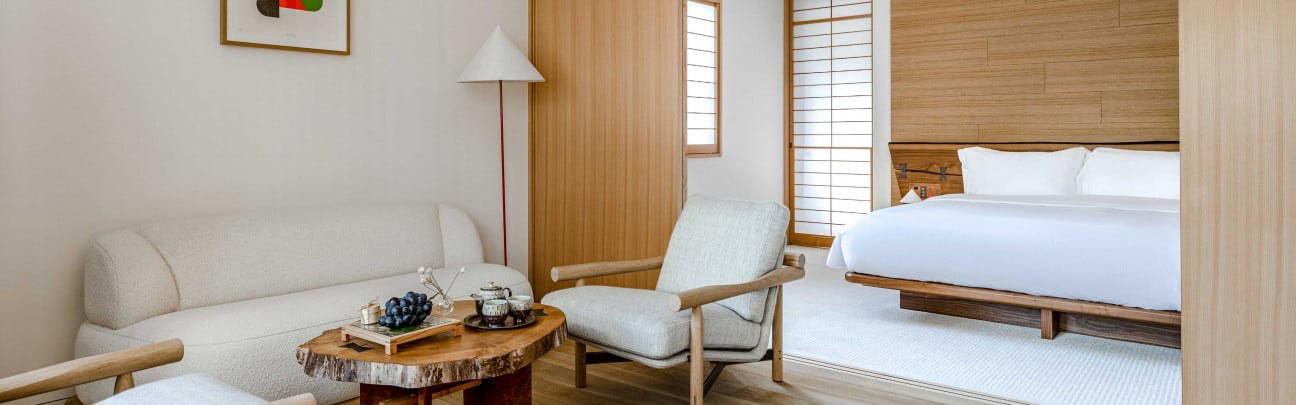
Wineries in Kyoto
Browse all →
At a Glance
- Lively
- Intimate
- Cozy
- Energetic
- Solo
- After Work
- Casual Hangout
- Late Night
- Standalone
- Sake Program
- Beer Program
- Local Sourcing
Current opening hours
- Monday
- 5 PM–12 AM
- Tuesday
- 5 PM–12 AM
- Wednesday
- Closed
- Thursday
- 5 PM–12 AM
- Friday
- 5 PM–12 AM
- Saturday
- 2–10 PM
- Sunday
- 2–10 PM
Hours can change for holidays and private events. Last verified .
A compact 3-tsubo standing-only space with a high, open ceiling that prevents it from feeling cramped; casual and lively yet thoughtfully designed, with dishes attractively plated on distinctive tableware for a polished tachinomi experience.