Michelin Bib Gourmand
Our verdict
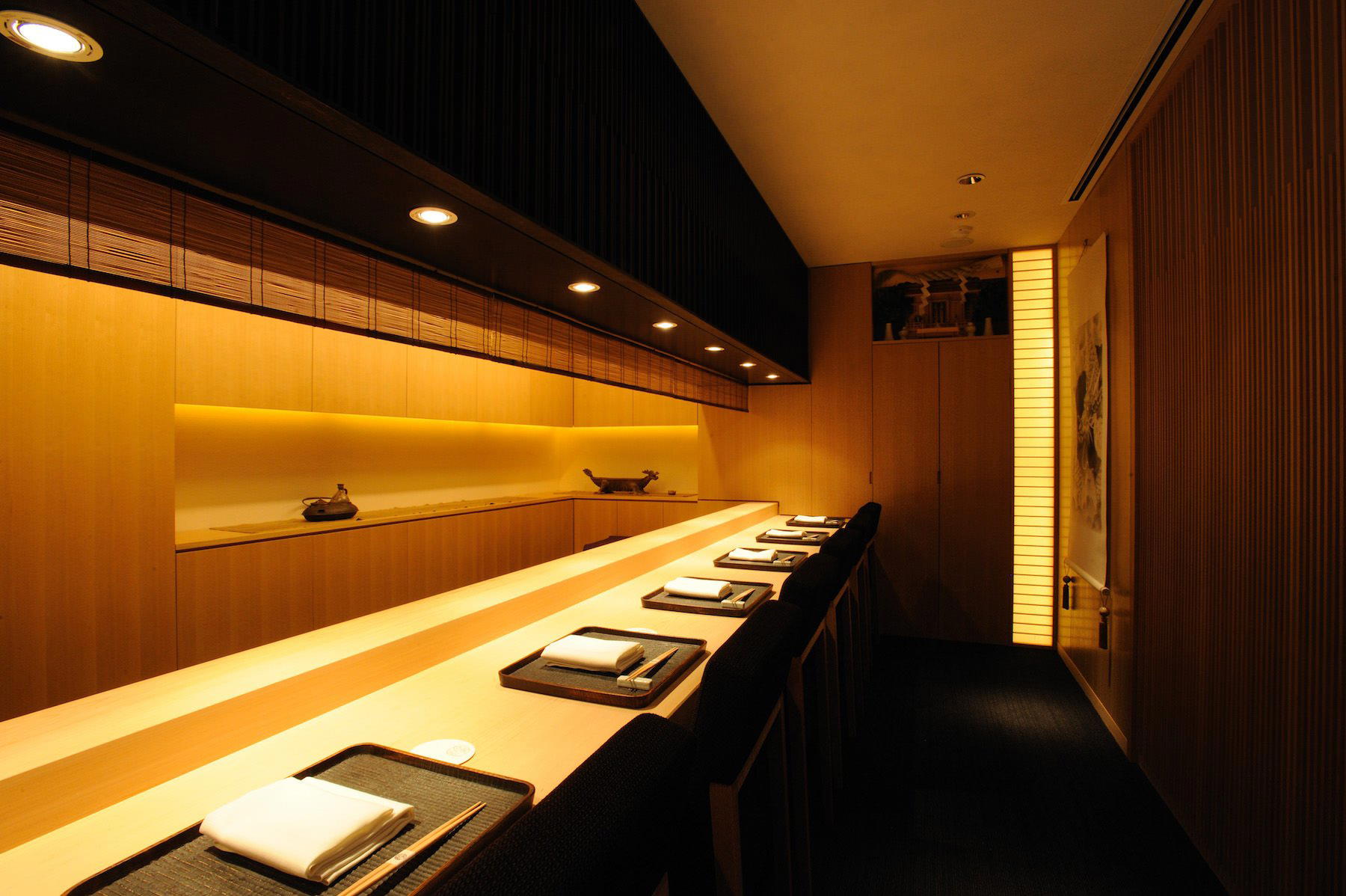
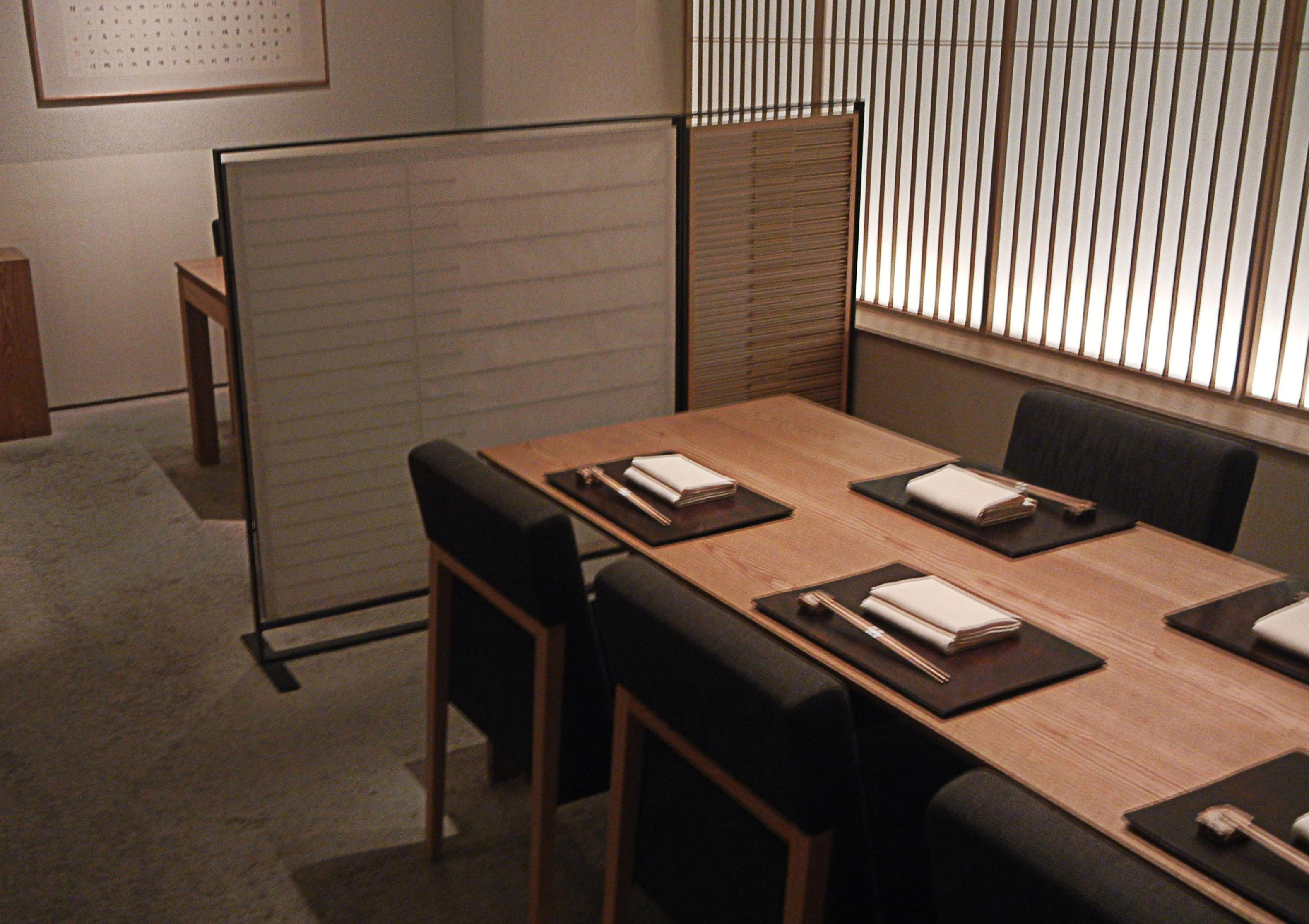
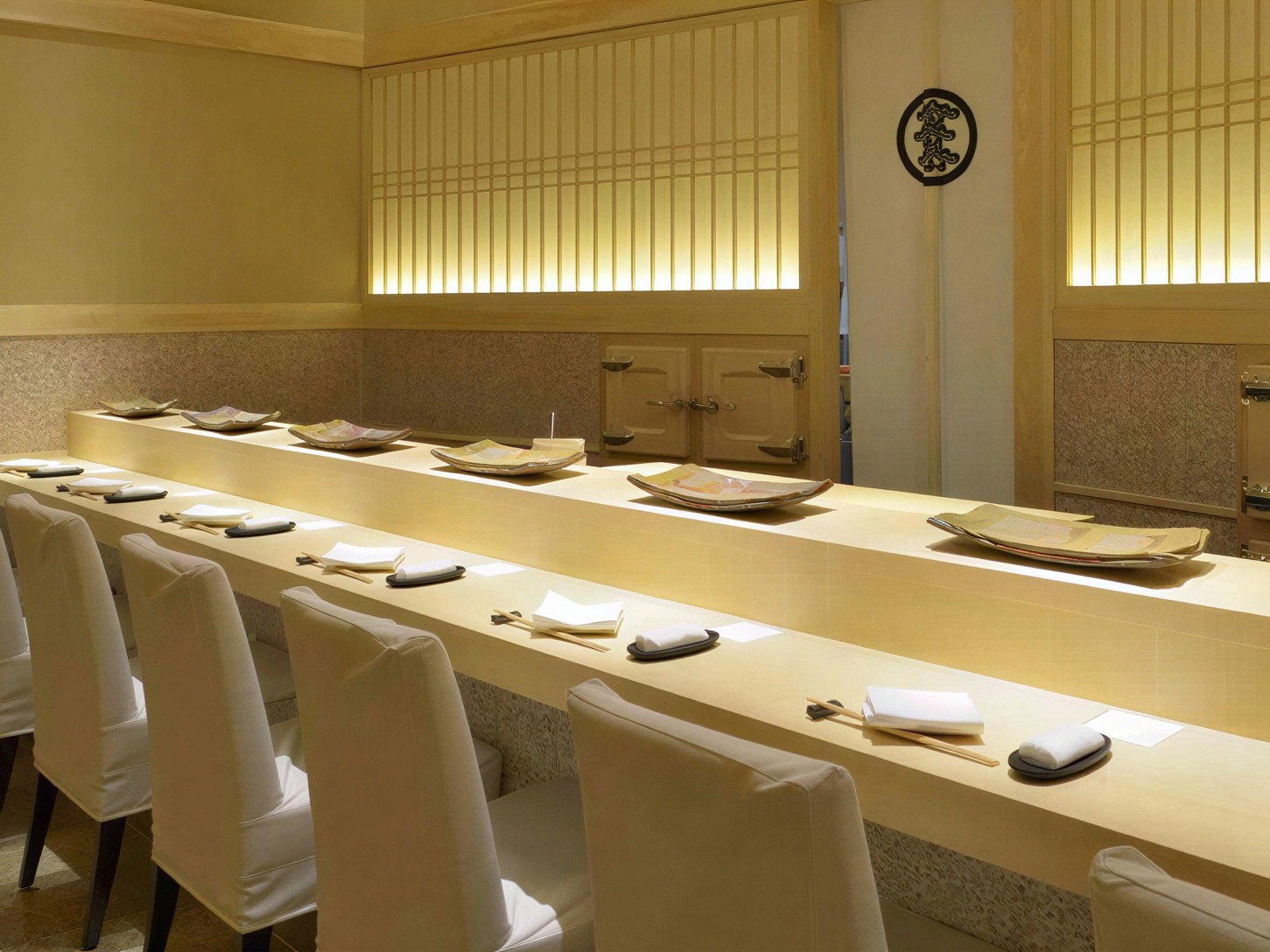
A Michelin Bib Gourmand counter in Shinjuku where Chef Shigeru Sagara runs a deliberately accessible omakase in his home neighbourhood. The menu moves through steamed, grilled, and simmered dishes before reaching the nigiri sequence, drawing on a background that spans multiple genres of Japanese cuisine.

Pearl is the En Primeur Club membership app, where members save venues, book tables and use the concierge.
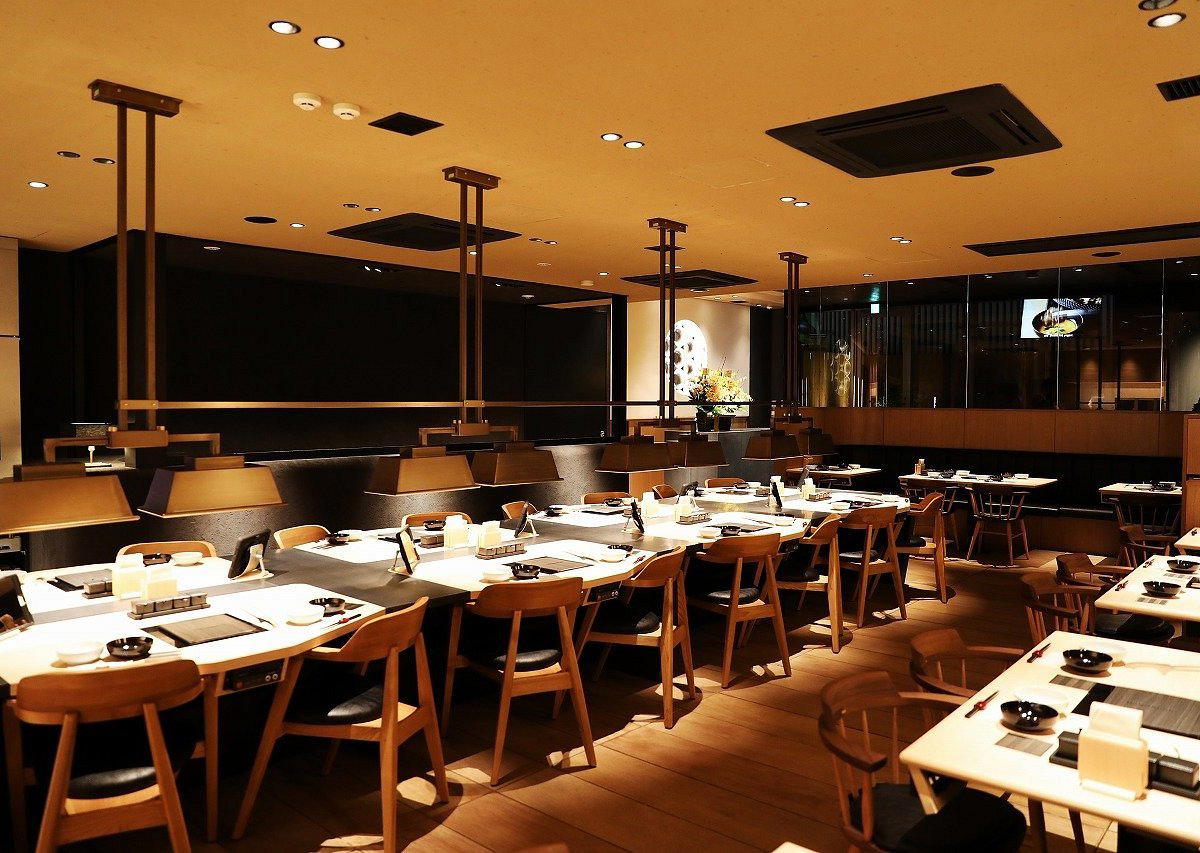
Shinjuku's Sushi Counter and the Question of Who Omakase Is For
For much of the past two decades, Tokyo's omakase circuit has moved steadily upmarket. Counters in Ginza, Minami-Aoyama, and Azabu-Juban have positioned themselves at price points that exclude most local diners, operating on allocation lists and requiring advance planning that resembles securing a seat at a financial event more than booking a meal. The Michelin Guide has, in many cases, accelerated this: a star or two attached to an eight-seat counter tends to push prices into territory that makes the room inaccessible to the neighbourhood around it. Venues like Harutaka, Sushi Kanesaka, and Sukiyabashi Jiro Roppongiten define the upper bracket of that tier, pricing against international peer counters and attracting a clientele that is as likely to be flying in from abroad as taking the Yamanote line from across town.
Sushidokoro Shigeru sits on a different coordinate entirely. Chef Shigeru Sagara opened in Funamachi, Shinjuku, his home neighbourhood, with an explicit intention to run a counter where local diners could eat well without the financial and logistical friction that surrounds Tokyo's premium omakase scene. The Michelin Guide recognised the room with a Bib Gourmand in 2024, a designation that, within the Guide's own framework, signals quality at a price point accessible to ordinary diners. That positioning places Sushidokoro Shigeru in a smaller, arguably more principled niche: serious technique applied without the premium tier's pricing logic.
Where the Menu Sits on the Edomae Spectrum
Edomae sushi, in its strict historical form, is a cuisine of preservation and restraint: fish cured with salt, marinated in vinegar, aged under konbu, or simmered in nikiri. The counter at Edomae Sushi Hanabusa represents one end of that commitment, where tradition functions almost as doctrine. Contemporary counters, and there are many across Shinjuku and beyond, have moved toward a more flexible model, incorporating ingredients, sourcing, and techniques that would have been foreign to the Edo-period originals.
Sushidokoro Shigeru occupies middle ground, and knowingly so. The omakase sequence here does not open with nigiri. It begins with steamed preparations, moves through grilled and simmered dishes, and only then arrives at the nigiri sequence that most diners associate with the format. This structure reflects Chef Sagara's training across multiple genres of Japanese cuisine rather than a lineage that runs exclusively through the sushi tradition. The approach borrows from kaiseki pacing, the idea that a meal should build through textures and temperatures before reaching its focal point, without claiming to be kaiseki. The result is a menu that reads as Japanese cooking first, sushi counter second, which distinguishes it from counters like Hiroo Ishizaka where the discipline is more narrowly focused.
The tension between edomae tradition and modern flexibility surfaces most clearly in the nigiri sequence itself. Quick, practiced knife work at the counter signals technical fluency rather than theatricality. And torotaku, beaten fatty tuna combined with pickled daikon, is a dish with deep roots in Tokyo's sushi culture, a preparation that relies on the contrast between rich fish and sharp, fermented vegetable rather than on premium sourcing alone. That it appears here as a recurring favourite says something about the room's sensibility: technique and flavour memory over ingredient spectacle.
The Shinjuku Context
Shinjuku is not Tokyo's default address for serious eating. Shibuya, Ginza, and Roppongi carry more weight in international dining guides, and the neighbourhood's identity is shaped more by its transit volume and nightlife density than by a cohesive food culture. But that framing understates Shinjuku's actual depth. The ward has a long history of working sushi counters, standing bars, and neighbourhood izakaya that serve local residents rather than destination diners. A Bib Gourmand in Funamachi, a relatively quiet pocket of the ward, fits that tradition of local-first eating rather than disrupting it.
For context on how Tokyo's broader dining scene distributes across the city, our full Tokyo restaurants guide maps the key neighbourhoods and price tiers. Those planning a wider trip through Japan will also find relevant reference points at HAJIME in Osaka, Gion Sasaki in Kyoto, and Goh in Fukuoka for a sense of how regional Japanese cuisine operates outside the capital. For visitors who want to compare how Japanese sushi translates internationally, Sushi Shikon in Hong Kong and Shoukouwa in Singapore are the relevant reference counters in the region. Other notable Japan destinations covered in the EP Club network include akordu in Nara, 1000 in Yokohama, and 6 in Okinawa.
Recognition and What It Means Here
A Michelin Bib Gourmand designation carries a specific implication that a star does not: the Guide is saying that quality reaches a threshold without price reaching the level that typically accompanies starred recognition. In the Tokyo sushi context, where the gap between Bib Gourmand counters and one-star counters can represent a difference of tens of thousands of yen per head, that distinction matters practically. It positions Sushidokoro Shigeru as a room where the Michelin quality argument applies without the Michelin premium tier pricing.
For reference on what the starred tier looks like in Tokyo's sushi scene, the EP Club also covers Harutaka and Sushi Kanesaka, both of which operate at a significantly higher price point and a more restricted booking model. The comparison clarifies the tier Sushidokoro Shigeru occupies and why that tier has its own logic.
Planning Your Visit
Sushidokoro Shigeru is located at 荒川ビル 1F, Funamachi 15, Shinjuku City, Tokyo. The ¥¥ price designation places it firmly in accessible territory by Tokyo omakase standards. Visitors with broader Tokyo itineraries can find hotel, bar, and experience recommendations through our full Tokyo hotels guide, our full Tokyo bars guide, our full Tokyo wineries guide, and our full Tokyo experiences guide.
Quick reference: Sushidokoro Shigeru, Funamachi 15, Shinjuku City, Tokyo. Price range: ¥¥.
Frequently asked questions
Does Sushidokoro Shigeru work for a family meal?
Chef Sagara opened in Shinjuku specifically to run 'a sushi restaurant for the masses', so the casual atmosphere is deliberate policy rather than incidental. The ¥¥ price range keeps per-person costs manageable by Tokyo omakase standards, which removes one of the main friction points for family dining. The structured omakase format, moving from steamed through grilled and simmered dishes to nigiri, does require a table that is comfortable sitting through a set progression rather than ordering freely.
Is Sushidokoro Shigeru better for a quiet night or a lively one?
The counter format and Shinjuku neighbourhood point toward something more animated than the hushed Ginza omakase rooms. Sagara's stated intent is a relaxed, guest-oriented atmosphere, which in practice means conversation is welcome rather than restrained. That said, the food is taken seriously: a Michelin Bib Gourmand designation confirms quality sits above casual-dining threshold, so the register is convivial rather than boisterous.
Has Sushidokoro Shigeru won any awards?
Sushidokoro Shigeru has received recognition including: The chef chose to hang his noren in his native Shinjuku out of his passion to offer ‘a sushi restaurant for the masses’, where guests can enjoy themselves in a casual atmosphere. For many diners, the draw is the omakase set menus. Putting t….
What should I order at Sushidokoro Shigeru?
The omakase set menus are the reason most diners come. The kitchen sequences steamed preparations first, then grilled and simmered dishes, before the counter moves into nigiri. Among the nigiri, torotaku, beaten fatty tuna combined with pickled daikon, is noted as a perennial favourite and reflects Sagara's broader experience across Japanese cuisine genres rather than a strictly orthodox Edomae approach.
What cuisine category does Sushidokoro Shigeru fall under?
Is Sushidokoro Shigeru more mid-range or high-end?
Pricing at Sushidokoro Shigeru is listed as ¥¥.
Reputation Context
| Venue | Cuisine | Price | Awards | Notes |
|---|---|---|---|---|
| Sushidokoro ShigeruThis venue (the venue you are viewing) | Traditional Sushi Omakase | $50–100 | Michelin Bib Gourmand | Not listed |
| Harutaka | Edo-Style Omakase Sushi | $200–300 | 3 Michelin Stars · World's 50 Best #76 | Sushi |
| RyuGin | Modern Kaiseki | $500+ | 3 Michelin Stars · World's 50 Best #41 | Kaiseki, Japanese |
| L'Effervescence | Modern French with Japanese Influences | $200–300 | 3 Michelin Stars · World's 50 Best #69 | French |
| HOMMAGE | Modern French with Japanese Influences | $150–200 | 2 Michelin Stars · World's 50 Best #78 | Innovtive French, French |
| MAZ | Innovative Peruvian-Japanese Fusion | $150–200 | 2 Michelin Stars · World's 50 Best #28 | Innovative |
Recognition history
Dated appearances from independent guides and award organizations, with the underlying list record or original source where available.
Michelin Bib Gourmand
Michelin
Full recognition history (2 entries)
Michelin Bib Gourmand
Michelin