Subin occupies a basement address in Ginza 8-chome, positioning it within Tokyo's most concentrated tier of serious dining. Booking intelligence and neighbourhood context matter more here than anywhere else in the city.
Pearl is the En Primeur Club membership app — saves, bookings, and concierge access live there. Same editors, same standards.
- Address
- Japan, 〒104-0061 Tokyo, Chuo City, Ginza, 8 Chome−6−20 銀座八番館 B1
- Phone
- +81355682929
- Directions
- Get directions
 Saves & bookings on Pearl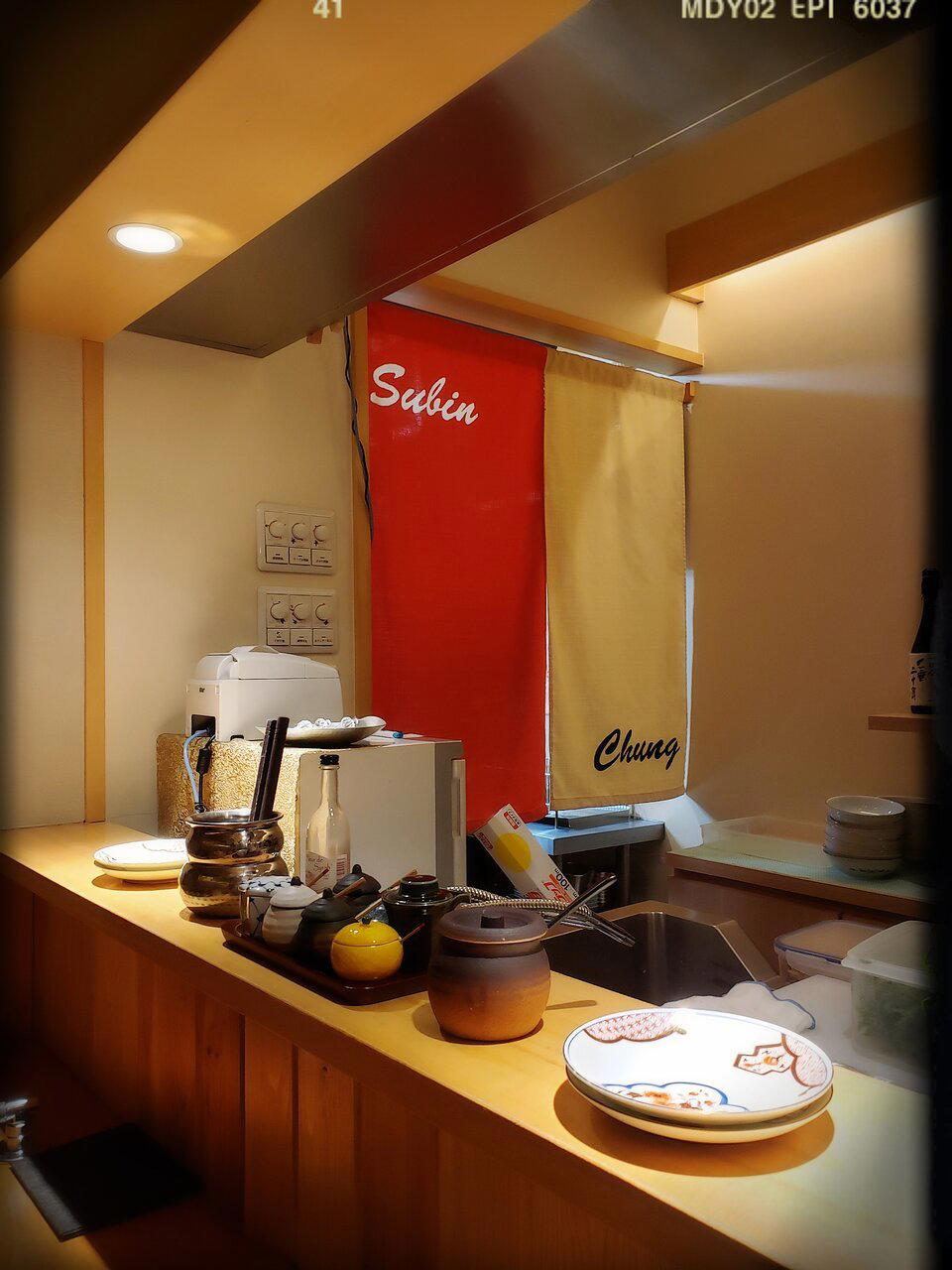
A Basement in Ginza's Most Competitive Block
Ginza 8-chome is not a neighbourhood that accommodates the casual or the underprepared. The stretch of central Tokyo anchored around this address has long concentrated the city's most demanding dining rooms: counter seats allocated months in advance, prix-fixe menus that require a commitment before you've seen a single dish, and kitchens that operate with a formality that rewards guests who arrive knowing exactly what they've walked into. Subin sits below street level in this environment, a basement address at 8-6-20 Ginza, in the same district where Tokyo's most recognised fine-dining names have built their reputations over decades.
Underground dining in Tokyo carries its own logic. Street-level real estate in Ginza commands rents that push serious independent operations downstairs, where acoustics soften, natural light disappears, and the room becomes entirely self-contained. That physical remove from the street creates a sense of arrival that aboveground spaces rarely achieve. The commitment required to find a B1 address, descend, and enter a room with no passing foot traffic self-selects for guests who made a deliberate choice to be there.
What the Neighbourhood Tells You Before You Go
Planning a meal in Ginza requires treating the booking process itself as part of the experience. The district's leading counters, including Harutaka in the sushi category and RyuGin for kaiseki, operate with reservation windows that open weeks or months ahead. At the ¥¥¥¥ tier that defines Ginza's upper bracket, the act of securing a table is often one logistically complex part of the meal. Guests arriving from abroad frequently route their Tokyo itinerary around one or two confirmed bookings and build everything else around them.
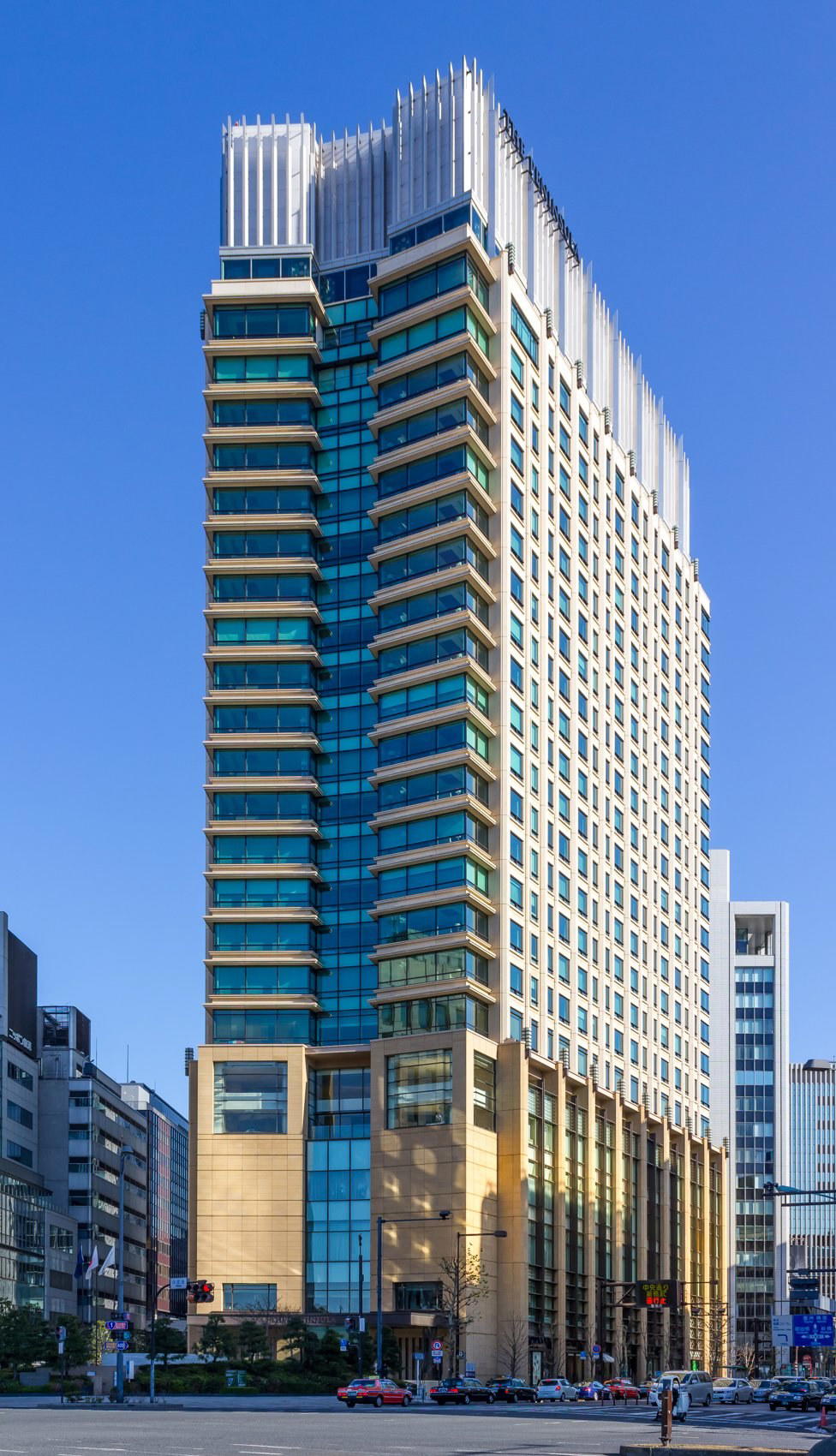
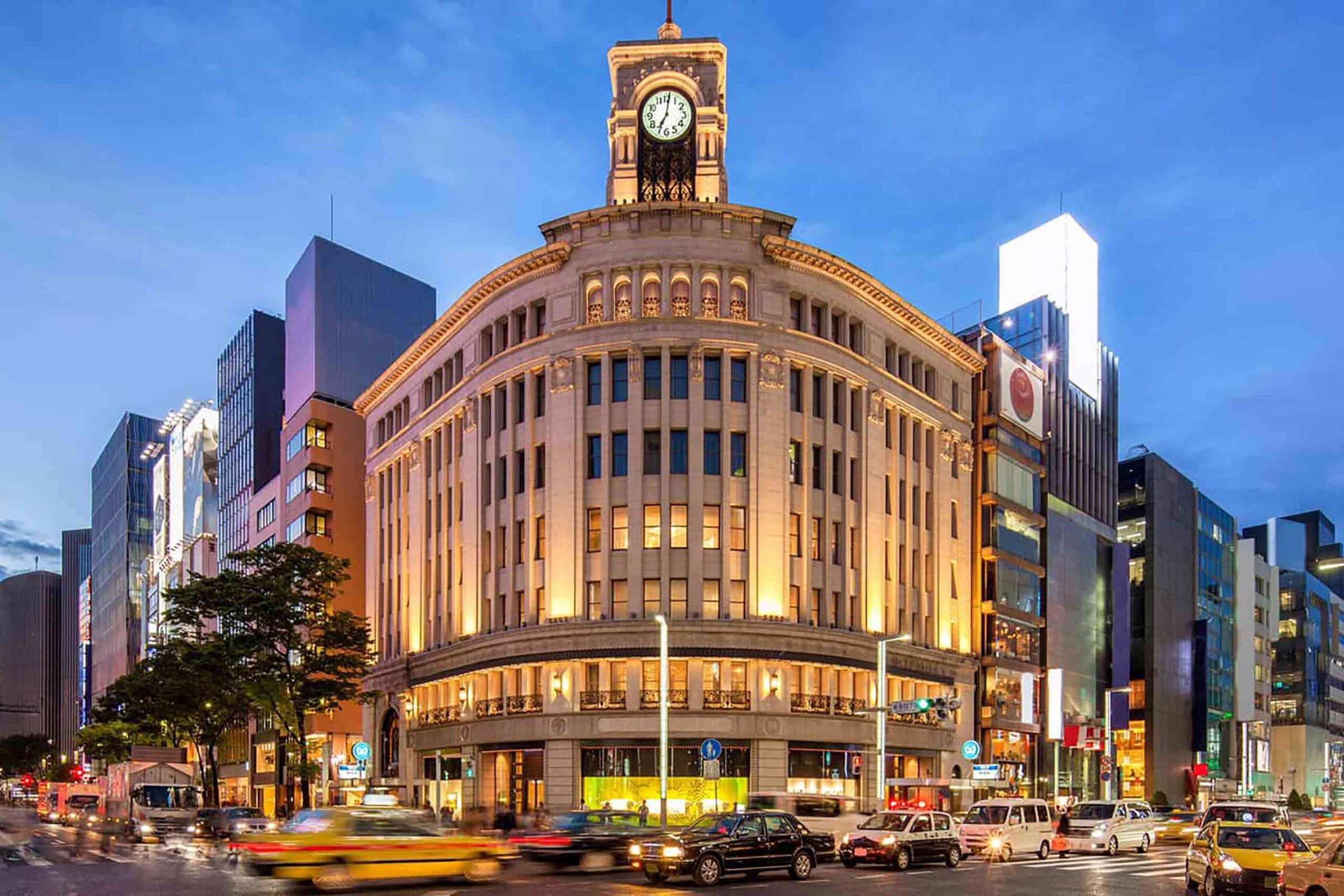
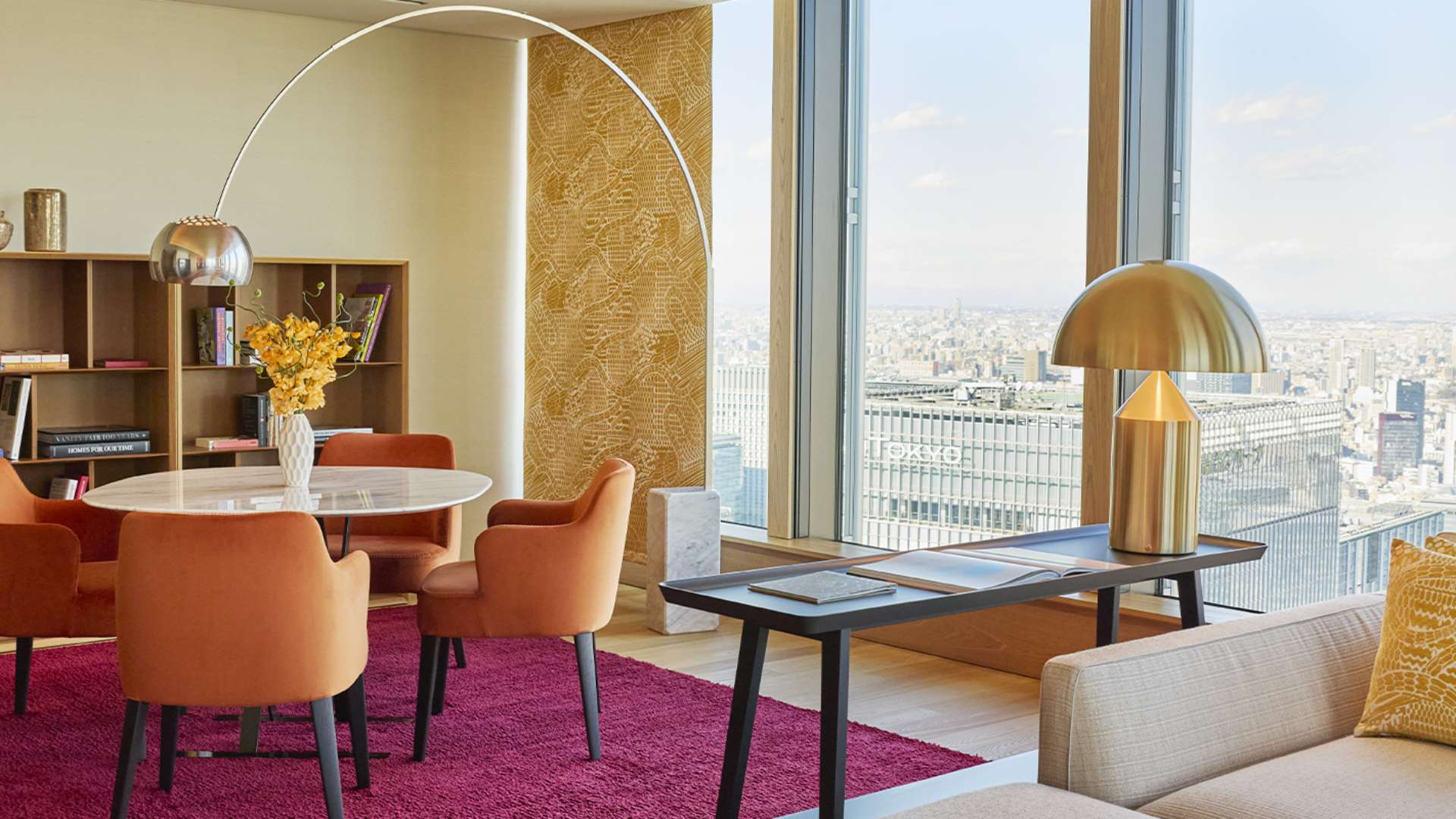
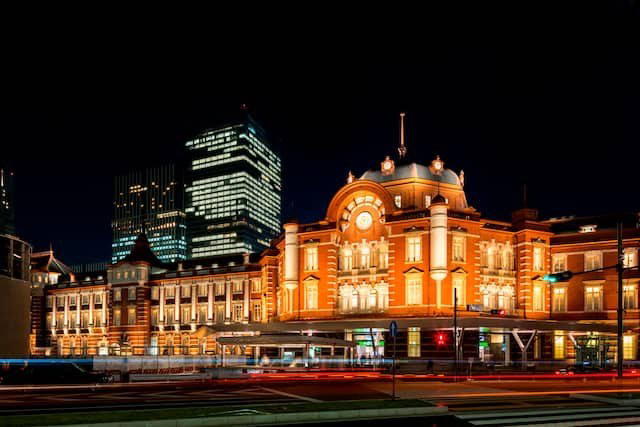
Subin's specific booking method, hours, and contact details are not widely published. If you're approaching Subin as an international visitor, one reliable route is through a luxury hotel concierge in Tokyo with established local restaurant relationships. Properties in the Ginza and Nihonbashi corridor tend to maintain direct lines to rooms that don't surface through standard booking platforms.
Ginza's Dining Tiers and Where Subin Sits
Tokyo's fine-dining environment has stratified considerably over the past decade. At the category level, the city now supports a tier of counter-format restaurants, whether sushi, kaiseki, or contemporary Japanese, where the guest-to-chef ratio is low, the progression is fixed, and the price per head reflects both ingredient cost and the opportunity cost of a seat held for a single guest over two to three hours. This is the competitive environment that defines Ginza's B1 corridor.
Within Tokyo's broader restaurant range, French-influenced and contemporary European kitchens have also established a firm presence. L'Effervescence and Sézanne represent the French fine-dining cohort at the ¥¥¥¥ level, while Crony occupies the innovative-French tier at the same price point. Subin serves Premium Shabu-Shabu & Sukiyaki. What is clear is that the address alone places it among kitchens that operate at the serious end of the city's dining range.
For guests building a multi-city Japan itinerary, the Ginza dining tier has counterparts in other cities worth knowing. HAJIME in Osaka and Gion Sasaki in Kyoto operate in comparable registers of ambition and formality, while Goh in Fukuoka and akordu in Nara extend the network of serious kitchens beyond the major urban centres. Regional options further afield include 一本木 石川製 in Nanao, 夕佳亭山乃 in Sapporo, 湖邸荘庵 in Takashima, 庄羽屋 in Nishikawa Machi, Birdland in Sakai, and Bistro Ange in Toyohashi for guests willing to travel for a meal.
How to Think About the Booking
The editorial angle on Subin, given what is and isn't known, is essentially a booking-intelligence question. Ginza restaurants at this level sort into two broad categories: those with open online infrastructure and those that don't. The latter group is not less serious; in many cases, it's the opposite. Rooms that don't publish their hours on aggregator sites or maintain a booking widget often do so because demand already exceeds supply through existing channels, and adding public inventory would create operational noise without benefit.
If you're planning a Tokyo trip around confirmed restaurant reservations, the practical approach is threefold. First, start with hotels: Tokyo's leading luxury properties have concierge teams whose sole value-add is exactly this kind of access. Second, build your itinerary with enough lead time, typically six to eight weeks for Ginza-tier rooms, to allow for back-and-forth. Third, have a secondary plan. Ginza's density of serious dining means that a failed reservation attempt at one address can be redirected to another without compromising the quality of the evening.
For comparison, the approach required for Tokyo's leading counter rooms mirrors what guests navigate in New York's most ambitious tasting-menu restaurants. Le Bernardin and Atomix both require planning horizons that most casual diners underestimate, and the lesson in both cities is the same: the leading rooms are never available on short notice, and preparation is what separates a confirmed seat from a missed opportunity.
Planning Your Visit
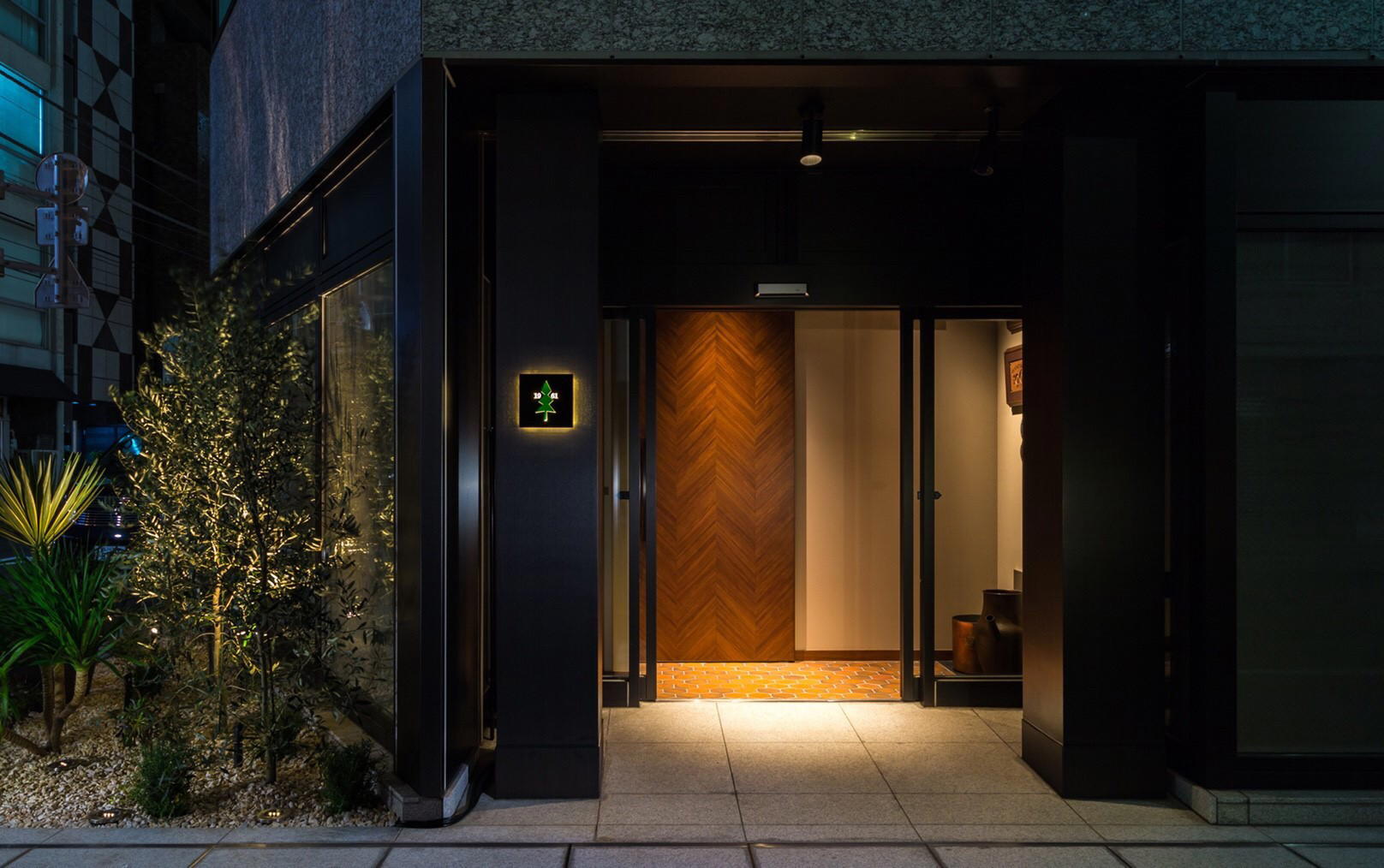
Subin is located at 8-6-20 Ginza, Chuo City, Tokyo, basement level. The closest station access points for Ginza 8-chome are Shinbashi and Ginza stations, both within a short walk. As a B1 address, the entrance requires looking for basement signage rather than a street-level frontage. Specific operational details include Monday to Friday, 4 to 10 PM, with Saturday and Sunday closed; the dress code is smart casual and reservations are essential. For broader Tokyo dining context, see our full city guide.
In Context: Similar Options
Comparable venues nearby, for context on price, style, and recognition.
| Venue | Cuisine | Price | Notes |
|---|---|---|---|
| subinThis venue — the venue you are viewing | Premium Shabu-Shabu & Sukiyaki | $$$$ | Not listed |
| 3110NZ By LDH Kitchen | Modern Omakase Sushi with Art Gallery | $$$$ | Naka-Meguro |
| Ningyocho Imahan Ginza ten | Traditional Wagyu Sukiyaki & Shabu-shabu | $$$$ | Chūō |
| Azabu Muroi | Seasonal Kaiseki Omakase | $$$$ | Chūō |
| Restaurant Katsura | Japanese Teppanyaki Steakhouse | $$$$ | Chūō |
| Isana sushi bar | Edomae Omakase Sushi | $$$$ | Minato |







At a Glance
- Elegant
- Intimate
- Sophisticated
- Date Night
- Business Dinner
- Special Occasion
- Private Event
- Private Dining
- Open Kitchen
Current opening hours
- Monday
- 4–10 PM
- Tuesday
- 4–10 PM
- Wednesday
- 4–10 PM
- Thursday
- 4–10 PM
- Friday
- 4–10 PM
- Saturday
- Closed
- Sunday
- Closed
Hours can change for holidays and private events. Last verified .
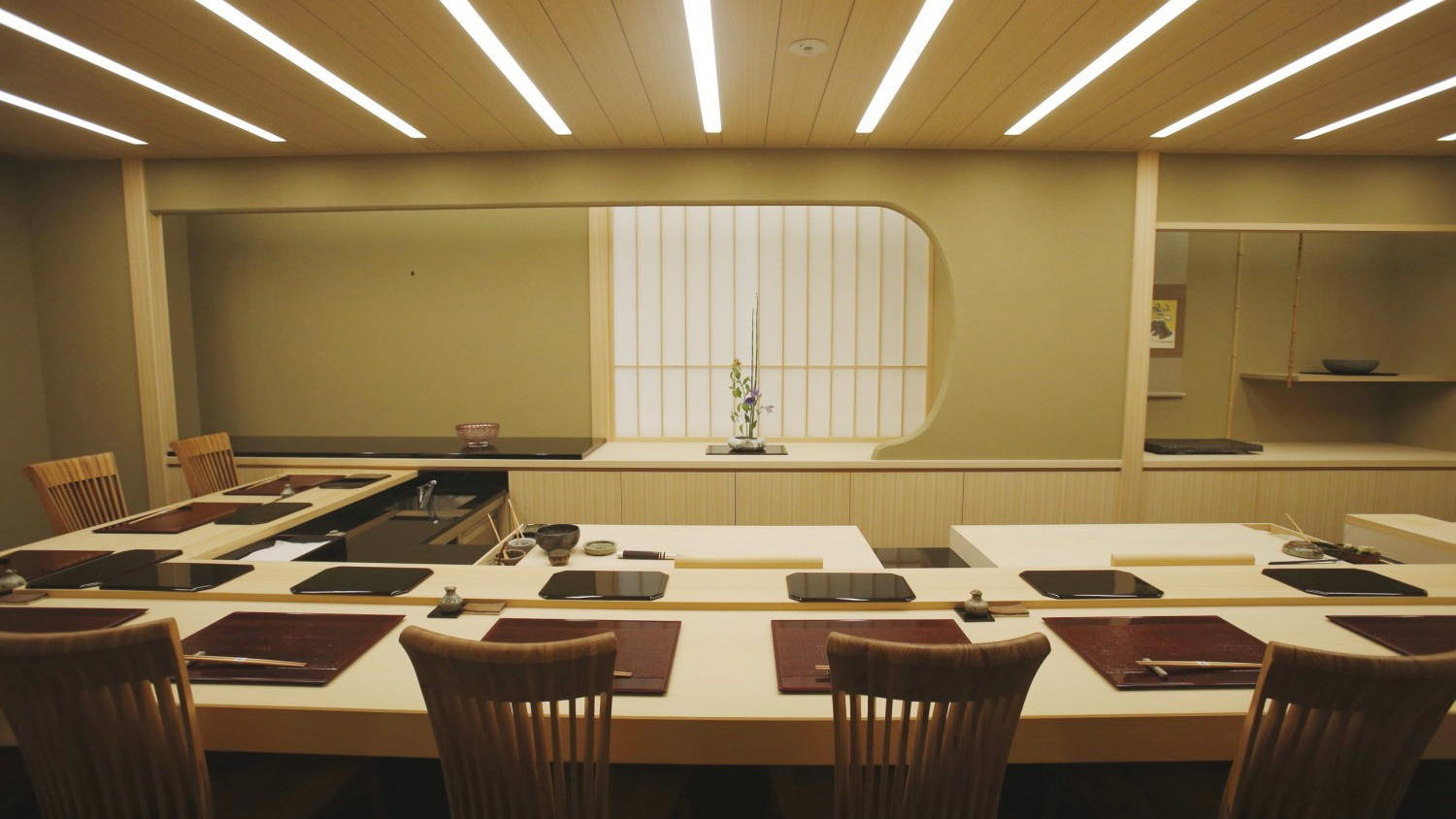
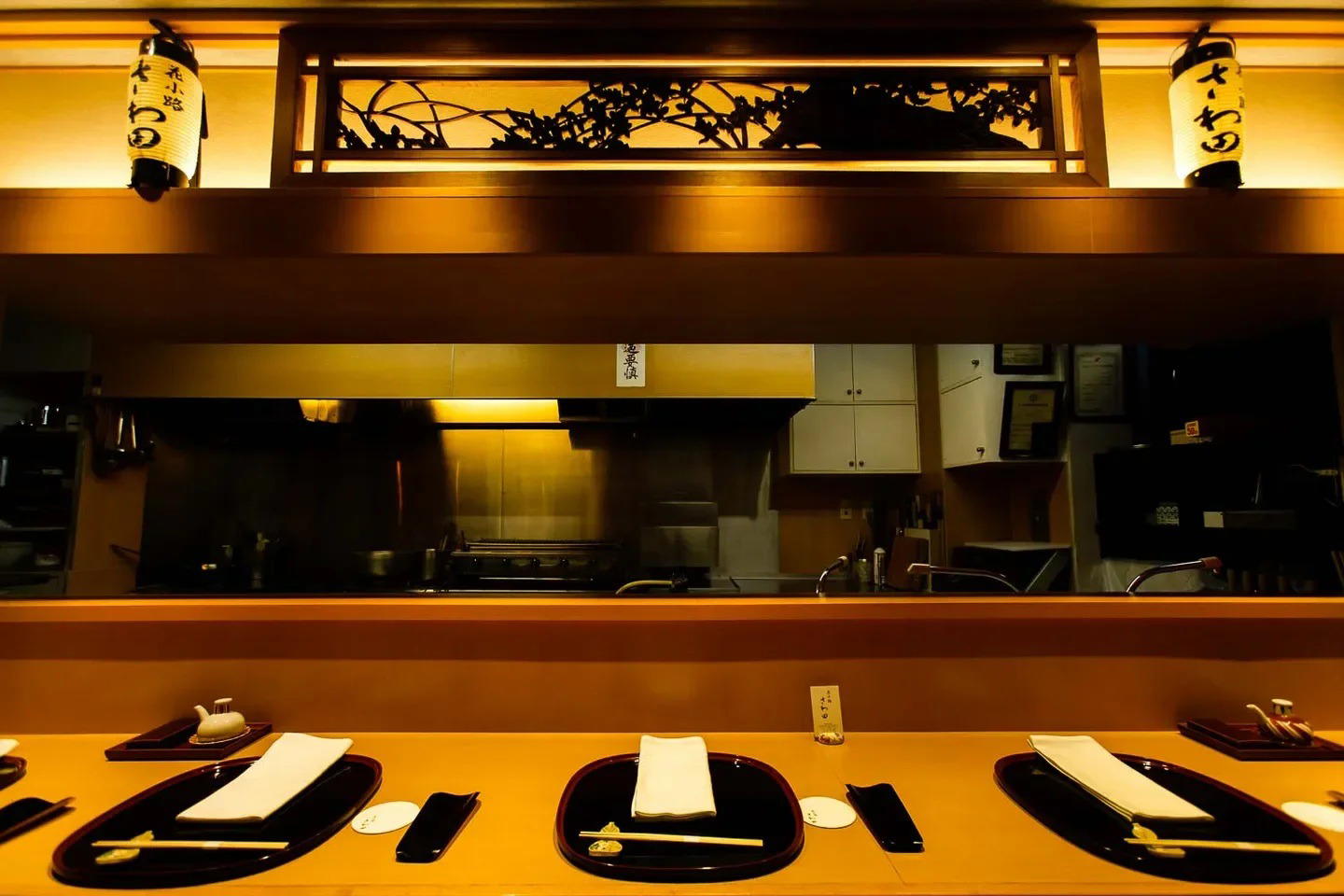
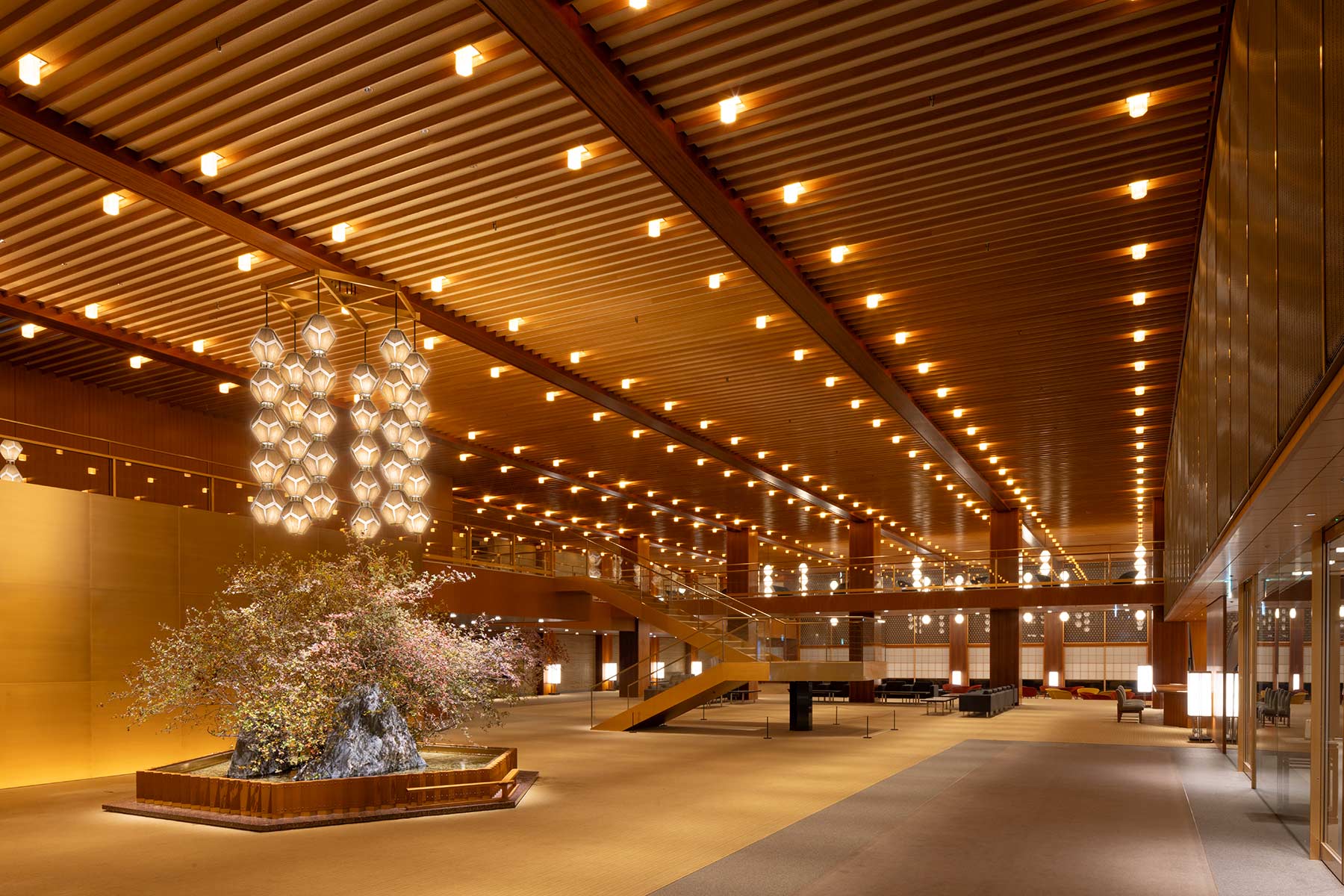
Luxurious and refined with elegant decor and furnishings in a basement location, designed for intimate dining experiences.