Sushi Takehan occupies the second floor of a low-key building in Ebisu-Nishi, Shibuya, placing it in a residential pocket of western Tokyo where counter sushi operates at a deliberate remove from the Ginza circuit. The address puts it alongside a quieter tier of Tokyo omakase that trades visibility for focus, a format pattern consistent with how serious sushi has spread across the city's western wards over the past decade.
Pearl is the En Primeur Club membership app — saves, bookings, and concierge access live there. Same editors, same standards.
- Address
- Japan, 〒150-0021 Tokyo, Shibuya, Ebisunishi, 1 Chome−16, 7HAGIWARA BLDG.7 2F
- Phone
- +81354899877
- Website
- sushi-takehan.com
 Saves & bookings on Pearl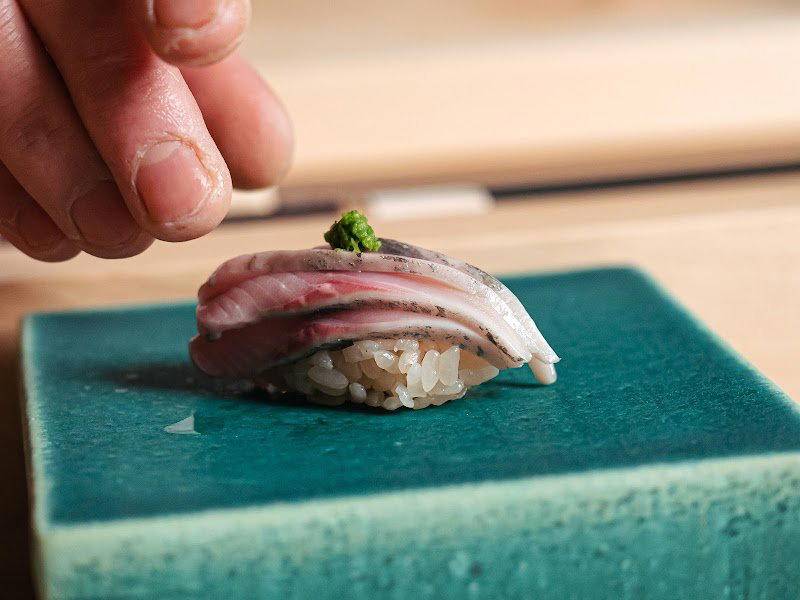
Counter Sushi Beyond the Ginza Circuit
Tokyo's premium omakase tier has never been confined to Ginza, but the story of how serious sushi migrated into the city's residential wards is worth understanding before you book. Sushi Takehan, located on the second floor of the Hagiwara Building in Ebisu-Nishi, Shibuya, fits that pattern precisely.
That geography is not incidental. Venues in this part of the city tend to operate with fewer covers, lower visibility from the street, and a more deliberate relationship with their regulars. Compare this with the Harutaka model in Ginza, where the ¥¥¥¥ pricing tier signals explicit competition with the city's most scrutinised counters, and the difference in positioning becomes clearer. The Ebisu-Nishi address for Sushi Takehan suggests a counter that functions within a local network rather than presenting itself to an international dining audience.
What the Address Tells You About the Menu Architecture
In Tokyo's counter sushi tradition, where a chef stands and who they expect to serve shapes the menu before a single piece of fish is cut. The residential-ward format that Sushi Takehan inhabits tends to produce menus structured around relationship and repetition rather than spectacle and variety. Where Ginza counters often build their omakase around demonstrating range, counters in this tier more frequently return to a tighter seasonal rotation, adjusting within a reliable framework rather than reinventing each service.
This structural conservatism is a feature, not a limitation. The logic of the omakase format, at its most coherent, is sequence: how each piece prepares you for the next, how the progression from lighter, cleaner fish through fattier, richer cuts mirrors something like a composed menu. At the ¥¥¥¥ end of Tokyo's counter spectrum, that sequence discipline tends to be where the distinction lies, not in exotic ingredients or theatrical preparation. Venues like RyuGin in Roppongi, operating in kaiseki rather than sushi, demonstrate how the same sequence logic can be applied across formats with equal rigour. The comparison is useful because it shows that menu architecture in serious Japanese dining is a category-wide concern, not a sushi-specific quirk.
HAJIME in Osaka and Gion Sasaki in Kyoto each work within a sequence logic shaped by their own culinary traditions, and understanding that framework before you arrive makes the experience considerably more readable.
The Ebisu-Nishi Setting
The Shibuya ward address, and Ebisu-Nishi specifically, locates the restaurant in one of Tokyo's most consistently interesting dining pockets. The area around Ebisu and Daikanyama has accumulated a density of serious, low-profile restaurants over the past fifteen years, and the second-floor format is almost a neighbourhood vernacular here. You approach through a residential block, find a building with minimal signage, take stairs to an upper floor, and arrive at a counter that has no interest in announcing itself to the street. That physical choreography is part of the experience in a way that is easy to underestimate before you have done it a few times in Tokyo.
In New York, a counter of comparable seriousness would typically make its presence known, even if subtly. Atomix in Manhattan, one of the city's most deliberately formatted Korean fine-dining counters, still maintains a considered street-level identity. Tokyo's residential-ward counters operate on a different logic, one that assumes the guest already knows where they are going and why. The building's anonymity is a filter, not an oversight.
Placing Sushi Takehan in the Broader Tokyo Scene
Tokyo's fine-dining map has diversified considerably beyond the Ginza-Roppongi axis. French kitchens like L'Effervescence and Sézanne have established that serious technique and seasonal discipline are not exclusively Japanese-format concerns, while younger venues like Crony show how creative French cooking now has its own coherent tier within the city. Sushi, meanwhile, has spread from its Ginza centre outward, with counters in Shibuya, Shinjuku, and further west that operate with comparable seriousness at a range of price points. The restaurant's Ebisu-Nishi position puts it in that distributed tier, which has become one of the more interesting areas of Tokyo dining for visitors willing to move beyond the obvious addresses.
For those building a Japan-wide itinerary, the comparison with regional counters is instructive. Goh in Fukuoka and akordu in Nara illustrate how serious restaurant culture now operates at a significant remove from Tokyo entirely, drawing on local ingredients and regional dining cultures to produce menus that resist simple comparison with the capital's counters. Further afield, a counter in Nanao and a venue in Takashima represent the kind of rural and small-city dining that serious Japan itineraries increasingly include. Even within Hokkaido, a Sapporo address shows how the northern island's ingredients have generated their own serious cooking culture. Tokyo remains the centre, but the centre's gravitational pull on how Japan eats at the serious end has weakened considerably over the past decade.
Other Japan itinerary additions worth considering: a restaurant in Nishikawa Machi, Birdland in Sakai, and Bistro Ange in Toyohashi each fill different niches for travellers moving through the country's mid-sized cities.
Planning Your Visit
The restaurant sits in Ebisu-Nishi, Shibuya, on the second floor of the Hagiwara Building. The residential-ward, upper-floor format is consistent with how a significant number of Tokyo's more focused counters operate, and arrival requires knowing the address in advance. Booking is essential; walk-in availability is unlikely. Ebisu station on the JR Yamanote Line and the Hibiya Line puts the Ebisu-Nishi area within easy reach from most central Tokyo accommodation.
Quick reference: the restaurant, 2F Hagiwara Building, Ebisu-Nishi 1-chome, Shibuya, Tokyo. Counter sushi format. Advance reservation recommended; walk-in availability unlikely.
A Tight Comparison
Comparable venues nearby, for context on price, style, and recognition.
| Venue | Cuisine | Price | Notes |
|---|---|---|---|
| Sushi TakehanThis venue — the venue you are viewing | Shibuya, Edomae Omakase Sushi | $$$$ | Not listed |
| 恵比寿えんどう | Shibuya, Edomae Omakase Sushi | $$$$ | Not listed |
| Kaoru HIROO | Minato, Modern Japanese Omakase | $$$$ | Not listed |
| ura matsu | Not listed | $$$$ | Minato, Counter-style Wagyu Yakiniku Omakase |
| Isana sushi bar | Minato, Edomae Omakase Sushi | $$$$ | Not listed |
| Rian | Minato, Modern Japanese Fine Dining | $$$$ | Not listed |












At a Glance
- Elegant
- Intimate
- Sophisticated
- Quiet
- Date Night
- Special Occasion
- Business Dinner
- Chefs Counter
- Sake Program
Current opening hours
- Monday
- Closed
- Tuesday
- 5–10:30 PM
- Wednesday
- 12–2:30 PM, 5–10:30 PM
- Thursday
- 5–10:30 PM
- Friday
- 12–2:30 PM, 5–10:30 PM
- Saturday
- 12–2:30 PM, 5–10:30 PM
- Sunday
- Closed
Hours can change for holidays and private events. Last verified .
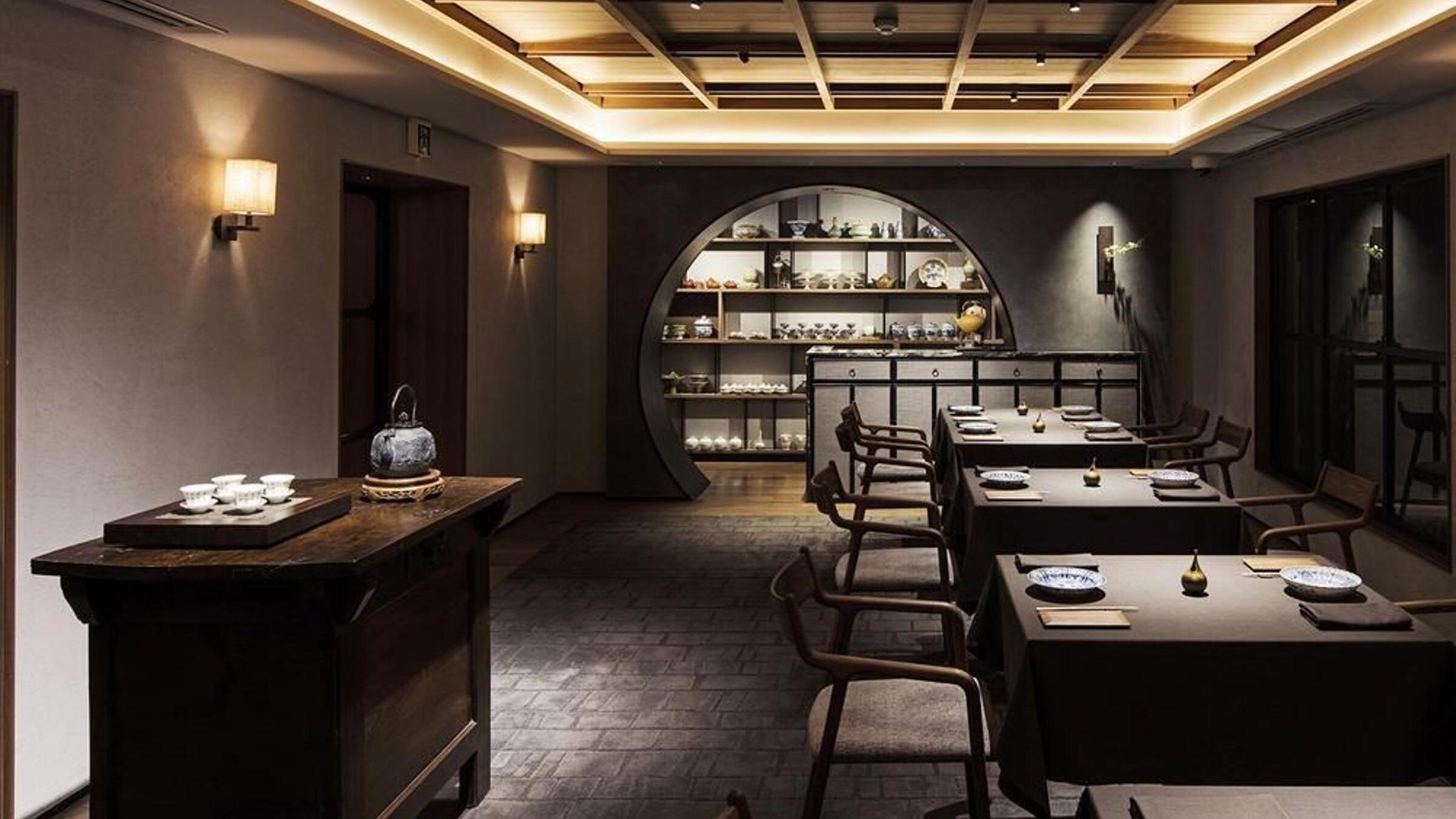
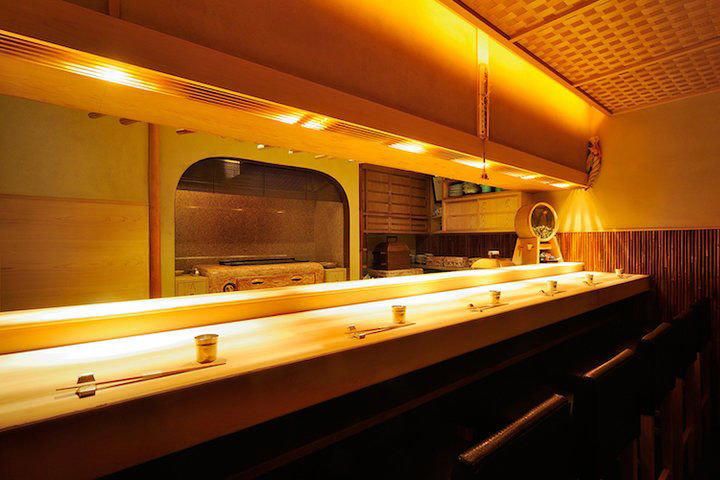
Serene and zen-like atmosphere with calm lighting, quiet background music, and focus on the chef's work at the kitchen counter.