Tokyo's sushi counter tradition operates within a precise set of rituals, pacing, silence, the order of fish. Isana sushi bar sits within that tradition, offering an omakase format in a city where the gap between a good counter and a great one often comes down to sourcing discipline and the chef's reading of the season. For visitors navigating Tokyo's upper tier of sushi, Isana represents a considered stop.
Pearl is the En Primeur Club membership app — saves, bookings, and concierge access live there. Same editors, same standards.
- Address
- 1 Chome-11-6 Nishiazabu, Minato City, Tokyo 106-0031, Japan
- Phone
- +81 3-6434-9194
- Website
- isanasushi.com
- Directions
- Get directions
 Saves & bookings on Pearl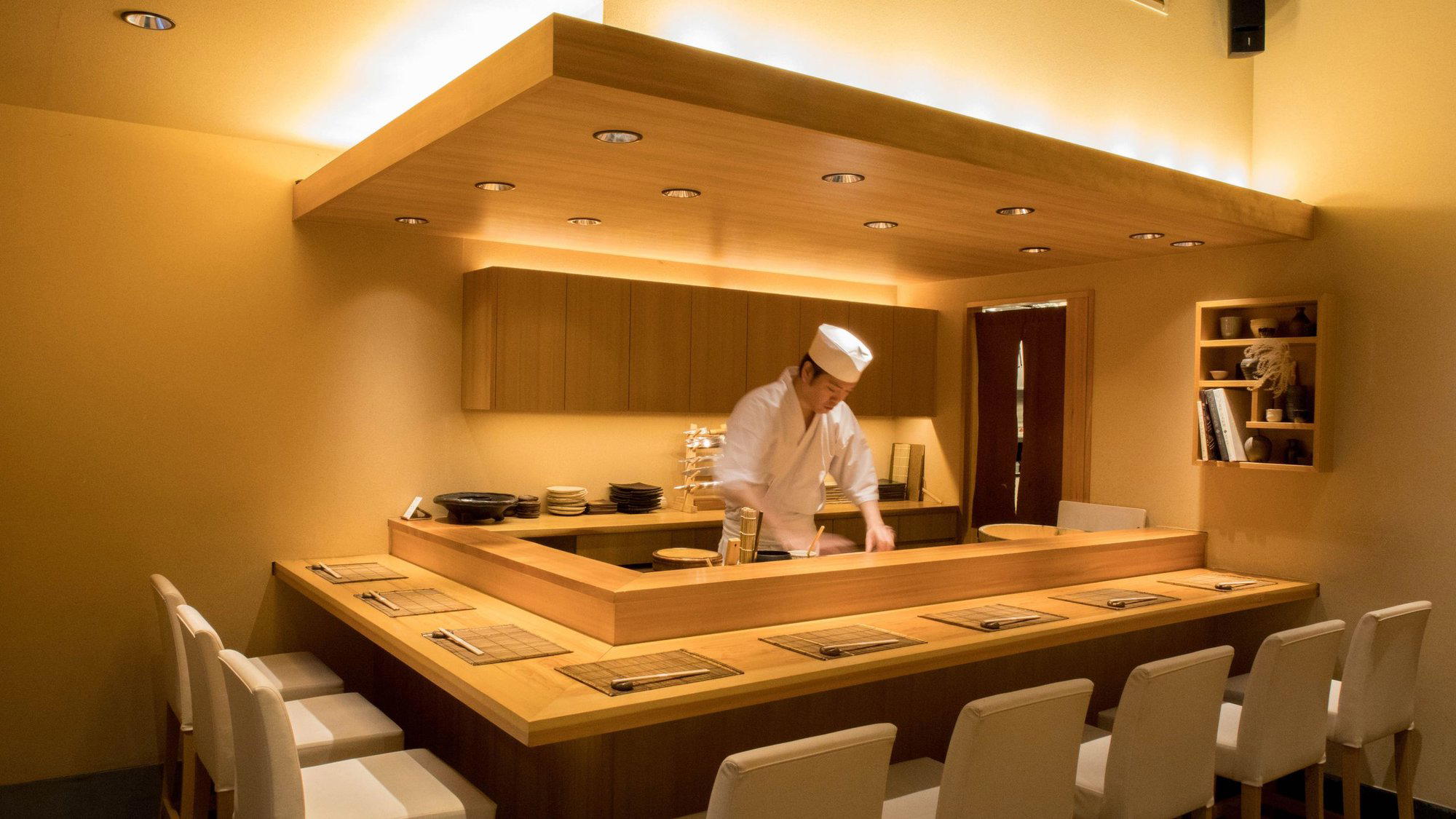
The Ritual Before the First Piece
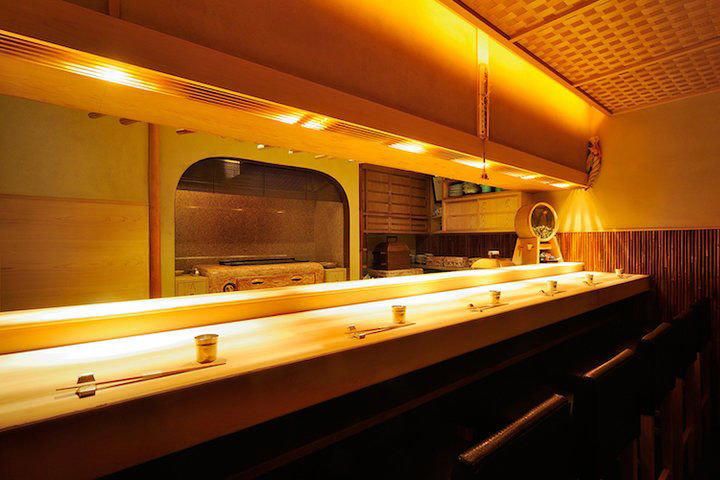
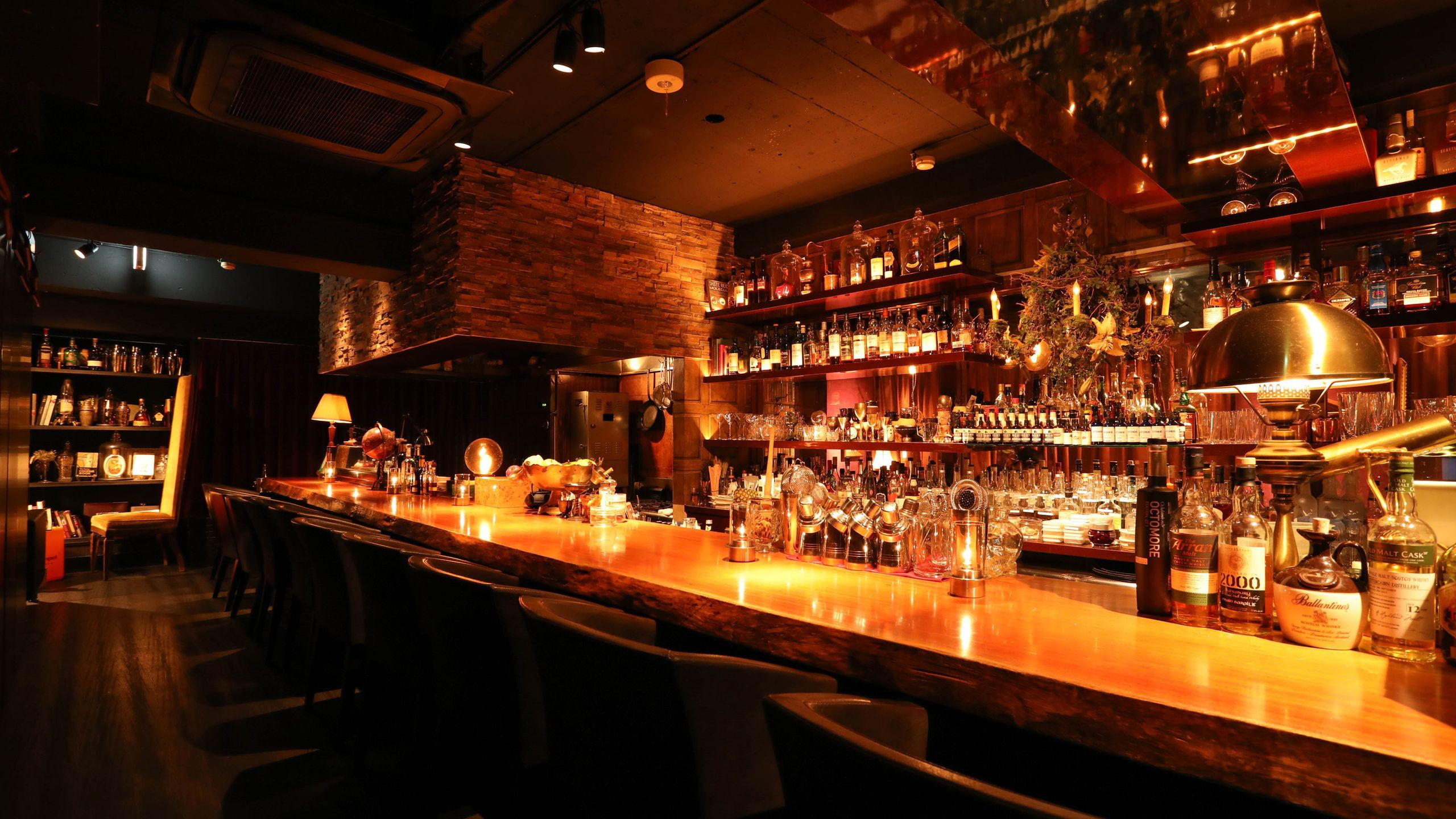
Isana sushi bar is a Tokyo restaurant serving Edomae Omakase Sushi at about $125 per person. The hinoki wood, the low lighting, the chef positioned directly across the counter, these are not decorative choices. They are the architecture of a specific dining tradition, one in which the distance between you and the person preparing your food is deliberately minimal, and the sequence of what arrives in front of you is not negotiable. Isana sushi bar operates within this tradition. The counter format, the omakase logic, the seasonal rotation, these place it inside a recognisable Tokyo lineage that has defined the city's premium sushi culture for decades.
How the Meal is Structured
The omakase format, literally "I leave it to you", is a direct exchange between diner and chef. It is an agreement between diner and chef: the chef reads the season, the day's fish market, and the composition of the meal; the diner brings attention and willingness to follow the progression. In Tokyo's established counters, this structure tends to move from lighter, more delicate cuts early in the meal toward fattier, more assertive pieces before a concluding roll or tamago. Soups and small bites anchor the opening and close.
That pacing is not arbitrary. It mirrors the seasonal logic of Japanese cuisine more broadly, lighter preparations when fish are at their most delicate, richer cuts when cold-water fish are at their peak fat content. Counters that follow this structure are making an argument about what sushi is: not a collection of individual pieces but a composed progression in which each item is positioned relative to what came before and after. Any counter operating at a serious level in the same city is measured against that standard.
Etiquette at a Tokyo sushi counter follows conventions that are worth understanding before you sit down. Eating nigiri by hand is not only acceptable, at many counters it is preferred, as it allows you to control the pressure on the rice and eat the piece at the temperature the chef intended. Arriving late disrupts the pacing for the entire counter. Perfume and heavy cologne are considered disruptive to the tasting environment. These are not arbitrary rules; they are practices that exist because sushi at this level is a time-sensitive craft. The rice in particular begins to separate and lose temperature within seconds of being formed.
Tokyo's Sushi Counter in Context
Tokyo's fine dining scene is unusually dense, with sushi competing for attention alongside kaiseki traditions and French-influenced tasting menus. Tokyo's fine dining scene is unusually dense, with sushi competing for attention alongside kaiseki traditions at restaurants like RyuGin, and French-influenced tasting menus at addresses such as L'Effervescence, Sézanne, and Crony. The city's dining infrastructure, its wholesale fish markets, its network of specialty suppliers, its culture of long apprenticeships, gives sushi chefs access to raw material that few cities can match.
Tsukiji's legacy and the current Toyosu market remain central to how Tokyo sushi counters source their fish. The morning auction process means that a chef's relationships with specific dealers, and their willingness to pay for premium-grade tuna, yellowtail, and sea urchin, directly determine what appears at the counter that evening. This is why sourcing discipline is treated as a credential in its own right at the summit of the Tokyo sushi market. Counters that can demonstrate consistent access to high-grade fish, particularly hon-maguro from specific waters, occupy a different tier from those relying on standard wholesale supply.
Beyond Tokyo, Japan's premium dining geography extends through Osaka, where HAJIME represents the Kansai region's creative ambitions, Kyoto's tradition-oriented rooms like Gion Sasaki, and venues in less-travelled prefectures such as akordu in Nara and Goh in Fukuoka. Specialist counters in smaller cities, including venues in Nanao, Sapporo, Takashima, and Nishikawa Machi, often offer access to highly regional ingredients that Tokyo counters cannot source by proximity. Tokyo remains the reference point, but it is not the only serious place to eat in Japan.
For diners arriving from abroad with experience at high-end counters in other markets, say, Le Bernardin in New York for seafood discipline, or Atomix for structured tasting-menu culture, Tokyo's sushi format will feel familiar in pacing but distinct in its physical intimacy and the absence of verbal explanation. Many Tokyo chefs work largely in silence, letting the fish speak without narration. This is itself a convention, not a limitation.
Planning a Visit
Reservations are essential. Given the limited seat counts common to the counter format, often eight to twelve seats, a single group booking can affect availability significantly. Reaching out directly or through a hotel concierge in advance of your trip is advisable.
Other venues worth considering alongside or instead of Isana, depending on your priorities and budget, include Birdland in Sakai for a different style of focused, counter-led dining, and Bistro Ange in Toyohashi for a contrast in format. Within the sushi category specifically, the comparison set in Tokyo remains narrow: there are only a small number of counters where sourcing relationships, technical precision, and format discipline converge at the level the city's reputation demands.
Quick Comparison
Comparable venues nearby, for context on price, style, and recognition.
| Venue | Cuisine | Price | Notes |
|---|---|---|---|
| Isana sushi barThis venue — the venue you are viewing | Edomae Omakase Sushi | $$$$ | Not listed |
| 恵比寿えんどう | Edomae Omakase Sushi | $$$$ | Shibuya |
| 四ッ谷 みね村 | Traditional Japanese Kaiseki | $$$$ | Shinjuku |
| Tempura Kyorakutei | Tempura and Soba | $$$$ | Shinjuku |
| Ginza Chikamitsu Rokuchome | Modern Wagyu Yakiniku | $$$$ | Chūō |
| Kiwa | Seasonal Tempura & Japanese Omakase | $$$$ | Shibuya |









At a Glance
- Intimate
- Cozy
- Elegant
- Date Night
- Special Occasion
- Solo
- Chefs Counter
- Open Kitchen
- Sake Program
Current opening hours
- Monday
- 7–11 PM
- Tuesday
- 7–11 PM
- Wednesday
- Closed
- Thursday
- 7–11 PM
- Friday
- 7–11 PM
- Saturday
- Closed
- Sunday
- Closed
Hours can change for holidays and private events. Last verified .
Cozy and intimate counter seating in a small 8-seat space with warm, welcoming vibe fostering natural conversations among diverse guests.