
ura matsu belongs to Tokyo’s compact, high-control yakiniku tier, where counter service shifts Japanese barbecue from group dining into a chef-led format. In Nishiazabu, its seven-seat counter, Tabelog Award 2026 Bronze recognition, and 2025 Tabelog 100 selection place it among the city’s serious beef rooms rather than casual grill houses.
Pearl is the En Primeur Club membership app — saves, bookings, and concierge access live there. Same editors, same standards.
- Address
- 東京都港区西麻布3-13-14 LA・RES西麻布 B1F
- Phone
- +81364592329
- Website
- tabelog.com
 Saves & bookings on Pearl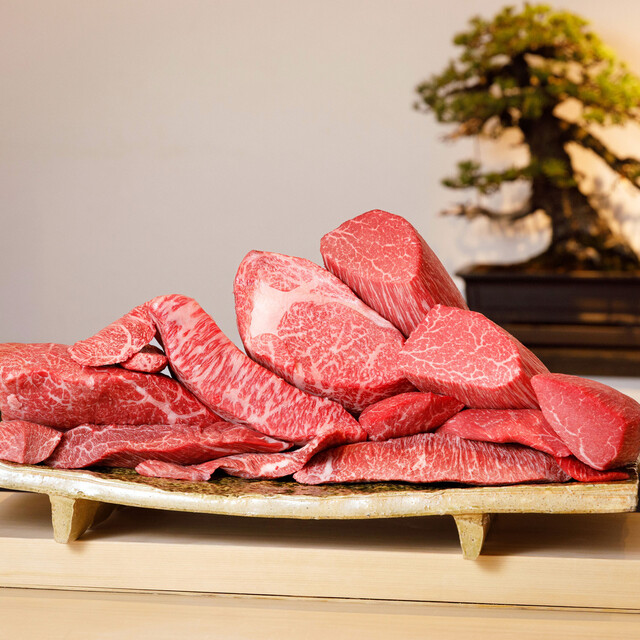
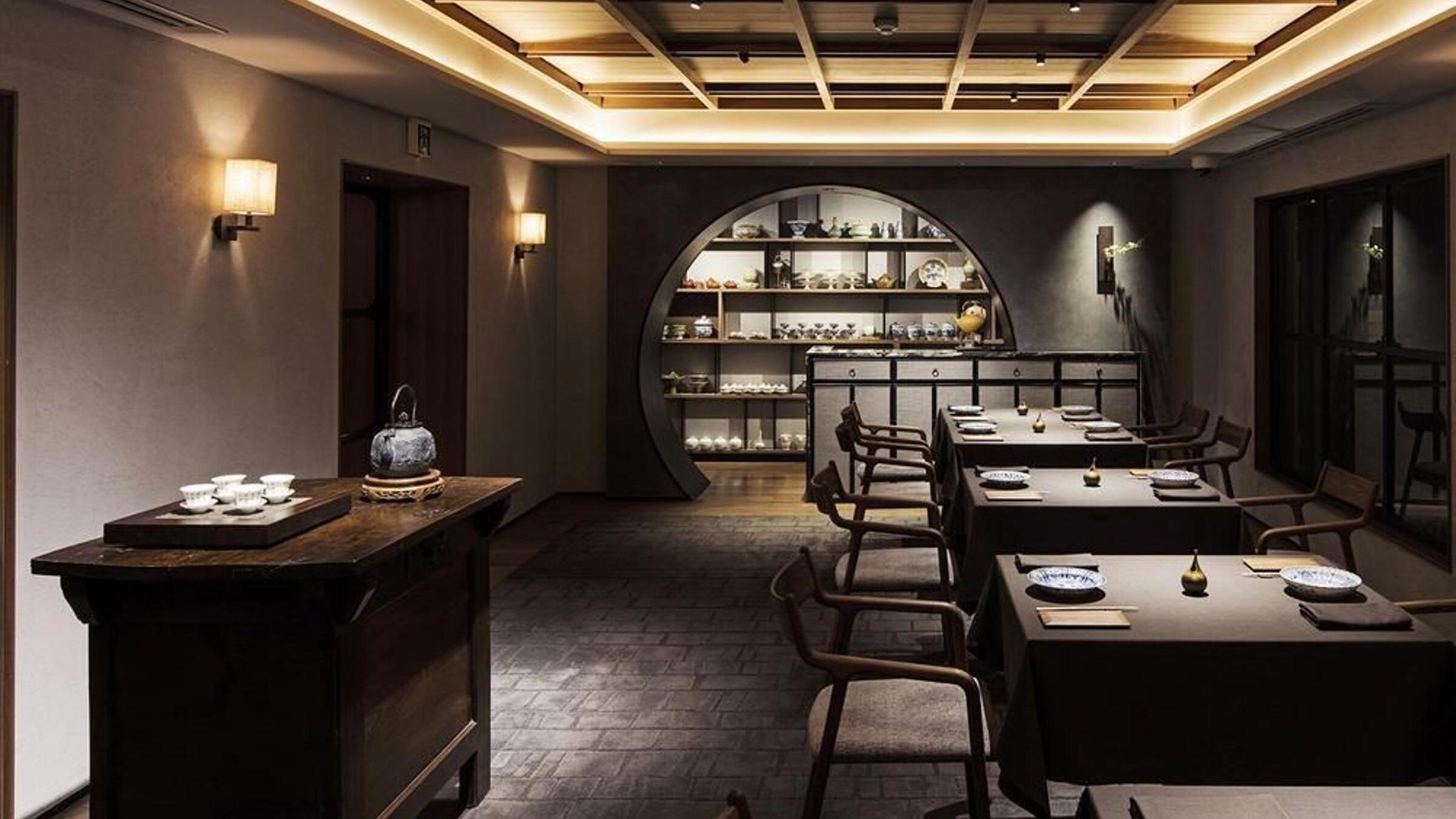
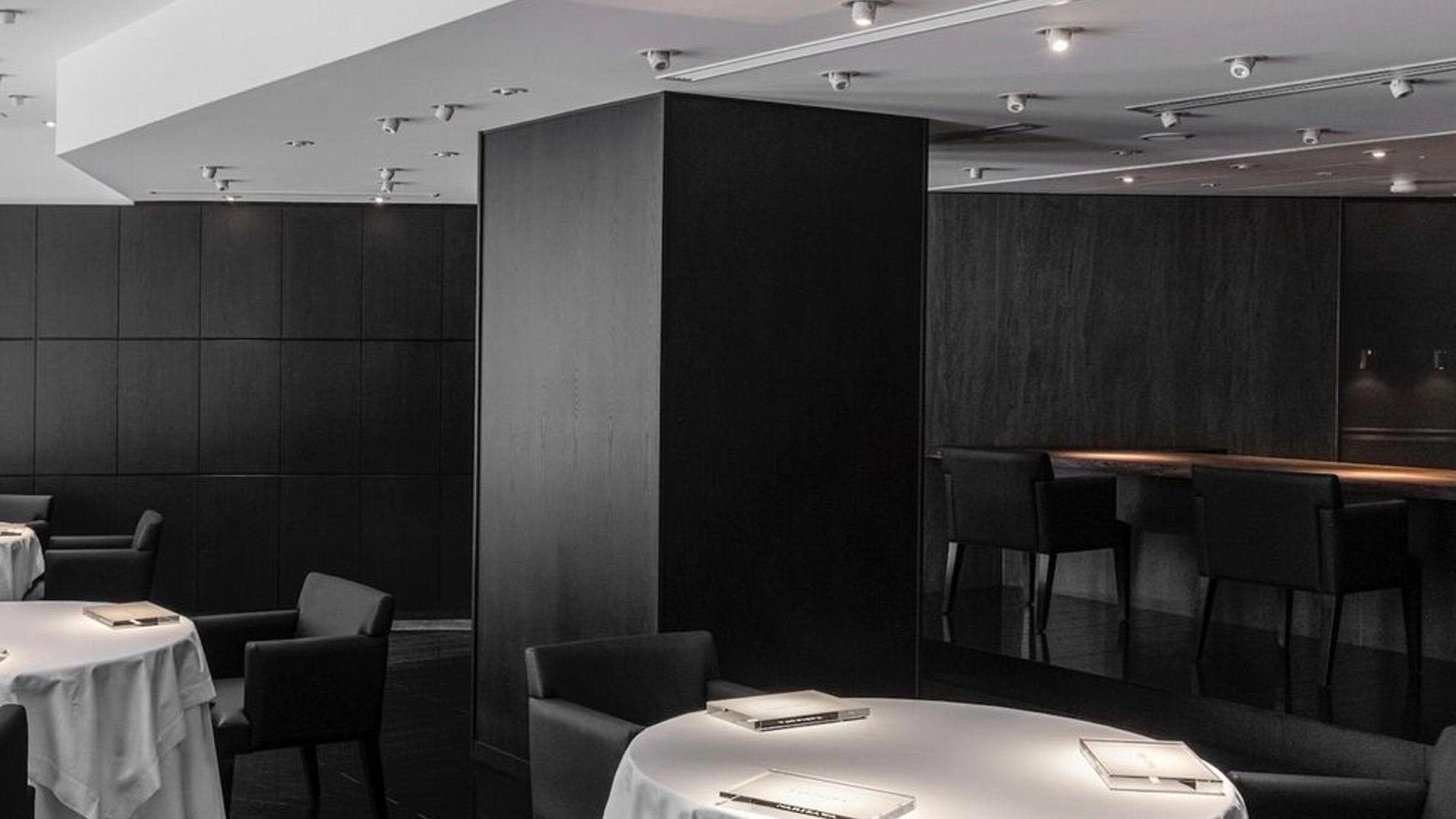
Basement dining rooms suit Tokyo’s high-pressure food culture: the street reveals little, then the room concentrates attention on a counter, a grill, and service choreography. In Nishiazabu, that format carries weight. The neighbourhood has long absorbed expense-account dining, late-night wine drinking, and destination restaurants driven less by street visibility than repeat diners and reservation gravity. Yakiniku, often seen outside Japan as convivial table-grilling, becomes more exacting here: fewer seats, tighter pacing, and front-of-house work closer to a tasting counter than a barbecue hall.
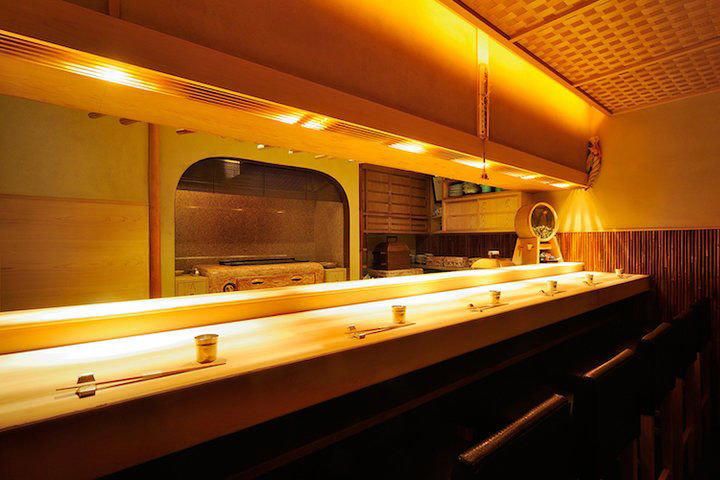
ura matsu sits in that narrower category. Its public signals are unusually clear for Tokyo yakiniku: seven counter seats, a non-smoking room, no private rooms, and recognition from The Tabelog Award 2026 Bronze alongside selection for Tabelog 100 Yakiniku Tokyo 2025. These markers do not make the meal self-explanatory; they define the competitive set. This is Tokyo dining where beef sourcing, grill timing, wine handling, and guest management must work as one system. The appeal is not abundance. It is control.
Counter yakiniku, treated as a coordinated service rather than a grill-it-yourself dinner
Tokyo yakiniku has multiple speeds: neighbourhood rooms for beer, smoke, and repeat orders, and polished addresses where cooking becomes a sequence of decisions, cut, heat, rest, seasoning, pour. The counter format pushes the genre toward the latter. With only seven seats, ura matsu reduces the distance between kitchen, service, and diner; every stage is visible, and errors have few places to hide.
Team dynamics therefore matter. A chef-led grill can make beef the headline, but a serious counter depends on quieter work: pacing courses so heat and appetite stay aligned, reading when guests want explanation or quiet, and matching wine to fat, char, and sauce without turning dinner into a sommelier performance. The wine-focused drink program is not incidental. In contemporary Tokyo yakiniku, wine is a clear dividing line between casual meat houses and higher-spend counters, changing both the meal’s rhythm and the guest profile.
Nishiazabu sharpens the point. Nearby rooms compete for diners who may compare sushi counters, kappo rooms, Chinese fine dining, and beef-focused restaurants within the same evening budget. In the local comparison set, Ushimatsu anchors the yakiniku context, while NISHIAZABU SHANGU signals the neighbourhood’s broader high-spend Chinese category rather than a direct beef comparison. Ren, at a lower dinner band, shows the area’s range of price expectations. These rooms are not interchangeable; the point is that Nishiazabu diners expect small-format restaurants where service discipline matters as much as cuisine.
The modern Tokyo beef room is about editing, not spectacle
High-end Tokyo yakiniku has moved beyond luxury as volume. Stronger contemporary rooms edit: fewer seats, narrower menus, controlled smoke, and a clearer split between the main cooking arc and the supporting drinks program. At this level, a restaurant must decide whether it is a clubby meat salon, a chef’s counter, or a wine-led dinner structured around beef. ura matsu’s counter-only scale places it closest to the chef’s-counter model, while the wine emphasis gives front of house a larger role than in a purely grill-focused room.
The Tabelog score of 4.30 and the 2025 Tabelog 100 Yakiniku Tokyo selection matter because Tokyo’s yakiniku field is dense and locally scrutinised. International visitors often default to Michelin, but yakiniku does not map neatly onto that system. Tabelog recognition carries weight in categories shaped by local repeat diners and Japanese-language review culture. The 2026 Bronze award adds another layer: not a general popularity badge, but a sign the restaurant has moved beyond niche enthusiasm into a recognised tier of Tokyo dining.
Expect precision over improvisation. Counter yakiniku at this level usually asks diners to surrender some control: the room manages heat, sequence, and portioning so dinner reads as progression rather than separate orders. That can be gift or constraint. Diners who want to linger over repeated cuts and drink casually may prefer a more flexible grill house. Those who enjoy a small room, close service, and purposeful pacing are the natural audience.
How to place it within a Tokyo dining itinerary
For a Tokyo dining week, this is not the slot for a loose first night after a long-haul flight. A seven-seat counter asks for attention, and its recognition puts it in the same planning conversation as other difficult, high-commitment meals. It also fills a useful gap in itineraries heavy with sushi, tempura, or French-influenced tasting menus: beef, fire, and wine, handled with compact Tokyo discipline.
The practical reading is simple. This is dinner for a small party, not a group celebration; a counter seat rewards comfort with proximity and pace. Credit cards are accepted, while electronic money and QR code payments are not listed as accepted. Parking is unavailable, typical for central Tokyo, so the meal fits a taxi or rail-based evening. The nearest station is Hiro-o, placing the restaurant in the west Minato dining belt rather than the Ginza or Marunouchi orbit.
Tokyo also rewards category contrast. Use this meal to understand the city’s beef-counter culture, then compare the wider field through Our full Tokyo restaurants guide. For casual and specialist reference points across the city, see . 鮪と炭火焼き うお炭 秋葉原店, 12/10 Shinjuku ten, 124. KAGURAZAKA (Yakitori), 2D Cafe, and 3 Chome no Curry Ya San. City planning around the meal can extend through Our full Tokyo hotels guide, Our full Tokyo bars guide, Our full Tokyo wineries guide, and Our full Tokyo experiences guide.
For a broader Japan and overseas comparison file, beef and grill-minded travellers can look at -Grilled beef Sukiyaki- KAMAKURA TANUKIAN 鎌倉 たぬき庵 in Kamakura, while other category shifts include.cafe in Osaka.know in Kumamoto, (Shoku) Vietnam in Kawasaki, [Curry Senmon Ten] Maruyama Kyoju. in Sapporo, [ki:] in Kyoto, Jōdo Saké Bar in Los Angeles, and Onigiri Time in Pasadena. The through-line is not cuisine type; it is format. Stronger travel itineraries pair category depth with contrast, and a small Nishiazabu beef counter gives Tokyo’s grill culture the seriousness it deserves.
Similar Picks
Comparable venues at a glance for context.
| Venue | Cuisine | Price | Notes |
|---|---|---|---|
| ura matsuThis venue — the venue you are viewing | Counter-style Wagyu Yakiniku Omakase | $$$$ | Not listed |
| 鮨処やまと | Edomae Sushi Omakase | $$$$ | Tsukiji |
| 精进料理 醍醐 | Shojin-ryori Buddhist vegetarian kaiseki | $$$$ | Minato (Atago) |
| Tokuyama | Traditional Fugu & Seasonal Japanese Kaiseki | $$$$ | Minato |
| Kaoru HIROO | Modern Japanese Omakase | $$$$ | Minato |
| Kobe beef Bifuteki Kawamura Roppongi | Kobe Beef Teppanyaki | $$$$ | Minato |
Recognition history
Dated appearances from independent guides and award organizations, with the underlying list record or original source where available.
Tabelog 100 #19 · No. 19
Tabelog · Tabelog 100 - Yakiniku - TOKYO - 2025









At a Glance
- Intimate
- Elegant
- Modern
- Sophisticated
- Date Night
- Special Occasion
- Business Dinner
- Celebration
- Solo
- Chefs Counter
- Open Kitchen
- Design Destination
- Standalone
- Extensive Wine List
- Local Sourcing
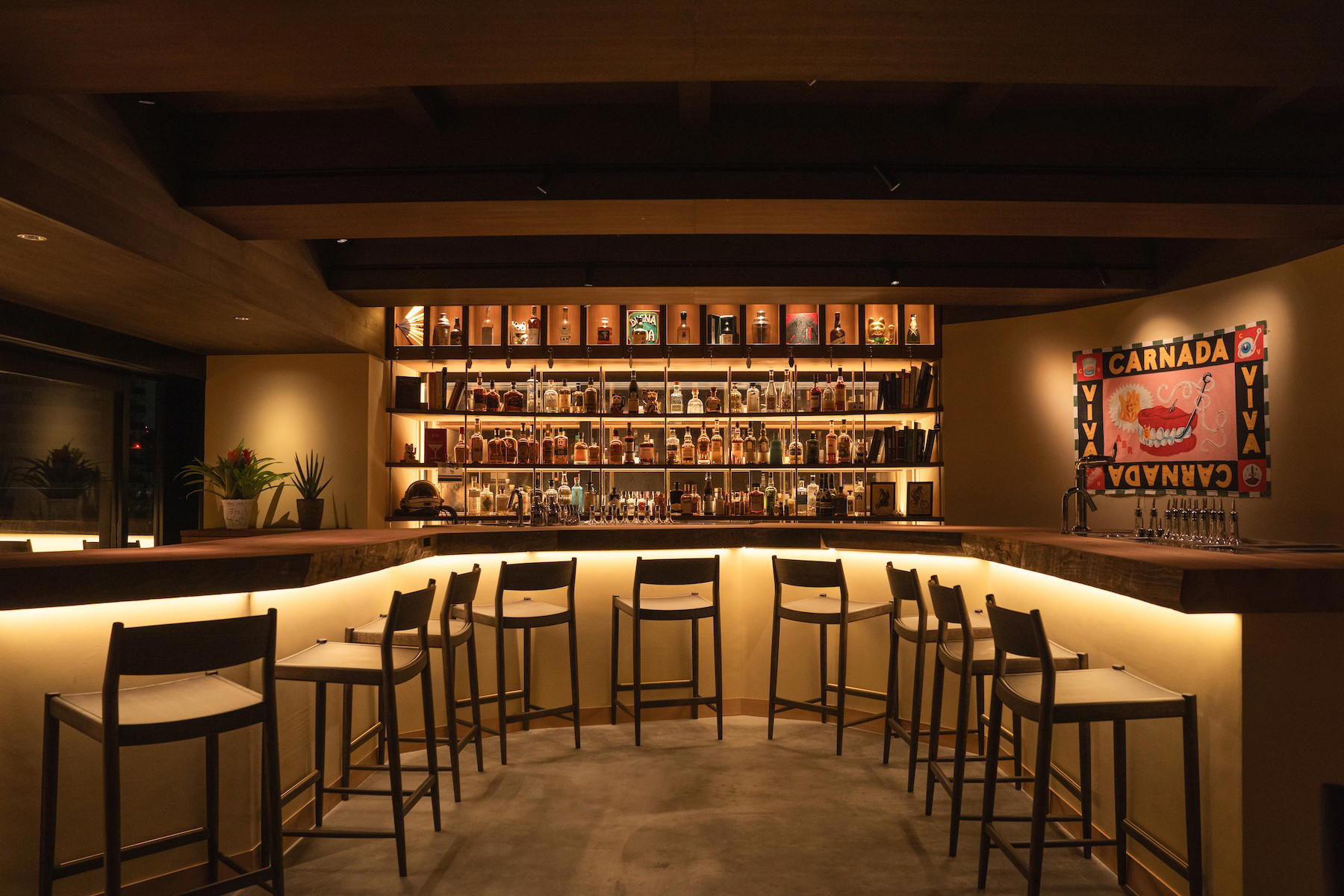
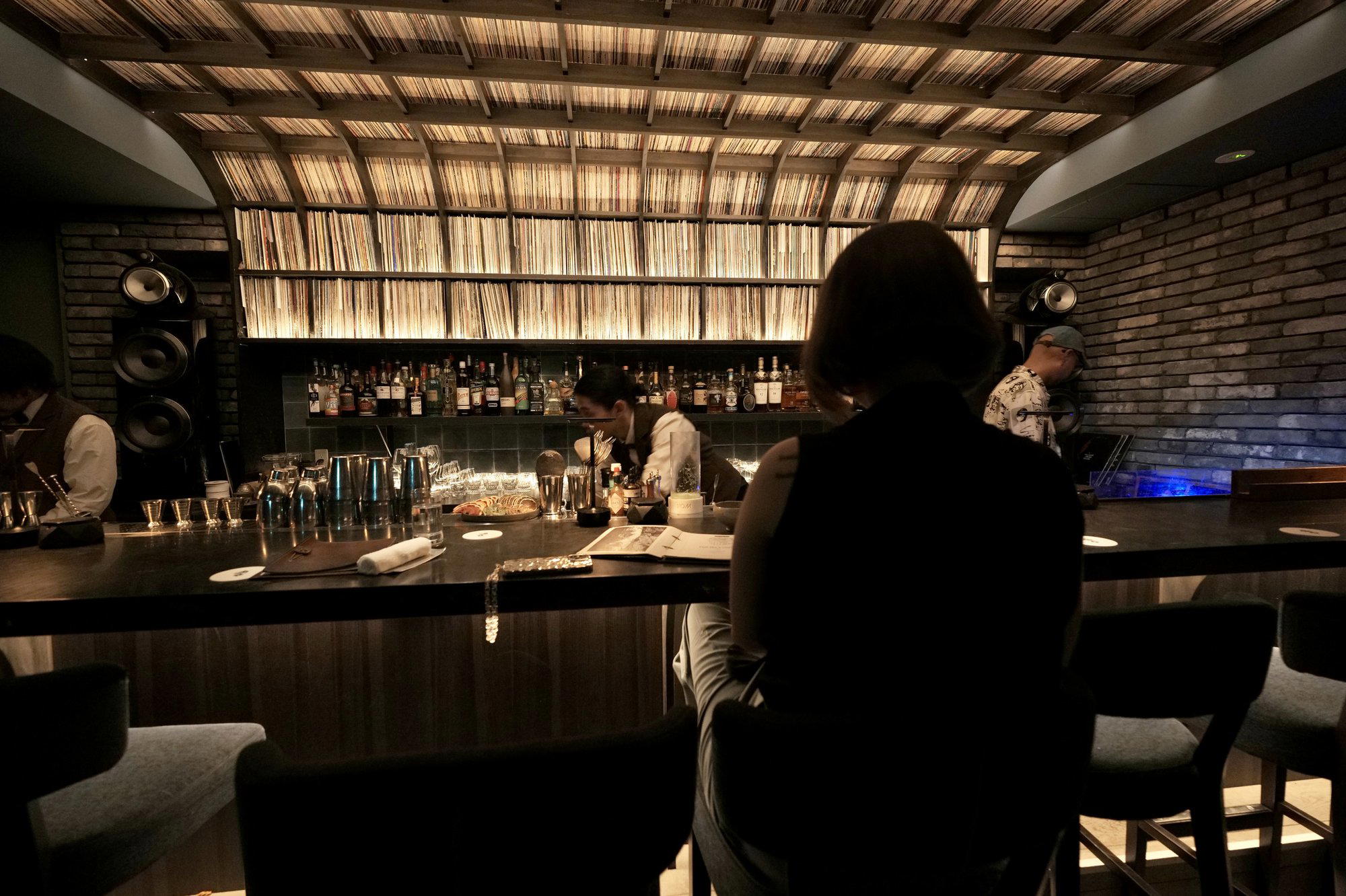
Sleek black surroundings open into a minimalist pure white hinoki counter for just seven guests, creating a refined, intimate atmosphere where guests quietly focus on the chef’s wagyu-driven course.