
Our verdict
Sushi Nakamura in Roppongi has tracked a clear upward trajectory on Opinionated About Dining's Japan rankings, moving from Highly Recommended in 2023 to #294 in 2024 and holding a ranked position in 2025. Chef Masanori Nakamura runs an evening-only counter in Minato City, six nights a week, within a neighbourhood better known for its nightlife than its serious sushi credentials.

Pearl is the En Primeur Club membership app, where members save venues, book tables and use the concierge.
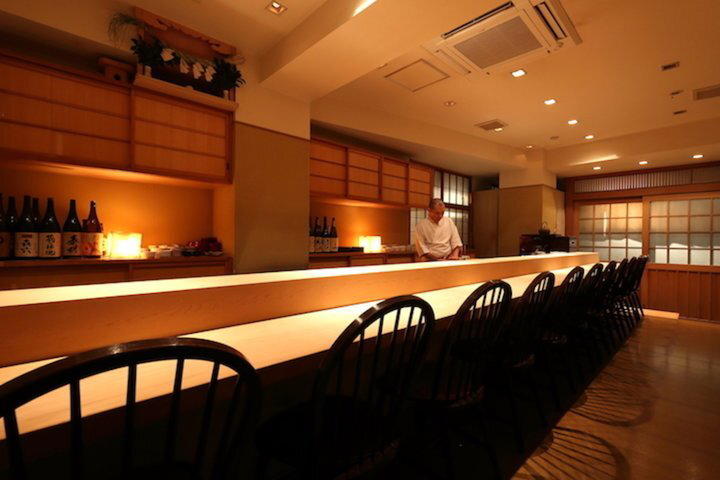
Roppongi's Sushi Counter and the Rankings That Measure Its Rise
Tokyo's omakase economy operates on a well-understood hierarchy. At the apex sit the counters with Michelin stars and decade-long waiting lists. Below that, a larger and more interesting middle tier contains counters that serious critics track closely but that casual visitors rarely reach. Sushi Nakamura sits in that middle tier, in Roppongi's 7-chome address in Minato City, and its three-year trajectory on Opinionated About Dining's Japan rankings tells a story worth understanding.
OAD's Japan list is compiled from the votes of serious diners, critics, and food professionals rather than anonymous inspectors, which makes movement on that list a different kind of signal than a Michelin award. When a counter climbs from Highly Recommended in 2023 to a ranked position at #294 in 2024 and then holds a ranked spot at #359 in 2025, it suggests a consistent performance that has accumulated genuine advocates over time. The slight numerical drop from 2024 to 2025 is less interesting than the sustained recognition itself: three consecutive years on a demanding list, run by a platform that covers more than 400 Japanese restaurants with precision.
What the Roppongi Address Says About the Counter
Roppongi is an unusual postcode for serious sushi. The neighbourhood is associated with Tokyo's nightlife infrastructure, international hotels, and the kind of dining that services corporate entertainment. The area's proximity to Azabu-Juban and Hiroo means it shares a catchment with a more residential, affluent crowd, but Roppongi itself has rarely been the address that serious edomae counters choose. Counters in Ginza, Nihonbashi, or the quieter pockets of Minami-Aoyama tend to carry the stronger critical reputation by neighbourhood association alone.
That Sushi Nakamura has accumulated OAD recognition from a Roppongi address is therefore its own editorial data point. It suggests a counter that earns its reputation through what happens at the counter rather than through the gravity of its postcode. For context, Sukiyabashi Jiro Roppongiten is the most famous Roppongi sushi address internationally, but it operates at a different price tier and carries a different kind of fame. Nakamura exists at a remove from that gravity.
The Evolution of a Counter Over Three Years
The OAD trajectory from 2023 to 2025 maps a counter in a recognisable phase of development. The Highly Recommended designation in 2023 functions on that list as an acknowledgment that a venue is worth attention but hasn't yet accumulated the vote density to rank numerically. The jump to #294 in 2024 represents that threshold being crossed. The 2025 position at #359 reflects a list that has expanded and a competitive field that has tightened, rather than a decline in quality at the counter itself.
This pattern is common in Tokyo's mid-tier omakase scene: a counter builds its reputation gradually, gains critical mass among OAD voters, enters the ranked list, and then stabilises as the competitive set around it densifies. What matters for a reader deciding whether to book is less the absolute number and more the consistency of the signal across years.
For comparison, counters like Harutaka and Sushi Kanesaka operate in the upper tier of Tokyo's omakase rankings with corresponding price points and booking windows. Edomae Sushi Hanabusa represents the tradition-first edomae approach that informs much of what Nakamura's neighbourhood peers are doing.
Format and Service Structure
Sushi Nakamura operates six evenings per week, Monday through Saturday, from 6 to 11 pm, closing on Sundays. The evening-only format is standard for serious Tokyo omakase: daytime sittings at high-end counters are rare, and the 6 pm start accommodates the single long service that the format requires. The five-hour window to 11 pm suggests a single sitting model rather than two-turn scheduling, which is consistent with how mid-to-upper-tier omakase counters in Tokyo structure their evenings.
Chef Masanori Nakamura runs the counter. What matters is that the counter has produced consistent critical recognition under his direction across three OAD cycles.
Within Tokyo's broader omakase peer group, Nakamura sits in the same critical neighbourhood as Hiroo Ishizaka, another Minato-area counter that OAD tracks in a similar tier. The concentration of serious counters in Minato City reflects the district's dense population of affluent residents and corporate entertainment budgets, though individual counters within it compete for a different mix of clientele depending on their address specifics.
Tokyo in a Wider Japan Context
Sushi Nakamura is one data point in a Tokyo omakase scene that remains the most competitive concentration of high-end sushi counters anywhere. OAD's Japan list for 2025 contains entries from across the country, and readers planning itineraries around fine dining should note that the top-ranked Japanese restaurants extend well beyond Tokyo. HAJIME in Osaka, Gion Sasaki in Kyoto, and akordu in Nara each operate in different culinary traditions and at different price points. Goh in Fukuoka and 1000 in Yokohama extend the map further, while 6 in Okinawa represents what serious dining looks like at Japan's southern edge.
For readers whose primary frame of reference is sushi outside Japan, the comparison counters are instructive: Sushi Shikon in Hong Kong and Shoukouwa in Singapore both carry Michelin recognition and operate at the premium end of their respective markets. Nakamura at #359 on OAD Japan sits in a competitive tier that, transplanted to any other Asian city, would likely represent the best of the local rankings.
For a full map of Tokyo's dining options across cuisine types and price tiers, see our full Tokyo restaurants guide. For planning across hotels, bars, and experiences in the city, our guides to Tokyo hotels, Tokyo bars, and Tokyo experiences cover the broader picture.
Planning Your Visit
Sushi Nakamura is open Monday through Saturday, evenings only, from 6 to 11 pm. The counter is located at 7 Chome-17-16 Roppongi, Minato City, Tokyo.
Quick reference:
Frequently asked questions
Where exactly is Sushi Nakamura?
Sushi Nakamura is located at 7 Chome-17-16 Roppongi, Minato City, Tokyo 106-0032, Japan, Tokyo.
What are Sushi Nakamura's hours?
Hours at Sushi Nakamura: Hours: Monday 6–11 pm Tuesday 6–11 pm Wednesday 6–11 pm Thursday 6–11 pm Friday 6–11 pm Saturday 6–11 pm Sunday Closed.
Does Sushi Nakamura have a Michelin star or similar recognition?
Sushi Nakamura has received recognition including: Opinionated About Dining Top Restaurants in Japan Ranked #359 (2025); Opinionated About Dining Top Restaurants in Japan Ranked #294 (2024); Opinionated About Dining Top Restaurants in Japan Highly Recommended (2023).
What's the best thing to order at Sushi Nakamura?
Sushi Nakamura operates as an omakase counter, so the chef, Masanori Nakamura, sets the menu entirely. There is no à la carte selection. The sequence follows seasonal market availability, which is standard for counters at this level of the OAD rankings, where Nakamura has climbed from Highly Recommended in 2023 to #294 in Japan for 2024.
A Pricing-First Comparison
| Venue | Cuisine | Price | Awards | Notes |
|---|---|---|---|---|
| Sushi NakamuraThis venue (the venue you are viewing) | Edomae Omakase Sushi | $200–300 | Not listed | Not listed |
| Harutaka | Edo-Style Omakase Sushi | $200–300 | 3 Michelin Stars · World's 50 Best #76 | Sushi |
| RyuGin | Modern Kaiseki | $500+ | 3 Michelin Stars · World's 50 Best #41 | Kaiseki, Japanese |
| L'Effervescence | Modern French with Japanese Influences | $200–300 | 3 Michelin Stars · World's 50 Best #69 | French |
| HOMMAGE | Modern French with Japanese Influences | $150–200 | 2 Michelin Stars · World's 50 Best #78 | Innovtive French, French |
| MAZ | Innovative Peruvian-Japanese Fusion | $150–200 | 2 Michelin Stars · World's 50 Best #28 | Innovative |
Recognition history
Dated appearances from independent guides and award organizations, with the underlying list record or original source where available.
Opinionated About Dining Top Restaurants in Japan Recommended
Opinionated About Dining
Full recognition history (4 entries)
Opinionated About Dining Top Restaurants in Japan Ranked #359
Opinionated About Dining
Opinionated About Dining Top Restaurants in Japan Ranked #294
Opinionated About Dining
Opinionated About Dining Top Restaurants in Japan Highly Recommended
Opinionated About Dining
Continue exploring
More in Tokyo
Restaurants in Tokyo
All restaurants in Tokyo →

Bars in Tokyo
All bars in Tokyo →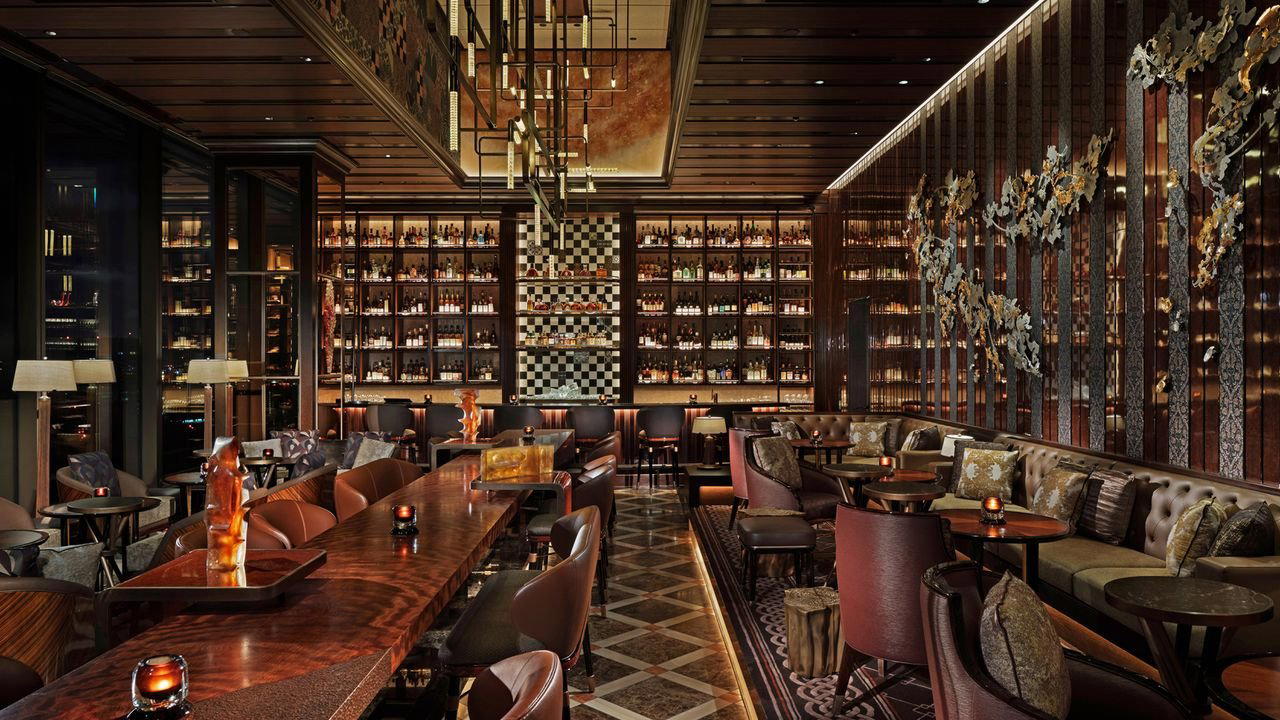






Details
- Intimate
- Elegant
- Sophisticated
- Special Occasion
- Date Night
- Chefs Counter
- Sake Program
- Omakase
- Counter Dining
- Sake
Current opening hours
- Monday
- 6–11 PM
- Tuesday
- 6–11 PM
- Wednesday
- 6–11 PM
- Thursday
- 6–11 PM
- Friday
- 6–11 PM
- Saturday
- 6–11 PM
- Sunday
- Closed
Hours can change for holidays and private events. Hours as of .
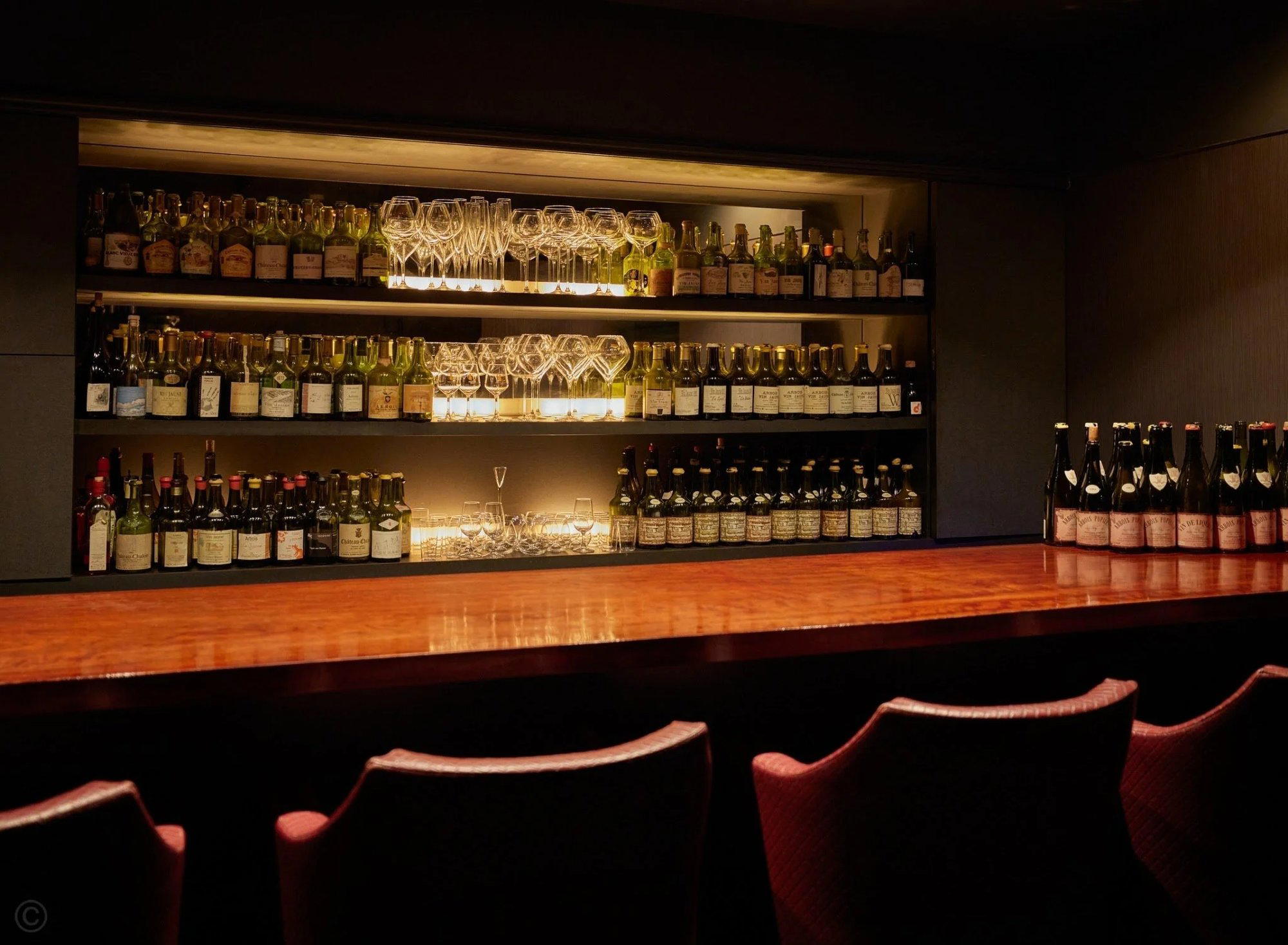
Reverent and relaxed atmosphere with warm lighting, focused on the artistry of sushi chefs at the counter.