Sushi Mitani occupies a quiet address in Yotsuya, Shinjuku-ku, where the omakase tradition runs without concession to trend or theatre. The counter format and neighbourhood location place it outside the Ginza circuit, making it a reference point for those tracking Tokyo sushi beyond the obvious coordinates. Booking well in advance is standard practice for counters at this level.

Pearl is the En Primeur Club membership app — saves, bookings, and concierge access live there. Same editors, same standards.
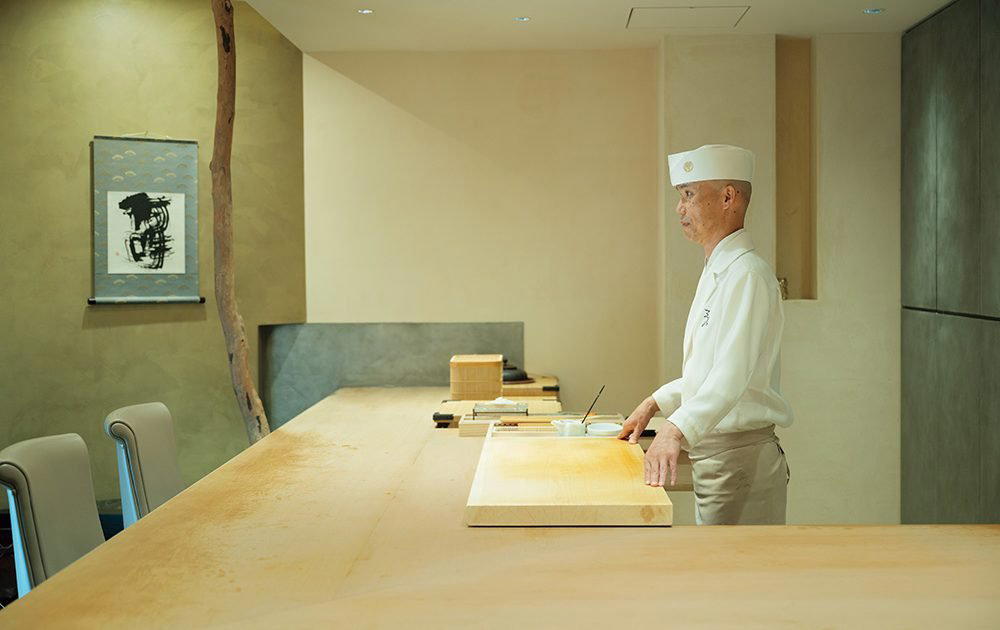
Yotsuya and the Counter Outside the Ginza Circuit
Tokyo's premium omakase scene is often mapped through Ginza, where high rents, international foot traffic, and Michelin attention have concentrated particularly visible names. But a parallel tier of serious counters operates in quieter residential and mixed-use neighbourhoods, where the absence of a luxury shopping district outside the door tends to focus attention on what happens at the hinoki wood rather than around it. Yotsuya, in Shinjuku-ku, belongs to that second geography. The address at 四谷1-22-1 sits in a part of the city that moves at a different register from the department-store blocks of central Tokyo, and Sushi Mitani (鮨 三谷) is one of the reasons serious diners make the trip to this part of Shinjuku-ku.
Among Tokyo's reference-point sushi counters, the neighbourhood location is itself editorial information. Counters that survive and build reputation outside Ginza do so on the strength of the fish and the sequence, not on ambient foot traffic or hotel concierge relationships. That structural fact shapes what you should expect before you arrive: this is not a venue that performs for first-time visitors to Japan. It is a counter where the craft is assumed to be the point, and where the regulars who fill the seats have already made that calculation. For those building a broader picture of Tokyo's fine dining range, our full Tokyo restaurants guide maps the city across cuisine types and price tiers.
The Lunch and Dinner Divide at a Counter Like This
At high-end omakase counters in Tokyo, the split between lunch and dinner service is rarely just a scheduling detail. It is a structural difference in what the experience delivers and what it costs. Dinner at counters of this standing typically runs longer, draws on the full range of the kitchen's aged and seasonal material, and carries the higher price point that makes the economics of premium fish purchasing possible. The atmosphere shifts accordingly: lunch tends to feel more compressed, sometimes more accessible, with a version of the sequence that covers the essential arc without the full ceremony of an evening sitting.
For a counter in Yotsuya rather than Ginza, lunch service also serves a different social function. It draws a local professional clientele alongside dedicated food travellers who time their day around a single counter rather than building a restaurant marathon. The relative quiet of a neighbourhood like Yotsuya at midday reinforces this: there is no street-level energy competing with what is happening inside, which is its own form of editorial atmosphere. The lunch-to-dinner gap at Sushi Mitani follows the structural logic of the counter format across the category.
Dinner at counters of this type draws a different crowd, and often a different energy. In Tokyo's omakase culture, evening sittings carry a formality that is less about dress code than about pace: the chef sets the rhythm, the sequence lengthens, and the sake or wine program (where available) becomes part of the conversation. For comparison across format types and price points, Harutaka in Tokyo represents the upper tier of the Ginza omakase circuit, while RyuGin shows how kaiseki handles the same lunch-to-dinner structural question through a different culinary tradition.
Placing Sushi Mitani in the Tokyo Sushi Conversation
Tokyo's sushi landscape splits, broadly, into three operational tiers: the internationally recognised counters with multi-year wait lists and Michelin recognition at the leading; a mid-premium tier of serious counters with strong local followings and shorter but still real booking lead times; and the accessible neighbourhood sushi that serves a different purpose entirely. Sushi Mitani sits in the conversation around the first two of those tiers, with a Yotsuya address that keeps it slightly below the radar of first-time visitors working from standard hotel concierge lists, but well within the awareness of Tokyo food specialists and repeat visitors who have moved beyond particularly obvious names.
That positioning has value. Counters that operate at high quality without the full weight of international media attention tend to maintain a regulars-first booking culture, which in practice means the experience feels less managed and more direct than at venues that have optimised for international guests. For those tracking premium Japanese dining outside Tokyo, the same structural dynamic appears in different forms at Gion Sasaki in Kyoto and HAJIME in Osaka, where local reputation and international recognition have reached different equilibrium points.
French fine dining in Tokyo provides a useful comparison for understanding how the omakase counter positions itself on value. Venues like L'Effervescence and Sézanne operate at comparable price points to upper-tier sushi counters and serve an overlapping clientele, but the category logic is different: French fine dining in Tokyo competes on chef biography and culinary concept, while omakase counters compete on fish sourcing, knife work, and sequence construction. Crony represents a third model, where the innovative French category operates at a slightly lower price tier with a different value proposition. Understanding where Sushi Mitani sits relative to these alternatives helps frame the decision for visitors who have one or two high-commitment meals to allocate across a Tokyo trip.
For those extending the Japan trip beyond Tokyo, comparable counter-format experiences at different points on the culinary spectrum include Goh in Fukuoka and akordu in Nara. Further afield, 一本杉 川嶋 in Nanao and 古川 山之 in Sapporo show how counter-format dining operates in smaller Japanese cities where the competitive set and booking culture differ considerably from Tokyo. Regional contrast is also available at 湖畔荘 in Takashima and 広羽屋 in Nishikawa Machi. For those comparing omakase to other counter formats internationally, Le Bernardin in New York City and Atomix in New York City represent how tasting-menu precision translates in a different market context.
Planning a Visit: What to Know Before You Book
Yotsuya is accessible by subway, sitting between the JR Sobu Line and Tokyo Metro Marunouchi Line, which makes logistics direct from most central Tokyo hotel locations. The neighbourhood itself is quiet by central Tokyo standards, and the area around 四谷1-22-1 does not have the density of adjacent dining options that you would find in Shinjuku or Ginza, which is relevant if you are planning an evening that extends beyond a single booking.
Booking lead time at counters of this type in Tokyo typically runs from several weeks to several months depending on season and day of week. Weekend dinner sittings at reference-point counters fill faster than weekday lunch, which is a consistent pattern across the category. For visitors with limited flexibility in their Tokyo schedule, prioritising a weekday lunch sitting, if available, is often one practical approach to accessing counters of this standing. Birdland in Sakai and Bistro Ange in Toyohashi illustrate how different regional markets handle booking access and lead times at the premium end of their respective scenes.
Quick reference: Sushi Mitani (鮨 三谷) | 四谷1-22-1, 新宿区, 東京都, 160-0004 | Omakase counter format | Yotsuya, Shinjuku-ku, Tokyo | Book well in advance; weekday lunch sittings typically have shorter lead times than weekend dinner.
What It’s Closest To
Comparable venues nearby, for context on price, style, and recognition.
| Venue | Cuisine | Price | Notes |
|---|---|---|---|
| Sushi Mitani (鮨 三谷)This venue — the venue you are viewing | Edomae-style Omakase | $$$$ | Not listed |
| Ginza Yonemura | Edo Ryori Kaiseki | $$$$ | Chūō |
| 京懐石 みのきち | Kyoto Kaiseki | $$$$ | Shinjuku |
| Ningyocho Imahan Toukyou gaaden terasu kioichou ten | Traditional Wagyu Sukiyaki & Shabu-shabu | $$$$ | Chiyoda |
| 鮨 和美 | Edomae Omakase | $$$$ | Minato |
| Takahara Kiyosumi | Kyoto-style Kaiseki | $$$$ | Kōtō |







At a Glance
- Intimate
- Elegant
- Sophisticated
- Classic
- Special Occasion
- Date Night
- Chefs Counter
- Sake Program
- Sustainable Seafood
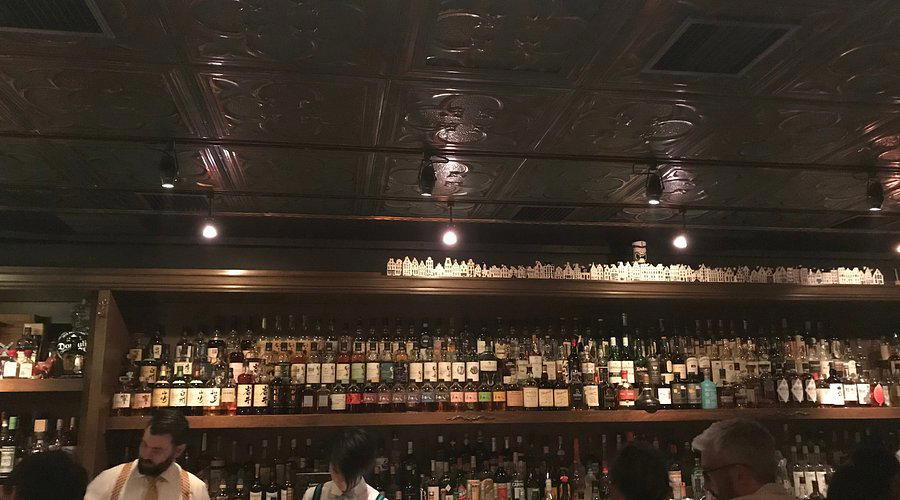
Intimate 6-8 seat counter with focused, serene atmosphere centered on the chef's craft and seasonal delicacies.