Occupying the second floor of the Shinjuku Sumitomo Building, 京懐石 みのきち brings the kaiseki tradition into one of Tokyo's most transit-dense commercial districts. The format positions it within a tier of Kyoto-rooted dining houses that have taken root in the capital, where seasonal discipline and ingredient sourcing carry as much weight as technique. For visitors calibrating Tokyo's kaiseki scene, it offers a reference point distinct from the Roppongi or Ginza circuits.
Pearl is the En Primeur Club membership app — saves, bookings, and concierge access live there. Same editors, same standards.
- Address
- Japan, 〒163-0202 Tokyo, Shinjuku City, Nishishinjuku, 2 Chome−6−1 Shinjuku Sumitomo bldg., 2F
- Phone
- +81333462531
- Website
- minokichi.co.jp
- Directions
- Get directions
 Saves & bookings on Pearl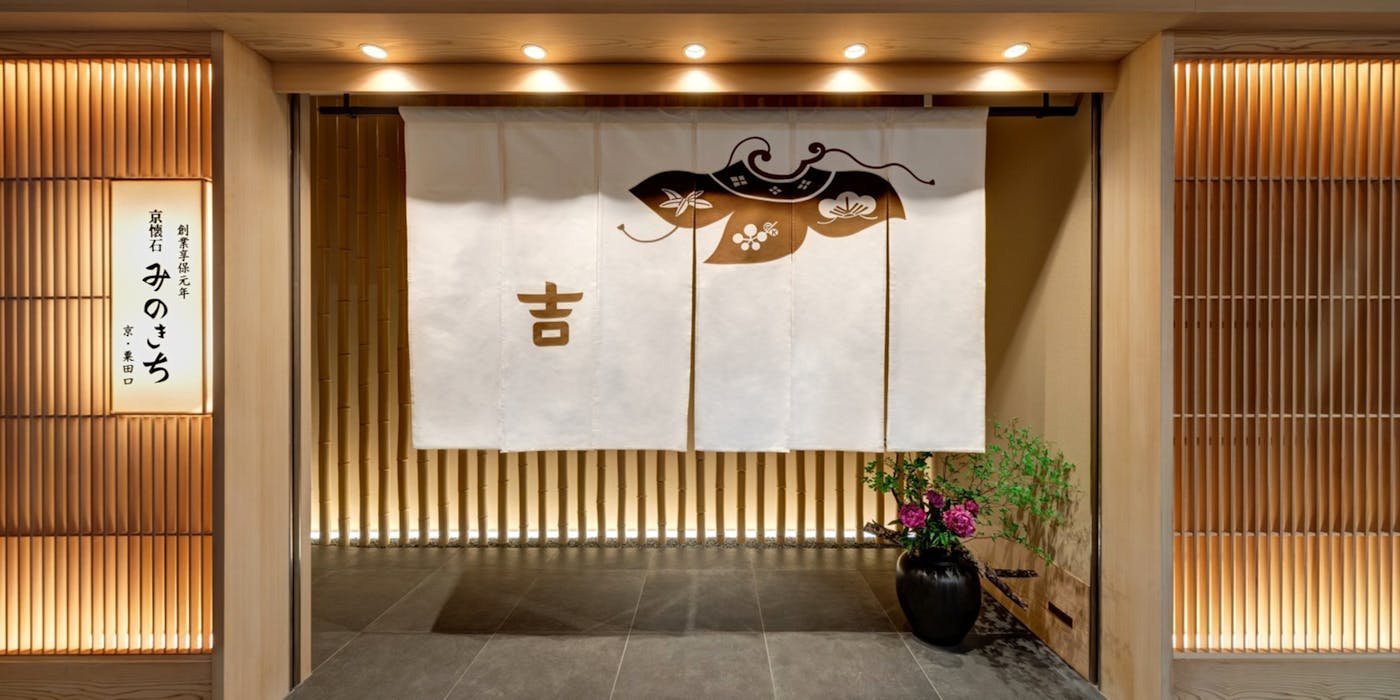
Kaiseki in the Shadow of Shinjuku's Towers
The kaiseki format has always carried an implicit argument about restraint: that a sequence of small, precisely sourced courses can say more about a season than any single showpiece dish. In Tokyo, that argument plays out across a fragmented field. The high-concentration venues in Ginza and Roppongi, places like RyuGin, operate with international critical attention. A separate tier exists in less obvious districts, where kaiseki houses serve a local professional clientele with less fanfare and, often, a more deliberate commitment to the sourcing disciplines the format demands. 京懐石 みのきち, located on the second floor of the Shinjuku Sumitomo Building in Nishishinjuku, is a Kyoto kaiseki restaurant in Tokyo with.
The Shinjuku Sumitomo Address: What It Signals
Commercial towers are not the obvious home for kaiseki. The Shinjuku Sumitomo Building, completed in 1974, is a landmark of the Nishishinjuku skyscraper cluster that reshaped western Shinjuku over the following decades. Restaurants operating at this address serve a predictable weekday clientele of office workers and business diners, which shapes both format and pacing. Kaiseki in this context functions differently from the destination pilgrimage model of Kyoto's machiya houses or the performance-facing counters of Ginza. It becomes more transactional in scheduling terms, but that pressure can also sharpen a kitchen's efficiency without compromising the seasonal logic the cuisine depends on.
The Sustainability Logic Embedded in Kaiseki
Kaiseki has long been built around seasonal sourcing. The cuisine's seasonal sequencing, spring shoots, summer ayu, autumn matsutake, winter crab, is not decorative. It reflects a sourcing discipline where ingredients are used at peak availability, reducing the cost and carbon footprint of out-of-season procurement. Waste reduction is similarly structural: the multi-course format parcels proteins and vegetables across several small preparations, extracting maximum use from single ingredients across a meal. A single piece of fish might appear as a raw slice in one course and as a simmered piece in a subsequent nimono, with the bones used for stock.
That internal logic places kaiseki restaurants in a different category from venues that have recently adopted sustainability framing as a marketing layer. The seasonal sourcing at a kaiseki house is reflected in the menu. Diners comparing kaiseki to French tasting-menu formats at venues like L'Effervescence or Sézanne will find that the kaiseki model embeds seasonal rotation more rigidly, because the cuisine's historical identity depends on it.
Where 京懐石 みのきち Sits in Tokyo's Kaiseki Field
Tokyo's kaiseki field ranges from three-Michelin-star counters with multi-month waiting lists to neighbourhood restaurants where the format is adapted to shorter meal times and more accessible price points. The middle tier is where many Tokyo residents who eat kaiseki regularly dine. A kaiseki house in a commercial tower in Shinjuku is calibrated for that middle tier: accessible enough to serve business lunches, structured enough to maintain the seasonal discipline the cuisine requires.
For context, the Kyoto kaiseki tradition has extended into Tokyo through multiple channels over the past three decades. Gion Sasaki in Kyoto represents the source tradition at its highest expression. Tokyo venues in the same lineage, or drawing from the same ingredient networks and seasonal logic, constitute a distinct dining circuit from the French-influenced or sushi-focused fine dining that dominates international coverage of the city. The kaiseki restaurants of Osaka, such as HAJIME, show how the format adapts to different urban characters; Tokyo versions tend toward efficiency without fully abandoning the contemplative pacing the cuisine demands.
Ingredient Networks Across Japan
Kaiseki's sourcing geography extends far beyond Tokyo. Seasonal fish from the Japan Sea coast, rice from Niigata, yuzu from Kochi, vegetables from Kyoto's traditional farming villages, these ingredient networks connect urban restaurants to rural producers in ways that most cuisines do not. Restaurants in less-documented regions, including 餐所 能川制 in Nanao on the Noto Peninsula or 湖畔庵笹 in Takashima near Lake Biwa, sit directly inside these supply chains, sourcing from adjacent producers with minimal transport distance. Urban kaiseki restaurants like those in Shinjuku depend on the same networks but add a logistics layer. The integrity of that chain is what separates genuinely seasonal kaiseki from restaurants using the format as a template without its sourcing commitments.
This supply geography also explains why Japan's kaiseki scene rewards regional exploration. Venues in Sapporo, such as 古代山乃 in Sapporo, source from Hokkaido's distinctive cold-water fisheries and northern produce, producing a kaiseki idiom that reads differently from its Kyoto or Tokyo counterparts. The format is shared; the ingredients and seasonal calendar shift by latitude.
Comparing Formats Across Tokyo's Fine Dining Spectrum
Diners building a Tokyo itinerary around kaiseki will find that the cuisine sits in a different register from the capital's French or innovative restaurants. Crony and the broader innovative French tier operate with a different relationship to ingredient seasonality, one that is deliberate but not structurally mandated by the cuisine's identity. Sushi counters such as Harutaka share kaiseki's emphasis on pristine sourcing but compress the format into fish-focused sequences without the vegetable and simmered-course architecture. Kaiseki's multi-element structure, sakizuke, hassun, yakimono, takiawase, shokuji, gives it a different pacing and a different set of sourcing demands. For venues like 京懐石 みのきち, operating that structure in a Shinjuku commercial setting means adapting timing while maintaining the seasonal sequence that defines the format. Our full Tokyo restaurants guide maps these different dining circuits across the city's districts.
For comparative reference elsewhere in Japan, Goh in Fukuoka and akordu in Nara demonstrate how fine dining adapts to smaller urban markets with different ingredient access and a different pace of international visitor traffic. The Tokyo kaiseki tier that 京懐石 みのきち occupies sits between those regional expressions and the internationally benchmarked counters of Ginza.
Planning a Visit
The Shinjuku Sumitomo Building is a short walk from Shinjuku Station's west exit, making this one of the more transit-accessible kaiseki addresses in Tokyo. Business lunch periods and early evening services typically see the highest demand from the local office clientele. The restaurant is open Mon through Fri from 11:30 AM to 3 PM and 5 PM to 10 PM, and Sat through Sun from 11 AM to 10 PM. Reservations are essential.
Quick reference: Shinjuku Sumitomo Building 2F, Nishishinjuku, Shinjuku City, Tokyo.
How It Stacks Up
Comparable venues nearby, for context on price, style, and recognition.
| Venue | Cuisine | Price | Notes |
|---|---|---|---|
| 京懐石 みのきちThis venue — the venue you are viewing | Kyoto Kaiseki | $$$$ | Not listed |
| すし匠 | Edomae Omakase Sushi | $$$$ | Shinjuku |
| Torisawa 22 | Yakitori Omakase | $$$$ | Minato |
| Mudai | Japanese Omakase / Kaiseki | $$$$ | Minato |
| TEPPANYAKI SOUTHERN | Teppanyaki Steakhouse | $$$$ | Shinagawa |
| Ginza Kudo | Seasonal Japanese Kaiseki | $$$$ | Chūō |













At a Glance
- Elegant
- Sophisticated
- Classic
- Intimate
- Special Occasion
- Business Dinner
- Date Night
- Private Dining
- Sake Program
- Skyline
Current opening hours
- Monday
- 11:30 AM–3 PM, 5–10 PM
- Tuesday
- 11:30 AM–3 PM, 5–10 PM
- Wednesday
- 11:30 AM–3 PM, 5–10 PM
- Thursday
- 11:30 AM–3 PM, 5–10 PM
- Friday
- 11:30 AM–3 PM, 5–10 PM
- Saturday
- 11 AM–10 PM
- Sunday
- 11 AM–10 PM
Hours can change for holidays and private events. Last verified .
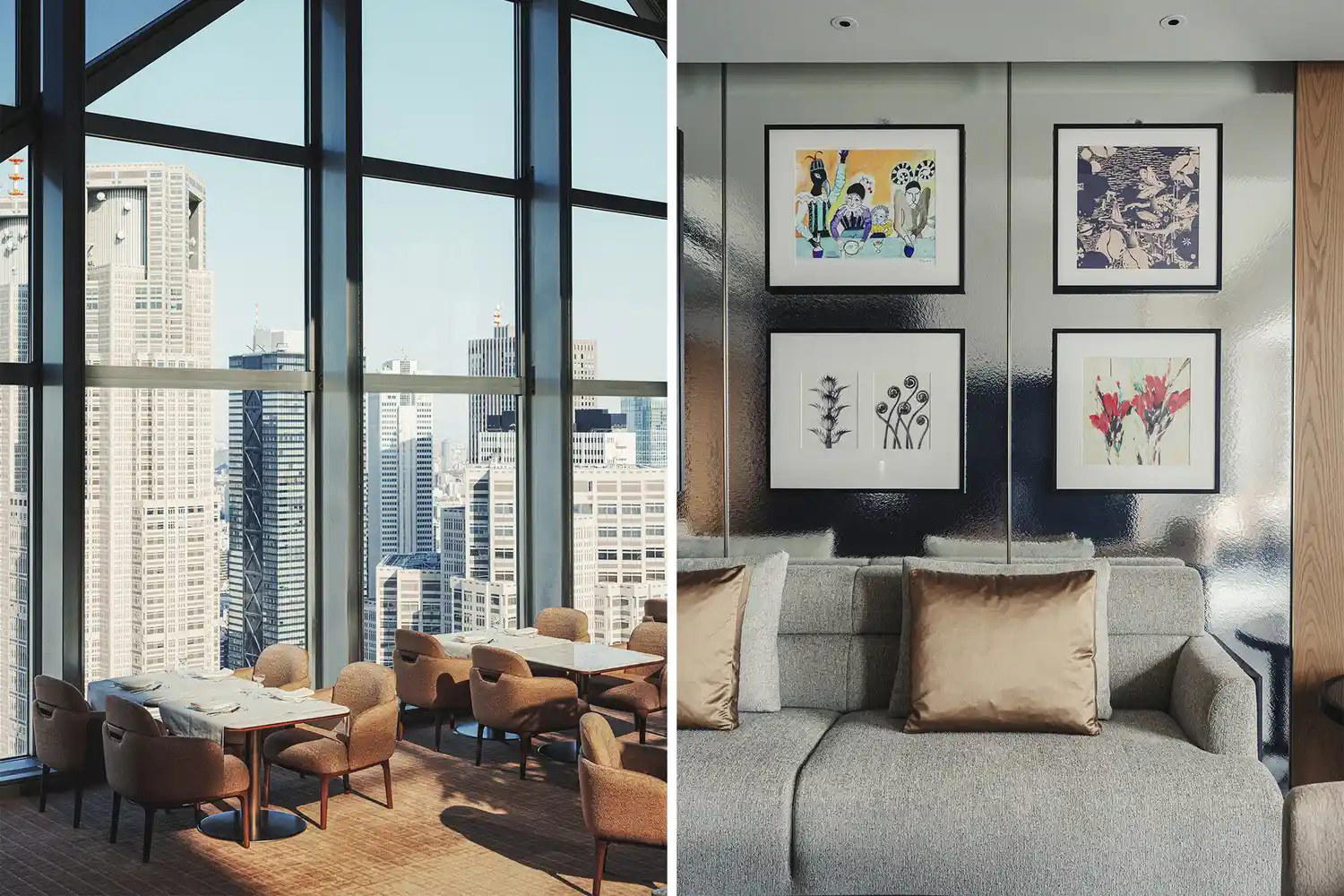
Refined Japanese atmosphere with private spaces, emphasizing elegant hospitality and visual beauty of dishes.