
Tokyo’s sukiyaki and shabu shabu culture rewards coordination as much as luxury beef: the pacing of the pot, the drinks, and the room determine the meal. Ningyocho Imahan Toukyou gaaden terasu kioichou ten brings that formal hot-pot tradition to Kioicho, with private rooms, a 42-seat scale, and selection for Tabelog 100 - Hot Pot - 2024.
Pearl is the En Primeur Club membership app — saves, bookings, and concierge access live there. Same editors, same standards.
- Address
- Japan, 〒102-0094 Tokyo, Chiyoda City, Kioicho, 1−3 東京ガーデンテラス 紀尾井テラス 3F
- Phone
- +81 3-3237-5800
- Website
- restaurant.imahan.com
- Directions
- Get directions
 Saves & bookings on Pearl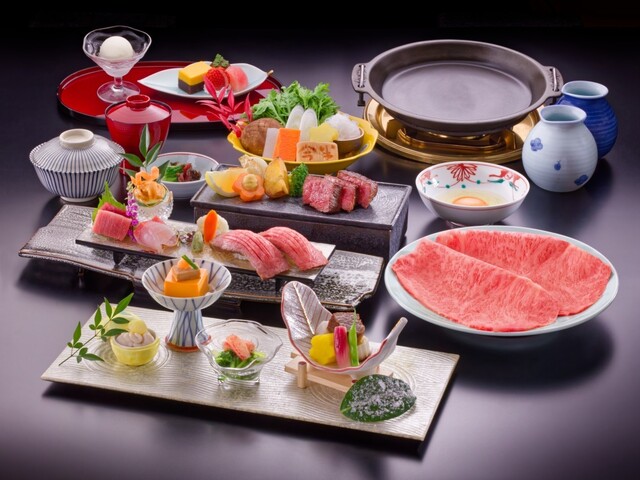
Kioicho changes register quickly: office towers, hotel lobbies, political Tokyo, and the planted calm around Tokyo Garden Terrace. Inside that setting, hot pot reads less like a casual winter fix and more like a managed performance. Sukiyaki and shabu shabu depend on timing, heat, table service, and the rhythm between dining room and kitchen; a good room keeps the pot moving without turning the meal into instruction.
Ningyocho Imahan Toukyou gaaden terasu kioichou ten sits in that formal lane. Its selection for Tabelog 100 - Hot Pot - 2024 places it within a competitive Tokyo category where beef quality alone is not enough. The more telling signal is format: sukiyaki and shabu shabu in a calm, private-room-led setting, with sake, shochu, and wine available rather than a drinks list treated as an afterthought.
Kioicho hot pot is built for pacing, privacy, and ceremony
Tokyo has many ways to eat beef, from counter grilling to kappo-style courses, but sukiyaki and shabu shabu occupy a different social role. The table is the stage; the meal needs conversation space, controlled heat, and service that knows when to intervene. That makes Kioicho a logical address. The district is close to Akasaka and Nagatacho, areas where business meals, family gatherings, and celebrations often require a dining room with more composure than theatre.
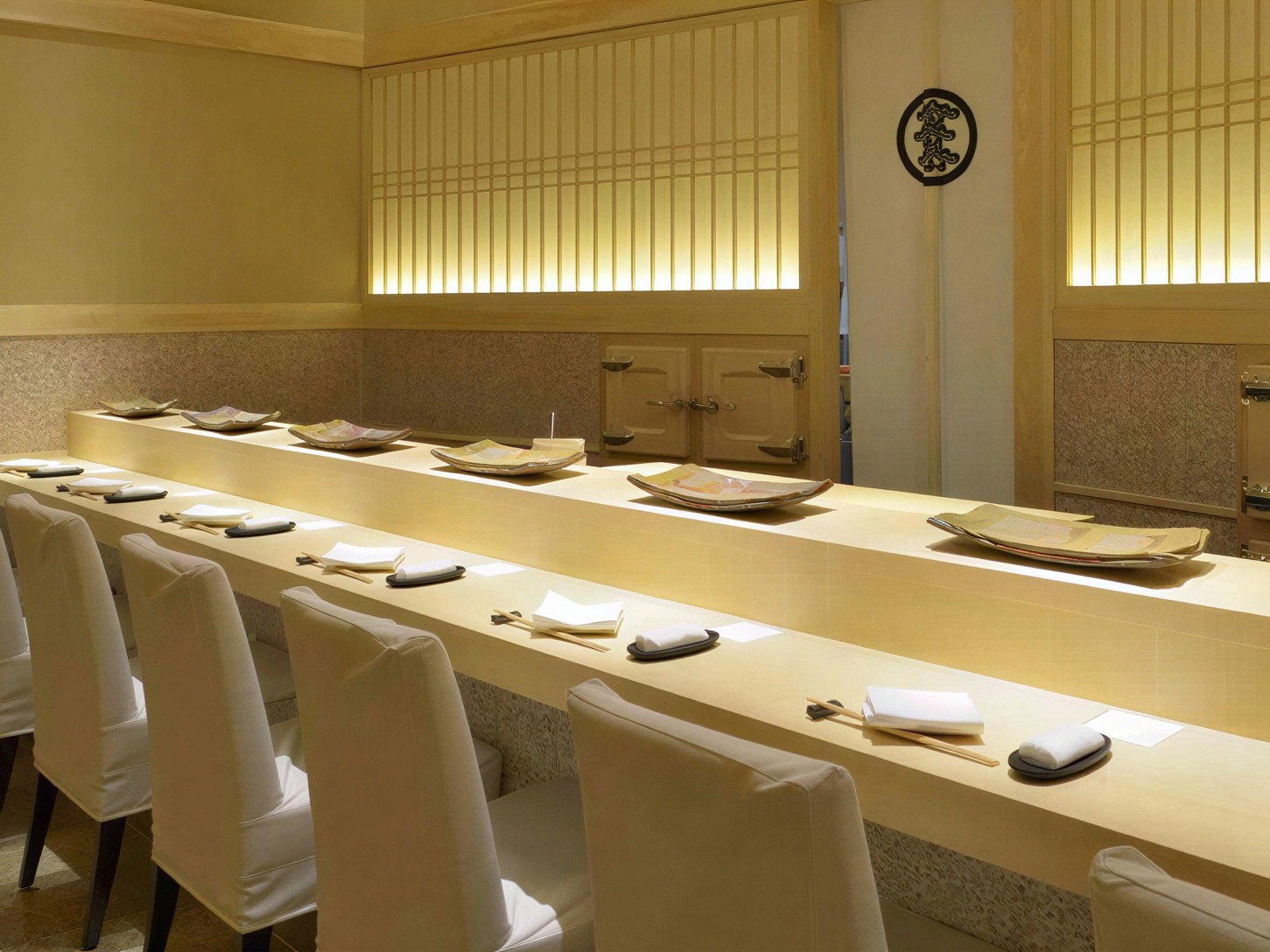
The 42-seat scale matters here. It is large enough to function for groups, yet small enough that service can stay close to the table. Private rooms are available, and that detail changes the restaurant’s usefulness: sukiyaki and shabu shabu are communal by design, but privacy makes them viable for client dinners, multi-generation meals, and occasions where the conversation matters as much as the cooking.
The menu’s central idea is the contrast between two canonical beef formats. Sukiyaki brings sweetness and soy-driven depth; shabu shabu is cleaner, built around broth, dipping, and restraint. Tokyo diners often choose between richness and clarity when choosing a hot-pot house. This address keeps both options in play, which makes it more flexible than a single-format specialist.
The strongest signal is the room-service triangle
Assigned interest here is not a chef biography; no chef-driven narrative is needed for this category to make sense. In formal hot pot, the working triangle is broader: kitchen, drinks, and front-of-house have to stay aligned. The kitchen sets the beef and accompaniments; the drinks program gives structure beyond tea and beer; the room manages pacing, privacy, and the small moments of table guidance that define sukiyaki and shabu shabu.
That collaboration is why awards in this category can be more revealing than in flashier formats. Tabelog’s Hot Pot 100 selection is not a Michelin-style hierarchy, but it does identify restaurants that Japanese diners take seriously within sukiyaki and shabu shabu. A 2024 inclusion, paired with a Tabelog score of 3.61, signals a venue operating inside Tokyo’s recognized hot-pot conversation rather than the generic mall-restaurant tier.
Comparison helps clarify the position. Within Tokyo Garden Terrace and nearby Kioicho, Kioicho Mitani speaks to the area’s high-end sushi audience, while MAZ brings a different, innovation-led tasting-menu logic. Kitano Arms Lounge and Tea Lounge Kafu occupy more relaxed, bistro-style territory, and Eric South Toukyou gaaden terasu ten works at a lower everyday price band. Against that set, this restaurant’s function is specific: formal Japanese beef hot pot with private-room utility.
Price also defines the decision. Dinner sits in the JPY 10,000 to JPY 14,999 range, while lunch is listed at JPY 6,000 to JPY 7,999. That spread makes lunch the sharper entry point for diners who want the format without committing to a full evening occasion. Dinner makes more sense when privacy, drinks, and ceremony are part of the brief.
Where it fits in a Tokyo dining itinerary
For visitors planning Tokyo around genre rather than neighbourhood, this is a useful counterweight to sushi counters, yakitori, ramen, and modern tasting menus. Hot pot is not about speed or novelty. It rewards a table that wants structure and shared rhythm. The non-smoking policy, children-welcome positioning, kids menu, parking availability, and private-use option widen its practical range without making the room feel casual in the Western sense.
The restaurant opened in 2016, which places it in the newer wave of polished dining inside mixed-use Tokyo developments rather than the older standalone sukiyaki houses of Nihonbashi or Asakusa. That distinction matters. Tokyo Garden Terrace gives the meal access, cleanliness, and predictable service infrastructure; the trade-off is less old-city texture. For a business dinner or family celebration, that trade-off is often the point.
KAGURAZAKA (Yakitori), 3 Chome no Curry Ya San, 12/10 Shinjuku ten, . 鮪と炭火焼き うお炭 秋葉原店, and 2D Cafe. For wider trip planning, use Our full Tokyo hotels guide, Our full Tokyo bars guide, Our full Tokyo wineries guide, and Our full Tokyo experiences guide.
For comparisons beyond central Tokyo, the Japanese beef and comfort-food thread runs through -Grilled beef Sukiyaki- KAMAKURA TANUKIAN 鎌倉 たぬき庵 in Kamakura, while broader Japan dining references include.cafe in Osaka.know in Kumamoto, (Shoku) Vietnam in Kawasaki, [Curry Senmon Ten] Maruyama Kyoju. in Sapporo, and [ki:] in Kyoto. Outside Japan, Jōdo Saké Bar in Los Angeles and Onigiri Time in Pasadena show how Japanese formats shift when translated for American dining rooms.
City Peers
Comparable venues to calibrate price, style, and recognition.
| Venue | Cuisine | Price | Notes |
|---|---|---|---|
| Ningyocho Imahan Toukyou gaaden terasu kioichou tenThis venue — the venue you are viewing | Traditional Wagyu Sukiyaki & Shabu-shabu | $$$$ | Not listed |
| 福鮨 | Hokkaido-style Omakase Sushi | $$$$ | Minato |
| Namba | Modern Edomae Omakase | $$$$ | Chiyoda |
| Mitate Soba | Handmade Soba | $$$$ | Minato |
| es | Modern Japanese Fine Dining | $$$$ | Minato |
| くろ﨑 | Modern Edomae Sushi Omakase | $$$$ | Minato |
Recognition history
Dated appearances from independent guides and award organizations, with the underlying list record or original source where available.
Tabelog 100 #30 · No. 30
Tabelog · Tabelog 100 - Hot Pot - 2024










At a Glance
- Elegant
- Classic
- Quiet
- Intimate
- Sophisticated
- Business Dinner
- Celebration
- Special Occasion
- Group Dining
- Date Night
- Private Dining
- Design Destination
- Standalone
- Sake Program
- Local Sourcing
Current opening hours
- Monday
- 11 AM–3 PM, 5–10 PM
- Tuesday
- 11 AM–3 PM, 5–10 PM
- Wednesday
- Closed
- Thursday
- 11 AM–3 PM, 5–10 PM
- Friday
- 11 AM–3 PM, 5–10 PM
- Saturday
- 11 AM–3 PM, 5–10 PM
- Sunday
- 11 AM–3 PM, 5–10 PM
Hours can change for holidays and private events. Last verified .
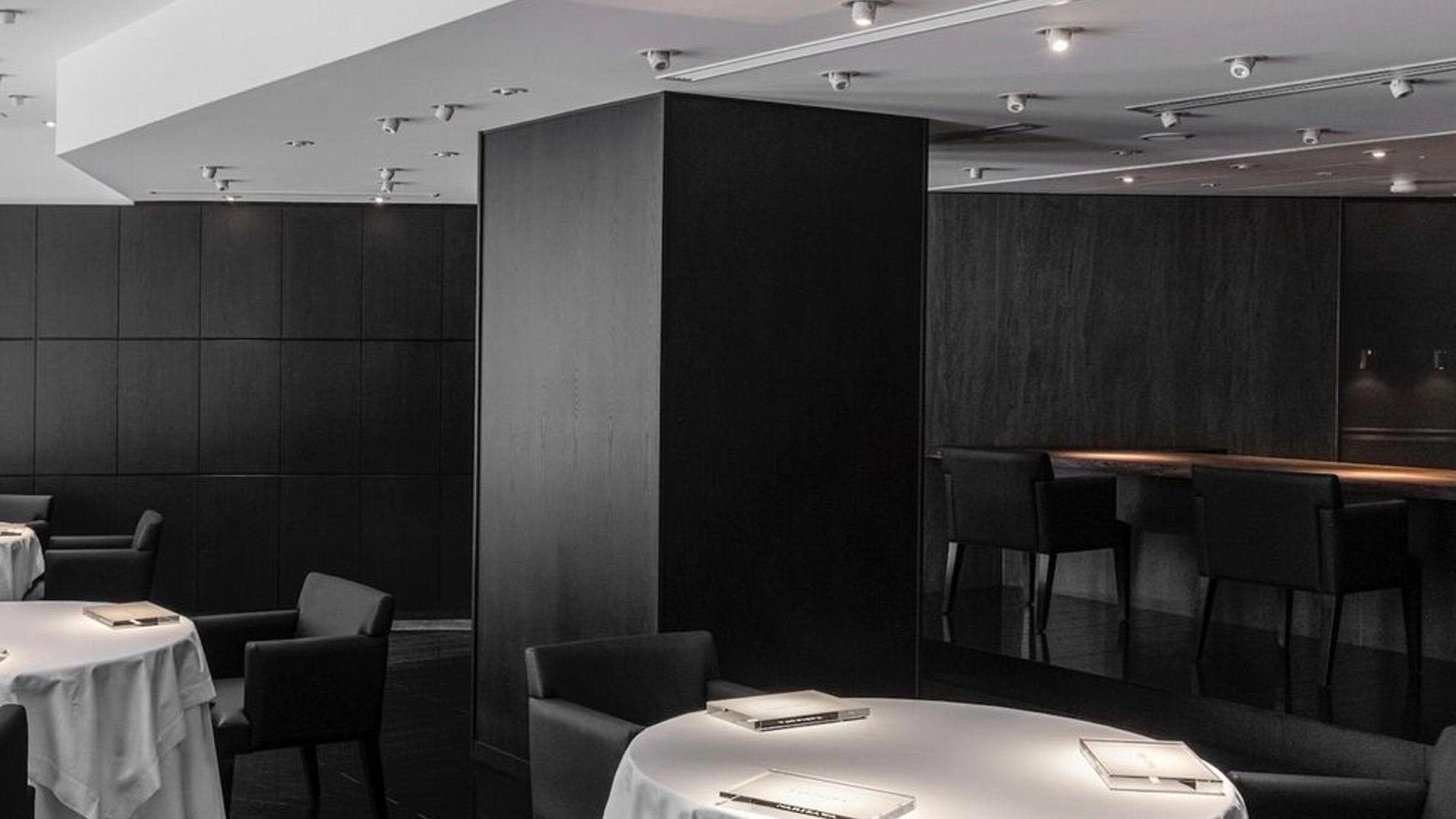
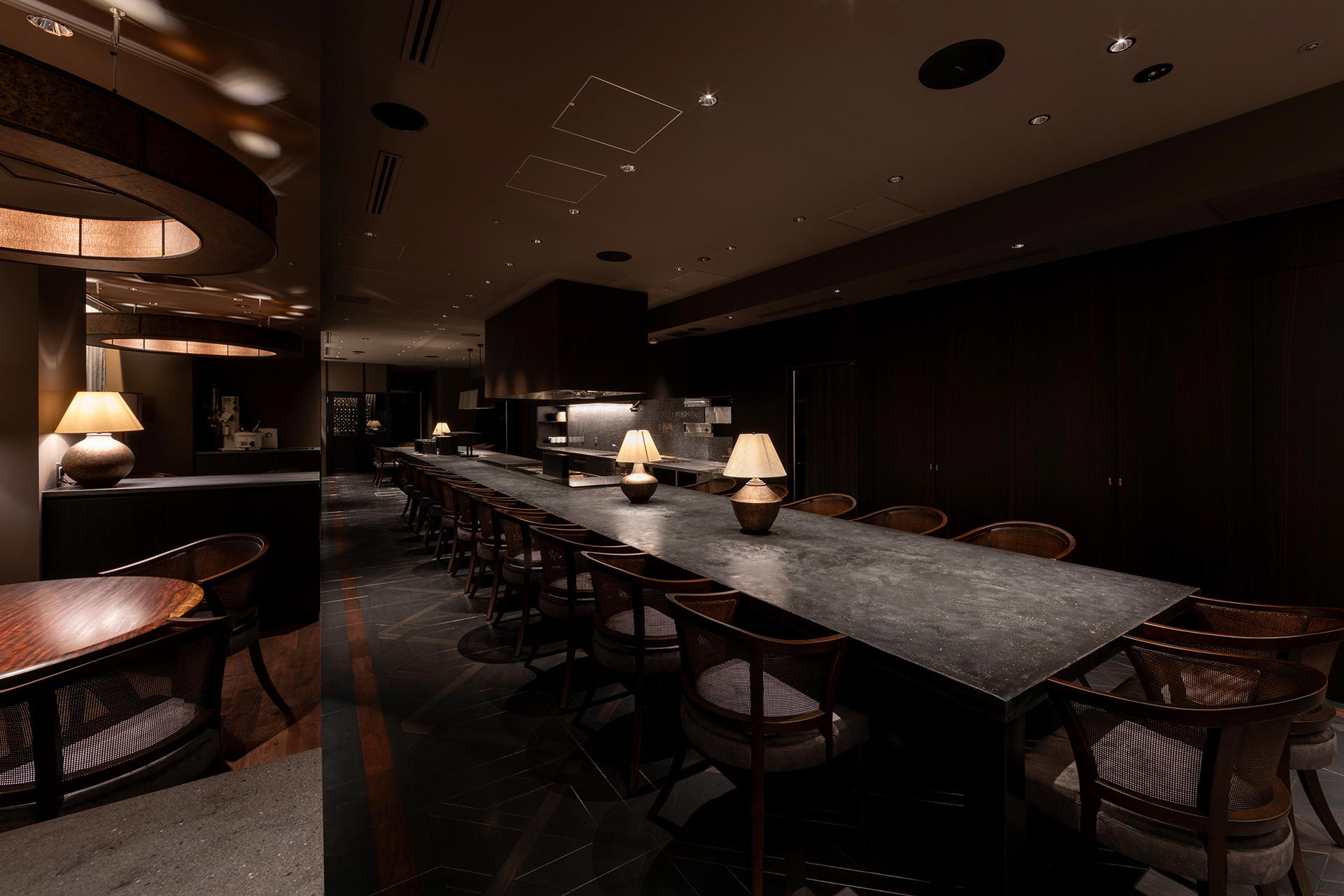
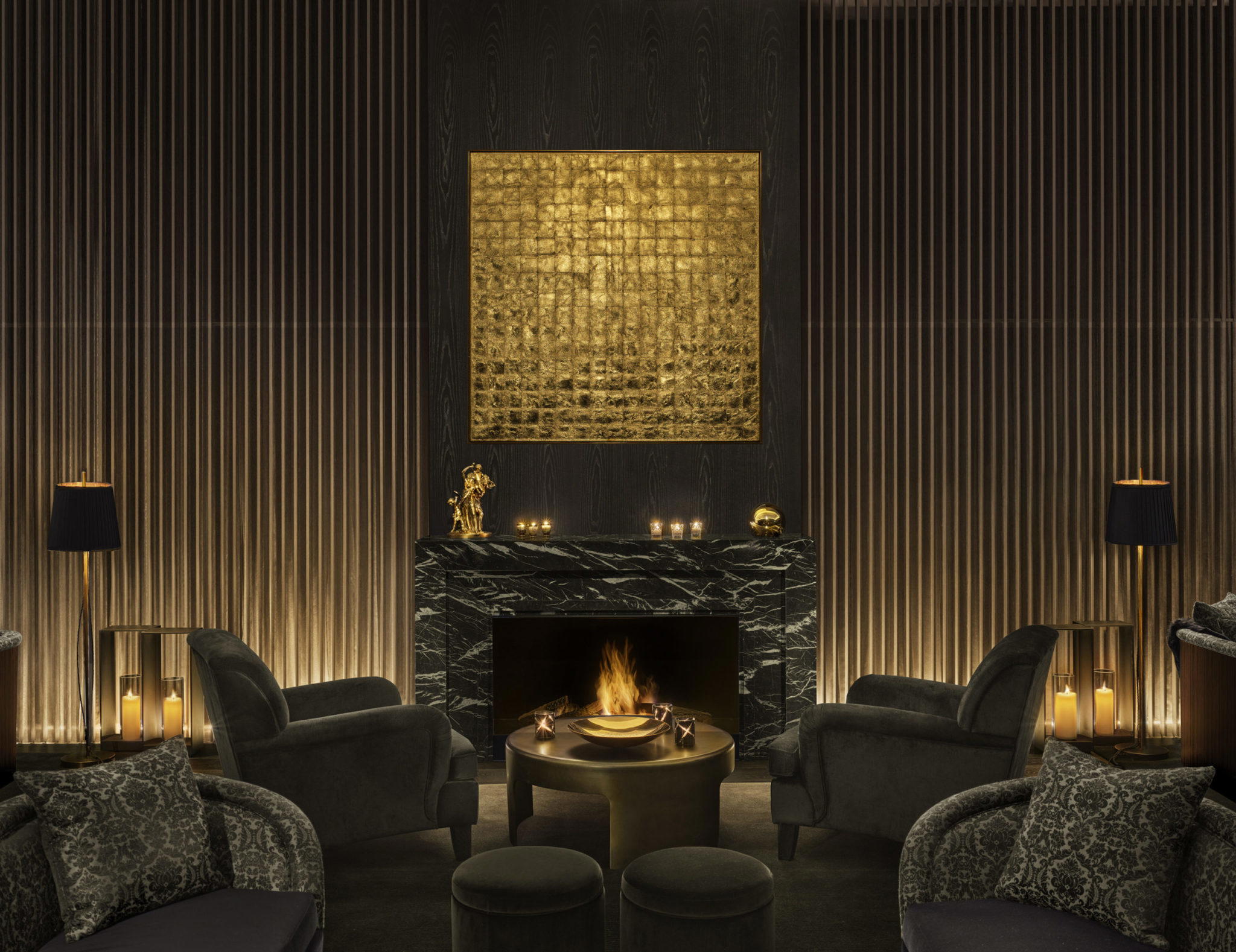
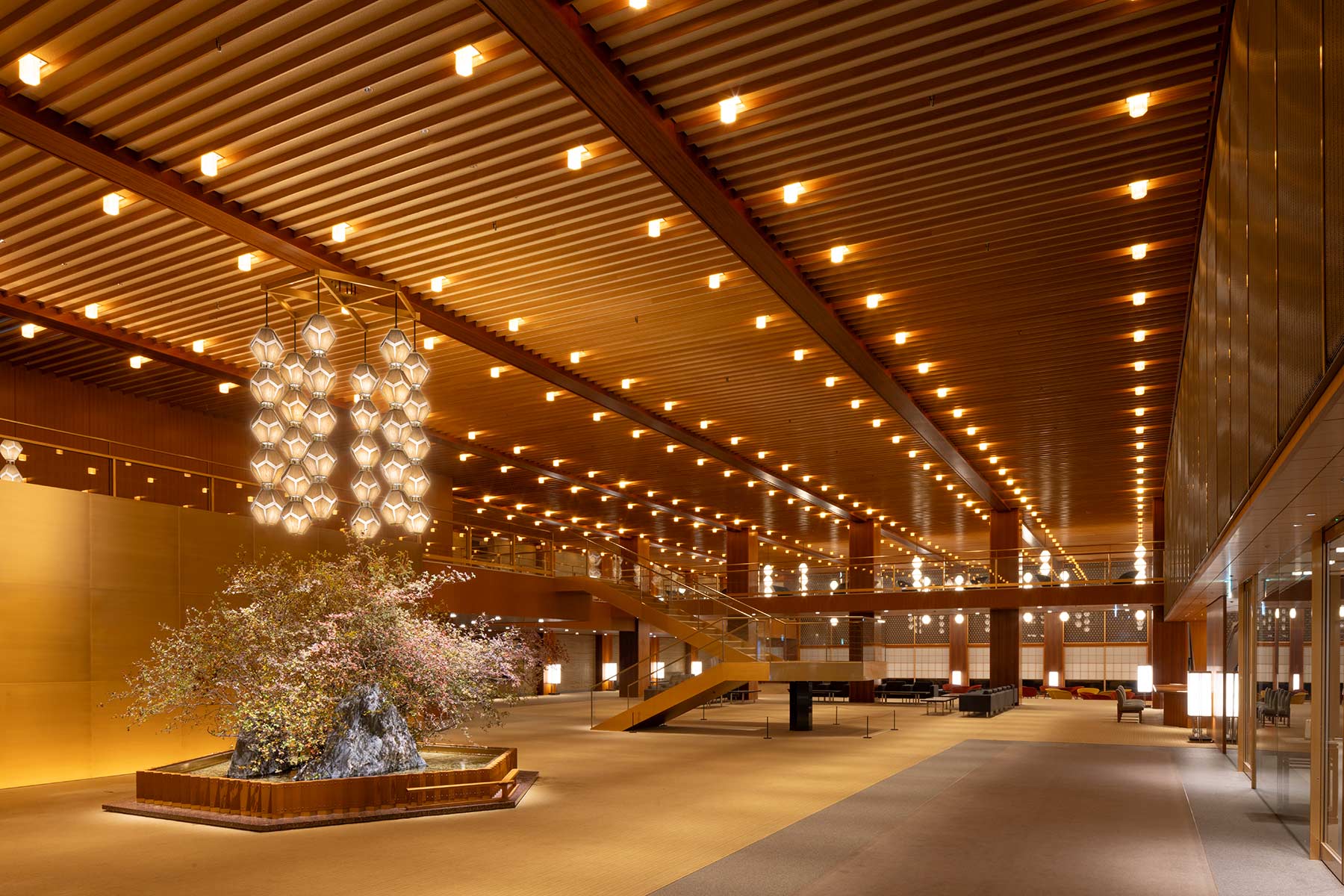
Calm, refined atmosphere centered on private rooms with Japanese design elements, suited to business dining and celebrations rather than casual gatherings.