Ginza Yonemura occupies the upper tier of Ginza's multi-course dining scene, where the neighbourhood's density of awarded restaurants sets a high baseline for both ambition and execution. The address places it among Tokyo's most competitive blocks for serious cuisine, with a format that follows the extended tasting progression that defines serious kaiseki-influenced dining in the district.
Pearl is the En Primeur Club membership app — saves, bookings, and concierge access live there. Same editors, same standards.
- Address
- 7 Chome-17-18 Ginza, Chuo City, Tokyo 104-0061, Japan
- Phone
- +81 3-3541-1723
- Website
- yonemura1929.jp
- Directions
- Get directions
 Saves & bookings on Pearl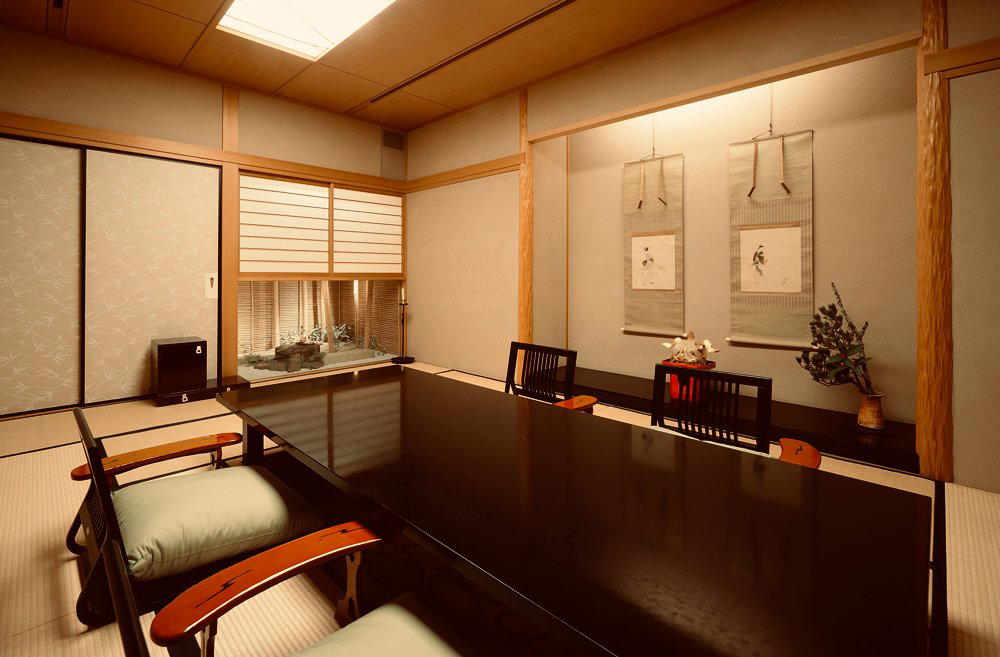
Ginza and the Grammar of the Long Meal
Ginza Yonemura is an Edo Ryori Kaiseki restaurant in Tokyo, priced at about $200 per person. The neighbourhood's concentration of Michelin-recognised restaurants, spanning sushi counters, kaiseki rooms, and French-influenced tasting menus, means that any serious address there is priced and paced against unusually capable neighbours. A long, multi-course format is not a selling point in Ginza; it is the baseline. What separates one address from another is how the progression is constructed: the sequencing of textures, temperatures, and flavour weight across a meal that may run two hours or more.
Ginza Yonemura sits within that context, at 7 Chome-17-18 Ginza in Chuo City. The address places it in the heart of the district.
The Architecture of the Meal
The tasting progression format has become the dominant grammar for high-end dining in Tokyo, and Ginza is where that format has been refined most rigorously. The structure of a long omakase or multi-course menu is not simply about quantity. At this tier, each course exists to shift the diner's palate incrementally, building toward a mid-meal centrepiece and then releasing tension through lighter, cleaner finishes. The leading rooms in the neighbourhood treat the arc of the meal as the primary creative act.
Restaurants at this level typically open with lighter preparations, something cool, precise, and high in acidity, before moving through richer, more textured middle courses. The transition points matter as much as the individual dishes. In kaiseki tradition, seasonal ingredients carry structural weight: they signal where you are in the year and, by extension, where you are in the meal. Contemporary iterations of this format, including those with French technical influence, use the same logic but may reach for different techniques: reduction, emulsification, or fermentation in place of or alongside classical Japanese method.
For comparison, RyuGin holds three Michelin stars and pursues a kaiseki format with a strong seasonal anchor, while L'Effervescence operates a three-star French tasting menu that draws heavily on Japanese ingredient sourcing. Both sit at the upper end of Ginza-area multi-course dining. Sézanne offers another point of reference: French technique executed in Tokyo with a clarity that has earned it sustained critical attention. Ginza Yonemura occupies the same general tier, where the progression of courses is expected to hold together as a composed argument rather than a sequence of individual plates.
What the Neighbourhood Requires
Dining in Ginza at this level carries a set of implicit expectations that are worth naming. The pace is unhurried. These meals are not compressed into ninety minutes; the format assumes that diners have allocated an evening, not a slot. Service at this tier in Ginza tends toward formal attentiveness, present, knowledgeable, and capable of explaining the origin and preparation of each course, which matters when seasonal ingredients are the load-bearing structure of the menu.
The price tier for serious tasting menus in Ginza has moved significantly upward over the past decade. What was a ¥20,000–¥30,000 dinner in the mid-2010s now routinely lands at ¥40,000–¥60,000 per person at the leading end, before beverage pairings. This compression of the upper tier is a structural feature of Ginza dining rather than a venue-specific anomaly. It reflects land costs, the premium on seasonal sourcing, and the global demand for Tokyo dining experiences that followed the city's sustained Michelin presence.
Cross-Format Comparisons Worth Making
Diners choosing between the restaurant and its neighbours face genuinely different format choices, not just stylistic ones. Harutaka, a three-Michelin-star sushi counter in the same district, offers an omakase structured around nigiri progression rather than multi-course cooking. The meal is shorter, the focus narrower, and the demand on the diner different. Crony, a two-star innovative French address in Tokyo, offers a looser, more contemporary take on the tasting format. Each choice privileges a different kind of attention.
Beyond Tokyo, the comparison extends to Japan's other serious dining cities. Gion Sasaki in Kyoto operates a kaiseki format that draws on the city's longer tradition of seasonal cuisine, while HAJIME in Osaka pursues a high-concept tasting menu that has earned three Michelin stars in a city more commonly associated with casual, affordable eating. Akordu in Nara and Goh in Fukuoka represent the way serious tasting-format dining has spread beyond the major metropolitan centres. Internationally, the format has analogues at Le Bernardin in New York City and Atomix in New York City, the latter of which draws explicitly on Korean fine dining tradition to construct its own version of the long, sequenced meal.
Planning a Visit
Ginza is served by multiple subway lines, with Ginza Station on the Ginza, Hibiya, and Marunouchi lines one convenient access point for the 7-chome address. The neighbourhood is compact and walkable, which makes it practical to combine dinner with a pre-meal walk through the district. Reservations at this tier of Ginza dining typically require advance booking of several weeks to several months, depending on the season; late autumn and early spring, when seasonal ingredient transitions are sharpest, tend to book out earliest.
For dining elsewhere in the country, 1000 in Yokohama and 6 in Okinawa represent two contrasting regional takes on serious, format-driven cuisine.
The Minimal Set
Comparable venues nearby, for context on price, style, and recognition.
| Venue | Cuisine | Price | Notes |
|---|---|---|---|
| Ginza YonemuraThis venue — the venue you are viewing | Chūō, Edo Ryori Kaiseki | $$$$ | Not listed |
| さわ田 | Chūō, Edo-Style Omakase Sushi | $$$$ | Not listed |
| 銀座 よし澤 | Chūō, Traditional Japanese Kaiseki | $$$$ | Not listed |
| 江戸前芝浜 | Minato, Edomae Omakase | $$$$ | Not listed |
| 赤坂 菊乃井 | Minato, Edomae Sushi Omakase | $$$$ | Not listed |
| Oka Han | Not listed | $$$$ | Chiyoda, Traditional Sukiyaki & Shabu-Shabu in Hotel New Otani |




At a Glance
- Classic
- Elegant
- Sophisticated
- Intimate
- Business Dinner
- Special Occasion
- Celebration
- Private Dining
- Sake Program
Current opening hours
- Monday
- 5:30–10:30 PM
- Tuesday
- 5:30–10:30 PM
- Wednesday
- 5:30–10:30 PM
- Thursday
- 5:30–10:30 PM
- Friday
- 5:30–10:30 PM
- Saturday
- Closed
- Sunday
- Closed
Hours can change for holidays and private events. Last verified .
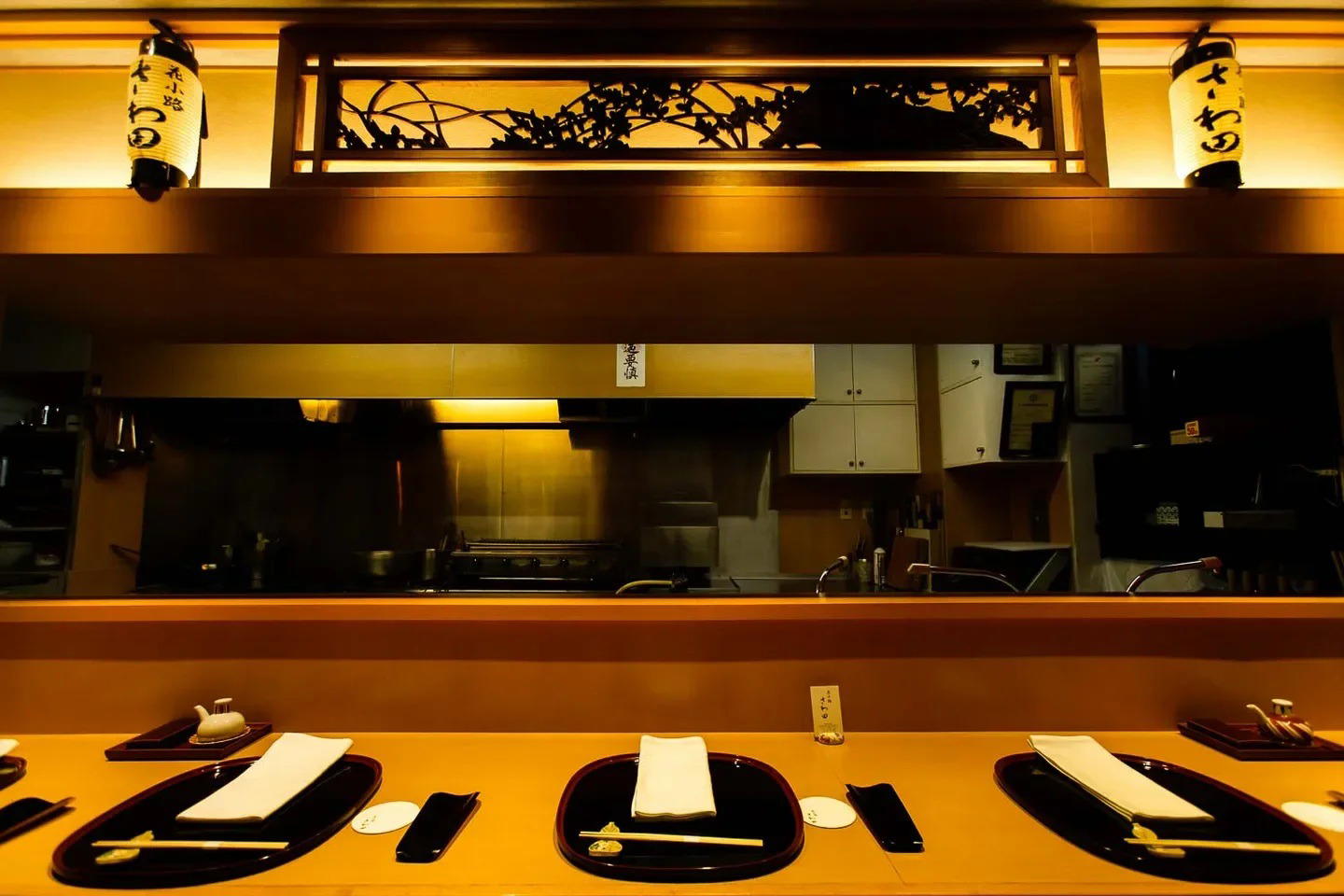
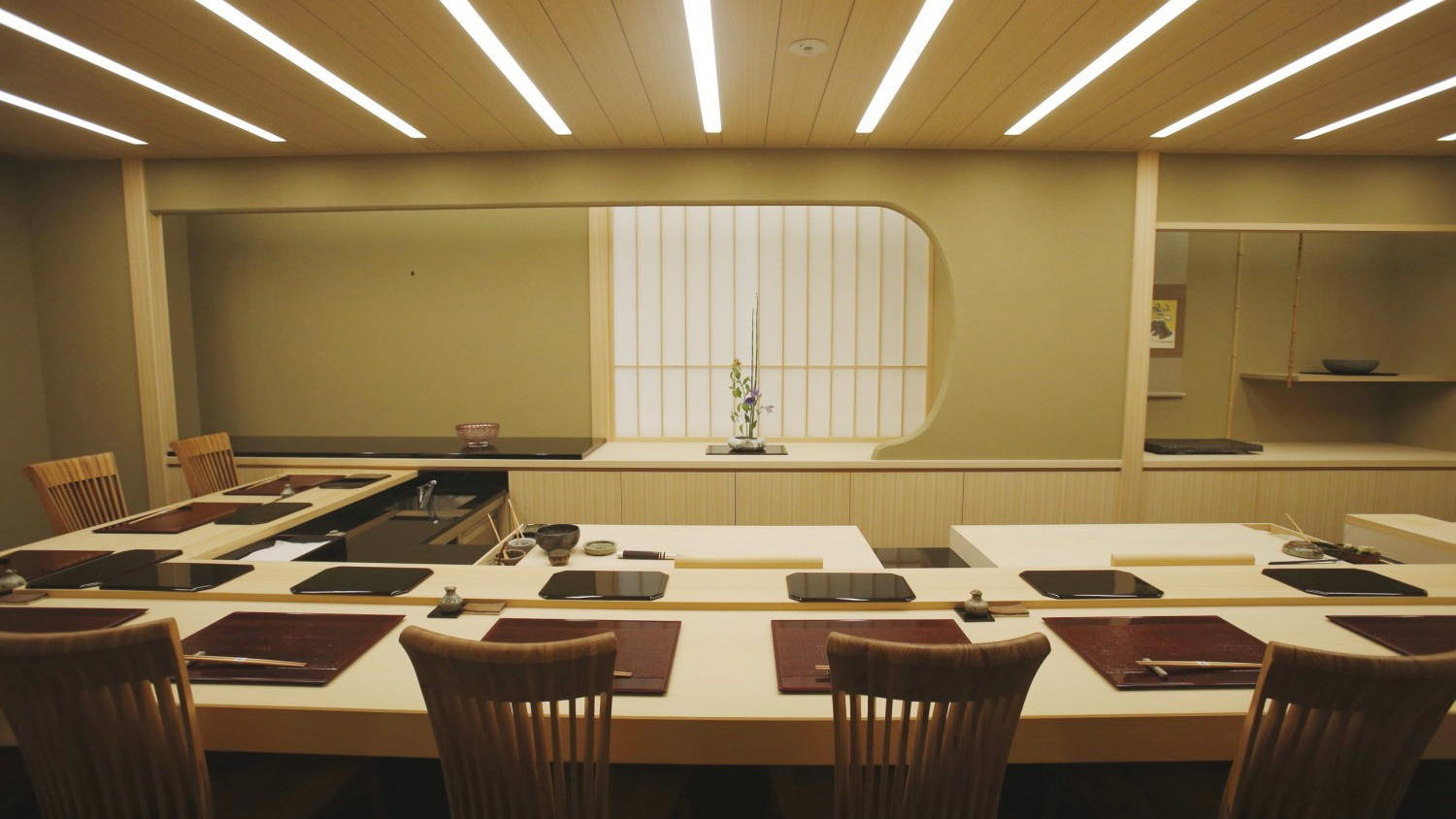
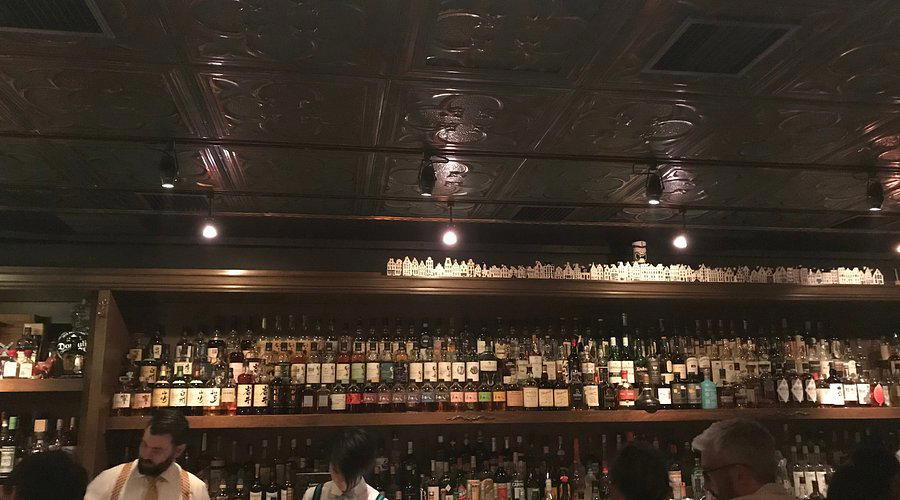
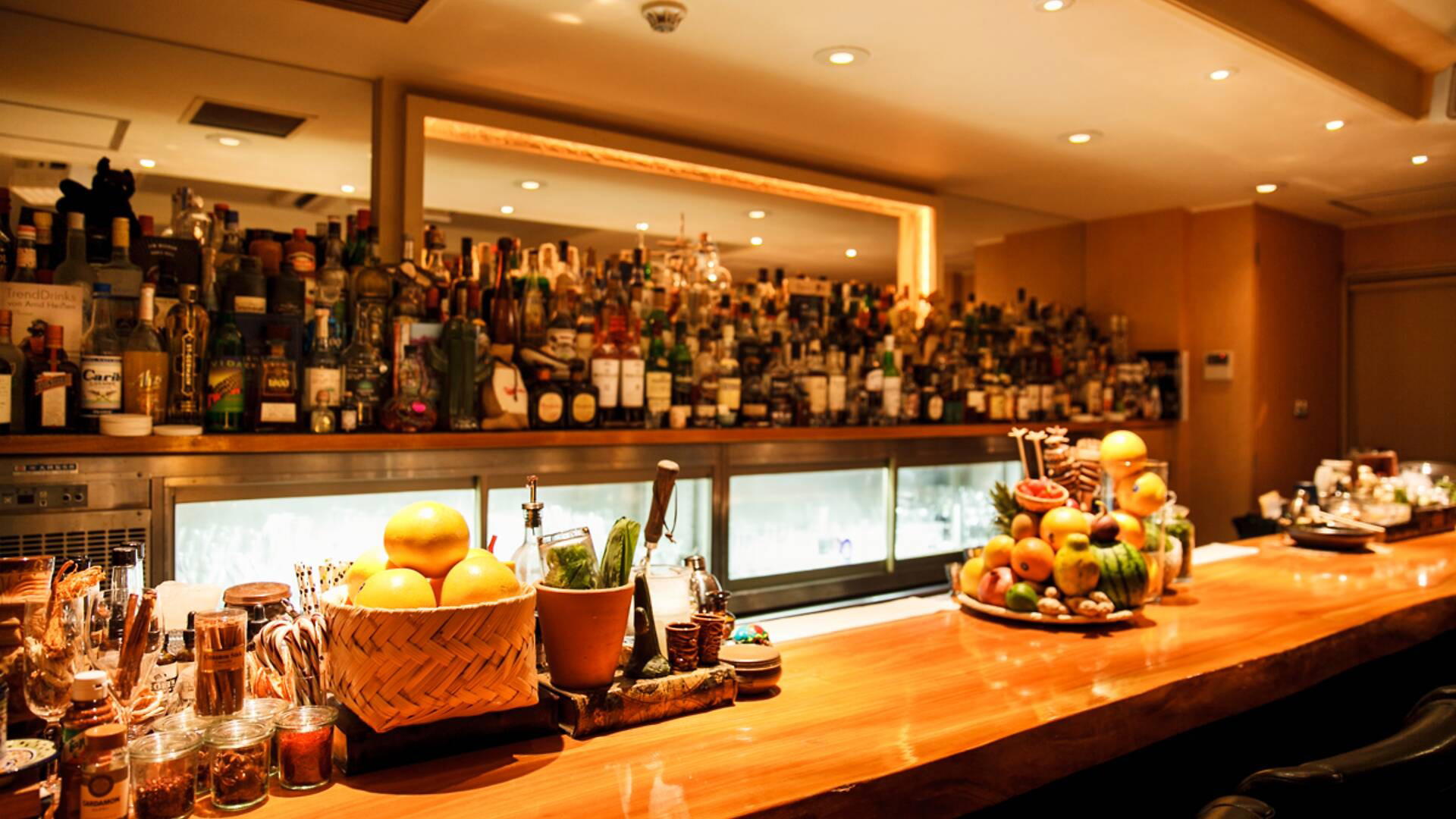
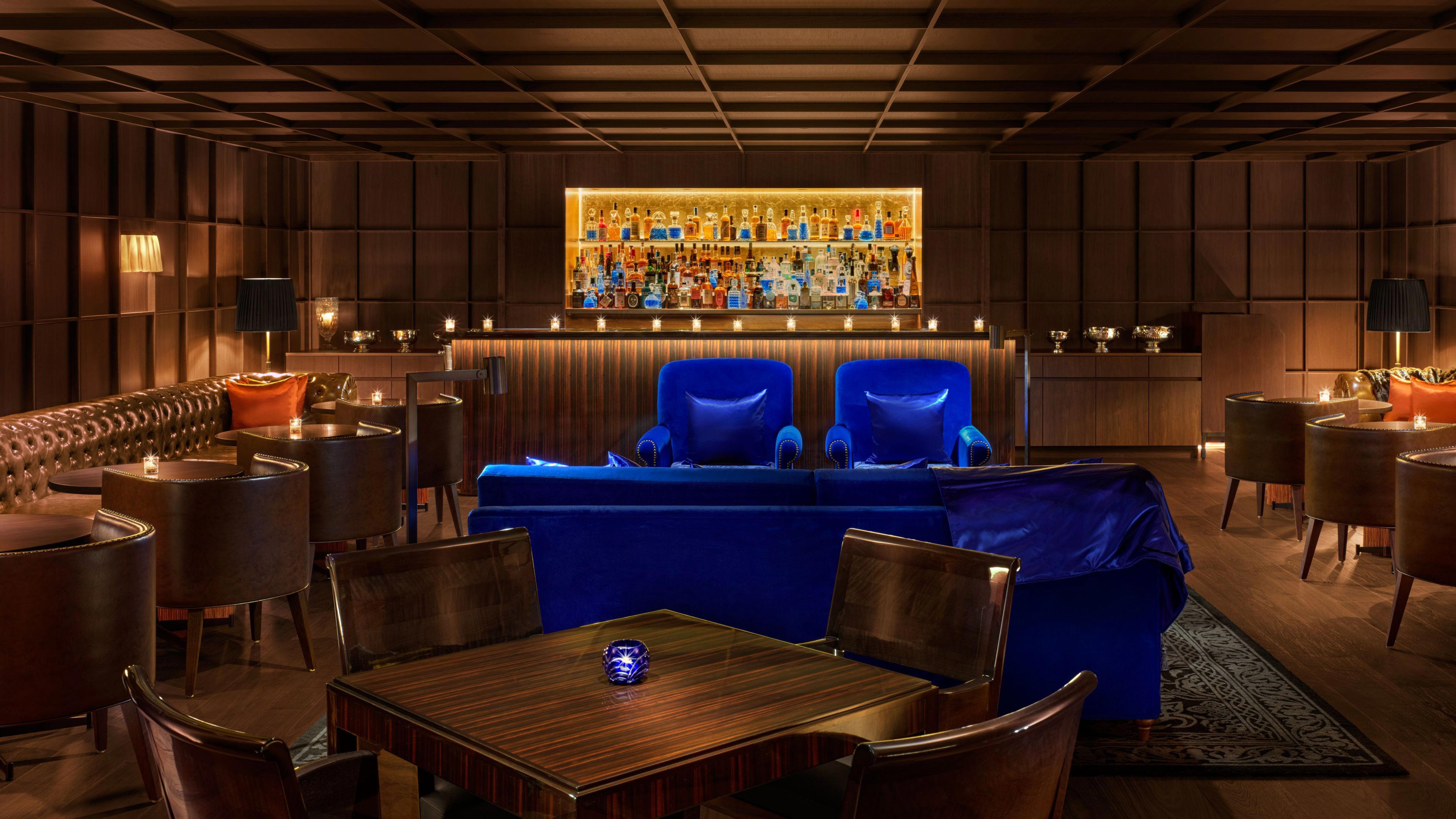
Traditional tatami setting with counter seating featuring comfortable cushions, visually appealing presentations, and a refined, cultural atmosphere.