鮨 和美 serves Edomae Omakase as an omakase bar experience, with quiet pacing, seasonal nigiri, and a sake program that fits a longer dinner.
Pearl is the En Primeur Club membership app — saves, bookings, and concierge access live there. Same editors, same standards.
- Address
- Japan, 〒105-0021 Tokyo, Minato City, Higashishinbashi, 2 Chome−10−2 中銀新橋マンション 1F
- Phone
- +81364590323
- Directions
- Get directions
 Saves & bookings on Pearl
Higashishinbashi and the Sushi Counter Tier It Inhabits
Tokyo's sushi scene has stratified considerably over the past decade. What was once a relatively continuous range from neighbourhood kaitenzushi to high-end omakase has separated into distinct tiers, each with its own booking dynamics, price expectations, and service conventions. The upper tier, concentrated in areas like Ginza, Azabu, and the broader Minato ward, is defined less by individual counters than by shared conventions: intimate seating, chef-led pacing, and a front-of-house discipline that treats the gap between courses as seriously as the courses themselves. Harutaka, operating at the ¥¥¥¥ level in this same competitive field, illustrates how Minato-area counters position themselves against peers rather than the wider market.
鮨 和美 sits within this geography. Its address in Higashishinbashi, a district that bridges the corporate density of Shiodome with the more curated dining pockets closer to Shimbashi station, places it in a neighbourhood where serious dining rooms coexist with working-lunch establishments. That positioning matters: counters in this area tend to draw a mix of business clientele and dedicated food visitors, and the service model at the upper end of the tier typically reflects both audiences.
The Coordination That Defines a Counter at This Level
At the premium sushi counter, the quality of any individual piece of fish is only one variable. The more distinguishing factor, and the harder one to sustain over a full service, is the coordination between the person behind the counter, whoever manages the room, and whoever handles the drink programme. In Tokyo's better omakase rooms, these roles are rarely siloed. The chef reads the pace of the table; the front-of-house adjusts accordingly; the drink selection, whether sake, wine, or both, is timed to land without interrupting the rhythm of the nigiri sequence.
This kind of team discipline is what separates a technically proficient counter from one that earns repeat visits from guests who have options. Venues like RyuGin and L'Effervescence have each built sustained reputations in part because their service structures function as integrated systems rather than parallel tracks. The same logic applies across counter formats: when the sommelier or sake steward is genuinely in communication with the chef's pacing rather than working from a fixed sequence, the experience reads differently to a guest who has eaten widely.
For a counter in Higashishinbashi operating in this tier, that coordination is the baseline expectation, not a differentiator. What distinguishes individual rooms is how well they maintain it across a full service and across different guest profiles in the same sitting.
Tokyo's Broader Omakase Context
Tokyo holds more Michelin-starred restaurants than any other city, and a significant proportion of those stars sit at sushi counters. That concentration creates an unusually competitive reference environment for guests. A visitor who has eaten at multiple Tokyo counters arrives with calibrated expectations: they know what a well-sourced piece of aged maguro should feel like at temperature, and they register when the transition from lighter to richer pieces has been managed thoughtfully or not.
Within that context, counters in the Minato ward operate under a particular kind of scrutiny. The area includes particularly-discussed addresses in Tokyo dining, which means guests and critics alike arrive with active comparisons in mind. Sézanne and Crony represent the French end of the same premium tier, where service structure and kitchen-to-floor communication are equally central to the proposition. The sushi counter format imposes its own specific discipline, but the underlying logic of what makes a premium room work is consistent across categories.
For context on how Tokyo's dining scene maps across neighbourhoods and formats, EP Club's full Tokyo restaurants guide covers the broader field.
Japan Beyond Tokyo: The Regional Comparison
The premium counter format is not exclusive to Tokyo. Japan's regional dining scene has developed its own serious addresses, several of which operate with comparable discipline and earn equivalent recognition. HAJIME in Osaka and Gion Sasaki in Kyoto each represent the upper tier of their respective cities, with service models and kitchen coordination that reflect the same priorities as Tokyo's leading counters. Further afield, Goh in Fukuoka, akordu in Nara, and Abon in Ashiya demonstrate that the conventions of serious Japanese dining extend well beyond the capital.
For guests building an itinerary around Japan's counter dining culture, the comparison is worth making explicitly: Tokyo offers density and variety, but it does not have a monopoly on craft or service quality. Addresses like affetto akita in Akita, Aji Arai in Oita, Ajidocoro in Yubari District, Akakichi in Imabari, and aki nagao in Sapporo each occupy a position in their local tier that invites direct comparison with what Tokyo offers at a similar level of seriousness.
Internationally, the counter-dining format has found serious expressions in other cities. Le Bernardin in New York City and Lazy Bear in San Francisco represent formats where chef-to-guest proximity and service coordination are similarly central to the proposition, even if the cuisine tradition differs entirely from Japanese counter dining.
Planning Your Visit
鮨 和美 is a formal Edomae omakase counter in Higashishinbashi, Tokyo, at about US$250 per person, and reservations are essential. The address is in Higashishinbashi, Minato City, Tokyo.
Budget Reality Check
Comparable venues nearby, for context on price, style, and recognition.
| Venue | Cuisine | Price | Notes |
|---|---|---|---|
| 鮨 和美This venue — the venue you are viewing | Minato, Edomae Omakase | $$$$ | Not listed |
| 鉄板焼 赤坂 | Not listed | $$$$ | Akasaka, Luxury Japanese Teppanyaki with Wagyu & Skyline Views |
| 江戸前芝浜 | Minato, Edomae Omakase | $$$$ | Not listed |
| Ten Ichi Ginza | Chūō, Traditional Edomae Tempura | $$$$ | Not listed |
| Kitagawa | Chūō, Modern Japanese Kappo | $$$$ | Not listed |
| 月花 MoonFlower Sagaya Ginza, Art by teamLab | Not listed | $$$$ | Chūō, Seasonal Japanese Omakase with Saga Beef |








At a Glance
- Elegant
- Intimate
- Sophisticated
- Modern
- Date Night
- Special Occasion
- Business Dinner
- Chefs Counter
- Open Kitchen
- Sake Program
- Sommelier Led
- Local Sourcing
- Sustainable Seafood
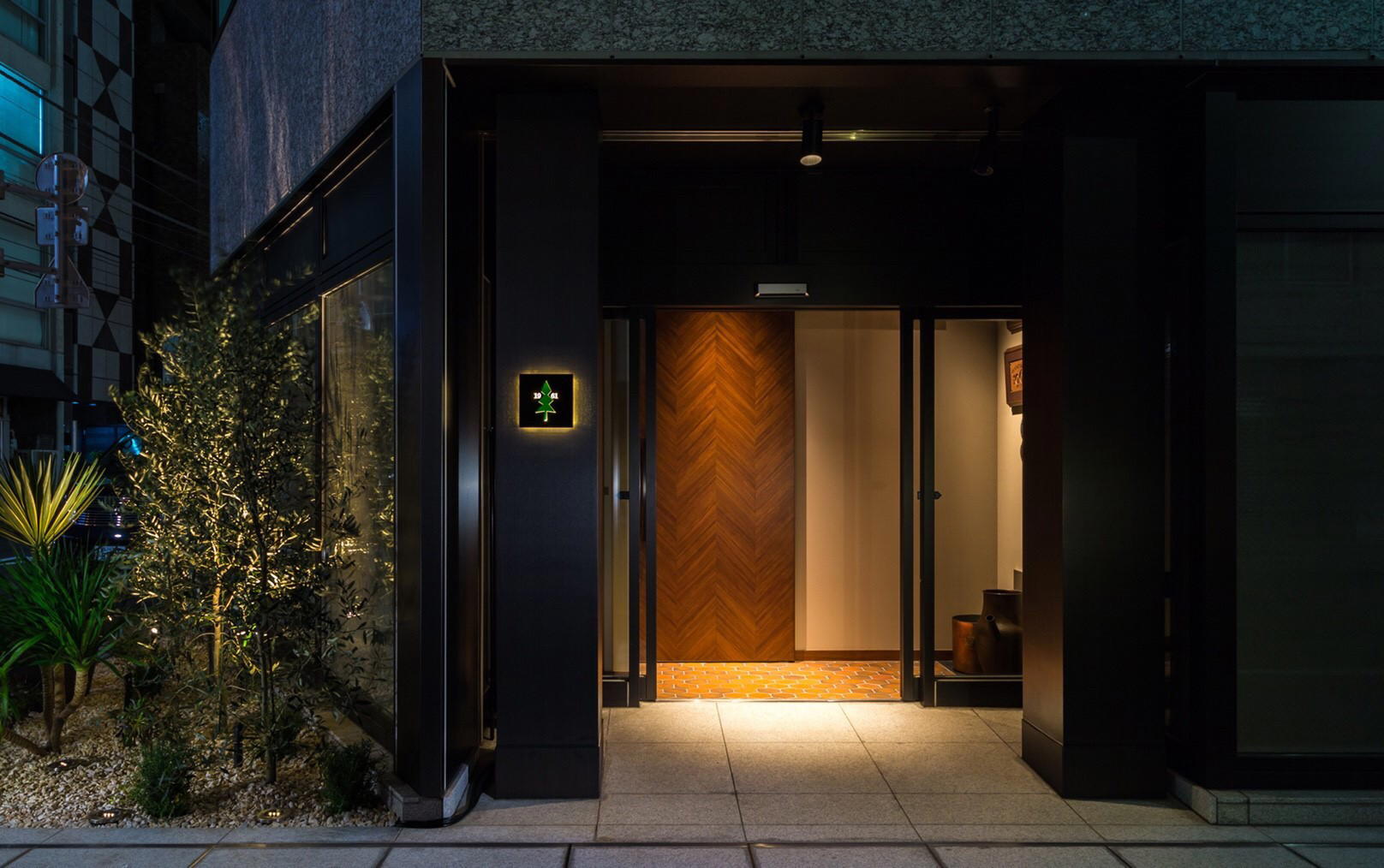
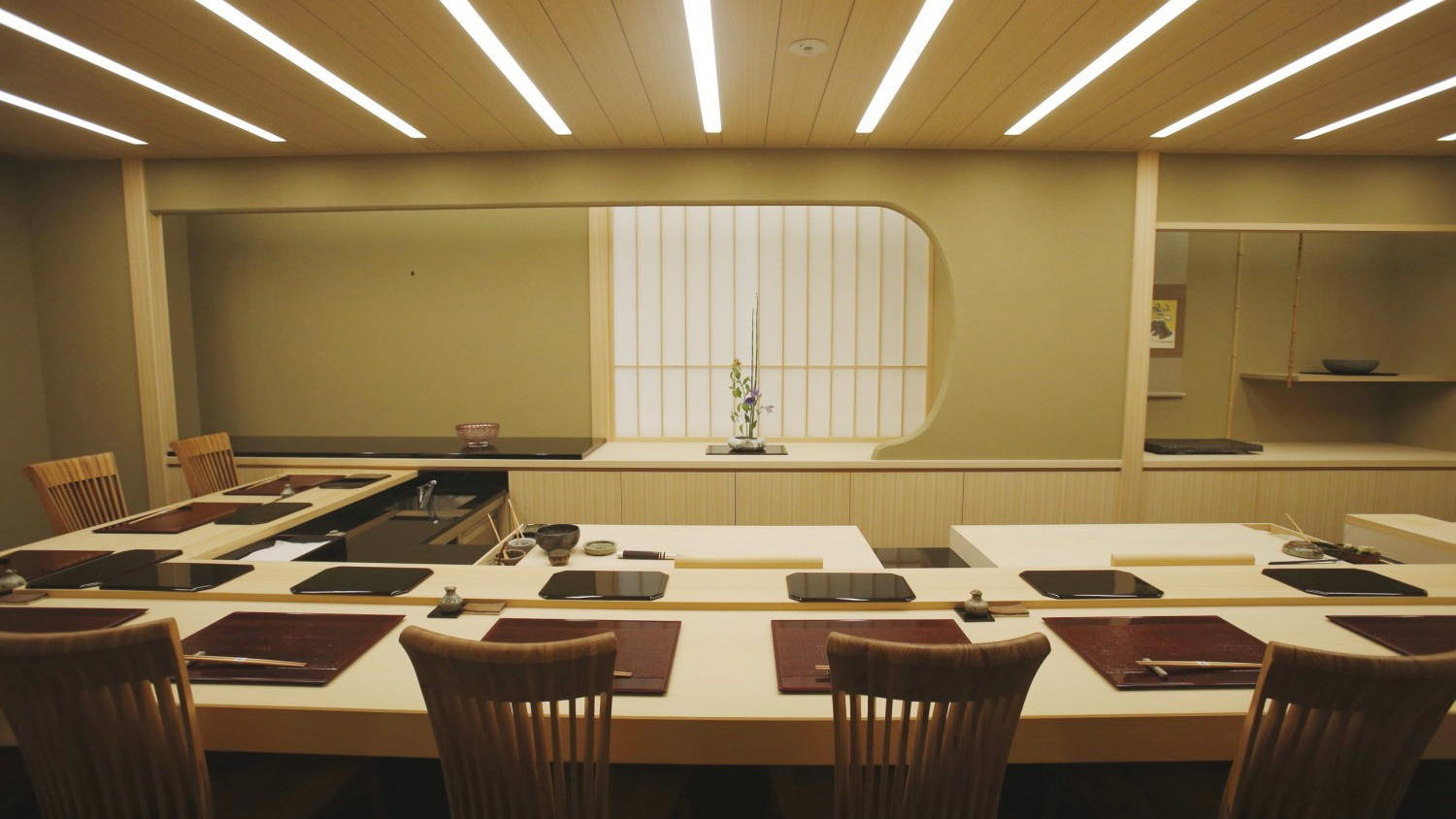
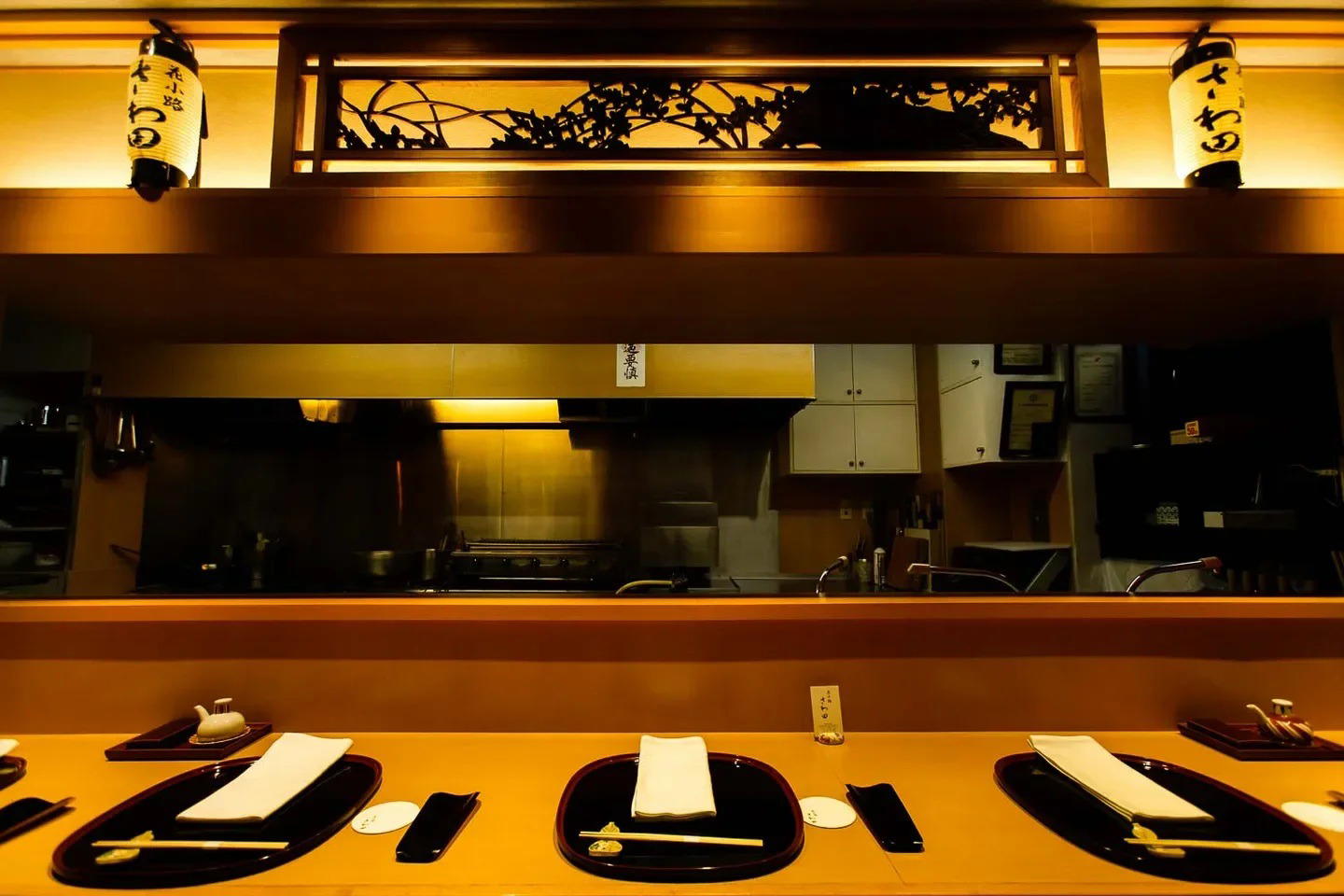
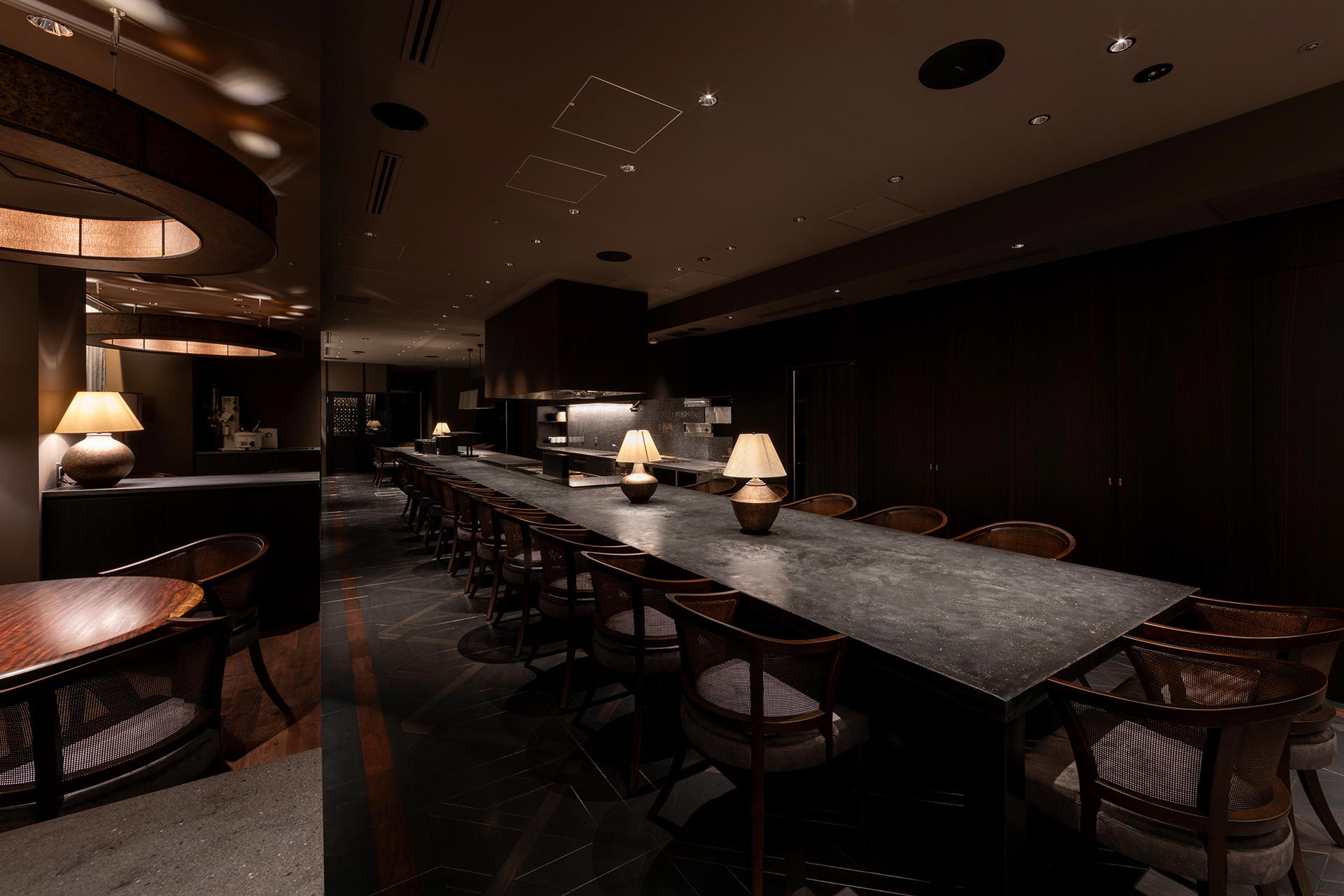
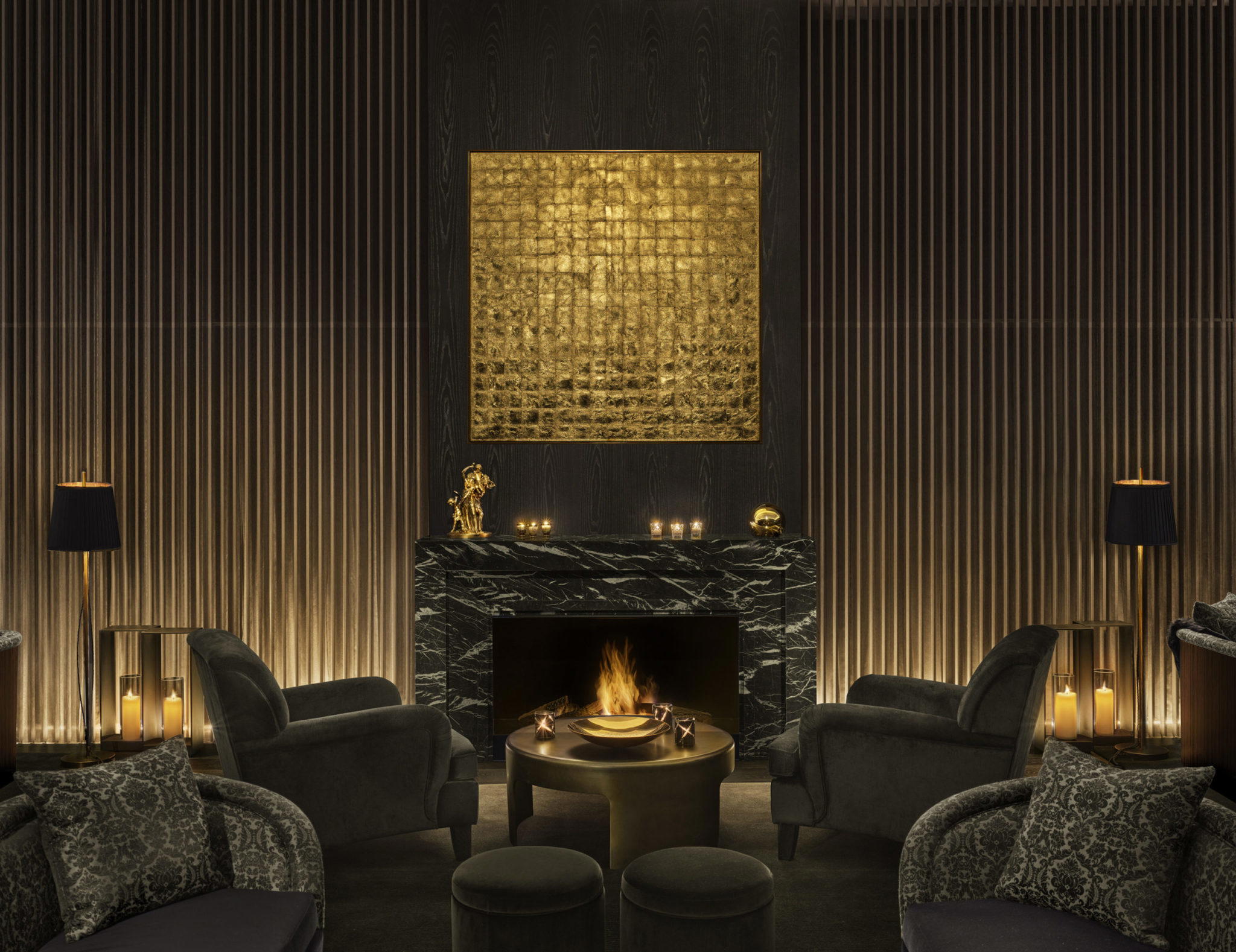
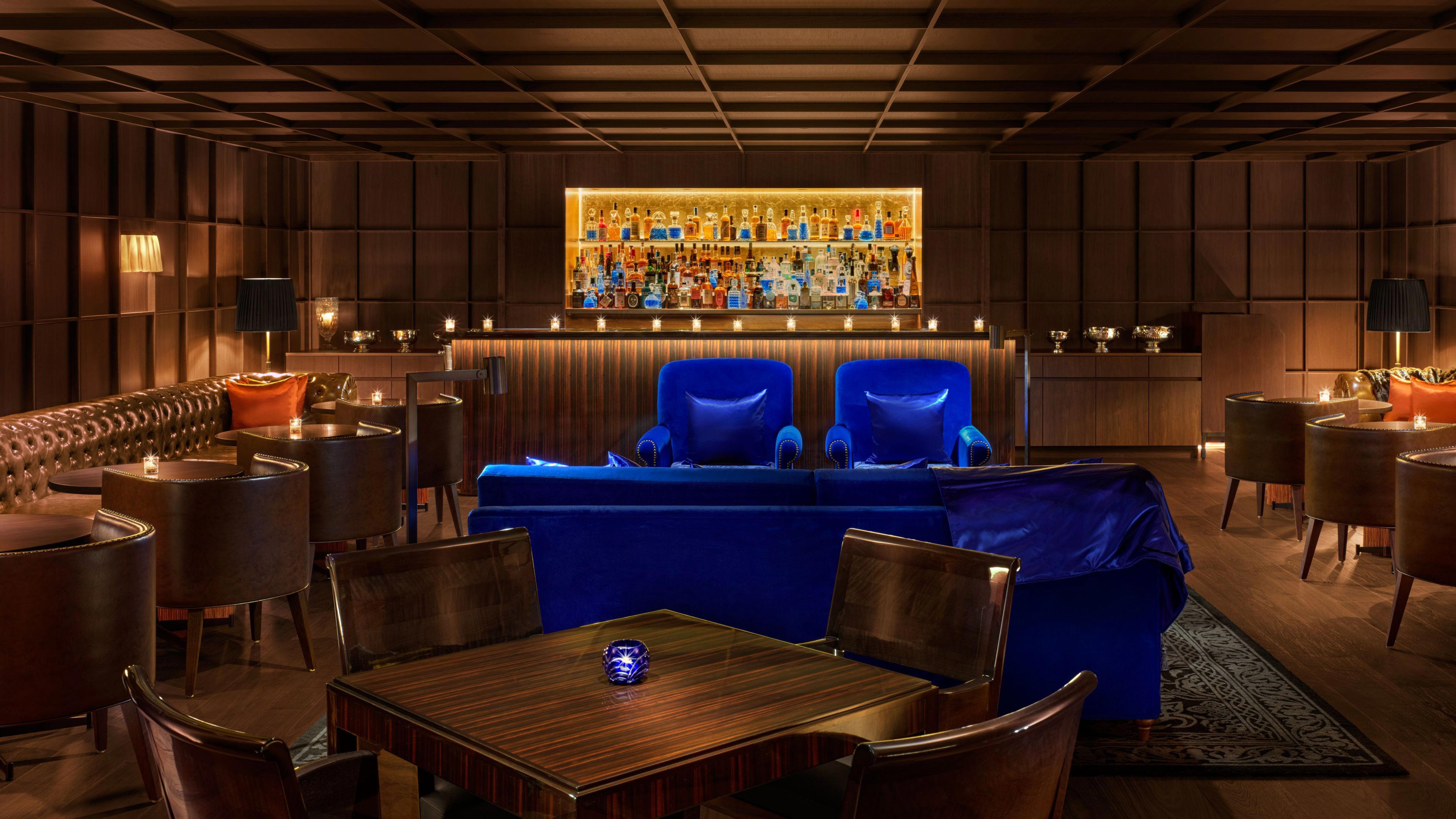
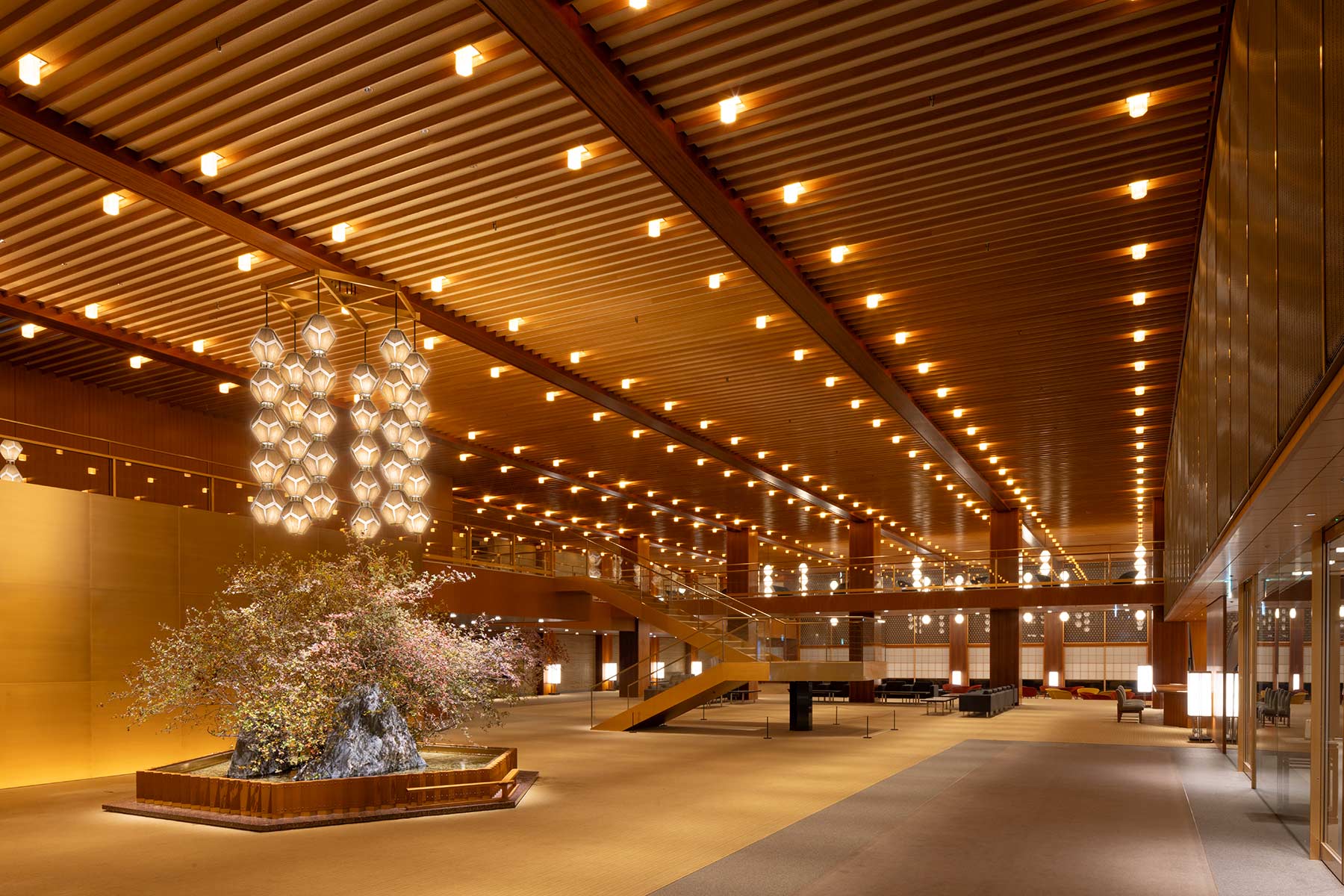
Minimalist, serene setting with soft lighting and natural wood finishes; hushed, focused atmosphere centered on the sushi counter.