
A Michelin Plate-recognised kaiseki counter in Kiyosumi-Shirakawa, Kiyosumi Takahara brings Kyoto culinary lineage to one of Tokyo's quieter east-side neighbourhoods. Chef Shimon Takahara, trained in Kyoto across two generations, builds each day's menu around what is most seasonal. At the ¥¥¥ price tier, it offers a serious introduction to Kyoto-rooted kaiseki without the Ginza premium.
Pearl is the En Primeur Club membership app — saves, bookings, and concierge access live there. Same editors, same standards.
- Address
- Japan, 〒135-0024 Tokyo, Koto City, Kiyosumi, 2 Chome−15−4 清澄白河 1F ベイウィンドウ
- Phone
- +81 3-6240-3037
- Directions
- Get directions
 Saves & bookings on Pearl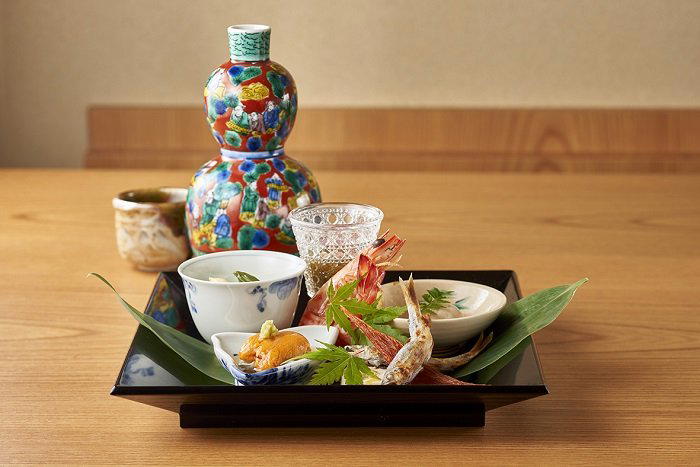
Kiyosumi-Shirakawa and the Quiet Spread of Serious Japanese Cooking
Tokyo's kaiseki scene has long been anchored in Ginza, Roppongi, and the older dining corridors of Minami-Aoyama. But over the past decade, the city's more serious neighbourhood restaurants have migrated outward, following younger residents, coffee culture, and lower rents into areas like Kiyosumi-Shirakawa on the Koto City side of the Sumida River. The neighbourhood built its reputation around specialty coffee and independent galleries, and the dining that followed has tended toward the personal and the precise rather than the grand and the performative. Kiyosumi Takahara fits that pattern: a ground-floor counter operation in a low-rise building on Kiyosumi's quiet residential streets, recognised by Michelin with a Plate designation in both 2024 and 2025, and priced at ¥¥¥.
What the Kyoto Lineage Means at the Table
Kyoto kaiseki, in its classical form, is built around the logic of the seasons. The cuisine's philosophy holds that the cook's primary job is to perceive what is most alive in the market on a given day, then get out of its way. That discipline is acquired slowly, through apprenticeship systems that have remained largely intact for generations. In Tokyo, that tradition now circulates through a generation of chefs trained in Kyoto who have returned to set up their own counters, bringing the sensibility of the old capital into a city where dining expectations are both more international and more impatient.
Chef Shimon Takahara's formation follows this pattern with unusual consistency: both he and his father before him apprenticed in Kyoto, making this a two-generation transmission of the same culinary tradition rather than a single chef's personal reinterpretation of it. The training under a Kyoto mentor gives the lineage signal added credibility. At comparable counters elsewhere in the city, like Kagurazaka Ishikawa or Azabu Kadowaki, Kyoto training similarly underpins the menu's seasonal architecture. What distinguishes Kiyosumi Takahara is where that training surfaces: not in a marquee Ginza address, but in a neighbourhood that has no particular expectation of it.
Seasonal Discipline as the Menu's Engine
The clearest expression of Kyoto kaiseki logic at Kiyosumi Takahara is the daily appetiser, which rotates with what is most seasonal in the market at that moment rather than operating on a fixed monthly or weekly cycle. In spring, the menu draws on bamboo shoots and asparagus; across other seasons, the same appetiser position will reflect entirely different produce. This is not merely menu variety. It is the operational expression of a philosophical commitment: the kitchen plans around availability rather than forcing produce into a predetermined structure.
This approach makes the restaurant harder to describe in advance than a restaurant with a set signature menu, and that is part of the point. Kaiseki counters that rotate daily require a higher level of kitchen organisation and supplier relationship than those that fix their menus by month. The guest receives something closer to the chef's actual working conditions, which in Kyoto-trained kaiseki means exposure to the cook's judgment rather than the menu planner's convenience. For restaurants in the same tier and cuisine category in Tokyo, see also Ginza Fukuju, Jingumae Higuchi, and Myojaku for comparable approaches to Japanese seasonal cuisine across different neighbourhoods.
Value Positioning in Context
The ¥¥¥ price tier places the restaurant in a materially different bracket from Tokyo's Michelin-starred kaiseki establishments. A three-star kaiseki meal at RyuGin or a comparably recognised counter in Ginza typically lands in the ¥¥¥¥ range, often well above ¥30,000 per person before drinks. The ¥¥¥ tier generally represents a significant step below that ceiling, making the restaurant one of a smaller group of restaurants where Michelin recognition (Plate rather than stars) coincides with a price point that does not require the same financial commitment as the city's top tier.
The Michelin Plate is not a starred distinction, but it is a recognition of cooking quality within the guide's framework, and two consecutive years of Plate recognition (2024 and 2025) signals consistency rather than a single favourable inspection cycle. For a neighbourhood counter without a Ginza address or a high-profile chef brand, that kind of sustained Michelin attention is a meaningful marker. Among Michelin Plate recipients in Tokyo's Japanese cuisine category, the restaurant's combination of Kyoto lineage, seasonal discipline, and east-side location makes it a reference point for the segment of the market that is looking for rigour at a sub-starred price.
Google's reviewer base of 33 scores the restaurant at 4.8, a high average for a counter of this profile.
Japan's Wider Kaiseki Circuit
The restaurant's position makes most sense alongside the broader pattern of Kyoto-trained chefs working across Japan's major cities. In Kyoto itself, Gion Sasaki and Isshisoden Nakamura represent the tradition in its home terrain. In Osaka, Kashiwaya Osaka Senriyama and HAJIME show how the kaiseki form adapts to a different commercial context. Further afield, akordu in Nara, Goh in Fukuoka, 1000 in Yokohama, and 6 in Okinawa each represent distinct regional inflections of serious Japanese cooking. The restaurant belongs to that wider network as its Tokyo expression: not the grandest entry in the category, but one of the more coherent ones given its price point, pedigree, and setting.
Planning Your Visit
The restaurant is located at 2 Chome-15-4 Kiyosumi, Koto City, Tokyo, on the ground floor of a building in the Bay Window complex. The Kiyosumi-Shirakawa station, served by the Tokyo Metro Hanzomon Line and the Toei Oedo Line, is one practical access point for the neighbourhood. Hours and booking details are available in the restaurant's standard schedule, and reservations are essential. The menu is seasonal and daily, so specific dish expectations should not be set in advance. The dress code is smart casual.
Quick reference: the restaurant, 2 Chome-15-4 Kiyosumi, Koto City, Tokyo. Price tier ¥¥¥. Michelin Plate 2024 and 2025.7 (27 reviews). Nearest station: Kiyosumi-Shirakawa.
Price and Recognition
Comparable venues nearby, for context on price, style, and recognition.
| Venue | Cuisine | Price | Awards |
|---|---|---|---|
| Kiyosumi TakaharaThis venue — the venue you are viewing | Kōtō, Kyoto-style Kaiseki | $$$$ | Michelin Plate |
| Oryori Kokoroba | Chūō, Kaiseki with Oyakodon | $$$$ | Michelin Plate |
| Uisane | Shinjuku, Modern Ehime Kaiseki | $$$$ | Michelin Plate |
| Nikuya Tanaka | Chūō, Wagyu Kappo | $$$$ | Not listed |
| Washoku Ebihara | Shinjuku, Traditional Japanese Kaiseki | $$$$ | Michelin Plate |
| Haruka Murooka | Minato, Modern Dessert Omakase | $$$$ | Michelin Plate |
Recognition history
Dated appearances from independent guides and award organizations, with the underlying list record or original source where available.
Michelin Plate
Michelin
Michelin Plate
Michelin
Michelin Plate
Michelin







At a Glance
- Intimate
- Elegant
- Sophisticated
- Minimalist
- Special Occasion
- Date Night
- Private Dining
- Sake Program
- Local Sourcing
Current opening hours
- Monday
- 11:30 AM–1:30 PM, 6:30–10 PM
- Tuesday
- 11:30 AM–1:30 PM, 6:30–10 PM
- Wednesday
- 11:30 AM–1:30 PM, 6:30–10 PM
- Thursday
- 11:30 AM–1:30 PM, 6:30–10 PM
- Friday
- 11:30 AM–1:30 PM, 6:30–10 PM
- Saturday
- 11:30 AM–1:30 PM, 6:30–10 PM
- Sunday
- 6:30–10 PM
Hours can change for holidays and private events. Last verified .
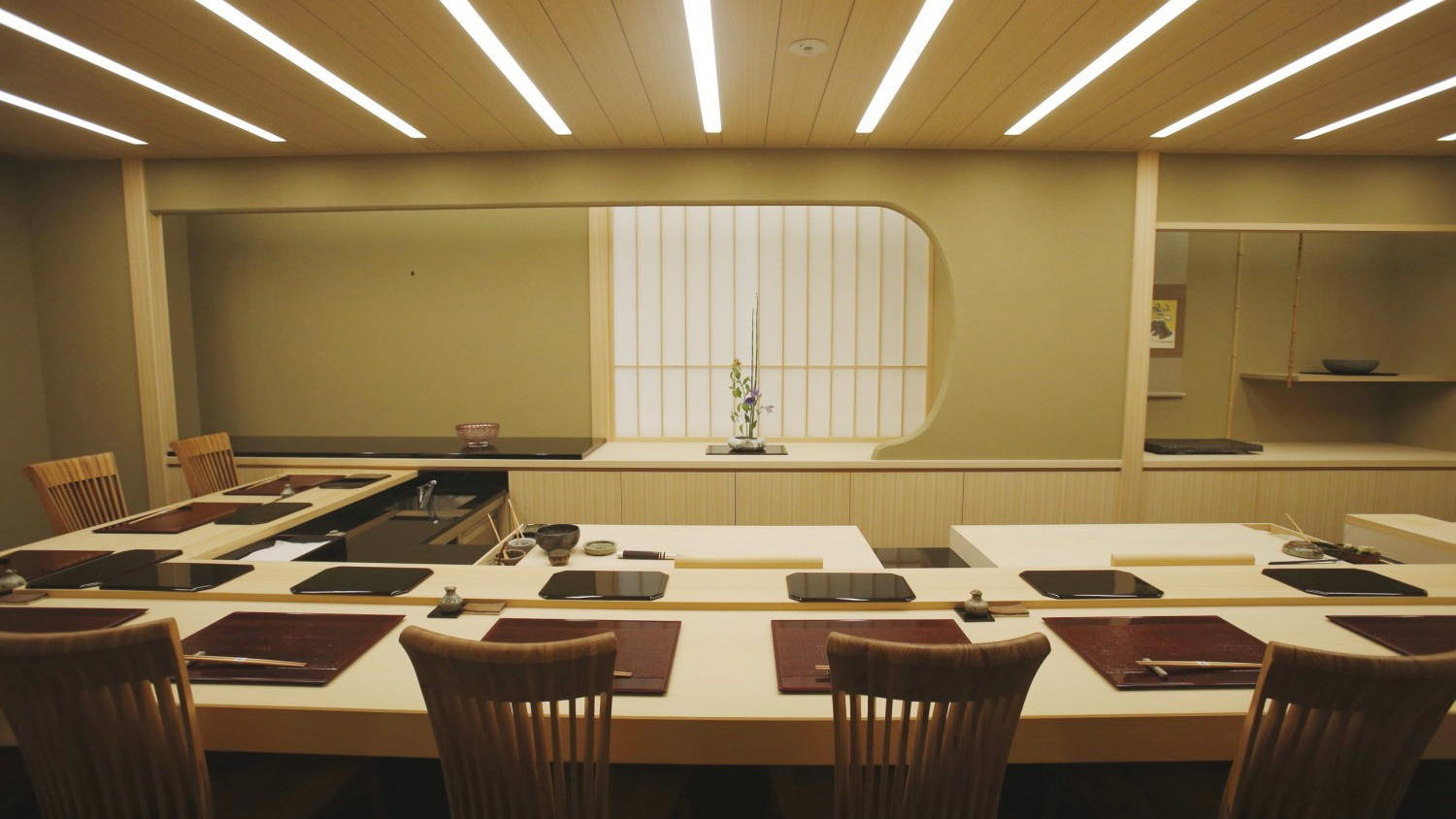
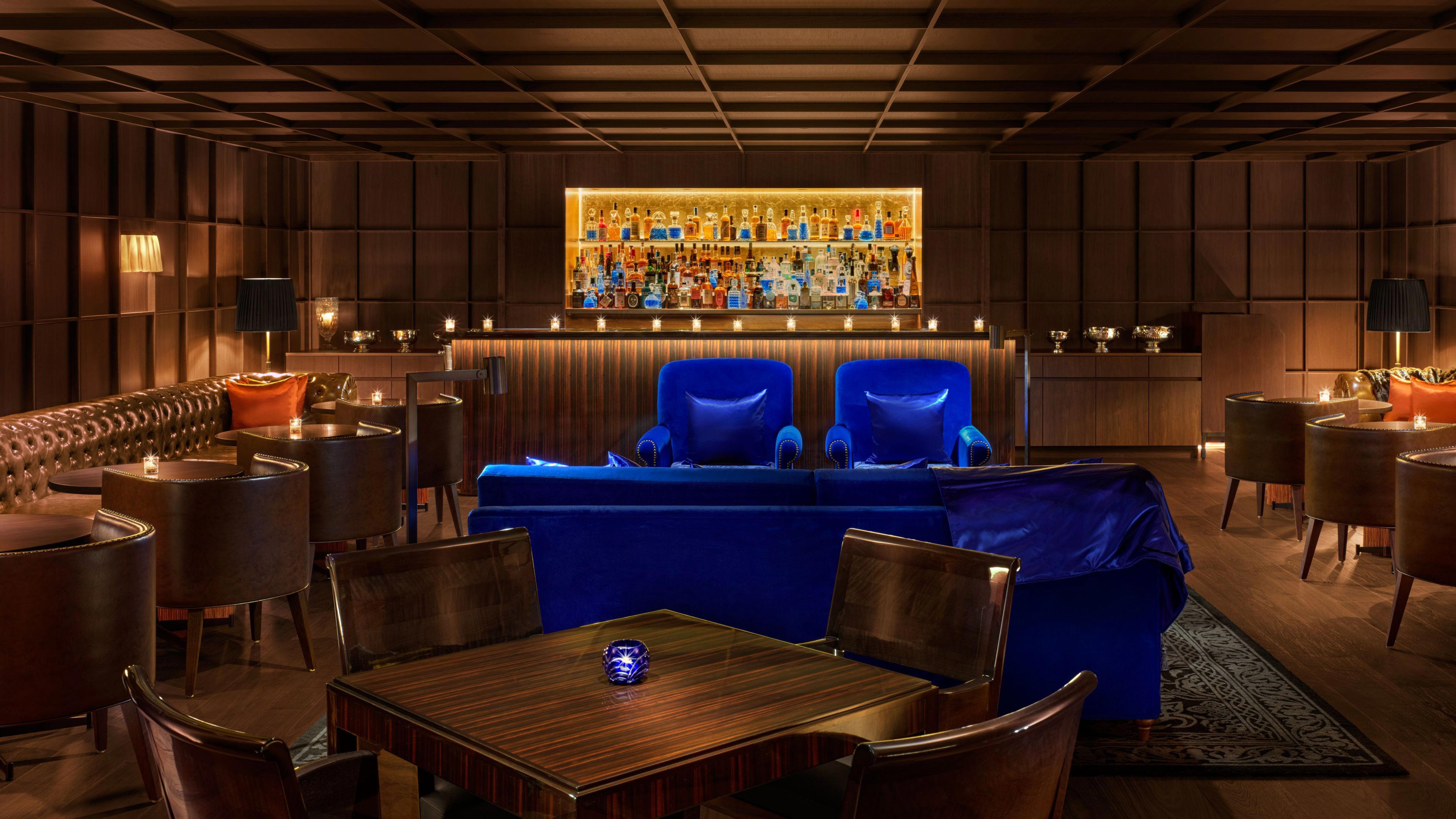
Tranquil and refined Japanese atmosphere with a focus on seasonal artistry, counter seating overlooking the kitchen, and private rooms for discreet dining.