


1 Michelin Star · Tabelog Bronze #266
Our verdict
Opened in Shirokane in September 2019, Sushi Matsuura holds a Michelin star (2024) and Tabelog Bronze Awards for both 2025 and 2026, with a score of 4.35. The eight-seat counter runs reservation-only omakase priced at JPY 30,000 per person from September 2025. Dinner operates across two seatings; Saturday adds a lunch service running the same course format.

Pearl is the En Primeur Club membership app, where members save venues, book tables and use the concierge.
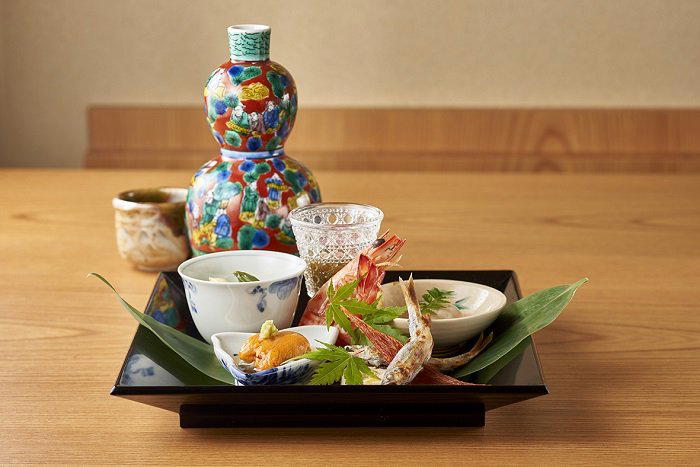
A Shirokane Counter in Context
Tokyo's omakase tier has never been more stratified. At the upper end sit counters with decades of lineage and Michelin constellations; below them, a dense middle band of technically accomplished rooms where the gap in quality is far narrower than the gap in profile. Sushi Matsuura, which opened in Shirokane's Wing Tsunashima building in September 2019, occupies that second tier with unusual conviction. By its sixth year of operation it had accumulated a Michelin star (2024), consecutive Tabelog Bronze Awards for 2025 and 2026, a Tabelog score of 4.35, and two selections to the Tabelog Sushi Tokyo Top 100 list (2022 and 2025). That is a credential stack that most counters opening in the same period have not matched.
Shirokane sits south of Hiroo in Minato Ward, a residential pocket that attracts serious neighbourhood restaurants rather than destination dining rooms built for tourist traffic. Compared to the Ginza belt, where counters like Sushi Kanesaka and Sukiyabashi Jiro Roppongiten operate at higher price points and greater international visibility, Shirokane trades in discretion. The eight-seat counter at Matsuura reflects that character: no private rooms, counter seating only, and a location that Tabelog itself categorises as a "hideout." Getting there requires an eight-minute walk from Shirokane Takanawa Station, past Kitasato University Hospital and a right turn at a Lawson convenience store.
The Arc of the Meal
Omakase in the Edomae tradition is built on sequencing. The progression from lighter, more delicate preparations toward richer, more intense pieces is not merely aesthetic; it reflects both the logic of palate fatigue and the chef's argument about what each fish can express at a given moment. At Matsuura, that argument is shaped by a background that began not in a sushi kitchen but at a fish market. The chef worked as a fishmonger before training as a sushi artisan, and that origin informs the sourcing sensibility that runs through the entire course: an orientation toward the fish itself, its provenance and its handlers, rather than toward technique as spectacle.
The meal opens with negitoromaki, a hand-formed roll of tuna and green onions. It is a considered opening choice. Where many counters begin with delicate white fish nigiri to calibrate the palate, a roll positions the meal as something more generous and less rigidly formal from the first piece. It sets a tone.
The course then moves through a selection that includes monkfish liver paired with kanpyo, the dried gourd strips that appear throughout traditional Edomae sushi. The pairing draws on a logic that any wine-trained diner will recognise immediately: the richness of monkfish liver against the sweet, fermented depth of kijoshu sake mirrors the classic pairing of foie gras with a botrytised wine. Kijoshu is brewed with sake instead of water, producing a wine-adjacent sweetness and viscosity that cuts through liver fat in the same way noble rot wine does. It is the kind of detail that reveals a kitchen thinking across culinary traditions without announcing it.
Drink list reinforces this approach. Matsuura specifies a particular focus on sake (nihonshu), alongside shochu and wine, which places it in a different register from counters that treat beverage as an afterthought. For a counter of eight seats, the depth implied in the sake selection is a meaningful commitment.
By the later stages of an omakase at this level, the sequencing should feel inevitable rather than arbitrary, and the selection at Matsuura draws consistent praise in that direction. The Tabelog review record describes the omakase as "wonderfully satisfying with its generous selection," a phrase that points toward abundance in the course construction rather than minimalism. At JPY 30,000 per person from September 2025, the counter sits at the lower end of Michelin-starred Tokyo omakase pricing. Counters at Harutaka, which operates at ¥¥¥¥, and peers like Edomae Sushi Hanabusa benchmark against a different price bracket. Matsuura's pricing, adjusted upward from September 2025 due to rising ingredient costs, still positions it as a point of entry into starred Tokyo sushi.
Service and Format
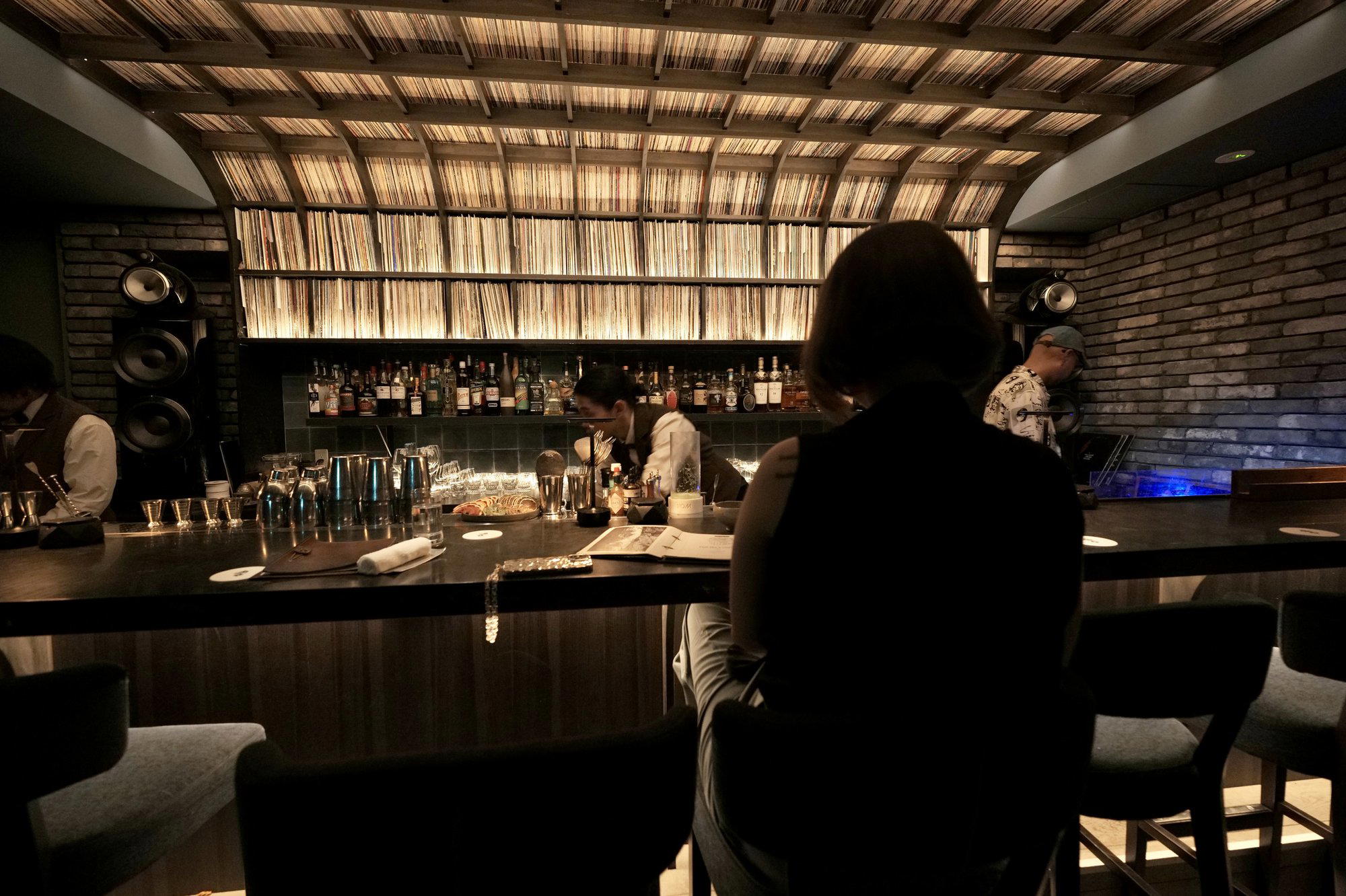
The counter holds eight seats. There are no private rooms. The space is described as a relaxing environment with counter seating only, which in Tokyo omakase terms is standard: the counter is the room. The format is reservation-only, with a 100% cancellation charge applied to same-day cancellations, a policy that reflects both the perishable nature of sushi-grade fish and the economics of an eight-seat room where a no-show creates a structural problem, not merely an inconvenience.
Dinner runs in two seatings: 17:00 to 19:30 and 20:00 to 22:30, with last seating at 20:00. Saturday adds a lunch service from 12:00 to 14:00 running the same course as dinner. The restaurant is closed on Sundays, public holidays, and every other Monday. Solo dining is explicitly flagged as a recommended occasion, a detail worth noting for travellers eating without a group.
The service philosophy, drawn from the Tabelog record, emphasises three qualities: awareness, attentiveness, and what is described as smiles. That framing is less sentimental than it sounds in the context of a counter where the chef is also the primary host. At eight seats, the ratio of attention to diner is high by design, and the social register of the room tilts warmer than the white-tablecloth formality of larger kaiseki establishments. Counters like Hiroo Ishizaka, operating in the same Minato Ward zone, offer a point of comparison for the neighbourhood's broader service character.
Tokyo Sushi Beyond This Counter
For travellers building a broader Tokyo itinerary, the omakase counter is one format among many. The city's restaurant culture extends well beyond sushi, and EP Club's guides map those options fully: see our full Tokyo restaurants guide, our full Tokyo bars guide, our full Tokyo hotels guide, and our full Tokyo experiences guide. For those moving beyond the capital, comparable levels of culinary seriousness operate in different formats across Japan: HAJIME in Osaka, Gion Sasaki in Kyoto, akordu in Nara, Goh in Fukuoka, 1000 in Yokohama, and 6 in Okinawa each represent their cities' serious dining tier. For those interested in how Tokyo-trained sushi culture translates internationally, Sushi Shikon in Hong Kong and Shoukouwa in Singapore operate within the same Edomae tradition. EP Club's Tokyo wineries guide covers the domestic wine scene for those looking to extend beyond sake.
Planning Your Visit
Sushi Matsuura operates on a reservation-only basis. The eight-seat counter and the counter's profile, with a Michelin star and sustained Tabelog recognition, means booking pressure is real; the Tabelog record notes that "reservations are hard to come by." Credit cards are accepted (Visa, Mastercard, JCB, Amex, Diners). Electronic money and QR code payments are not. Parking is unavailable on-site; coin parking operates nearby. The restaurant is non-smoking throughout. Children may attend by reservation only.
The omakase is priced at JPY 30,000 per person (including tax) for evening seatings from September 2025. Saturday lunch runs the same course. The address is 5-7-8 Shirokane, Minato-ku, Tokyo, Wing Tsunashima 1F, approximately eight minutes on foot from Shirokane Takanawa Station.
Quick reference: Reservation-only | 8 seats | JPY 30,000 omakase (from September 2025) | Michelin 1 Star (2024) | Tabelog Bronze 2025 and 2026 | Dinner: two seatings at 17:00 and 20:00, Mon–Fri; Saturday lunch 12:00 and dinner from 17:00 | Closed Sunday and public holidays.
What to Order at Sushi Matsuura
Sushi Matsuura runs a single omakase format with no à la carte option, so the question of what to order resolves quickly: you eat the full course. The course is structured around the chef's sourcing decisions on the day, which means the specific pieces will vary. What the Tabelog record confirms as recurring structural elements include the negitoromaki opening, the monkfish liver and kanpyo preparation paired with kijoshu sake, and an overall course architecture that reviewers consistently describe as generous. The sake pairing, particularly kijoshu, is worth engaging with rather than defaulting to wine; the flavour logic of the monkfish liver course is built around it. The course is the same format for both Saturday lunch and evening dinner seatings.
Frequently asked questions
What are the opening hours for Sushi Matsuura?
Hours at Sushi Matsuura: Mon, Tue, Wed, Thu, Fri 17:00 - 22:30.
What distinctions does Sushi Matsuura have?
Sushi Matsuura has received recognition including:
What should I order at Sushi Matsuura?
There is no ordering decision to make: Sushi Matsuura runs a single omakase course with no à la carte option. The meal opens with hand-delivered negitoromaki, and the course includes pairings such as monkfish liver and kanpyo rolls alongside kijoshu sake. Pricing from September 2025 is set at ¥30,000 per person including tax, placing it in the same tier as other Tabelog Bronze and Michelin-starred Tokyo counters.
What's the pricing like at Sushi Matsuura?
Pricing at Sushi Matsuura is listed as ¥¥¥.
Price Lens
Comparable venues nearby, for context on price, style, and recognition.
| Venue | Cuisine | Price | Awards | Notes |
|---|---|---|---|---|
| Sushi MatsuuraThis venue (the venue you are viewing) | Edomae-style Omakase Sushi | $100–150 | 1 Michelin Star · Tabelog Bronze #266 | Not listed |
| Edomae Shinsaku | Modern Edo-style Tempura | $200–300 | 1 Michelin Star · Tabelog Bronze #57 | Chūō, Modern Edo-style Tempura |
| Nodaiwa Azabu Iikura Honten | Traditional Kansai-Style Unagi | $50–100 | 1 Michelin Star · Tabelog 100 #95 | Minato, Traditional Kansai-Style Unagi |
| Jukuseizushi Yorozu | Aged Sushi Omakase | $200–300 | 1 Michelin Star | Shibuya, Aged Sushi Omakase |
| Jushu | Kansai-Style Kaiseki with Saga Ingredients | $200–300 | 1 Michelin Star | Minato, Kansai-Style Kaiseki with Saga Ingredients |
| Oku | Edomae Sushi Omakase | $150–200 | 1 Michelin Star · Tabelog 100 #69 | Taitō, Edomae Sushi Omakase |
Recognition history
Dated appearances from independent guides and award organizations, with the underlying list record or original source where available.
Michelin 1 Star
Michelin
Opinionated About Dining Top Restaurants in Japan Recommended
Opinionated About Dining
Tabelog Bronze #266
Tabelog
Full recognition history (5 entries)
Tabelog 100 #95 · No. 95
Tabelog · Tabelog 100 - Sushi - TOKYO - 2025
Michelin 1 Star
Michelin
Continue exploring
More in Tokyo
Restaurants in Tokyo
All restaurants in Tokyo →


Bars in Tokyo
All bars in Tokyo →





Details
- Elegant
- Intimate
- Sophisticated
- Special Occasion
- Date Night
- Chefs Counter
- Sake Program
- Sustainable Seafood
- Omakase
- Counter Dining
- Sake Program
Current opening hours
- Monday
- 5–10:30 p.m.
- Tuesday
- 5–10:30 p.m.
- Wednesday
- 5–10:30 p.m.
- Thursday
- 5–10:30 p.m.
- Friday
- 5–10:30 p.m.
- Saturday
- 12–10:30 p.m.
- Sunday
- Closed
Hours can change for holidays and private events. Hours as of .
Counter seating in a relaxing, understated luxury space with attentive service; room can feel slightly cold in winter.