Our verdict
Sushi Kenshin occupies a ground-floor address in Ebisu, one of Shibuya's quieter residential pockets, positioning it within the broader spread of Tokyo's serious omakase tier rather than the Ginza-Marunouchi corridor that draws most international attention. The wine dimension at counter-format sushi in Tokyo remains a niche conversation, and Kenshin sits inside that conversation.

Pearl is the En Primeur Club membership app — saves, bookings, and concierge access live there. Same editors, same standards.
- Address
- Japan, 〒150-0013 Tokyo, Shibuya, Ebisu, 2 Chome−8−13 KHビル 1F
- Phone
- +81354228270
- Hours
- Mon–Sat 5–11 PMSun Closed
- Website
- tabelog.com
- Directions
- Get directions
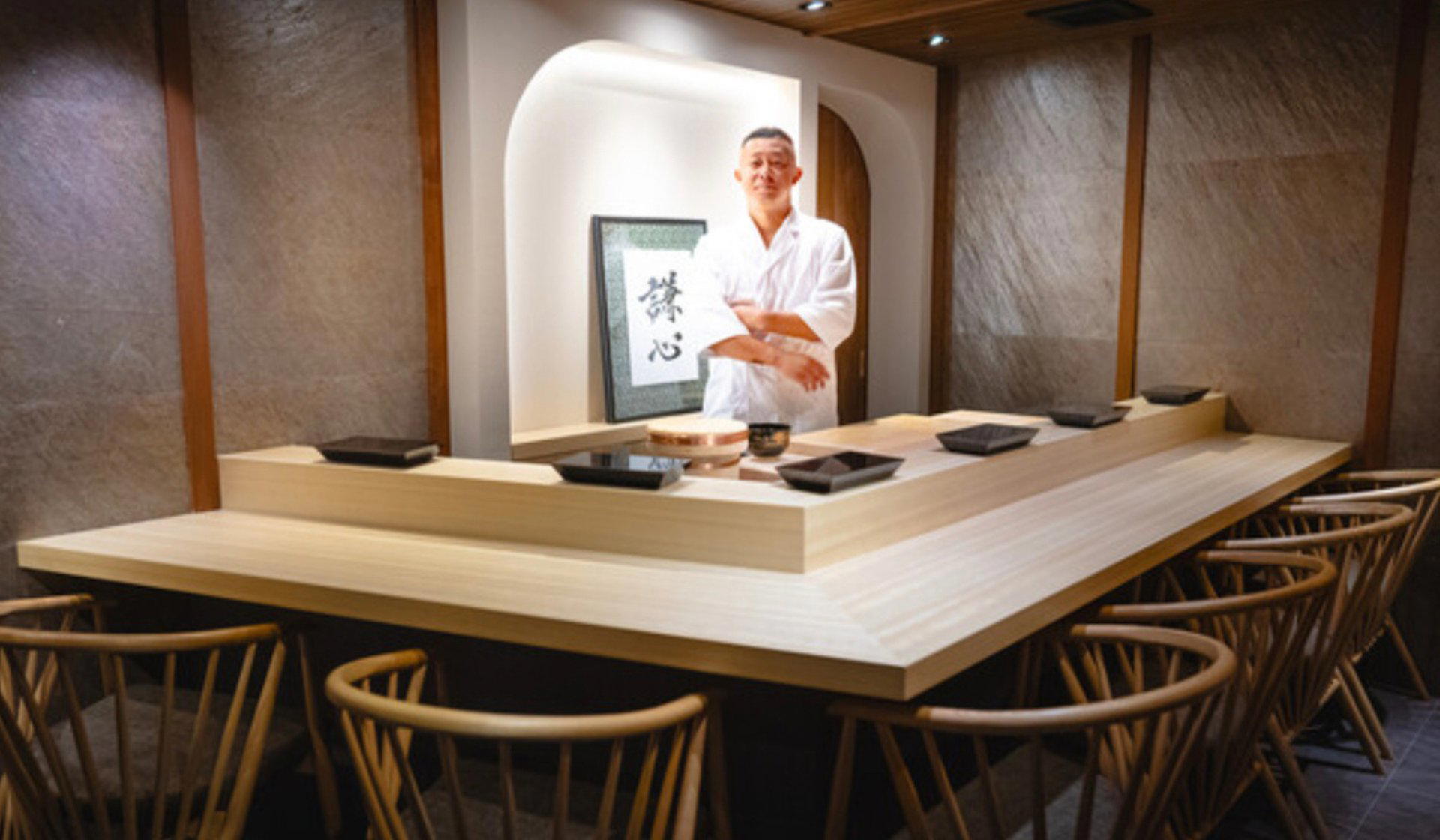
Ebisu and the Omakase Counter Outside the Obvious District
Tokyo's sushi culture has a geography problem — or rather, visitors do. The assumption that serious omakase belongs exclusively to Ginza or the high-rises of Marunouchi misses a quieter but equally considered tier of counter dining that has taken root in Shibuya's residential satellite neighbourhoods. Ebisu, a fifteen-minute walk south of Shibuya Station, carries a different register: less financial-district formality, more neighbourhood permanence. Sushi Kenshin sits on the ground floor of a low-rise building at 2-8-13 Ebisu, a location that signals local intent rather than tourist-facing visibility.
That geographic choice matters editorially. The counter restaurants that have established themselves in Ebisu and its immediate surrounds tend to attract a Tokyo-resident clientele — professionals, food-literate regulars, people who are not working from a guidebook shortlist. That dynamic shapes service style, pacing, and increasingly, the drinks program, because a repeat-visit crowd asks more of a wine list than a one-time international visitor typically does. For Harutaka and other counter destinations operating at the ¥¥¥¥ tier, the expectation of depth on the bottle list has been established for years. The question with a counter like Kenshin is whether that same logic applies at this address and price point.
The Wine Question at a Sushi Counter
Matching wine to omakase is a practice that has moved from novelty to expectation at Tokyo's upper tier over the past decade. What was once a short sake list with a few token Champagne options has, at the most considered counters, expanded into cellar programs with genuine depth, aged Burgundy, restrained Alsatian whites, and the occasional German Riesling that can hold against vinegared rice and fatty tuna in a way that fruit-forward New World bottles rarely manage.
The editorial angle here is structural: sushi and wine pairing rewards specific curation logic. The high acidity and low tannin profile that works across the arc of an omakase, from lighter white-fish courses through richer toro and aged preparations, points toward Champagne as the session-length option, but the most interesting pairings tend to come from a sommelier who has thought about individual courses rather than blanket recommendations. At counters like RyuGin, the drinks program is designed to move with the menu rather than sit beside it. Whether Kenshin's program reaches that level of integration is the relevant benchmark.
Across Japan's fine-dining circuit, from the kaiseki rooms of Kyoto, as at Gion Sasaki, to the more experimental formats at HAJIME in Osaka, the relationship between a tasting menu and its wine pairing has become one of the clearer markers of a kitchen's seriousness about the full dining proposition. A short or generic list reads differently now than it did fifteen years ago.
Counter Format and What It Demands
The omakase counter as a format concentrates attention in ways that larger dining rooms do not. There is nowhere for an off-note to hide, not in the fish, not in the rice temperature, not in the pacing of service, and not in a wine that arrives at the wrong moment. Tokyo's counter culture has made that intensity a selling point, and the Ebisu tier of venues has extended it to a clientele that expects consistency over months of return visits rather than a single showpiece evening.
That repeat-visitor dynamic has implications for cellar depth. A list that impresses on a first visit needs rotation and discovery to sustain a regular. The counters in the ¥¥¥¥ bracket that have built genuine reputations, Harutaka among them, tend to maintain lists that offer something new on each visit, whether through seasonal additions, small-producer discoveries, or vertical depth in a key producer. That is the standard against which any serious counter's wine program is measured in this city.
Internationally, the wine-at-sushi conversation has parallels at restaurants like Le Bernardin in New York, where the sommelier team has long argued that seafood-focused tasting menus reward wine more specifically than most kitchens allow, and at Atomix, where the Korean fine-dining format has developed its own pairing logic that borrows from but does not defer to European convention. Tokyo's sushi counters are in that same ongoing conversation about what thoughtful drinks service looks like when the food is highly specific.
Placing Kenshin in the Ebisu Scene
Ebisu's food scene has enough density to support serious venues without relying on destination-dining traffic. The neighbourhood's restaurant stock runs from approachable French bistros to tightly run Japanese counters, and it absorbs new openings without the pressure that a Ginza or Roppongi address creates. For a sushi counter, that environment means the pressure is quality-driven rather than profile-driven, which tends to produce better food and more considered service over time.
Tokyo's broader fine-dining geography rewards understanding beyond just the central districts. The French kitchens at L'Effervescence and Sézanne operate at the ¥¥¥¥ tier with a level of wine program investment that has reset expectations across categories. Even the innovative French format at Crony positions its drinks service as part of the core proposition. In that context, a sushi counter that takes the wine question seriously is participating in a city-wide shift rather than doing something unusual for its category.
For readers building a broader Japan itinerary, the context extends well beyond Tokyo. Smaller-city venues like akordu in Nara and Goh in Fukuoka demonstrate that the pairing conversation is not Tokyo-exclusive. Regional destinations including 一本木 名川製 in Nanao, 夕付山乃 in Sapporo, 湖邸庵 in Takashima, 鳥羽屋 in Nishikawa Machi, Birdland in Sakai, and Bistro Ange in Toyohashi each represent the way Japan's serious dining culture has distributed itself across the country rather than concentrating exclusively in its three largest cities. Our full Tokyo restaurants guide maps the broader picture for readers planning across neighbourhoods and price tiers.
Planning Your Visit
Sushi Kenshin is located at 2-8-13 Ebisu, Shibuya, Tokyo, ground floor of the KH building. Ebisu Station on the JR Yamanote Line and the Tokyo Metro Hibiya Line places the address within a short walk. As with most counter-format omakase in Tokyo at this address tier, advance reservation is the sensible approach; the format does not accommodate walk-ins in the way a larger restaurant might. Confirm current booking channels and hours directly, as smaller counters frequently update their reservation systems.
Frequently asked questions
What's Sushi Kenshin's location?
Sushi Kenshin is located at Japan, 〒150-0013 Tokyo, Shibuya, Ebisu, 2 Chome−8−13 KHビル 1F, Tokyo.
How does Sushi Kenshin's Ebisu location affect the overall dining experience compared to central Tokyo sushi counters?
Ebisu sits within Shibuya ward and carries a residential, lower-traffic character compared to the Ginza corridor where many internationally recognised Tokyo sushi counters are concentrated. That geography tends to shape the atmosphere: fewer tourists, more local regulars, and a room that does not run on the same high-visibility foot traffic. Access is practical — Ebisu Station on the JR Yamanote Line and the Tokyo Metro Hibiya Line both serve the area directly.
What's the must-try dish at Sushi Kenshin?
Omakase counters in Tokyo are chef-driven by design — the sequence and selection are set by the kitchen, not chosen from a menu. At an Ebisu-area counter operating at this format's conventions, the approach is to trust the progression entirely. The relevant preparation is dietary: flag allergies or strong aversions when booking, as substitutions at this format tier are handled at the chef's discretion rather than on request mid-service.
Should I book Sushi Kenshin in advance?
Counter-format omakase in Tokyo operates on limited seats and tightly managed sittings, which means walk-in access is rarely realistic. Venues in the Ebisu and broader Shibuya ward area — particularly those running chef-driven counters — typically fill days to weeks ahead. Contacting the venue directly as early as possible is advisable; Sushi Kenshin is located at 2-8-13 Ebisu, Shibuya, in the KH building ground floor.
Fast Comparison
Comparable venues nearby, for context on price, style, and recognition.
| Venue | Cuisine | Price | Awards | Notes |
|---|---|---|---|---|
| Sushi KenshinThis venue — the venue you are viewing | Edomae Omakase Sushi | $200–300 | Not listed | Not listed |
| おにく 花柳 | Michelin-starred Wagyu kaiseki / meat kappo | $200–300 | Black Pearl 1 Diamond | Ginza |
| Fukuji (ふぐ福治) | Fugu (Pufferfish) Fine Dining | $300–500 | Not listed | Ginza |
| Tori Chataro | Premium Yakitori Omakase | $100–150 | Tabelog Silver #13 | Shibuya |
| Rian | Kyoto-style Kappo | $150–200 | Michelin Plate | Minato |
| Terakoya Sushi Sho | High-end Edomae Omakase Sushi | $200–300 | Tabelog 100 #33 | Minato |












Details
- Intimate
- Elegant
- Cozy
- Date Night
- Special Occasion
- Chefs Counter
- Sake Program
- Omakase
- Counter Dining
- Wine
Current opening hours
- Monday
- 5–11 PM
- Tuesday
- 5–11 PM
- Wednesday
- 5–11 PM
- Thursday
- 5–11 PM
- Friday
- 5–11 PM
- Saturday
- 5–11 PM
- Sunday
- Closed
Hours can change for holidays and private events. Last verified .
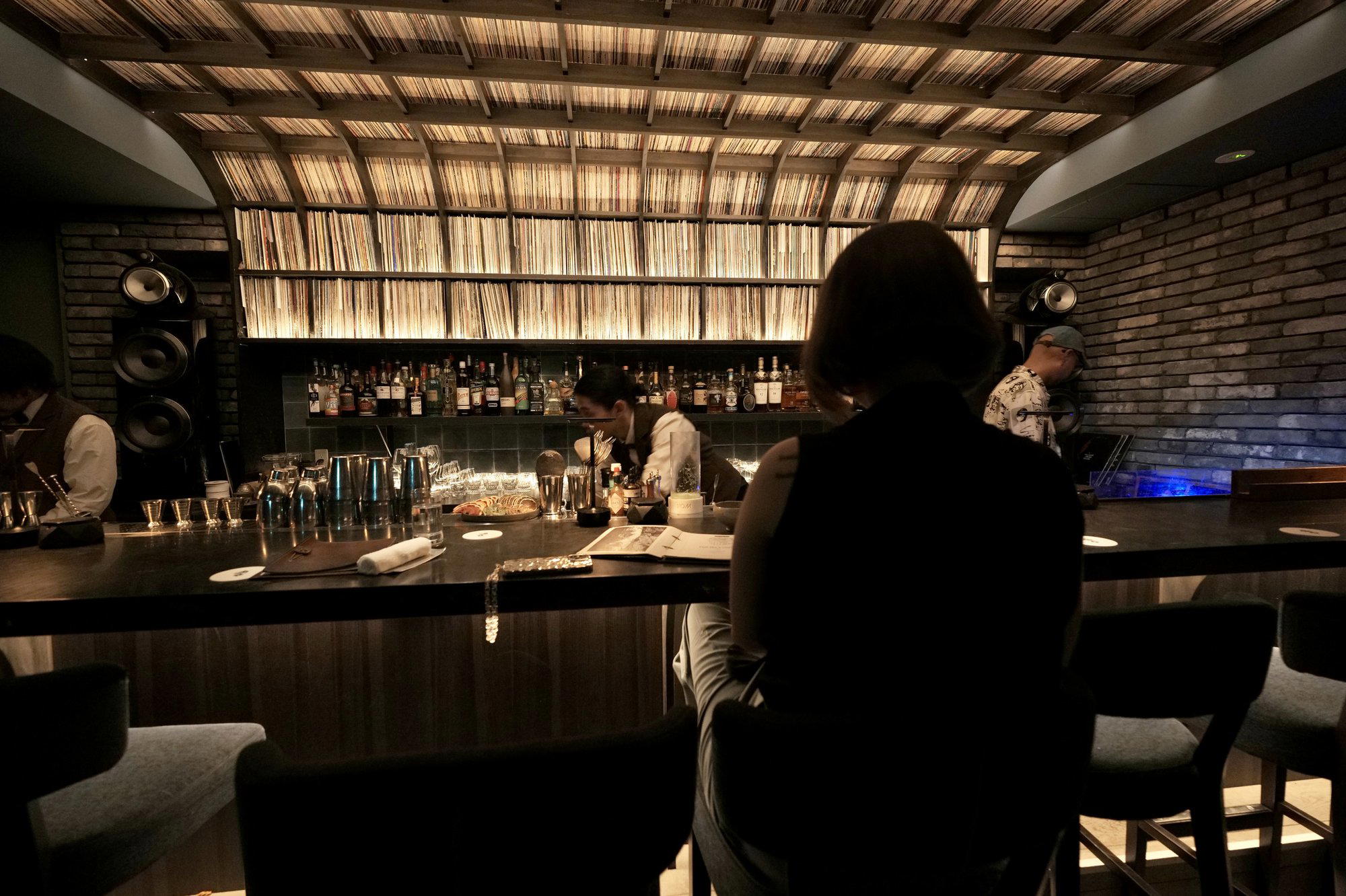
Cozy and intimate counter seating in a back alley hideaway with warm hospitality and precise craftsmanship.