Fukuji (ふぐ福治) occupies the third floor of a Ginza address at 銀座5-11-13, where Tokyo's tradition of fugu specialisation runs deepest. The restaurant sits within a category defined by strict licensing, precise preparation ritual, and a dining register that favours quiet ceremony over spectacle, placing it in a comparable set quite separate from the city's kaiseki or omakase counters.
Pearl is the En Primeur Club membership app — saves, bookings, and concierge access live there. Same editors, same standards.
- Address
- 銀座5-11-13 (幸田ビル 3F), 中央区, 東京都, 104-0061
 Saves & bookings on Pearl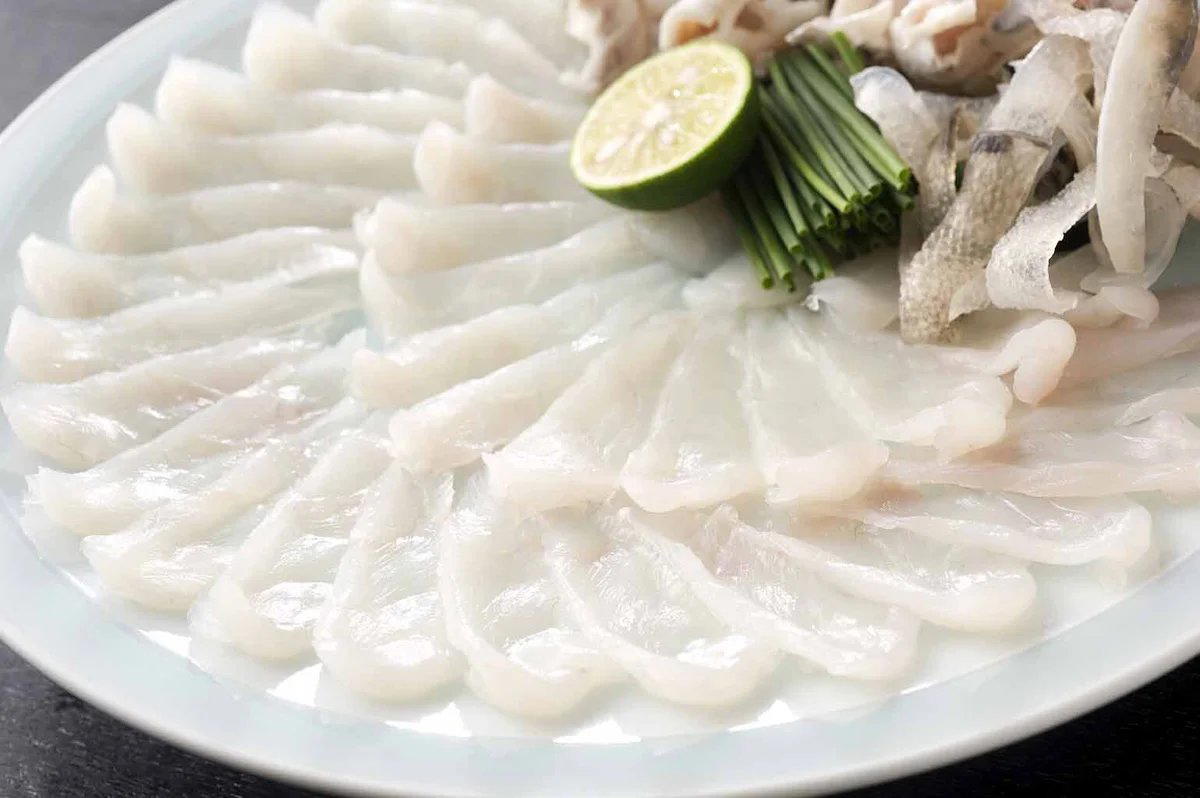
Ginza, Third Floor: What Fugu Dining Looks Like at This Level
In Tokyo's Ginza district, vertical real estate carries its own signal system. Ground-floor addresses here are retail and foot traffic; upper floors are where the city's more deliberate dining rooms tend to settle. Fukuji (ふぐ福治) sits on the third floor of the Koda Building at 銀座5-11-13, 中央区, Tokyo, a specialist fugu restaurant where courses are built around natural tiger blowfish. You arrive by elevator or staircase, not by window display. The room, when you reach it, is likely to be quieter than the street below, and that shift in register is deliberate. This is the physical grammar of serious fugu dining in Tokyo.
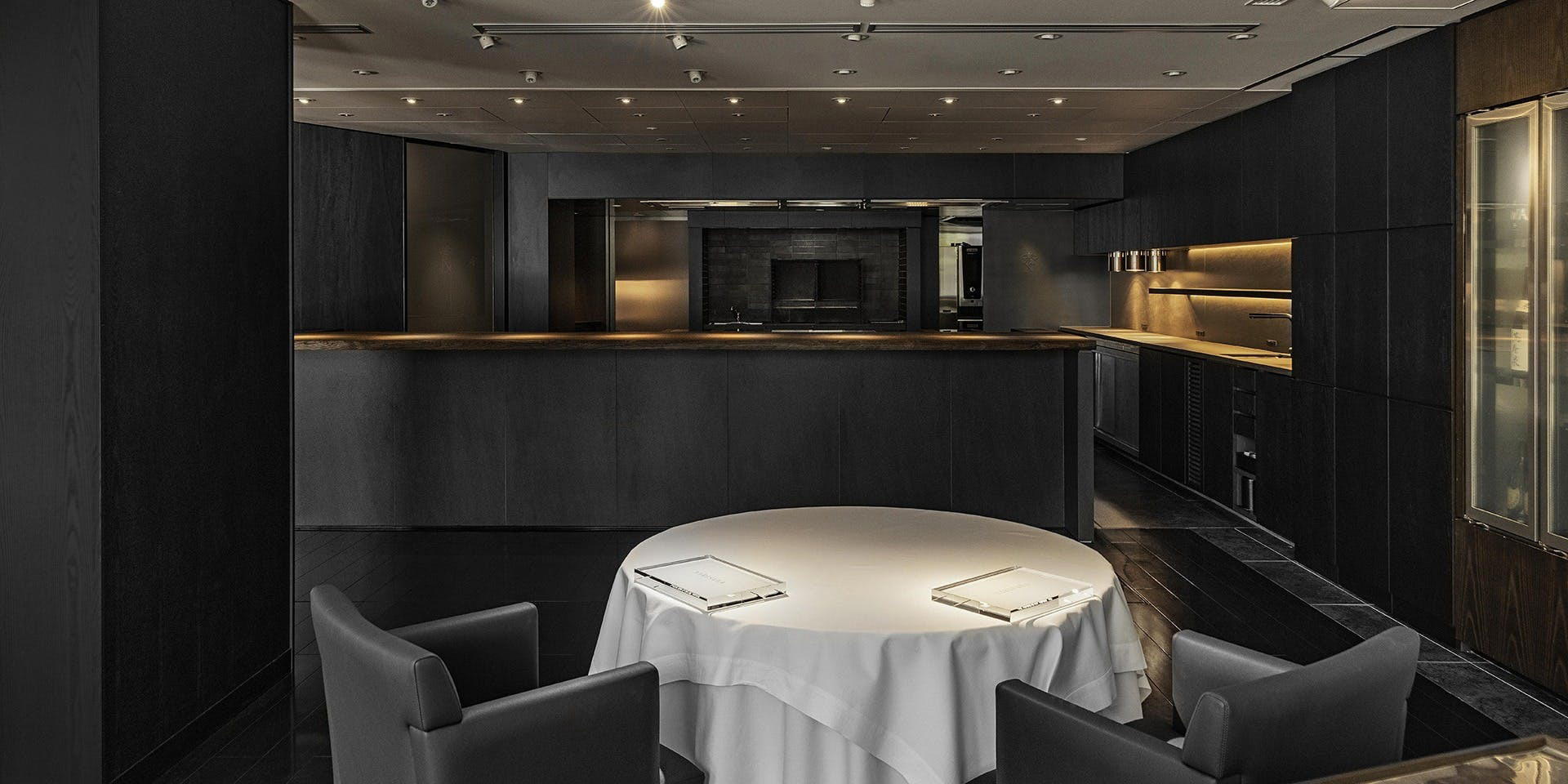
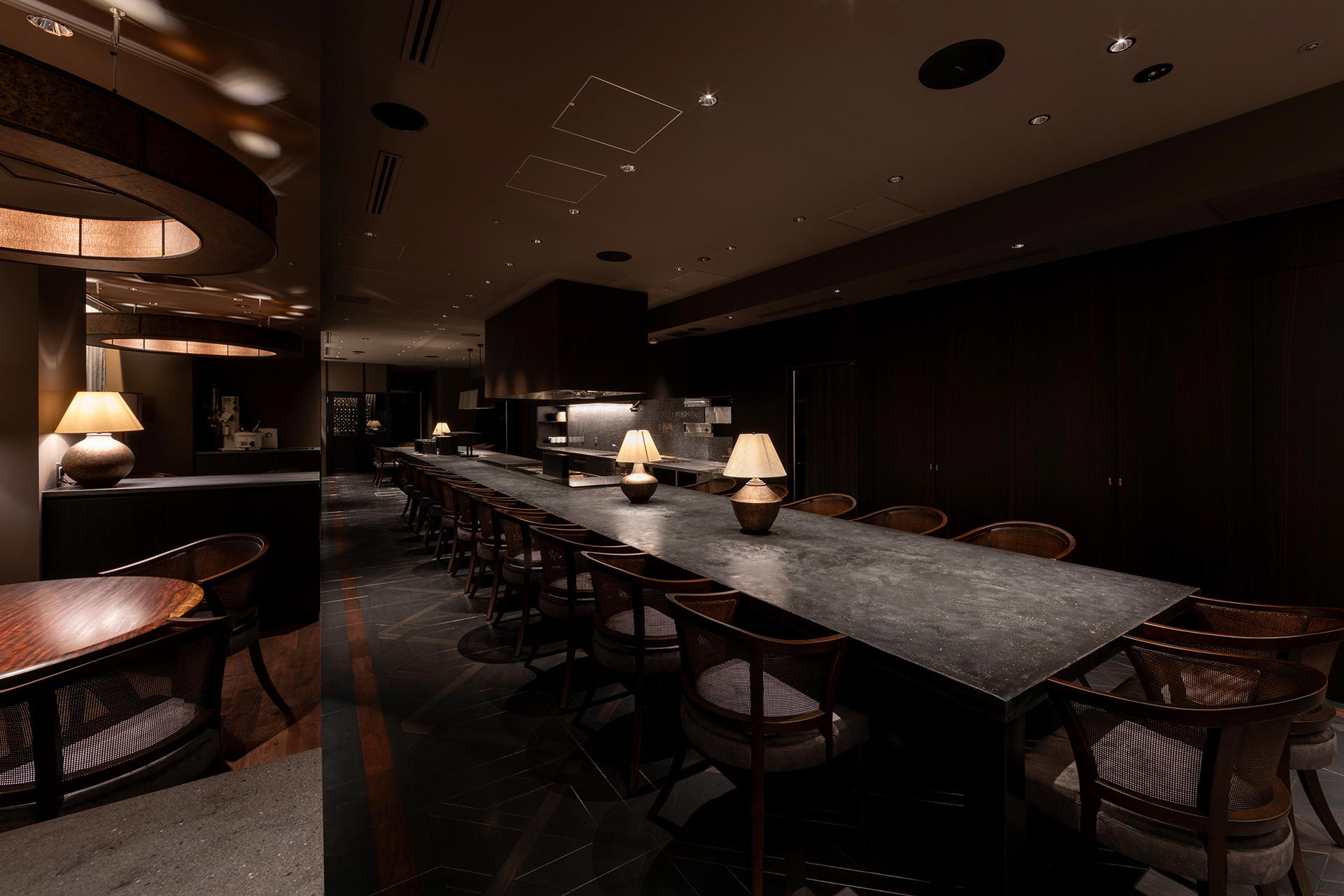
Fugu restaurants operate in a sensory mode that differs markedly from Tokyo's other premium categories. Where a sushi counter like Harutaka organises the evening around the counter as performance space, and a kaiseki room like RyuGin builds atmosphere through sequential course architecture, a fugu specialist structures the experience around a single ingredient and the rituals that surround it. The lighting tends toward the warm and dim. The pace is measured. The sounds are low conversation and ceramic on lacquer, not the rhythmic percussion of knife on cutting board.
The Fugu Tradition Fukuji Sits Within
Fugu, blowfish, remains among the more regulated ingredients in Japanese cuisine. Only licensed chefs may prepare it. The liver, one toxic part, is prohibited from sale in Tokyo's restaurants by municipal ordinance. This regulatory architecture is not incidental to the dining experience; it is part of what shapes the atmosphere. Eating fugu at a serious specialist counter involves an awareness, however background, that the kitchen has earned a credential specifically to serve this dish safely. That knowledge colours the room differently than any awarded menu can.
The tradition runs particularly deep in western Japan, with cities like Shimonoseki in Yamaguchi Prefecture historically driving the trade, but Tokyo's Ginza has long sustained its own fugu specialist culture, serving a clientele that values the ingredient's seasonality and ceremonial weight. Fugu season peaks in the colder months, roughly October through March, when the fish carries more fat and the tasting qualities are at their fullest. A Ginza address in mid-winter fugu season sits at the intersection of ingredient timing and neighbourhood prestige in a way that few other dining categories can replicate.
For a broader view of how Tokyo's specialist dining rooms relate to each other across neighbourhoods and cuisine categories, our full Tokyo restaurants guide maps the terrain.
Where Fukuji Sits in the Ginza Specialist Tier
Ginza's premium dining has stratified considerably over the past decade. The neighbourhood now contains multiple tasting-menu French rooms (including L'Effervescence and Sézanne), progressive Japanese concepts, and a cluster of single-ingredient specialists of which fugu rooms represent among the more traditionally defined subsets. Fukuji operates in that specialist tier, where the comparison is with other licensed fugu establishments in Ginza.
Within that set, the relevant comparison points are precision of preparation, depth of fugu-specific menu construction (the degree to which a kitchen works the ingredient across multiple preparations rather than a single course), and the overall dining register, meaning how formal the room feels and how much ceremony attends the meal. These are the axes on which fugu specialists differentiate themselves from one another, and they are quite different from the axes that matter at an innovative French room like Crony.
Sensory Notes on What Fugu Dining Involves
Tessa (テッサ), fugu sashimi cut paper-thin and arranged in floral patterns on a ceramic platter, is the visual centrepiece of most high-end fugu meals and one of the more photographed presentations in Tokyo dining. The slices are near-translucent, the arrangement methodical. Alongside it, the meal typically moves through tessa's textural opposite, fugu-chiri, a hot pot preparation in which the fish is cooked in dashi alongside tofu, vegetables, and chrysanthemum leaves, producing a broth that deepens as the meal progresses.
The closing of a fugu meal often involves zosui, the rice porridge made by cooking rice in the remaining hot pot broth, which concentrates the fugu flavour into its simplest, most direct form. This three-part arc, raw to simmered to absorbed, gives a fugu specialist dinner a narrative completeness that is structural rather than decorative. It is a different kind of progression than the seasonal kaiseki sequence, and it rewards a different quality of attention.
Fugu Dining Across Japan
Serious fugu restaurants are not distinctive to Tokyo. The tradition extends across Japan with regional variations in sourcing and preparation approach. Among restaurants EP Club covers, the range of serious Japanese dining runs from Gion Sasaki in Kyoto and HAJIME in Osaka to more regional specialists like Goh in Fukuoka, Aji Arai in Oita, and akordu in Nara. Further afield, Abon in Ashiya, affetto akita in Akita, aki nagao in Sapporo, Ajidocoro in Yubari District, and Akakichi in Imabari each represent the breadth of serious Japanese dining outside the major urban centres. For international comparison, the single-ingredient precision that defines a fugu counter shares a philosophical register with the technical discipline at rooms like Le Bernardin in New York City or the experiential commitment of Lazy Bear in San Francisco, even if the cuisines are entirely different.
Planning Your Visit
Fukuji is located at 銀座5-11-13, 幸田ビル 3F, 中央区, Tokyo 104-0061. The address is a short walk from Ginza Station on the Ginza, Marunouchi, and Hibiya lines. Given the nature of fugu specialist dining in Ginza, fixed course structures, limited seating typical to the category, and peak-season demand between October and March, advance reservation is the standard approach.
| Venue | Category | Price Tier | Format |
|---|---|---|---|
| Fukuji (ふぐ福治) | Fugu specialist | Not confirmed | Course-based, specialist |
| Harutaka | Sushi | ¥¥¥¥ | Omakase counter |
| RyuGin | Kaiseki | ¥¥¥¥ | Tasting menu |
| L'Effervescence | French | ¥¥¥¥ | Tasting menu |
| Crony | Innovative French | ¥¥¥¥ | Tasting menu |
The Minimal Set
Comparable venues nearby, for context on price, style, and recognition.
| Venue | Cuisine | Price | Notes |
|---|---|---|---|
| Fukuji (ふぐ福治)This venue — the venue you are viewing | Ginza, Natural Tiger Fugu Fine Dining | $$$$ | Not listed |
| TOKYO Whisky Library – Premium Whisky Bar & Restaurant | Not listed | $$$$ | Minato, Modern Japanese Grill & Whisky Bar |
| USHIGORO S. GINZA | Not listed | $$$$ | Chūō, Luxury Yakiniku (Japanese BBQ) |
| Kitagawa | Chūō, Modern Japanese Kappo | $$$$ | Not listed |
| Yakatabune Izanagi | Not listed | $$$$ | Shinagawa, Wagyu Omakase on Tokyo Bay Yakatabune |
| TEPPANYAKI SOUTHERN | Shinagawa, Teppanyaki Steakhouse | $$$$ | Not listed |









At a Glance
- Elegant
- Sophisticated
- Intimate
- Classic
- Date Night
- Special Occasion
- Business Dinner
- Private Dining
- Sake Program
- Sustainable Seafood
Calm and clean space with a dignified atmosphere, featuring counter seating and private rooms.