
Terakoya Sushi Sho belongs to Tokyo’s small-counter sushi tier, where counter discipline, fish selection, and pacing matter more than spectacle. In Toranomon’s Azabudai Hills orbit, it brings an eight-seat counter format into a district better known for polished redevelopment than old-market nostalgia, with Tabelog Sushi TOKYO 100 recognition in 2025 anchoring its reputation.
Pearl is the En Primeur Club membership app — saves, bookings, and concierge access live there. Same editors, same standards.
- Address
- 5 Chome-9-1 Toranomon, Minato City, Tokyo 105-0001, Japan
- Phone
- +81 3-6450-1023
- Website
- azabudai-hills.com
 Saves & bookings on Pearl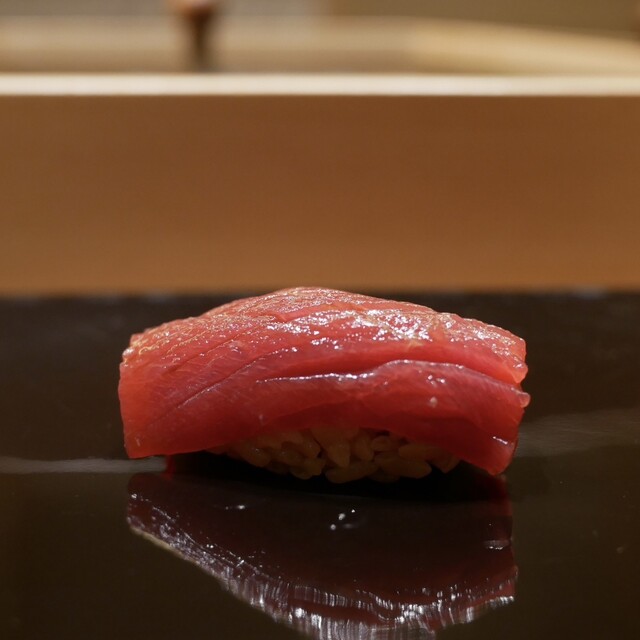
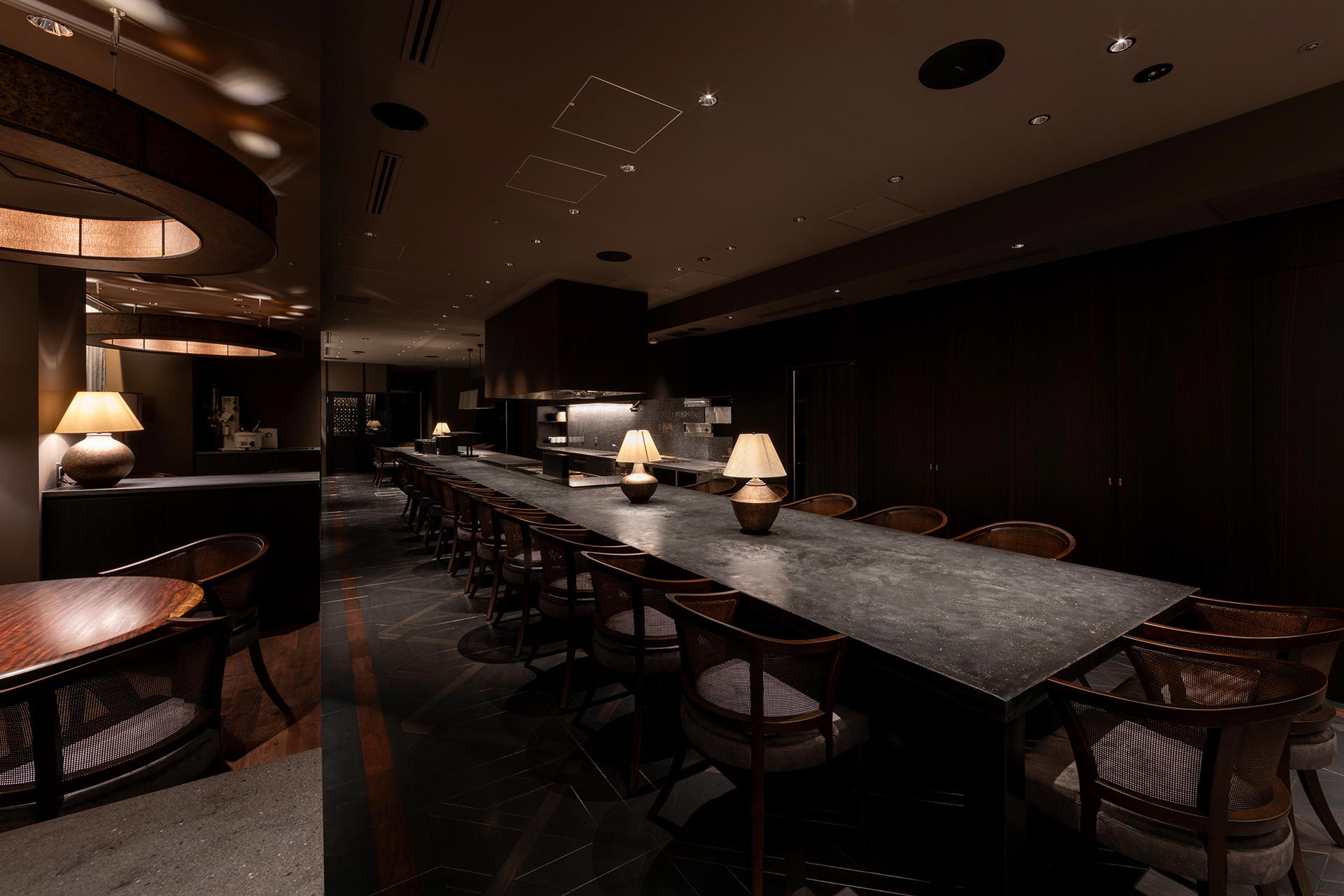
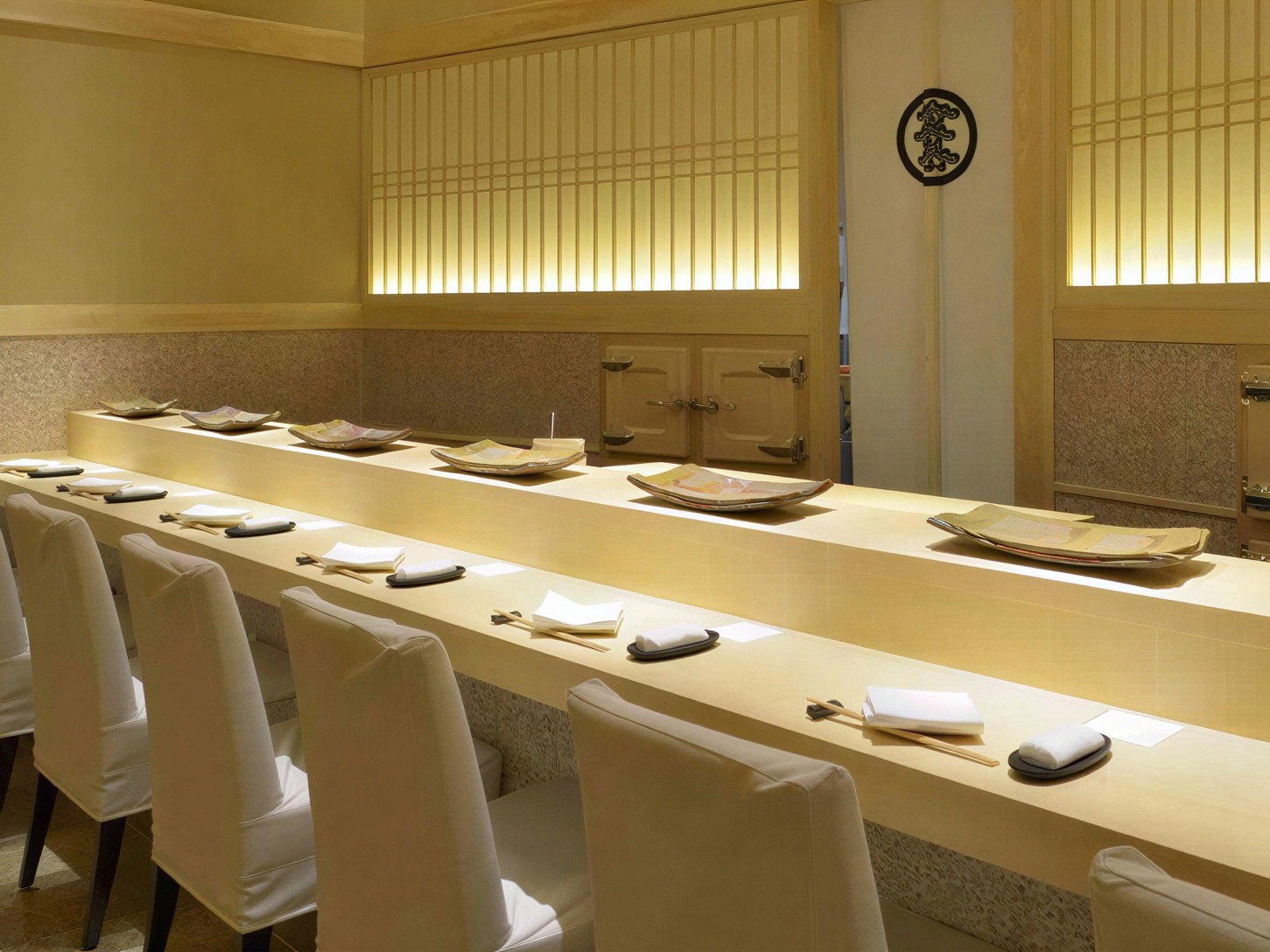
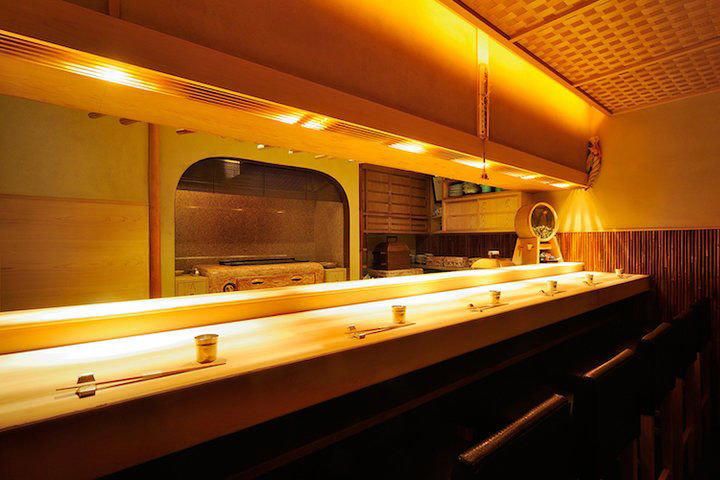
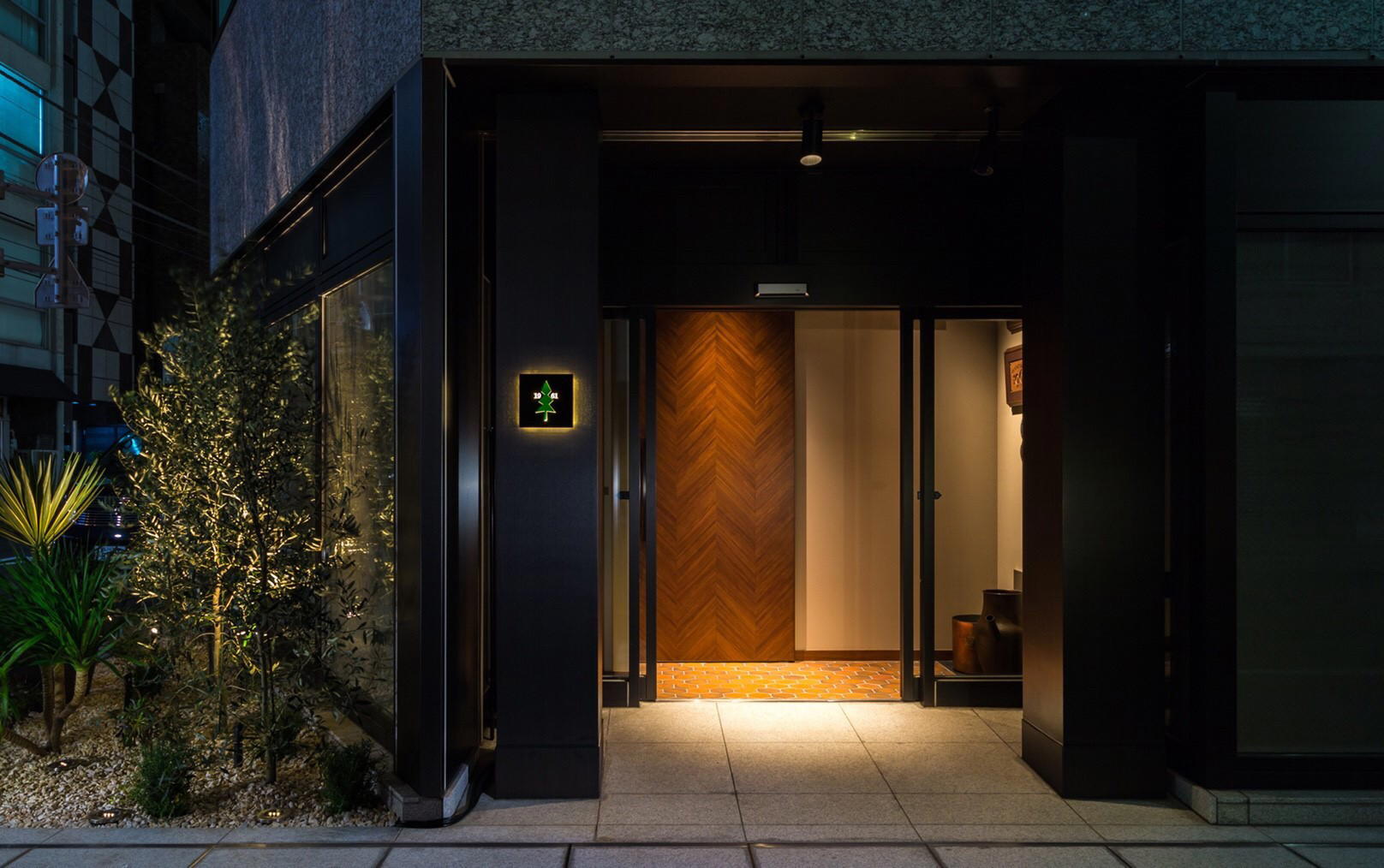
Approaching a serious Tokyo sushi counter is rarely dramatic. Stronger rooms reduce signals: a short entrance, controlled room, and counter where every movement is visible. Terakoya Sushi Sho follows that grammar through proximity: eight counter seats and a waiting bar keep the meal narrow and observational, where Edomae sushi works hardest. The room is a tool for timing, temperature, and attention.
Tokyo sushi culture rewards compression. A counter can say more than a dining room because it leaves less room for performance. Rice is formed in front of the diner, fish moves in short sequences, and cadence matters more than abundance. That makes serious sushi hard to compare with broader fine dining. A French tasting room such as Florilège uses choreography across a larger vocabulary; a tempura counter such as Tempura Nitome is also counter-led, but its drama is heat, batter, and oil. Sushi asks for quieter scrutiny. The handoff between chef and guest is the point.
A Toranomon sushi counter in a city of specialist rooms
Toranomon has become one of Tokyo’s more telling dining districts because it does not rely on the romance of old lanes and postwar drinking streets. Newer developments draw high-budget restaurants, hotel guests, office dining, and destination counters, putting traditional formats inside a cleaner, corporate urban frame. Without neighbourhood nostalgia, the counter must earn attention through format and execution.
Terakoya Sushi Sho’s recognition in Tabelog Sushi TOKYO 100 for 2025 places it inside a densely competitive sushi city, not a broad restaurant category. Tokyo has excellent yakitori, curry, tempura, French, Italian, and kappo, but sushi is its own pressure chamber, where diners judge minute differences in rice texture, fish treatment, serving rhythm, and counter conduct. A Tabelog score of 4.02 reinforces that it is being assessed by an audience fluent in the category’s codes, not casual novelty.
The name signals something within Tokyo sushi. “Sushi Sho” points to a lineage associated with a more expansive Edomae sensibility, where small portions, alternating preparations, and close attention to fish condition have influenced a generation of counters. Without turning lineage into biography, that context explains the audience: diners seeking not just luxury sushi, but a counter language privileging control and variation over theatrical excess.
That is the useful comparison with Tokyo peers. スガラボ sits in a different private-club-like lane of Tokyo dining, while Pizza 4P's shows how the city absorbs casual imported formats at scale. Sushi at this price and recognition tier is narrower, more ritualised, and less forgiving. The counter holds attention through repetition and detail, or it does not.
Edomae discipline without museum-piece nostalgia
Edomae sushi began as a Tokyo food of preservation, speed, and seasonality: vinegared rice, treated seafood, and a compact exchange between maker and eater. Contemporary high-end counters have turned that history into precise luxury, but the root is practical, not decorative. The strongest modern rooms do not explain tradition because it is embedded in sequence, spacing, and restraint.
The available food signal here is direct: a focus on fish. That may sound obvious, but in Tokyo it matters. Some counters foreground rice, aging, vinegar blends, or a chef’s signature; others lean into luxury ingredients and recognisable seasonal markers. A fish-led identity returns emphasis to sourcing, cut, treatment, and timing. Judge the meal less by one named piece than by whether the sequence maintains tension from start to finish.
Drink structure follows the same logic. Sake, shochu, and wine are listed, placing the counter in the contemporary Tokyo pattern rather than an old-school sake-only frame. Serious sushi rooms increasingly accommodate wine without surrendering the Japanese grammar of the meal. Drinks should support rice vinegar, fat, salt, and marine sweetness, not dominate a short counter sequence.
Tokyo’s broader dining map clarifies the choice. For grilled seafood and casual Japanese drinking-room energy, . 鮪と炭火焼き うお炭 秋葉原店 points elsewhere. For yakitori, 124. KAGURAZAKA (Yakitori) belongs to a separate craft tradition of skewers, smoke, and chicken butchery. For curry, 3 Chome no Curry Ya San answers a different Tokyo appetite. Terakoya Sushi Sho is for the controlled pressure of a sushi counter, not the breadth of a general night out.
Who this counter suits
This is not the Tokyo choice for travellers trying to sample as many flavours as possible in one evening. It is a specialist booking for diners who know why an eight-seat counter can carry more weight than a room with a long menu. The restaurant opened in 2023, and its 2025 Tabelog Sushi TOKYO 100 selection gives it a contemporary profile rather than the institutional aura of older counters. It belongs to a newer Toranomon dining story: traditional Japanese formats inside Tokyo’s latest luxury districts.
The counter format sets behavioural expectations. Serious sushi in Tokyo depends on close quarters, so fragrance, punctuality, and attentiveness are not etiquette trivia; they affect other diners and the chef’s pacing. The restaurant explicitly asks guests to avoid strong perfume, aligning with the category’s dependence on aroma, temperature, and subtle changes in fish and rice. Private rooms are not part of the format, so this is a counter meal in the direct sense.
Planning a Tokyo dining trip around this room works better with contrast. A night at 12/10 Shinjuku ten reads differently from a Toranomon sushi counter; 2D Cafe belongs to Tokyo’s visual-café culture, not its craft-counter tradition. Beyond the capital, map other Japanese formats through -Grilled beef Sukiyaki- KAMAKURA TANUKIAN 鎌倉 たぬき庵 in Kamakura, [ki:] in Kyoto.cafe in Osaka.know in Kumamoto, (Shoku) Vietnam in Kawasaki, and [Curry Senmon Ten] Maruyama Kyoju. in Sapporo. The comparison is not ranking; it shows how specific Japanese dining formats demand different attention.
For a wider Tokyo itinerary, use Our full Tokyo restaurants guide alongside Our full Tokyo hotels guide, Our full Tokyo bars guide, Our full Tokyo wineries guide, and Our full Tokyo experiences guide. For readers tracking Japanese food culture abroad, Jōdo Saké Bar in Los Angeles and Onigiri Time in Pasadena show how narrower Japanese formats translate outside Japan, though the Tokyo sushi counter remains a category with its own rules.
Compact Comparison
Comparable venues by category and price.
| Venue | Cuisine | Price | Notes |
|---|---|---|---|
| Terakoya Sushi ShoThis venue — the venue you are viewing | Minato, High-end Edomae Omakase Sushi | $$$$ | Not listed |
| すが弥 | Minato, Edomae Sushi Omakase | $$$$ | Not listed |
| Yakitori Hirako | Not listed | $$$$ | Minato, Modern farm-to-table yakitori omakase |
| Otani No Sushi | Minato, Traditional Japanese Omakase | $$$$ | Not listed |
| Watanabe | Not listed | $$$$ | Minato, Seasonal Japanese Omakase Counter |
| 天てんぷら うち津 | Not listed | $$$$ | Shibuya, Traditional Japanese Tempura Omakase |
Recognition history
Dated appearances from independent guides and award organizations, with the underlying list record or original source where available.
Tabelog 100 #33 · No. 33
Tabelog · Tabelog 100 - Sushi - TOKYO - 2025






At a Glance
- Intimate
- Elegant
- Sophisticated
- Modern
- Special Occasion
- Celebration
- Business Dinner
- Date Night
- Solo
- Chefs Counter
- Design Destination
- Standalone
- Sake Program
- Extensive Wine List
- Sustainable Seafood
Current opening hours
- Monday
- 6–11 PM
- Tuesday
- 6–11 PM
- Wednesday
- 6–11 PM
- Thursday
- 6–11 PM
- Friday
- 6–11 PM
- Saturday
- 5–10 PM
- Sunday
- 5–10 PM
Hours can change for holidays and private events. Last verified .
Refined, modern counter-only sushi bar with calm, focused energy where guests quietly watch the chef prepare an extended omakase in front of them.