

Tabelog Bronze #73
Our verdict
Sushi Fujinaga sits in Azabu-Juban’s compact, high-price sushi tier, where counter discipline and reservation-only service matter as much as name recognition. Its 2026 Tabelog Bronze award, 2025 Tabelog 100 Sushi Tokyo selection, and Opinionated About Dining Recommended listing place it firmly inside Tokyo’s serious omakase conversation rather than the city’s casual sushi economy.

Pearl is the En Primeur Club membership app, where members save venues, book tables and use the concierge.
The menu
What to order
- Otoro nigiri
- Nodoguro aburi
- Torutaku gunkanmaki
Azabu-Juban does not announce expensive counters with theatre. The neighbourhood works quietly: low-rise side streets, embassy-adjacent calm, and dining rooms above street level. Sushi Fujinaga fits a Tokyo genre built on compression: a small room, fixed rhythm, and a meal judged by pace, temperature, seasoning, and attention rather than spectacle.
Tokyo’s sushi hierarchy is often misunderstood outside Japan. Michelin stars explain part of the market, but domestic signals also read demand and peer position. A 2026 Tabelog Bronze award, a 2025 Tabelog 100 Sushi Tokyo selection, and an Opinionated About Dining Recommended listing put this address in the serious sushi bracket, especially for diners comparing counters by local recognition rather than hotel-concierge familiarity.
Azabu-Juban's small-counter sushi economy rewards control, not display
The contemporary Tokyo omakase counter is a study in scarcity. Twelve seats is common at the upper end, changing the contract: everyone moves through the same sequence, lateness disrupts the room, and conversation competes with explanation. The better small counters read less like Western à la carte restaurants than timed performances governed by craft rules.
This is where Tokyo sushi diverges from the international luxury template. The room needs no grand lobby, wine tower, or table-side parade to signal seriousness. The proof sits in the format: reservation-only service, two evening seatings, no private rooms, and a non-smoking policy indicate a counter designed for concentration. The diner is asked not to admire abundance, but to follow a sequence.
Price is another sorting mechanism. The dinner range of JPY 60,000 to JPY 79,999 places the meal above casual omakase and into a category where expectations narrow. At this level, Tokyo diners have little patience for looseness: rice temperature, fish handling, knife work, seasoning balance, and tempo between pieces all matter. Awards do not guarantee the experience, but they identify counters with enough domestic traction to merit consideration.
Azabu-Juban matters. Ginza still carries the strongest global shorthand for luxury sushi, but Minato’s residential dining pockets offer a different appeal: less ceremony around arrival, more emphasis on regulars, and a quieter relationship between neighbourhood and counter. That suits travellers who want Tokyo sushi without treating the meal as a photo opportunity.
The pasta brief does not apply here; the discipline is sushi sequencing
Tokyo’s Italian scene has its own grammar: handmade pasta, regional fidelity, and how far Japanese seasonality can bend classic sauce logic. For that comparison, addresses such as Acid Brianza, AlCeppo, ALTER EGO, Aman, and Appia sit closer to the pasta conversation. The useful point is contrast. Handmade pasta asks whether dough, shape, and sauce cohere; sushi asks whether rice, fish, vinegar, and timing cohere. Both traditions punish excess through different mechanics.
At a sushi counter, Italian sauce philosophy has an analogue in seasoning restraint. Pasta depends on emulsion, starch, fat, salt, and regional memory. Sushi depends on shari calibration, neta preparation, and the short window in which a piece should be eaten. The shared lesson is technical economy: fewer components mean fewer places to hide. Serious Tokyo counters and serious pasta kitchens reveal standards through repetition rather than novelty.
That distinction sets expectations for Sushi Fujinaga. The category is sushi, not Italian, so the editorial lens should follow the counter rather than the chef-as-personality model. Chef names can matter in Tokyo, but the stronger reading is structural: small capacity, domestic recognition, and a reservation-only format place the meal in the city’s disciplined omakase tier. Masato Hirai is listed as chef in the venue profile, while award listings also associate the restaurant with Daisuke Fujinaga; either way, the meal is best understood through format, not biography.
For travellers building a Tokyo dining itinerary, this avoids a common mistake: collecting famous names across unrelated formats without considering the kind of evening each demands. A pasta room can absorb conversation and pacing variation more easily than a sushi counter. A counter with synchronized service expects focus. That is not severity for its own sake; it protects timing.
How to place it within a Tokyo dining week
A meal here belongs in the part of a Tokyo trip reserved for concentration. It is not the flexible dinner after a late museum stop, nor the night for a large group wanting private-room ease. It suits an uncluttered day, especially if the itinerary already includes bars, hotel dining, and casual neighbourhood meals. For broader planning, Our full Tokyo restaurants guide gives city context, while Our full Tokyo hotels guide, Our full Tokyo bars guide, Our full Tokyo wineries guide, and Our full Tokyo experiences guide help structure the surrounding days.
The stricter house rules are part of the format, not an obstacle. No smoking, no recording during explanations, restrictions around menu photography, punctual arrival, and avoidance of strong scents all serve one priority: preserving the counter environment. Tokyo has many restaurants where spontaneity is part of the pleasure. This is not that category. The reward is controlled intimacy; the cost is accepting the room’s terms.
Comparison matters beyond Tokyo. Japan’s dining map is dense enough that sushi can sit alongside sukiyaki, curry, cafes, Vietnamese cooking, and contemporary Kyoto kitchens within one broader itinerary. Readers extending travel outside the capital may contrast the formality here with -Grilled beef Sukiyaki- KAMAKURA TANUKIAN 鎌倉 たぬき庵 in Kamakura.cafe in Osaka.know in Kumamoto, (Shoku) Vietnam in Kawasaki, [Curry Senmon Ten] Maruyama Kyoju. in Sapporo, and [ki:] in Kyoto. The contrast is instructive: Japanese dining culture is not one hierarchy but formats, each with its own rules of attention.
International Italian references sharpen that point. 112 Eatery, Italian in Minneapolis and 8 1/2 Otto e Mezzo Bombana (Hong Kong), Italian in Hong Kong operate in a different language, but underline how format shapes expectations. A pasta-focused restaurant can be judged by generosity, regional quotation, and sauce architecture. A Tokyo sushi counter is judged by sequence, restraint, and precision under pressure. Sushi Fujinaga belongs to the latter category, the lens that makes the room legible.
Frequently asked questions
Where do I go for Sushi Fujinaga?
Sushi Fujinaga is located in Tokyo.
What kind of cuisine does Sushi Fujinaga serve?
Sushi Fujinaga serves Italian cuisine.
When is Sushi Fujinaga open?
Hours at Sushi Fujinaga: Hours: Monday 6–10:30 pm Tuesday 6–10:30 pm Wednesday Closed Thursday 6–10:30 pm Friday 6–10:30 pm Saturday 6–10:30 pm Sunday 6–10:30 pm.
Who is the chef or culinary lead at Sushi Fujinaga?
The chef associated with Sushi Fujinaga is Masato Hirai.
What It’s Closest To
Comparable venues for context, by category and price tier.
| Venue | Cuisine | Price | Awards | Notes |
|---|---|---|---|---|
| Sushi FujinagaThis venue (the venue you are viewing) | Modern Japanese Omakase | $300–500 | Tabelog Bronze #73 | Not listed |
| Nikusho Horikoshi | Japanese | Not listed | Not listed | Minato |
| Isoda | Kyoto-style Kaiseki Omakase | $300–500 | Tabelog Silver #45 | Chūō |
| Sushiya Ichiyanagi | Edomae Sushi Omakase | $150–200 | Tabelog 100 #1 | Chūō |
| Kodama | Modern Japanese Kaiseki | $150–200 | Not listed | Minato |
| Sushi Ochi | Traditional Japanese Sushi | $30–50 | Tabelog 100 #60 | Minato |
Recognition history
Dated appearances from independent guides and award organizations, with the underlying list record or original source where available.
Opinionated About Dining Top Restaurants in Japan Recommended
Opinionated About Dining
Tabelog Bronze #73
Tabelog
Full recognition history (4 entries)
Tabelog 100 #2 · No. 2
Tabelog · Tabelog 100 - Sushi - TOKYO - 2025
Opinionated About Dining Top Restaurants in Japan Recommended
Opinionated About Dining
Continue exploring
More in Tokyo
Restaurants in Tokyo
All restaurants in Tokyo →


Bars in Tokyo
All bars in Tokyo →






Details
- Elegant
- Intimate
- Sophisticated
- Modern
- Special Occasion
- Date Night
- Chefs Counter
- Sake Program
- Omakase
- Counter Dining
- Pescatarian Friendly
Current opening hours
- Monday
- 6–10:30 PM
- Tuesday
- 6–10:30 PM
- Wednesday
- 6–10:30 PM
- Thursday
- 6–10:30 PM
- Friday
- 6–10:30 PM
- Saturday
- 6–10:30 PM
- Sunday
- Closed
Hours can change for holidays and private events. Hours as of .
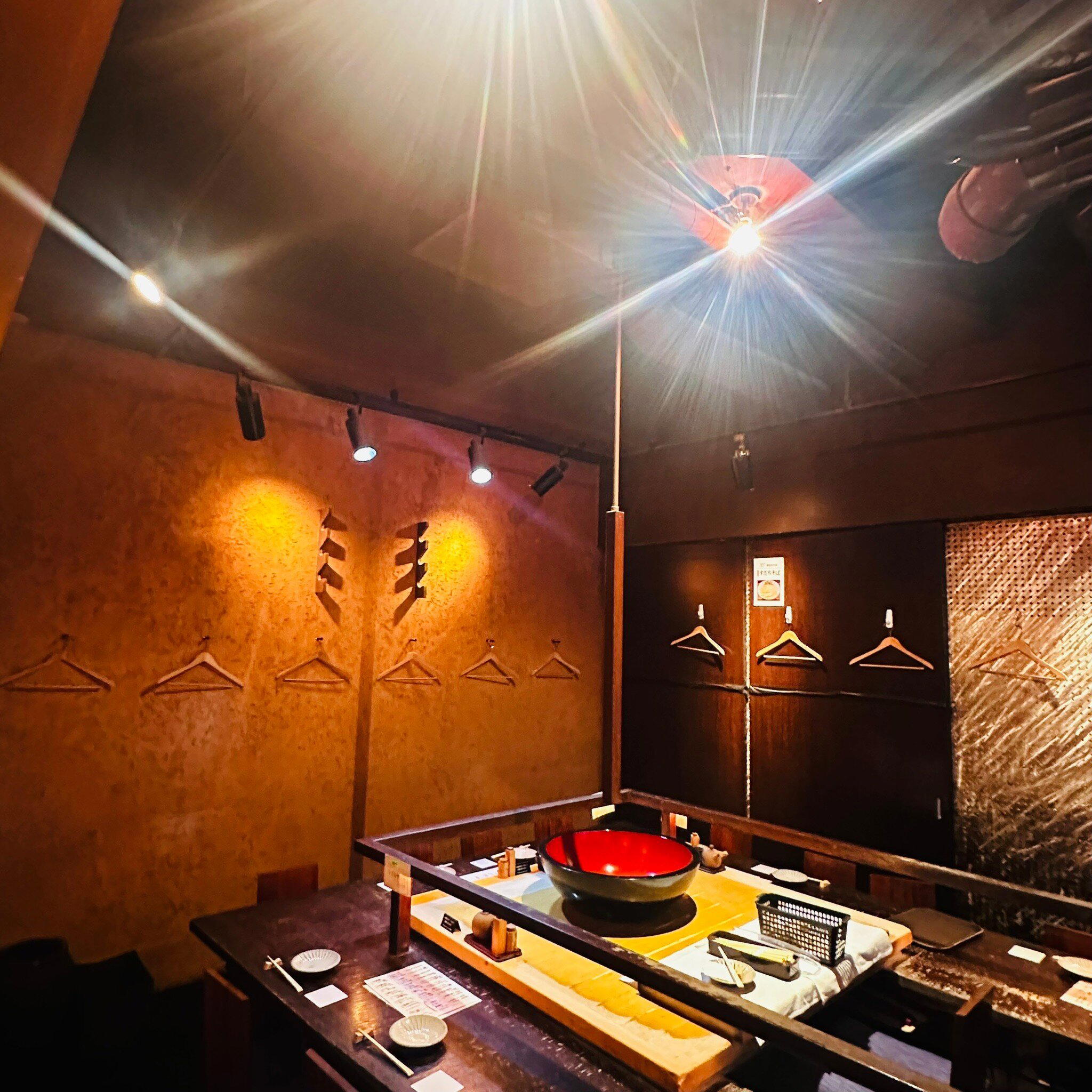
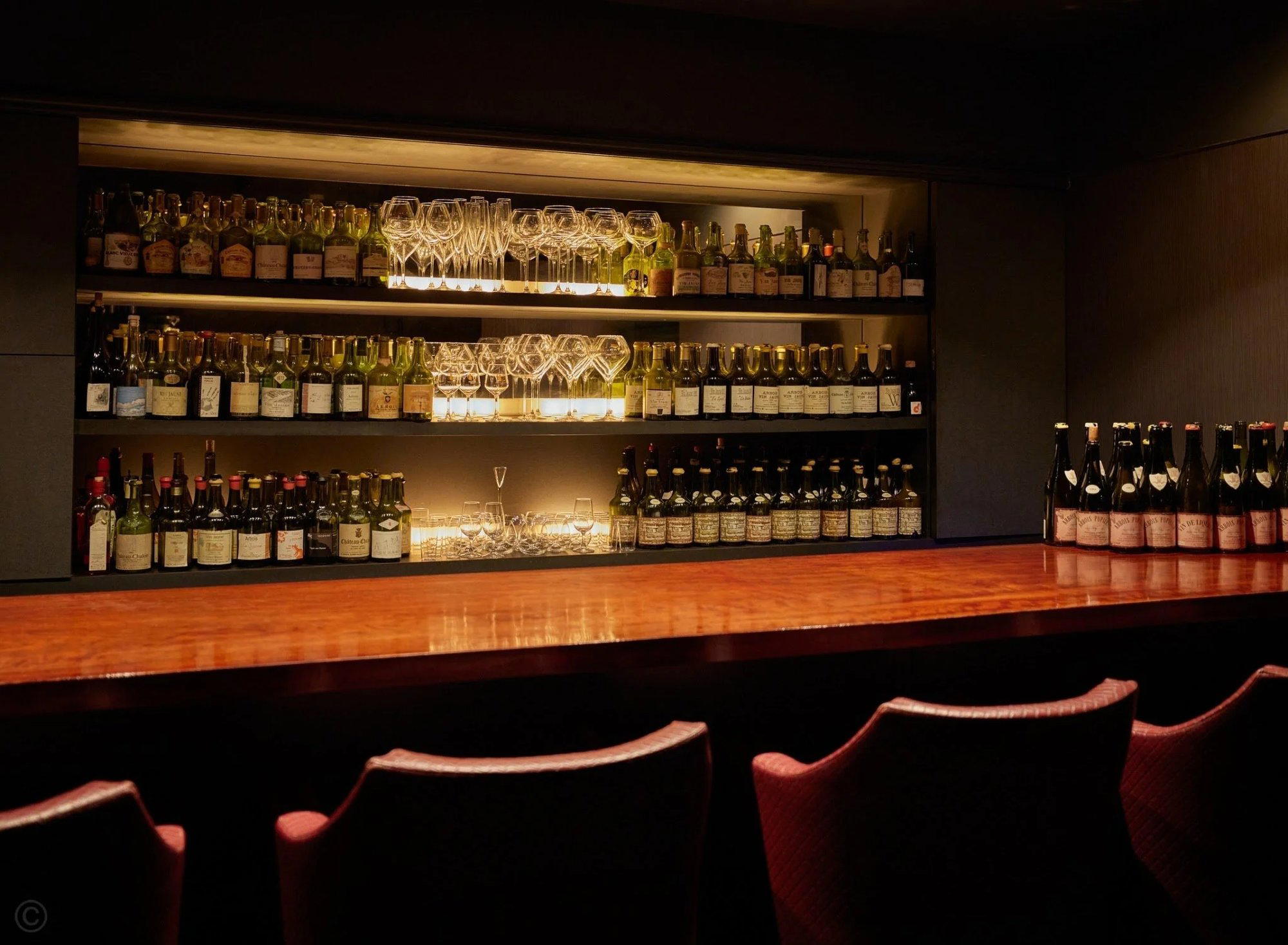
Intimate U-shaped counter seating 12 with Baccarat crystal decor, practical lighting for precise sushi preparation, and low sound levels fostering conversation.