


A Michelin-starred Italian restaurant on the 12th floor of GINZA TRECIOUS, Aroma Fresca is where Chef Shinji Harada applies a rigorous theory of proximity, high-set tables bring the diner's face closer to the plate, concentrating the aromatic experience. Ranked in the Opinionated About Dining Top Restaurants in Japan for three consecutive years, it occupies a serious position in Ginza's foreign-cuisine tier.
Pearl is the En Primeur Club membership app — saves, bookings, and concierge access live there. Same editors, same standards.
- Address
- Japan, 〒104-0061 Tokyo, Chuo City, Ginza, 2 Chome−6−5 GINZA TRECIOUS 12F
- Phone
- +81 3-3535-6667
- Website
- aromafresca-afsa.com
- Directions
- Get directions
 Saves & bookings on Pearl
The Room Where the Table Height Is an Argument
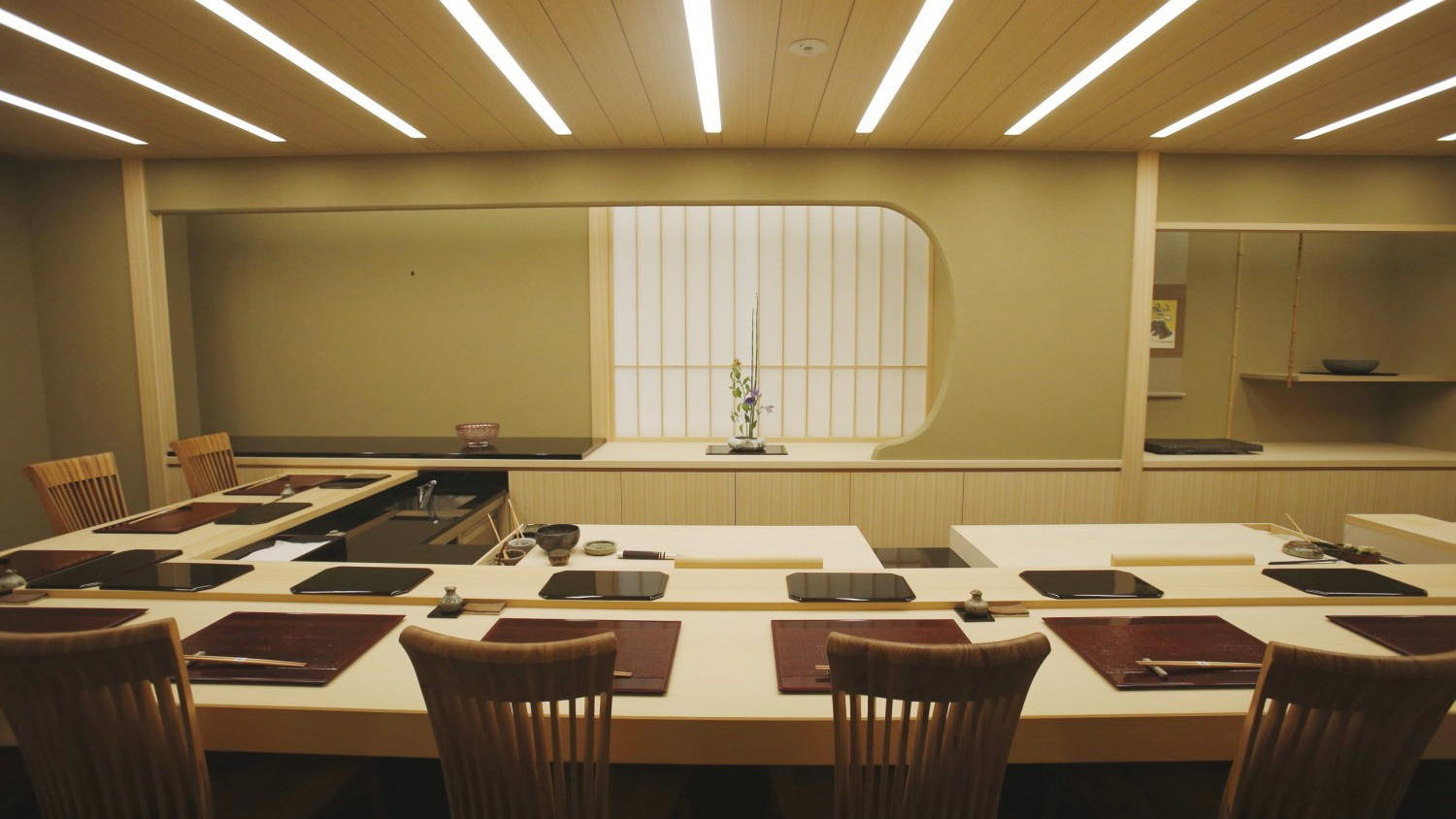
Aroma Fresca is a one-Michelin-star modern Italian restaurant in Tokyo's Ginza district, with dinner priced at about $150 per person. Ginza's upper floors have long served as the address of choice for the city's premium foreign-cuisine restaurants, and the 12th floor of GINZA TRECIOUS is exactly where you'd expect to find a room that takes Italian cooking as seriously as any counter-format kaiseki. The dining room at Aroma Fresca is dressed in white, a deliberate compositional choice that keeps visual noise low and directs attention toward the table. What catches most first-time visitors off-guard is the height of that table. It is set higher than convention, a deliberate architectural decision: the shorter the distance between face and plate, the more directly volatile aromatics reach the nose. This is not a gimmick. It is the physical expression of a kitchen philosophy, and it shapes how a meal here unfolds from the first course.
In a city where occasion dining at the summit tier tends toward kaiseki formality or the concentrated drama of a sushi counter, a Michelin-starred Italian room with this kind of conceptual architecture occupies a specific and considered position. The white interior keeps diners focused on the sensory transaction at the table rather than on the room itself, which suits the format well for milestone meals where the meal, not the backdrop, should be the memory.
Where Aroma Fresca Sits in Ginza's Foreign-Cuisine Tier
Ginza is home to some of the densest concentration of high-end dining in Asia, with French rooms, multi-star sushi counters, and a handful of Italian addresses that compete on entirely different terms to their counterparts in Rome or Milan. The Italian segment in Tokyo has developed its own internal hierarchy, with some rooms operating as direct fine-dining replicas of European models and others, a smaller group, that have built identities around a specific interpretive framework, often centred on Japanese domestic ingredients and a philosophy about what Italian cooking should do in this context.
The restaurant holds a Michelin star. A one-place movement within a national ranking of this scale is not significant directionally, but the sustained presence across three years signals consistent kitchen output rather than a single strong season. For occasion dining, consistency of this kind matters more than a single outstanding meal: you want to know the room will deliver on the night you've chosen, not just on average.
Compared to the ¥¥¥¥-tier Italian rooms in Tokyo, some of which operate under global brand affiliations, as with Gucci Osteria da Massimo Bottura Tokyo, or within the multi-star French-Italian bracket, the restaurant operates at the ¥¥¥ price point, which places it below the absolute ceiling but well above the casual mid-market. For a celebration dinner where budget is a real consideration but standard is not negotiable, that positioning is genuinely useful.
The Domestic-Ingredient Logic and What It Means at the Table
Tokyo's most serious Italian kitchens have, over the past decade, largely converged on a shared operating principle: Japanese domestic produce, applied through Italian technique, produces something that neither cuisine alone would generate. The argument for this approach is not purely nationalistic. Japan's agricultural supply chains, particularly for vegetables, freshwater fish, and selected proteins, deliver to a precision that Italian kitchens on home soil rarely access, and the seasonal discipline embedded in Japanese food culture maps well onto Italian cookery's own regional-seasonal logic.
At the restaurant, the stated priority on 'shortest distance to ingredients' situates the kitchen within this broader current. The aroma-first philosophy, rather than a novelty, is actually a logical intensification of what good Italian cooking has always asked for: that the raw material should be allowed to speak, and that the cook's job is to remove obstacles rather than add complexity. In a room designed to shorten the physical distance between ingredient and perception, this becomes the spatial as well as culinary premise of the whole evening.
For the Italian dining scene in Tokyo more broadly, venues like ALTER EGO, PRISMA, Principio, and AlCeppo each represent a distinct point in the city's Italian spectrum, from modern interpretive formats to more classically structured rooms. The restaurant's positioning within that set is shaped by its aroma-centred concept and its Michelin recognition, which together place it in the middle-upper tier where the cooking philosophy is as legible as the credential.
Planning a Meal Here
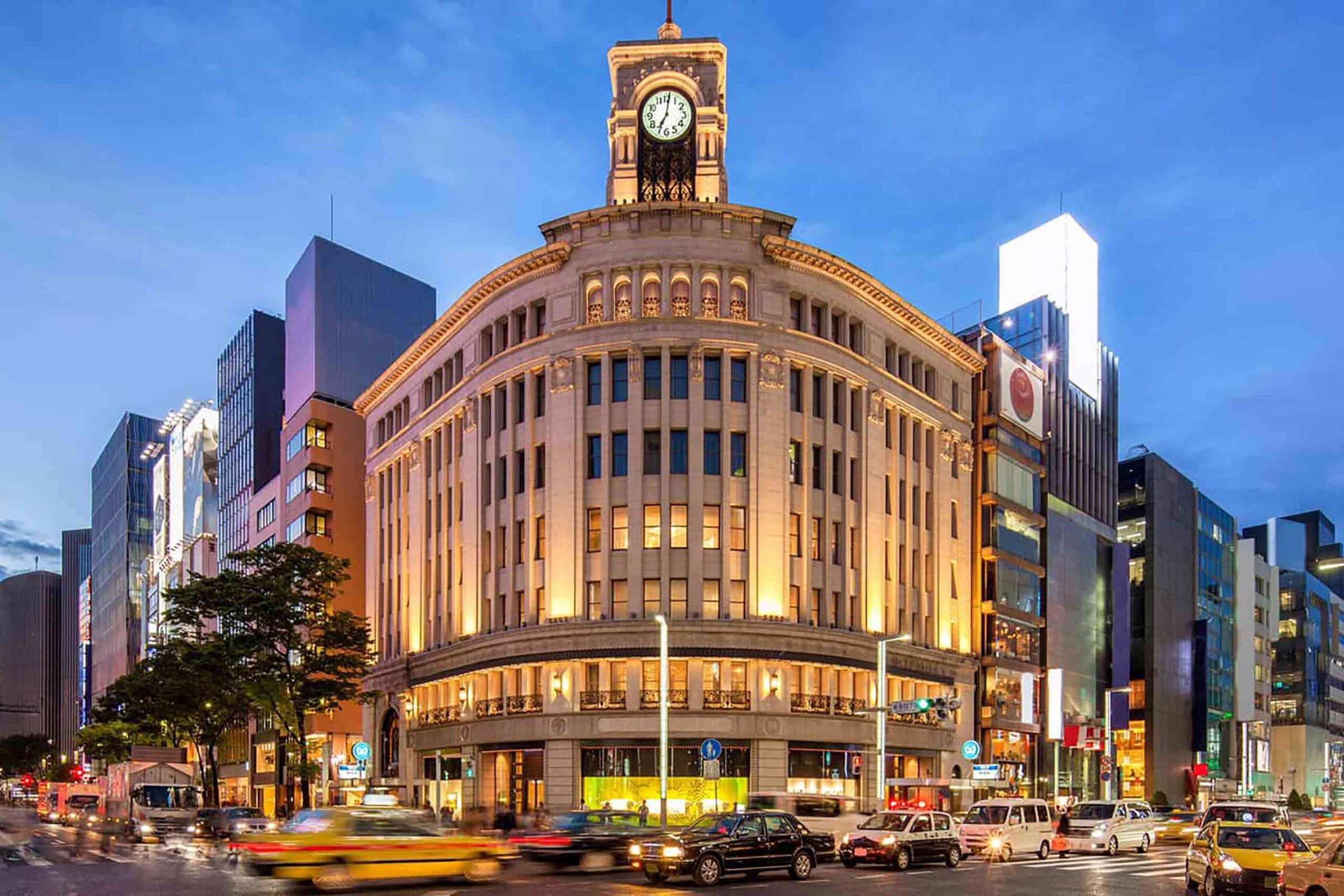
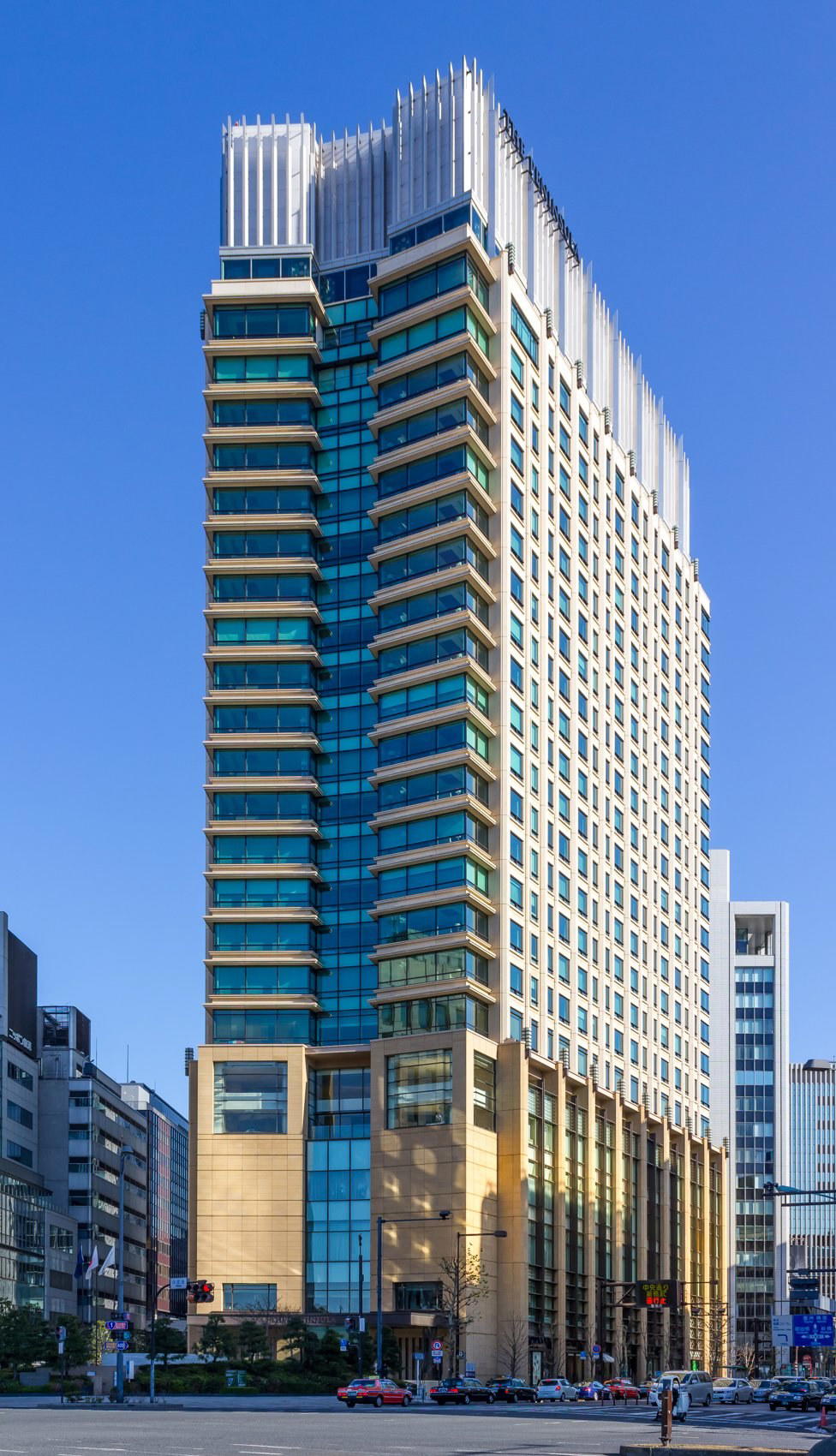
The restaurant is located on the 12th floor of GINZA TRECIOUS, at 2 Chome-6-5 Ginza, Chuo City, Tokyo.
Italian at This Level Across Japan
If Ginza-tier Italian is the benchmark you're calibrating against, it's worth knowing where else in Japan the same conversation is happening at a comparable or higher level. cenci in Kyoto operates at the intersection of Italian form and Kyoto ingredient culture with a different register of formality. In Hong Kong, 8 1/2 Otto e Mezzo Bombana represents the high-volume, three-star Italian benchmark for the region. Within Japan more broadly, the wider dining map rewards attention: HAJIME in Osaka, Gion Sasaki in Kyoto, akordu in Nara, Goh in Fukuoka, 1000 in Yokohama, and 6 in Okinawa each anchor their respective cities' serious dining tiers in ways that make a Japan-wide itinerary coherent rather than just ambitious.
Reputation Context
Comparable venues nearby, for context on price, style, and recognition.
| Venue | Cuisine | Price | Awards | Notes |
|---|---|---|---|---|
| Aroma FrescaThis venue — the venue you are viewing | Modern Italian | $$$$ | Michelin 1 Star | Not listed |
| Principio | Modern Italian Fine Dining | $$$$ | Michelin 1 Star | Minato |
| Sushi Yuki | Edomae Sushi | $$$$ | Michelin 1 Star | Shibuya |
| FARO | Modern Italian with Japanese Influences | $$$$ | Michelin 1 Star | Chūō |
| ESTERRE by Alain Ducasse | Contemporary French with Japanese Terroir | $$$$ | Michelin 1 Star | Chiyoda |
| Akanezaka Onuma | Traditional Seasonal Kaiseki | $$$$ | Michelin 1 Star | Minato |
Recognition history
Dated appearances from independent guides and award organizations, with the underlying list record or original source where available.
Michelin Plate
Michelin
Opinionated About Dining Top Restaurants in Japan Recommended
Opinionated About Dining
Opinionated About Dining Top Restaurants in Japan Ranked #321
Opinionated About Dining
Tabelog 100 #47 · No. 47
Tabelog · Tabelog 100 - Italian - TOKYO - 2025
Michelin 1 Star
Michelin
Opinionated About Dining Top Restaurants in Japan Ranked #298
Opinionated About Dining
Opinionated About Dining Top Restaurants in Japan Highly Recommended
Opinionated About Dining








At a Glance
- Elegant
- Romantic
- Sophisticated
- Intimate
- Date Night
- Special Occasion
- Design Destination
- Extensive Wine List
Current opening hours
- Monday
- 5:30–8:30 PM
- Tuesday
- 5:30–8:30 PM
- Wednesday
- 11:30 AM–1 PM, 5:30–8:30 PM
- Thursday
- 11:30 AM–1 PM, 5:30–8:30 PM
- Friday
- 11:30 AM–1 PM, 5:30–8:30 PM
- Saturday
- 11:30 AM–1 PM, 5:30–8:30 PM
- Sunday
- Closed
Hours can change for holidays and private events. Last verified .
Elegant yet inviting with refined atmosphere suitable for intimate dinners.