


2 Michelin Stars · Tabelog Silver #106
Our verdict
PRISMA sits in Tokyo’s serious Italian tier, where regional grammar matters as much as luxury signals. Chef Tomofumi Saito’s Minamiaoyama room is small, dinner-only, and backed by Michelin two-star recognition in 2024 and 2025, a 2026 Tabelog Silver Award, and OAD Japan recognition, placing it among Japan’s closely watched Italian restaurants.

Pearl is the En Primeur Club membership app, where members save venues, book tables and use the concierge.
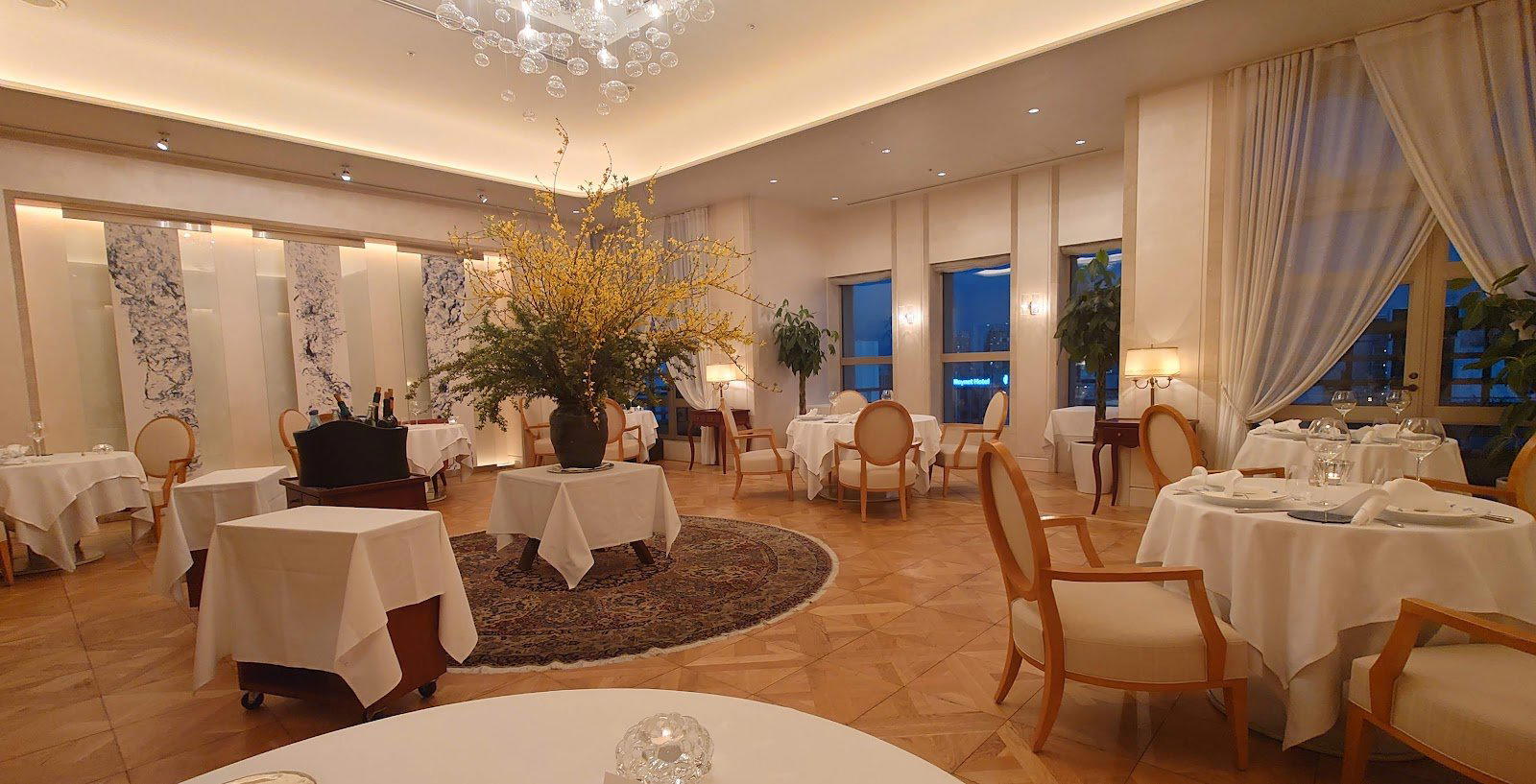
Minamiaoyama softens Tokyo’s appetite for formality: off Omotesando, bright retail frontage gives way to quieter buildings, discreet entrances, and dining rooms that ask guests to arrive with intent. Here, PRISMA belongs to the city’s serious Italian conversation: not trattoria comfort or hotel-restaurant theatre, but a compact, high-price room where Italian regional language is filtered through Japanese precision.
Tokyo has long treated Italian cuisine as exacting specialization, sustaining Roman pasta rooms, Tuscan-leaning grill houses, Neapolitan pizza specialists, and polished northern Italian dining without collapsing them into one category. PRISMA sits at the refined end. The right comparison is not casual Italian, but Tokyo’s small-format Italian rooms where technique, wine, pacing, and menu architecture carry value. Recognition matters: Michelin listed the restaurant at two stars in 2024 and 2025, Tabelog gave it a Silver Award in 2026 after earlier Bronze awards, and Opinionated About Dining placed it in its Japan restaurant coverage across recent years.
Tokyo Italian, read through regional discipline rather than nostalgia
Italian dining outside Italy often fails by treating the country as a mood board. Tokyo’s stronger Italian restaurants know Rome, Tuscany, Naples, Piedmont, Lombardy, and Emilia-Romagna are not interchangeable; each has its own logic around fat, acidity, starch, offal, seafood, dairy, and sauce. PRISMA’s appeal sits in that disciplined reading rather than an easier promise of abundance.
That distinction matters in Tokyo’s crowded Italian field. JINBO MINAMI AOYAMA, misola, Merachi, and RISTORANTE Al Porto occupy Italian territory at a lower price bracket, while Il Ristorante Luca Fantin competes in the luxury Italian tier with a different scale and setting. PRISMA is closer to the latter in spend, but its small-room format changes expectations: the meal is judged less by spectacle than control. It rewards diners who care about menu sequencing, wine integration, and regional cues interpreted without being flattened into international fine-dining shorthand.
Chef Tomofumi Saito matters as a credential, not a personality study. The restaurant’s reputation attaches to his close kitchen involvement and limited seating model, helping explain why PRISMA is discussed alongside precision-led Japanese restaurants as much as Italian ones. Tokyo often absorbs foreign cuisines through craft intensity, then tests them against local expectations for restraint, consistency, and detail. At PRISMA, Italian identity is the frame; Tokyo’s standards supply the pressure.
A small-room format changes how luxury Italian feels in Aoyama
Luxury Italian in Tokyo splits broadly in two. One mode is the grand dining room, often hotel- or group-backed, shaped by architecture, staff depth, and cellar scale. The other is smaller, more personal, and exposed: fewer seats, tighter pacing, less margin for anonymous service. PRISMA belongs to the second. That matters because high-spend Italian can become too broad in a large room; compactness forces choices.
Available details point to a 10-seat table-seating setup rather than a sprawling dining room. That scale shifts the rhythm. Guests are not buying neighborhood-osteria generosity; they are buying concentration. At this level, Tokyo Italian must justify itself against sushi counters, kappo rooms, French dégustation menus, and high-end tempura, categories the city has trained diners to read with forensic attention. A restaurant in this bracket cannot rely on imported romance; it needs structure.
The wine signal also matters. Tokyo’s high-end Italian scene often turns on whether wine is accessory or argument. PRISMA is explicitly associated with wine, placing it among restaurants where Italian dining is understood through pairing, bottle selection, and the tension between regional loyalty and broader European cellaring. For diners choosing between Italian options in Tokyo, that is a meaningful filter: a pasta-led room with a modest list answers a different desire from a small restaurant built for longer, wine-conscious dining.
Minamiaoyama reinforces the tone. This part of Tokyo suits restaurants that do not need street-level volume. Omotesando brings fashion traffic and international visibility, but surrounding backstreet dining rooms often follow a quieter code: advance planning, compact rooms, and guests who already know the evening they want. PRISMA fits that code, and its award trail suggests the local dining audience has read it accordingly.
How to place PRISMA in a Tokyo dining itinerary
The reason to prioritize PRISMA is not simply that it is Italian in Tokyo; the city has many answers to that brief. The stronger case is its particular Japanese interpretation of Italian luxury: small capacity, formal pricing, regional seriousness, and recognition from Michelin, Tabelog, and OAD. For travelers, it makes sense when Italian cuisine is not a break from Japanese food, but another way to understand Tokyo’s obsessive restaurant culture.
It suits a specific night. Diners wanting loose shared antipasti, a loud room, and flexible ordering will find better matches elsewhere. This is deliberate, closer in mindset to a tasting-led restaurant than casual Italian. The 2026 Tabelog score of 4.36 and Silver Award place it in a competitive local tier, while the dinner budget band of JPY 40,000 to JPY 49,999 means it is not a spontaneous add-on to an Omotesando shopping day. Plan it like Tokyo’s other high-demand, high-spend meals.
For context, use Our full Tokyo restaurants guide to compare dining categories before committing a night to Italian. Travelers pairing dinner with a stay can cross-check Our full Tokyo hotels guide, while a later drink may fit Our full Tokyo bars guide. The wider Japan map also matters: a Tokyo Italian reservation reads differently beside regional dining such as [ki:] in Kyoto, .cafe in Osaka.know in Kumamoto, -Grilled beef Sukiyaki- KAMAKURA TANUKIAN 鎌倉 たぬき庵 in Kamakura, (Shoku) Vietnam in Kawasaki, and [Curry Senmon Ten] Maruyama Kyoju. in Sapporo.
Within Tokyo Italian, compare Acid Brianza, AlCeppo, ALTER EGO, Aman, and Appia; each points to a different city version. For international calibration, 112 Eatery, Italian in Minneapolis and 8 1/2 Otto e Mezzo Bombana (Hong Kong), Italian in Hong Kong show how Italian restaurants shift under different dining cultures. Tokyo-specific planning can extend beyond restaurants through Our full Tokyo wineries guide and Our full Tokyo experiences guide.
Frequently asked questions
Can I bring kids to PRISMA?
The available venue details do not specify a children policy. PRISMA is a 10-seat Italian restaurant in Minamiaoyama, Tokyo, so the room is set up for a compact, adult-leaning dinner service.
How would you describe the vibe at PRISMA?
Expect a small, focused room: PRISMA has 10 seats, dinner service only, and a 10% service charge. Its Aoyama location and 2026 Tabelog Silver award place it in Tokyo's serious Italian tier rather than a casual trattoria setting.
What kind of cuisine does PRISMA serve?
PRISMA serves Italian cuisine.
Is PRISMA expensive?
Pricing at PRISMA is listed as ¥¥¥¥.
What are the operating hours at PRISMA?
Hours at PRISMA: Hours: Monday 6:30–9:30 pm Tuesday 6:30–9:30 pm Wednesday Closed Thursday 6:30–9:30 pm Friday 6:30–9:30 pm Saturday 6:30–9:30 pm Sunday 6:30–9:30 pm.
Comparable Spots, Quickly
Comparable venues at a glance for context.
| Venue | Cuisine | Price | Awards | Notes |
|---|---|---|---|---|
| PRISMAThis venue (the venue you are viewing) | Modern Italian Fine Dining | $300–500 | 2 Michelin Stars · Tabelog Silver #106 | Not listed |
| ZURRIOLA | Modern Spanish Basque Fusion | $200–300 | 1 Michelin Star · La Liste Top Restaurants | Chūō |
| ASAHINA Gastronome | Modern French Fine Dining | $300–500 | 2 Michelin Stars · La Liste Top Restaurants | Chūō |
| Sukiyabashi Jiro Roppongiten | Traditional Japanese Omakase Sushi | $50–100 | 2 Michelin Stars · La Liste Top Restaurants | Minato |
| Ginza Shinohara | Traditional Kaiseki Omakase | $150–200 | 2 Michelin Stars · La Liste Top Restaurants | Chūō |
| Ginza Kojyu | Kaiseki | $200–300 | 2 Michelin Stars · La Liste Top Restaurants | Chūō |
Recognition history
Dated appearances from independent guides and award organizations, with the underlying list record or original source where available.
Michelin 2 Stars
Michelin
Opinionated About Dining Top Restaurants in Japan Recommended
Opinionated About Dining
Tabelog Silver #106
Tabelog
Full recognition history (10 entries)
Michelin 2 Stars
Michelin
Opinionated About Dining Top Restaurants in Japan Ranked #315
Opinionated About Dining
Tabelog 100 #42 · No. 42
Tabelog · Tabelog 100 - Italian - TOKYO - 2025
Tabelog Bronze
Tabelog
Michelin 2 Stars
Michelin
Opinionated About Dining Top Restaurants in Japan Ranked #334
Opinionated About Dining
Opinionated About Dining Top Restaurants in Japan Highly Recommended
Opinionated About Dining
Continue exploring
More in Tokyo
Restaurants in Tokyo
All restaurants in Tokyo →



Bars in Tokyo
All bars in Tokyo →





Details
- Intimate
- Elegant
- Sophisticated
- Relaxed
- Date Night
- Celebration
- Special Occasion
- Open Kitchen
- Extensive Wine List
- Tasting Menu
- Counter Dining
- Pescatarian Friendly
Current opening hours
- Monday
- 6:30–9:30 PM
- Tuesday
- 6:30–9:30 PM
- Wednesday
- Closed
- Thursday
- 6:30–9:30 PM
- Friday
- 6:30–9:30 PM
- Saturday
- 6:30–9:30 PM
- Sunday
- 6:30–9:30 PM
Hours can change for holidays and private events. Hours as of .
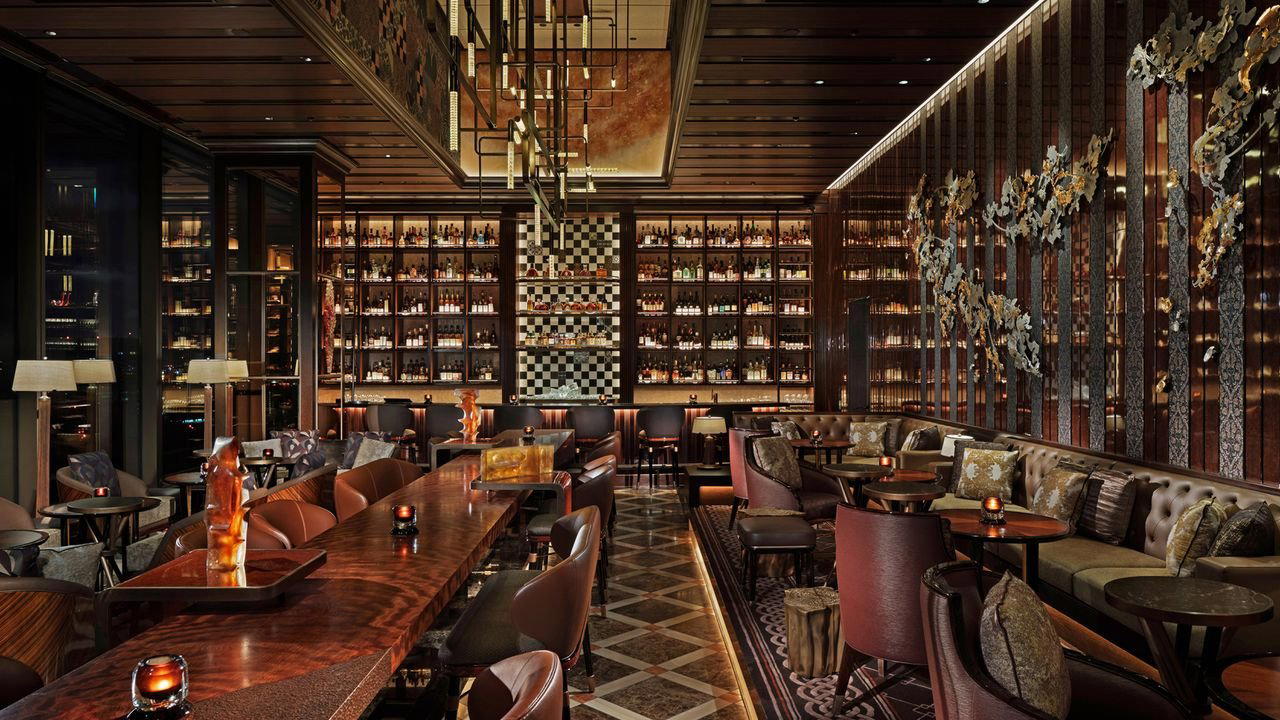
Calm, intimate, and relaxing atmosphere with stylish, spacious seating and open kitchen.