

A Michelin-starred Italian in Azabu-Juban run by a husband-and-wife team, Principio earns its star through hand-rolled regional pasta and charcoal-grilled aged meats rather than theatrical ambition. The prix fixe format moves through different Italian regions course by course, and the intimate scale keeps the cooking and hospitality in unusually close alignment. Rated 4.4 on Google from 102 reviews.
Pearl is the En Primeur Club membership app — saves, bookings, and concierge access live there. Same editors, same standards.
- Address
- Japan, 〒106-0045 Tokyo, Minato City, Azabujuban, 2 Chome−4−8 麻布十番舘 2F
- Phone
- +81 3-6809-4982
- Website
- principio.net
- Directions
- Get directions
 Saves & bookings on Pearl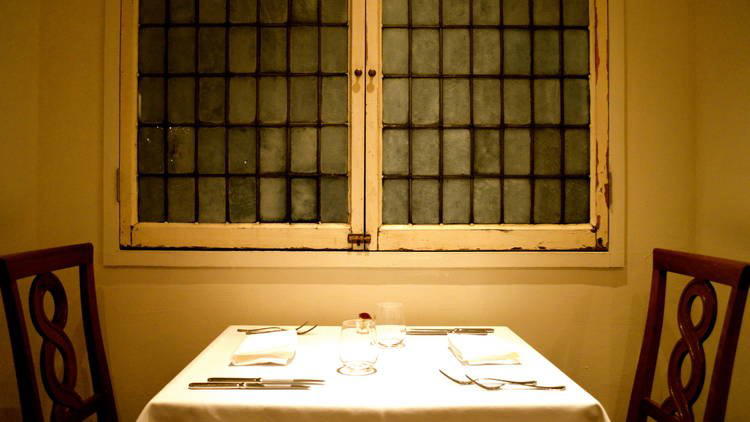
Italian in Tokyo: The Small-Room Tradition That Keeps Earning Stars
Tokyo's Italian restaurant scene has developed along a different axis from the European model. Where Italian fine dining in Milan or Rome tends toward large-room formality or casual neighbourhood trattoria, Tokyo has produced a third category: the intimate, couple-run establishment operating at a precision level that consistently attracts Michelin attention. This format, familiar from the city's Japanese fine dining culture, has migrated into Western cuisine with notable results. Principio, holding a Michelin one star, sits squarely in that tradition, a small-scale, owner-operated Italian in Azabu-Juban where the hospitality model is as deliberate as the cooking.
Azabu-Juban itself provides relevant context. The neighbourhood has long attracted a concentration of independent Western restaurants, partly because of its international residential population and partly because of rents that, while not cheap, allow smaller formats to survive. It sits adjacent to the embassies and expat households of Minato City, and restaurants here have historically calibrated to a cosmopolitan but non-tourist audience. That distinction matters: the clientele at Azabu-Juban's better restaurants tends toward regulars with specific preferences rather than visitors working through a checklist.
What the Name Sets Up, and What the Cooking Delivers
Principio is Italian for 'beginning', and the name carries both a greeting philosophy and a structural logic. The prix fixe format treats each meal as a movement through Italian regional cooking, with pasta dishes drawn from different regions of the peninsula. This approach is more pedagogically honest than the generic 'Italian' framing common across Tokyo's mid-market, where regional identity is often decorative. Here, the progression from one regional pasta tradition to the next gives the meal an internal architecture that the diner can follow.
Hand-rolled pasta as a speciality signals a particular commitment. Fresh pasta in Italian regional cooking is labour-intensive and highly sensitive to conditions, and in Tokyo's humidity, maintaining consistent results requires disciplined technique. The charcoal-grilled aged pork and shorthorn beef that anchor the second half of the meal take a different but equally specific approach: seasoned with salt and pepper only, the flavour work happens upstream, in the aging and the sourcing, not at the plate. This is a cooking philosophy that relies on ingredient quality and thermal control rather than sauce complexity, which places it in a distinct tier from Italian restaurants that substitute reduction and emulsion for primary product.
comparable set and Price Position
At the ¥¥¥ price point, Principio occupies the middle tier of Tokyo fine dining, sitting below the ¥¥¥¥ bracket that includes venues like ALTER EGO and above the informal neighbourhood Italian. For Michelin-starred Italian specifically, this positions it as an accessible entry into the city's recognised Italian dining without the commitment of the upper-tier spend. Comparable Michelin-recognised Italian in Tokyo includes Aroma Fresca, which operates at a higher price point with a more elaborate production framework, and PRISMA, which brings a different regional emphasis. Gucci Osteria da Massimo Bottura Tokyo and AlCeppo round out a comparable set that shows how varied Tokyo's Italian offer has become across formats, price tiers, and culinary philosophies.
Beyond the Italian category, the broader Michelin one-star bracket in Tokyo is competitive at every cuisine type. What distinguishes Principio within it is format: the couple-run intimate room is not the standard model for starred Western restaurants in the city, where kitchen brigade size and service team depth often correlate with star count. Running a Michelin-recognised kitchen at small scale, with the principals present and engaged through every service, represents a specific operational choice that comes with constraints and advantages in equal measure.
| Venue | Cuisine | Price | Format |
|---|---|---|---|
| Principio | Italian | ¥¥¥ | Intimate couple-run, prix fixe |
| Aroma Fresca | Italian | ¥¥¥¥ | Formal, larger brigade |
| ALTER EGO | Italian | ¥¥¥¥ | Chef-driven, high production |
| AlCeppo | Italian | ¥¥¥ | Neighbourhood-anchored |
Italian Regional Cooking as a Living Reference
The decision to structure the pasta courses around regional provenance reflects a broader shift in how serious Italian restaurants outside Italy have begun to engage with the cuisine. The generic 'Italian' menu, offering pasta, risotto, and secondi without geographic specificity, has given way in the better rooms to a more precise regional framing. This mirrors what happened to French cuisine in Tokyo two decades ago, when restaurants that could name their département and producer began separating from those that could not. In Italian cooking, the regional distinctions are significant: pasta formats, dough hydration, filling traditions, and sauce logic differ materially from Emilia-Romagna to Campania to Sardinia, and a menu that moves through these differences teaches the diner something that a single-origin Italian menu cannot.
Principio's approach places it in conversation with restaurants elsewhere in Japan pursuing similar rigour. cenci in Kyoto brings Italian technique into dialogue with Kyoto produce. Internationally, the conversation extends to venues like 8½ Otto e Mezzo Bombana in Hong Kong, where Italian cooking has been refined and repositioned for an East Asian fine dining context over years of operation. The question in each case is the same: how much of Italian cooking's regional specificity survives the translation, and which elements deepen when executed with the product discipline and kitchen precision that East Asian fine dining culture demands.
Planning Your Visit
Principio is located on the second floor of Azabu-Juban-kan at 2-4-8 Azabu-Juban, Minato City, Tokyo. The nearest station is Azabu-Juban on the Namboku and Oedo lines. The Michelin one-star designation from the 2024 guide applies. Given the intimate format and the couple-run operation, advance booking is strongly advisable; the small seat count means any given service has limited covers, and demand from both local regulars and visitors with Michelin guide interest keeps availability tight.
Quick Comparison
Comparable venues nearby, for context on price, style, and recognition.
| Venue | Cuisine | Price | Awards | Notes |
|---|---|---|---|---|
| PrincipioThis venue — the venue you are viewing | Modern Italian Fine Dining | $$$$ | Michelin 1 Star | Not listed |
| FARO | Modern Italian with Japanese Influences | $$$$ | Michelin 1 Star | Chūō |
| Gucci Osteria da Massimo Bottura Tokyo | Contemporary Italian with Japanese Influences | $$$$ | Michelin 1 Star | Chūō |
| Aroma Fresca | Modern Italian | $$$$ | Michelin 1 Star | Chūō |
| Chugoku Hanten Kohakukyu (Amber Palace) | Michelin-Starred Cantonese & Shanghainese | $$$$ | Michelin 1 Star | Chiyoda |
| Nishiazabu Noguchi | Kaiseki Omakase | $$$$ | Michelin 1 Star | Minato |
Recognition history
Dated appearances from independent guides and award organizations, with the underlying list record or original source where available.
Michelin Plate
Michelin
Tabelog 100 #63 · No. 63
Tabelog · Tabelog 100 - Italian - TOKYO - 2025
Michelin 1 Star
Michelin








At a Glance
- Intimate
- Elegant
- Cozy
- Sophisticated
- Date Night
- Special Occasion
- Chefs Counter
- Wine Cellar
- Extensive Wine List
- Sake Program
- Local Sourcing
Current opening hours
- Monday
- 6–11 PM
- Tuesday
- 6–11 PM
- Wednesday
- 6:30–11 PM
- Thursday
- 6:30–11 PM
- Friday
- 6:30–11 PM
- Saturday
- 6:30–11 PM
- Sunday
- 6:30–11 PM
Hours can change for holidays and private events. Last verified .
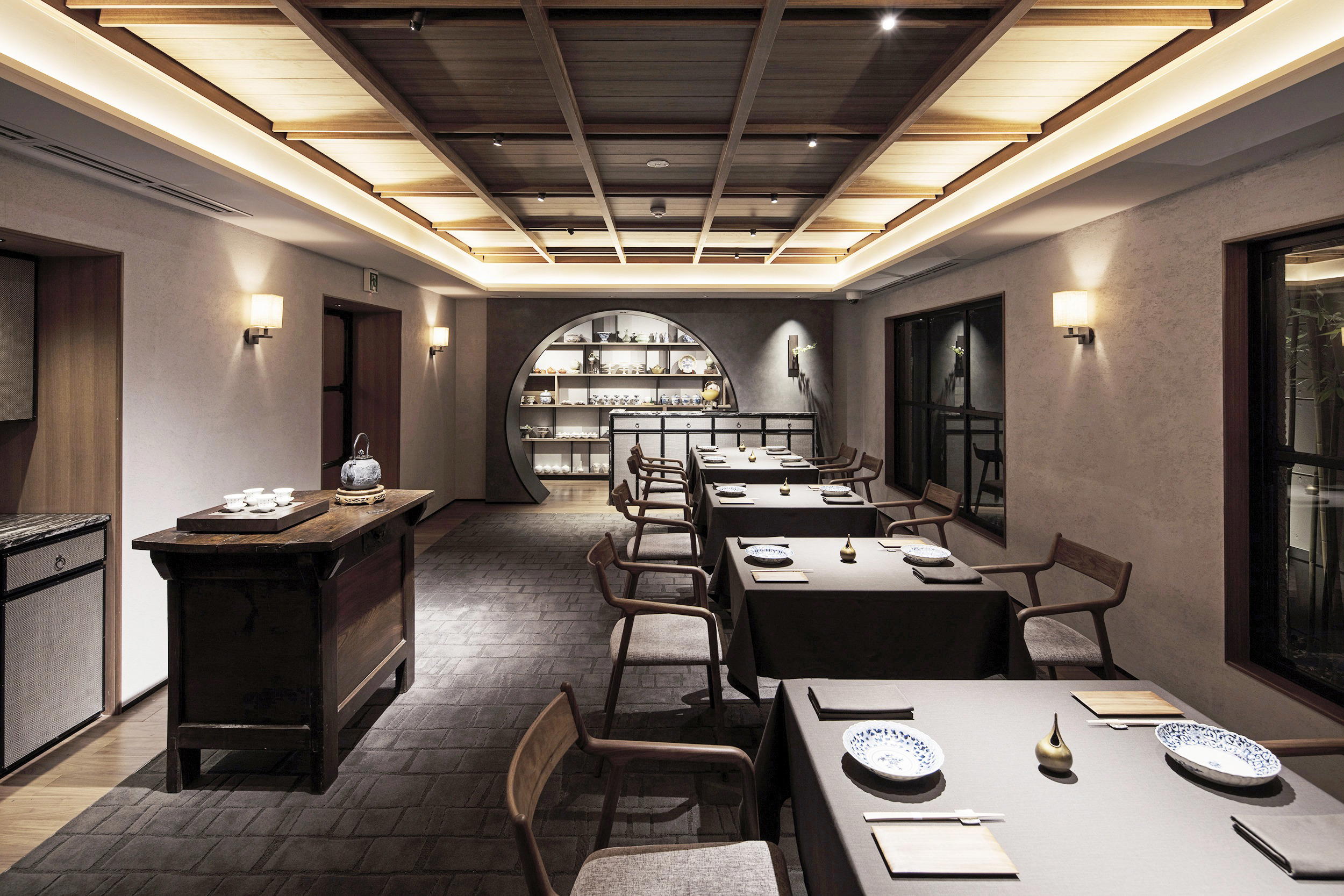
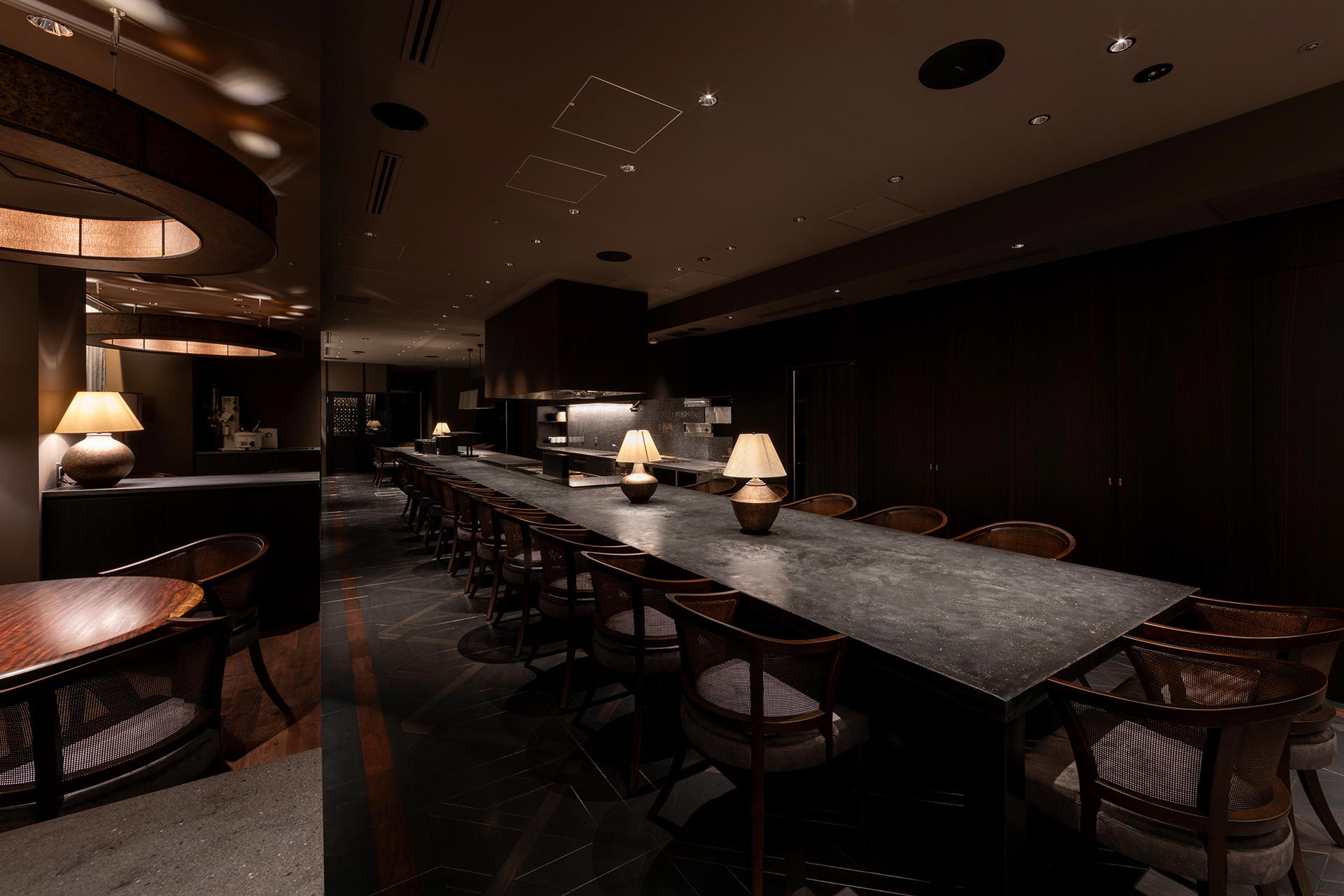
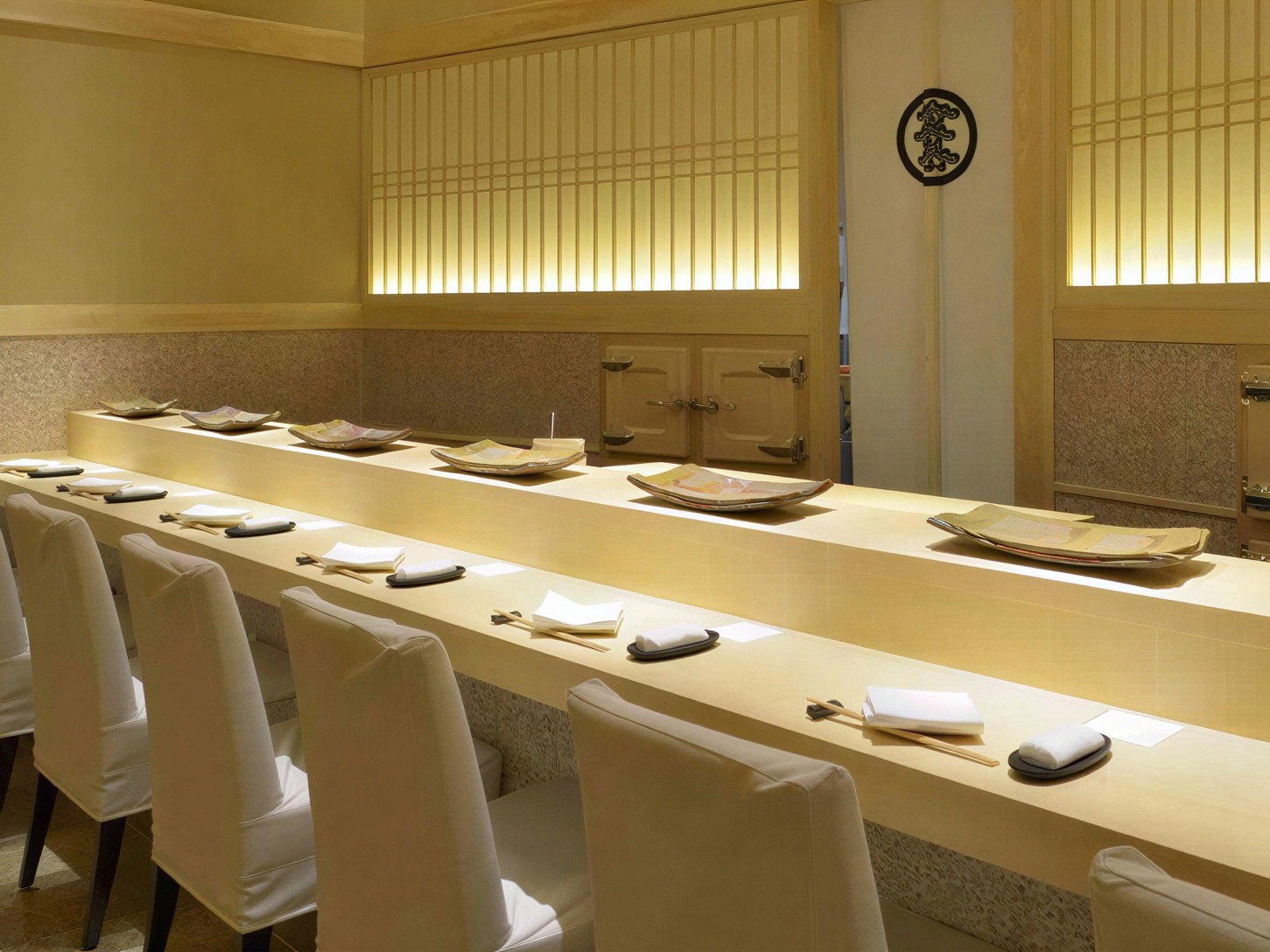
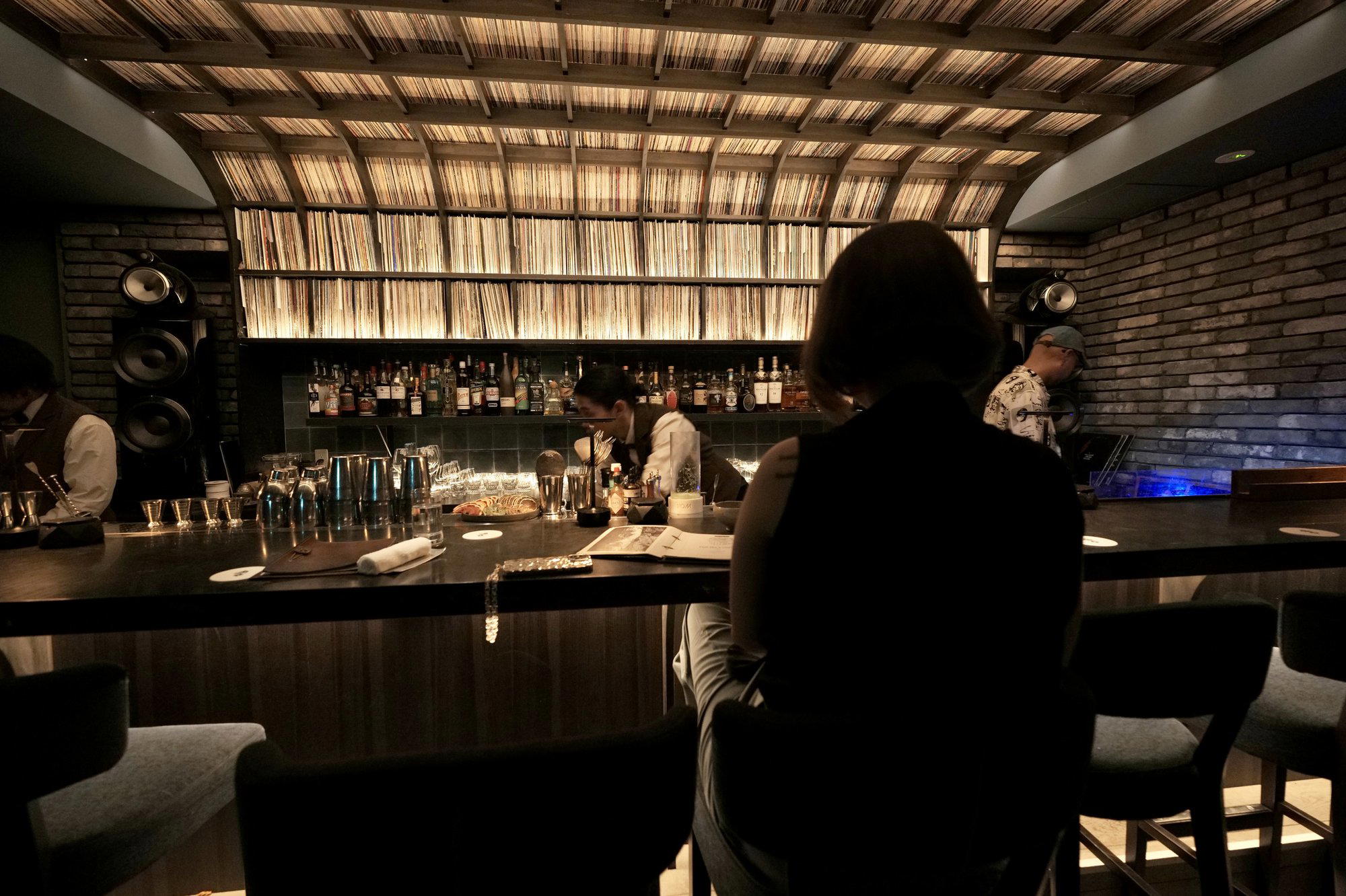
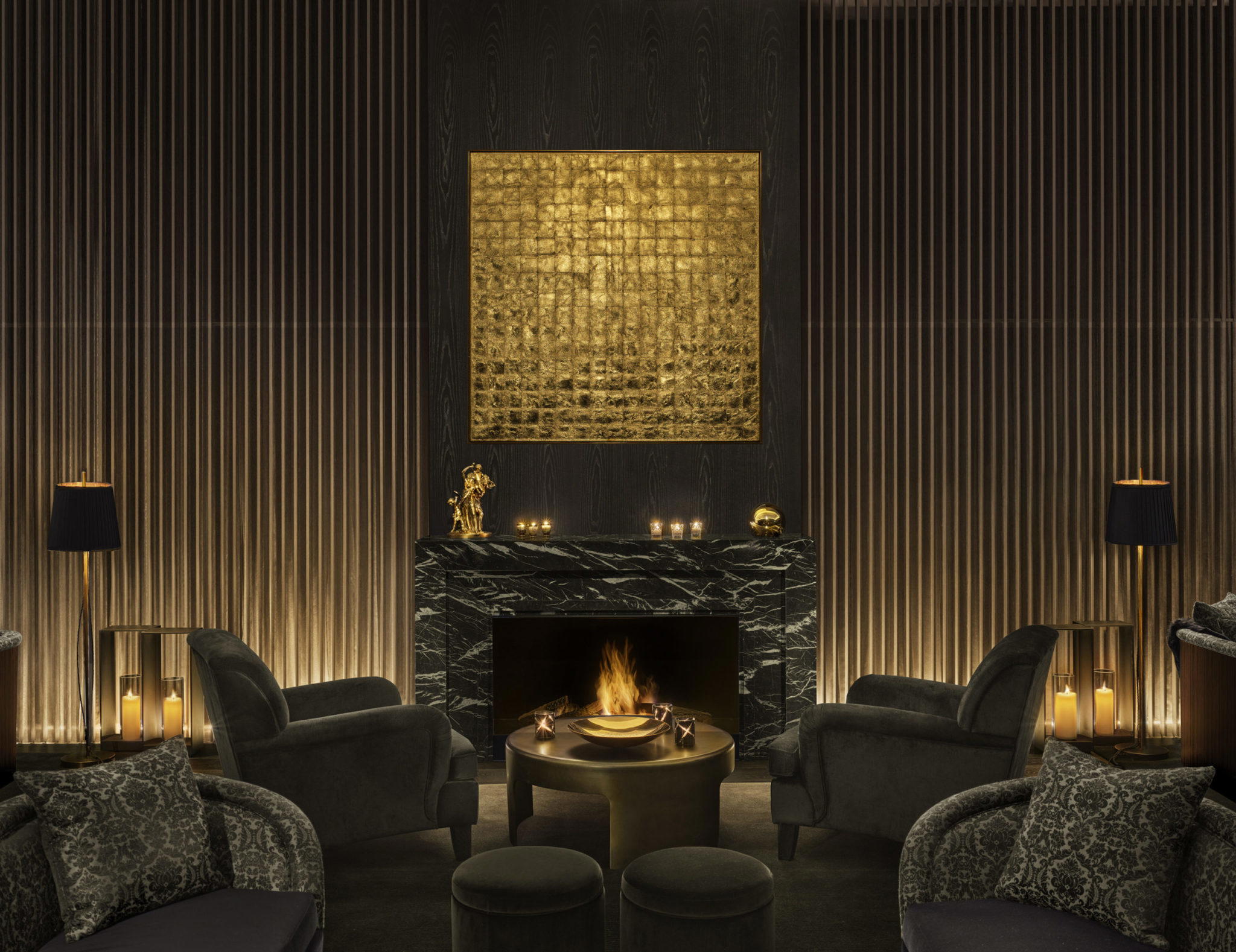
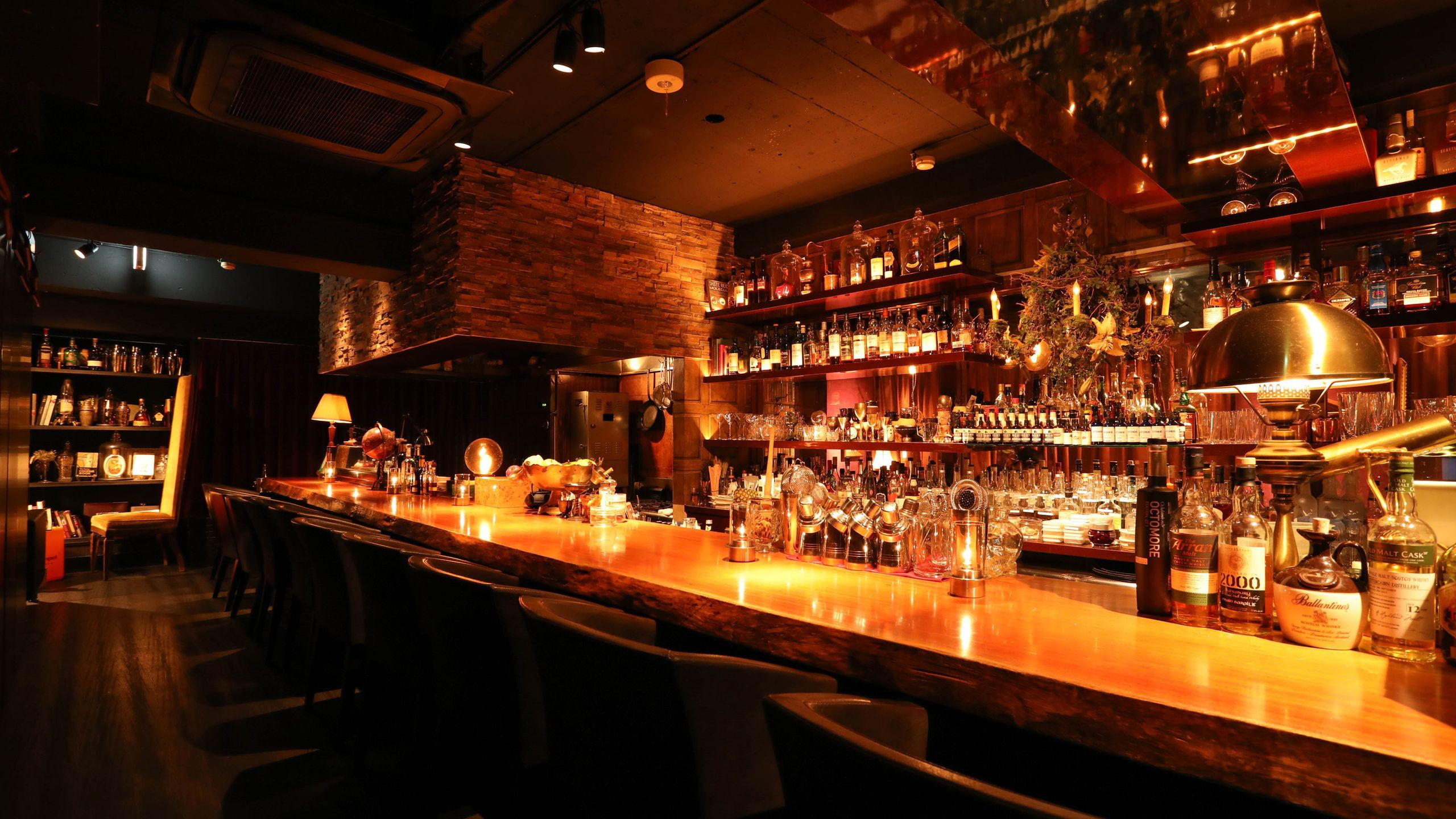
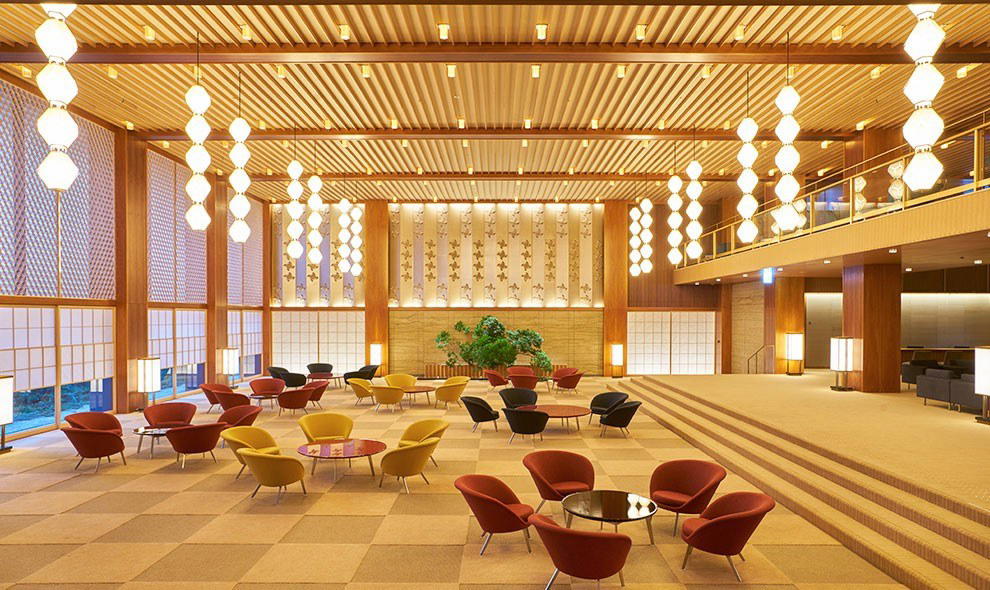
Cozy and warm with a family-like atmosphere, featuring linen-covered tables in a small, elegant space fostering comfortable familiarity.