Michelin Plate
Our verdict
At Roppongi's Shunka Nakamura, a chef trained in both Hong Kong Cantonese kitchens and Tokyo kappo applies that dual fluency to a cuisine he calls shunka, Chinese cooking reframed through Japanese seasonal sensibility. Michelin Plate recognition in 2024 and 2025 places it in a small tier of Tokyo Chinese restaurants where cross-cultural craft, not scale, defines the proposition.

Pearl is the En Primeur Club membership app, where members save venues, book tables and use the concierge.
The menu
What to order
- Spring_rolls_pike_conger
- Steamed_chicken
Where Two Culinary Traditions Converge in Roppongi
Tokyo's Chinese restaurant scene has long operated on a spectrum: at one end, the banquet-format Cantonese houses of Shinjuku and Akasaka that draw corporate dining and large-group celebrations; at the other, a quieter tier of smaller, chef-driven rooms where the cooking synthesises Chinese technique with Japanese seasonal instinct. Shunka Nakamura, on a residential stretch of Roppongi in Minato City, sits firmly in the latter category. It holds Michelin Plate recognition for both 2024 and 2025, a signal that positions it within the recognised tier of Tokyo dining without the appointment difficulty of a star-rated counter.
The concept has a precise name: shunka, the chef's term for Chinese food reinterpreted through seasonal Japanese sensibility. That framing matters. It is not fusion in the diluted, hotel-lobby sense. It is the product of a deliberate, sequenced education, Cantonese training in Hong Kong, then kappo discipline back in Japan, applied to a menu that acknowledges both traditions without reducing either. For a city that receives cross-cultural cuisine with considerable scepticism, that kind of structural credibility counts.
The Cooking: Cantonese Foundation, Japanese Seasonal Logic
Cantonese cuisine, even in its home territory in Guangdong and Hong Kong, is already attentive to seasonal produce. That quality made it a logical partner for the Japanese kappo sensibility, which organises a meal entirely around what is available and at peak quality on any given date. At Shunka Nakamura, those two approaches reinforce each other rather than compete.
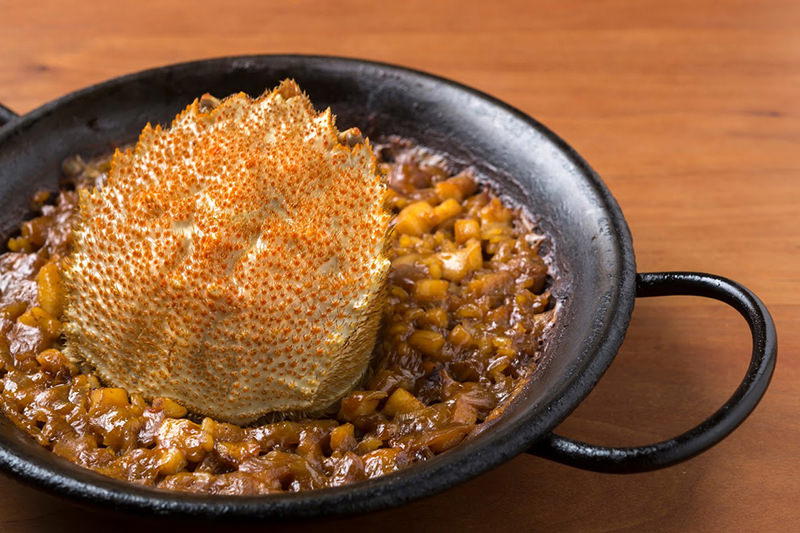
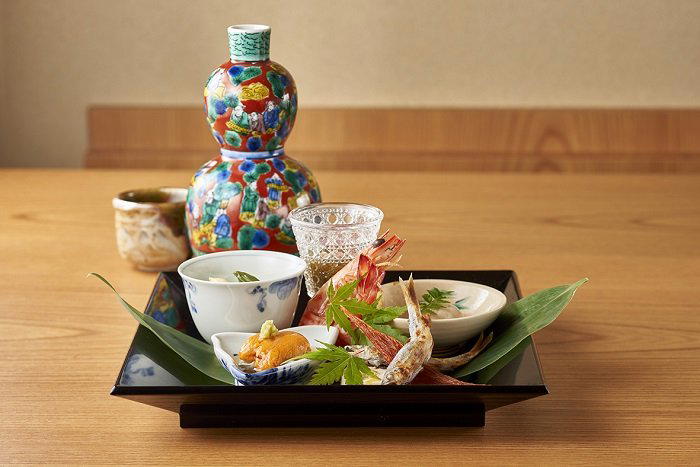
Spring rolls here are built around pike conger or conger eel, fish that carry specific seasonal windows in the Japanese calendar. The choice signals the kitchen's orientation: a classic Cantonese format carrying a ingredient that a Hong Kong diner would not typically see inside it, presented in a way that communicates fluency in both culinary languages simultaneously. The steamed chicken is a different kind of exercise, a dish drawn directly from the chef's Hong Kong training, carrying a preparation method passed down from his mentor there. Where the spring rolls demonstrate creative synthesis, the steamed chicken demonstrates fidelity. That range, from close translation to deliberate fusion, is what separates a thoughtful cross-cultural menu from a novelty one.
These two dishes are the most documented of the menu, which makes direct comparison with peers such as Chugoku Hanten Fureika, Chugoku Hanten Kohakukyu (Amber Palace), and Ippei Hanten instructive: those restaurants operate at a larger scale and with more extensive Michelin recognition, while Shunka Nakamura occupies a more intimate, single-chef register. For a comparison outside Chinese cuisine entirely, the seasonal logic here finds structural parallels with Koshikiryori Koki and itsuka, both of which apply rigorous seasonal frameworks to their own culinary traditions in Tokyo.
The Shunka Concept in a Broader Context
Cross-cultural Chinese cooking has gained serious critical attention across multiple cities in the past decade. In San Francisco, Mister Jiu's made the case for Chinese-American cuisine as a genre with genuine depth. In Berlin, Restaurant Tim Raue built a two-Michelin-star program on Chinese flavour architecture filtered through European fine dining structure. What distinguishes Shunka Nakamura within that conversation is the specific nature of the hybridisation: it is not Chinese cooking influenced by the chef's non-Chinese nationality, but the product of a Japanese chef who pursued formal Cantonese training in Hong Kong before returning home to layer those skills onto a kappo foundation. The direction of travel is different, and it produces a different kind of result.
Japan's broader fine dining map rewards that kind of precision. At Michelin-recognised restaurants across the country, from Gion Sasaki in Kyoto to HAJIME in Osaka to Goh in Fukuoka, the operating assumption is that seasonal attentiveness is a baseline, not a differentiator. Shunka Nakamura applies that same assumption to a cuisine where it is less common, which is precisely why the concept has achieved recognition in a city as demanding as Tokyo.
Planning Your Visit: What to Know Before You Go
The restaurant sits at 7 Chome-17-16 Roppongi, Minato City, a short walk from Roppongi station on the Hibiya and Oedo lines.
The ¥¥¥ price positioning places it below the ¥¥¥¥ tier occupied by Tokyo's most decorated rooms, RyuGin, Harutaka, L'Effervescence, and suggests a meal that is serious in intent without the full financial commitment of a multi-hour tasting counter.
Booking in advance is the primary practical consideration. The restaurant's profile, recognition, and size all point toward limited covers, and same-week availability for groups is unlikely. Japanese-language booking is often the most reliable approach at restaurants of this type, and hotel concierge assistance is worth arranging for visitors who do not read Japanese.
Reservations: Advance booking recommended; concierge assistance advised for non-Japanese-speaking visitors. Location: 7 Chome-17-16 Roppongi, Minato City, Tokyo. Budget: ¥¥¥ (mid-to-upper range, below starred-counter pricing). Awards: Michelin Plate 2024, Michelin Plate 2025.
For visitors building a wider Tokyo itinerary, our full Tokyo restaurants guide covers the range of options across cuisines and price points. Additional planning resources include our Tokyo hotels guide, our Tokyo bars guide, our Tokyo wineries guide, and our Tokyo experiences guide. For dining outside Tokyo, the same seasonal-attentiveness ethos surfaces at akordu in Nara and 1000 in Yokohama, while 6 in Okinawa offers a different regional take on how Japanese culinary discipline intersects with non-Japanese ingredients.
Frequently asked questions
What's the vibe at Shunka Nakamura?
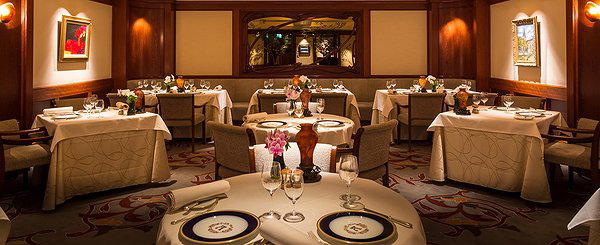
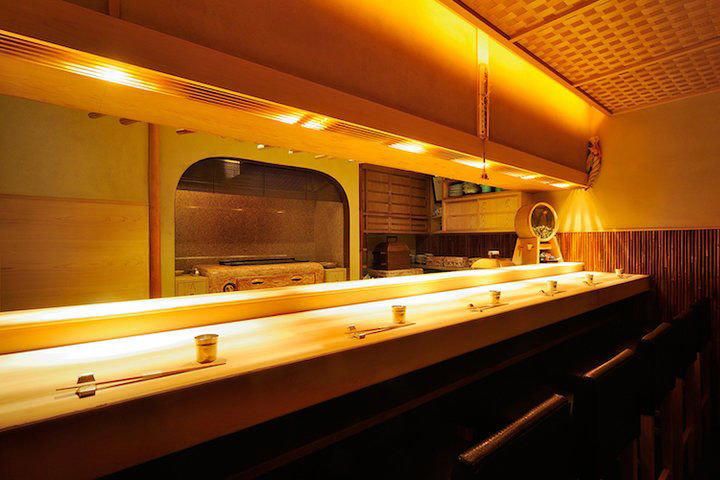
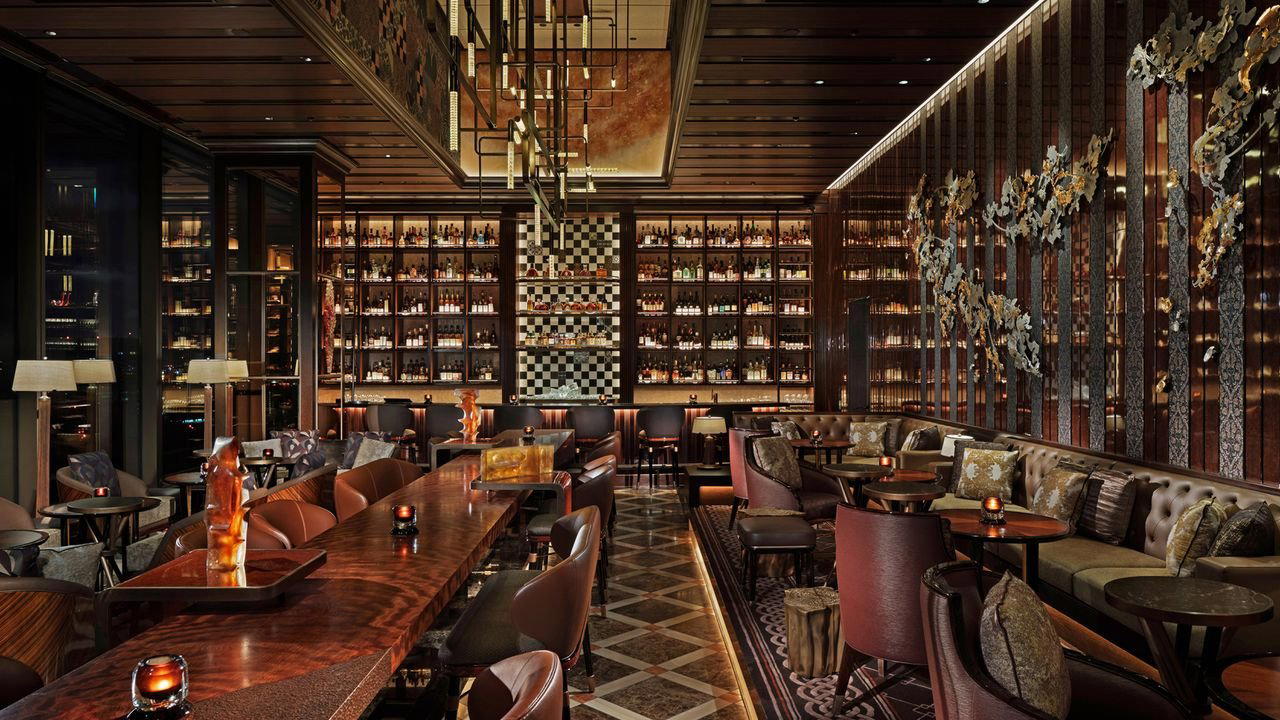
The restaurant occupies a Roppongi address in Minato City and reflects the chef's cross-cultural background rather than a conventional Chinese restaurant format. The cooking draws on kappo discipline alongside Cantonese tradition, so the atmosphere leans toward considered and personal rather than banquet-hall formal. Two consecutive Michelin Plate recognitions (2024 and 2025) suggest a room taken seriously by critical reviewers.
Is Shunka Nakamura more mid-range or high-end?
Pricing at Shunka Nakamura is listed as ¥¥¥.
What's Shunka Nakamura known for in terms of accolades?
Shunka Nakamura has received recognition including: Relentless curiosity is the driving force of this chef. After going to Hong Kong to study Cantonese cuisine, he then worked at a kappo to learn about Japanese food. He calls the marriage of these two shunka, which roughly translates as ‘Chi….
What should I eat at Shunka Nakamura?
The kitchen's signature framing is shunka: Cantonese cooking reoriented around Japanese seasonal produce. Spring rolls made with pike conger or conger eel are one documented example of that approach. The steamed chicken follows a recipe passed directly from the chef's Hong Kong mentor and represents the Cantonese foundation the menu is built on.
How would you describe the cuisine at Shunka Nakamura?
Similar Picks
A quick peer list to put this venue’s basics in context.
| Venue | Cuisine | Price | Awards | Notes |
|---|---|---|---|---|
| Shunka NakamuraThis venue (the venue you are viewing) | Cantonese-Japanese Fusion Omakase | $150–200 | Michelin Plate | Not listed |
| Harutaka | Edo-Style Omakase Sushi | $200–300 | 3 Michelin Stars · World's 50 Best #76 | Sushi |
| RyuGin | Modern Kaiseki | $500+ | 3 Michelin Stars · World's 50 Best #41 | Kaiseki, Japanese |
| L'Effervescence | Modern French with Japanese Influences | $200–300 | 3 Michelin Stars · World's 50 Best #69 | French |
| HOMMAGE | Modern French with Japanese Influences | $150–200 | 2 Michelin Stars · World's 50 Best #78 | Innovtive French, French |
| MAZ | Innovative Peruvian-Japanese Fusion | $150–200 | 2 Michelin Stars · World's 50 Best #28 | Innovative |
Recognition history
Dated appearances from independent guides and award organizations, with the underlying list record or original source where available.
Michelin Plate
Michelin
Full recognition history (3 entries)
Michelin Plate
Michelin
Michelin Plate
Michelin