Shoraian sits in Sagakamenocho, on the northwest edge of Kyoto where the Sagano bamboo district gives way to quieter residential lanes. The setting places it within a dining tradition shaped by proximity to the Oi River and the seasonal rhythms that have long defined Arashiyama-area kaiseki. For travelers moving through Kyoto's premium dining tier, it represents the city's persistent tendency to anchor serious cooking in landscape and season rather than urban spectacle.
Pearl is the En Primeur Club membership app — saves, bookings, and concierge access live there. Same editors, same standards.
- Address
- Japan, ã616-8386 Kyoto, Ukyo Ward, Sagakamenoocho, å® æå°å
- Phone
- +81758610123
- Website
- shoraian.jp
- Directions
- Get directions
 Saves & bookings on Pearl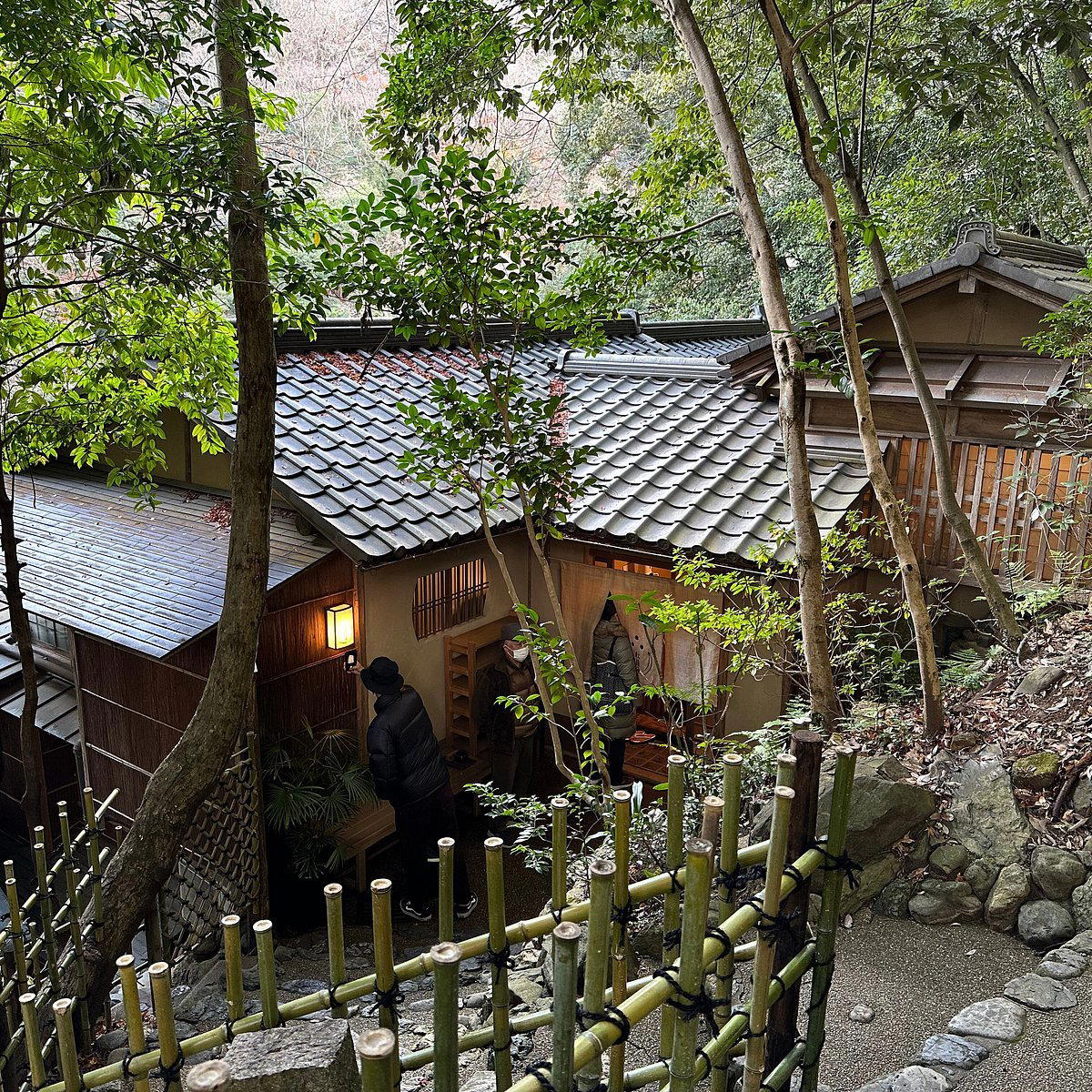
Arriving at the Edge of the City
The northwest fringe of Kyoto, where Ukyo Ward dissolves into the forested slopes above Arashiyama, operates by different rules than the dense restaurant corridors of Gion or Kawaramachi. Here, the city's premium dining tradition has always been rooted in place before technique: the proximity of the Oi River, the visual weight of Sagano's bamboo groves, and the seasonal legibility of a landscape that shifts visibly between late March cherry bloom and November's maple fire. Shoraian, a traditional tofu kaiseki restaurant in Kyoto's Ukyo Ward, belongs to that quieter, geography-anchored tier of Kyoto dining rather than to the competitive cluster of central Kyoto.
That geographic positioning matters editorially. Kyoto's kaiseki circuit is often discussed as a single category, but it splits clearly between venues that perform within the city's tourist infrastructure, close to major temples, accessible by taxi in minutes, and those that require deliberate navigation. The Arashiyama-adjacent addresses sit in the latter group, drawing guests who have made an explicit choice to leave the center and commit to a longer, more immersive afternoon or evening. The meal, in that context, begins before you sit down.
The Arc of a Kyoto Kaiseki Progression
Kaiseki, in its orthodox Kyoto form, is a sequenced argument. It does not present dishes as independent events but as a constructed arc: a sakizuke appetizer establishing the seasonal register, then hassun as the pivot that names the season outright, then a succession of cooking methods, yakimono, nimono, and so on, that build and then release tension before rice signals the meal's close. Understanding this structure is the entry point for evaluating any serious Kyoto kaiseki house, because the quality question is not simply whether individual dishes are accomplished but whether the sequence holds together as a coherent progression.
Venues in Kyoto's premium tier, among them Gion Sasaki, Hyotei, Kikunoi Honten, and Mizai, each resolve that sequencing question differently, shaped by family lineage, ingredient sourcing relationships, and the size and format of their rooms. Isshisoden Nakamura represents a particularly deep lineage strand, with centuries of documented continuity. Shoraian's position within this comparable set is defined partly by its Arashiyama adjacency, which signals a particular aesthetic orientation: the natural setting is not incidental but compositional, feeding into ingredient choices and the mood each course is expected to carry.
Venues like æ¹é庵 in Takashima and åºç¾½å± in Nishikawa Machi operate on a similar premise, that serious Japanese cooking in a natural or semi-rural setting earns its authority through environmental specificity rather than urban density. The meal is inseparable from where you are.
Seasonal Sequencing and What It Requires of the Diner
Kyoto kaiseki menus change with the season, and the changes are neither cosmetic nor gradual. The switch from summer to autumn, for instance, collapses specific ingredient categories entirely, ayu sweetfish disappears, matsutake mushroom arrives, and requires the kitchen to rebuild its progression logic from scratch each time. This is why experienced diners in this category typically plan visits around a specific seasonal window rather than around a convenient travel date.
For the Arashiyama corridor, the two strongest seasonal arguments are spring and autumn. Cherry blossom season draws substantial visitor pressure in March and April, which means dining rooms fill well in advance and the natural setting performs at its most visually concentrated. Autumn foliage in November offers the same visual intensity with somewhat different crowd dynamics. Summer in Kyoto is hot and humid, and kaiseki houses in this area often configure their spaces to acknowledge the season physically, open screens, river-proximate positioning, or a menu calibrated around cooling techniques. Each of these seasonal contexts produces a different meal arc, and the ideal time to visit is a function of what the diner wants that arc to express.
This is a pattern visible across the premium kaiseki tier in western Japan. HAJIME in Osaka runs a different structural logic, more conceptual, closer to French progression in its architecture, while the Kyoto tradition maintains stricter fidelity to the classical kaiseki sequence. akordu in Nara represents yet another inflection, where European technique meets the Kansai regional ingredient base. Understanding these distinctions helps place Shoraian's broader culinary neighborhood accurately: it operates within the conservative Kyoto tradition, not the experimental wing.
Kyoto's Outer-Ward Dining in Context
The choice to dine in Ukyo Ward rather than in Gion or Fushimi has logistical consequences worth addressing directly. Public transport reaches the Arashiyama area via the Randen Arashiyama line or the JR Sagano line, both of which terminate a walkable distance from the district. Taxis from central Kyoto add travel time of twenty to thirty minutes depending on traffic, and evening departures after dinner can require advance arrangement, particularly in peak tourist seasons when availability contracts. This is a meaningfully different logistical situation than dining in the central wards, and it shapes the pacing of the day.
That logistical commitment is also a selection mechanism. The guests who arrive at outer-ward kaiseki houses have typically thought more carefully about the evening than those who make a last-minute reservation at a centrally located restaurant. It creates a particular room atmosphere, quieter, more purposeful, that feeds back into the dining experience itself.
For travelers building a Kyoto dining itinerary across multiple nights, the city's central kaiseki tier and its outer-ward counterparts serve different functions.
Goh in Fukuoka and Harutaka in Tokyo each anchor their respective cities' high-end sequences differently. Globally, the sequenced tasting format finds counterparts in venues like Le Bernardin in New York City and Atomix in New York City, though the kaiseki arc carries a seasonal logic that French-derived tasting menus don't replicate. Regional Japanese comparisons include 一本杉川島 in Nanao and 大地乃山乃 in Sapporo, both of which represent the regional kaiseki tradition outside the Kansai center. Birdland in Sakai and Bistro Ange in Toyohashi sit outside the kaiseki category but illustrate how Japanese regional dining builds serious programs in smaller cities.
Know Before You Go
- Location: Sagakamenocho, Ukyo Ward, Kyoto, northwestern edge of the city, Arashiyama district
- Getting there: Randen Arashiyama line or JR Sagano line; taxis from central Kyoto run approximately 20-30 minutes depending on traffic
- Leading seasons: Late March to early April (cherry blossom) and November (autumn foliage) represent the highest-demand windows; book well in advance for either period
- Booking: Reservations are recommended, and last-minute availability is limited in peak periods.
- Logistics note: Plan return transport before the evening; taxi availability in this area after dinner can be limited during peak tourism periods
Budget Reality Check
Comparable venues nearby, for context on price, style, and recognition.
| Venue | Cuisine | Price | Notes |
|---|---|---|---|
| ShoraianThis venue — the venue you are viewing | Ukyō, Traditional Tofu Kaiseki | $$$$ | Not listed |
| Kawano | Sakyō, Edomae Sushi Omakase | $$$$ | Not listed |
| ゑび秀 | Not listed | $$$$ | Higashiyama, Traditional Kyoto Oden Omakase |
| 浜作 | Nakagyō, Traditional Kaiseki | $$$$ | Not listed |
| SUI Fine Dining Restaurant | Higashiyama, Modern Japanese Omakase | $$$$ | Not listed |
| Miyama Sou | Sakyō, Tsumikusa Kaiseki | $$$$ | Not listed |
Continue exploring
More in Kyoto
Restaurants in Kyoto
Browse all →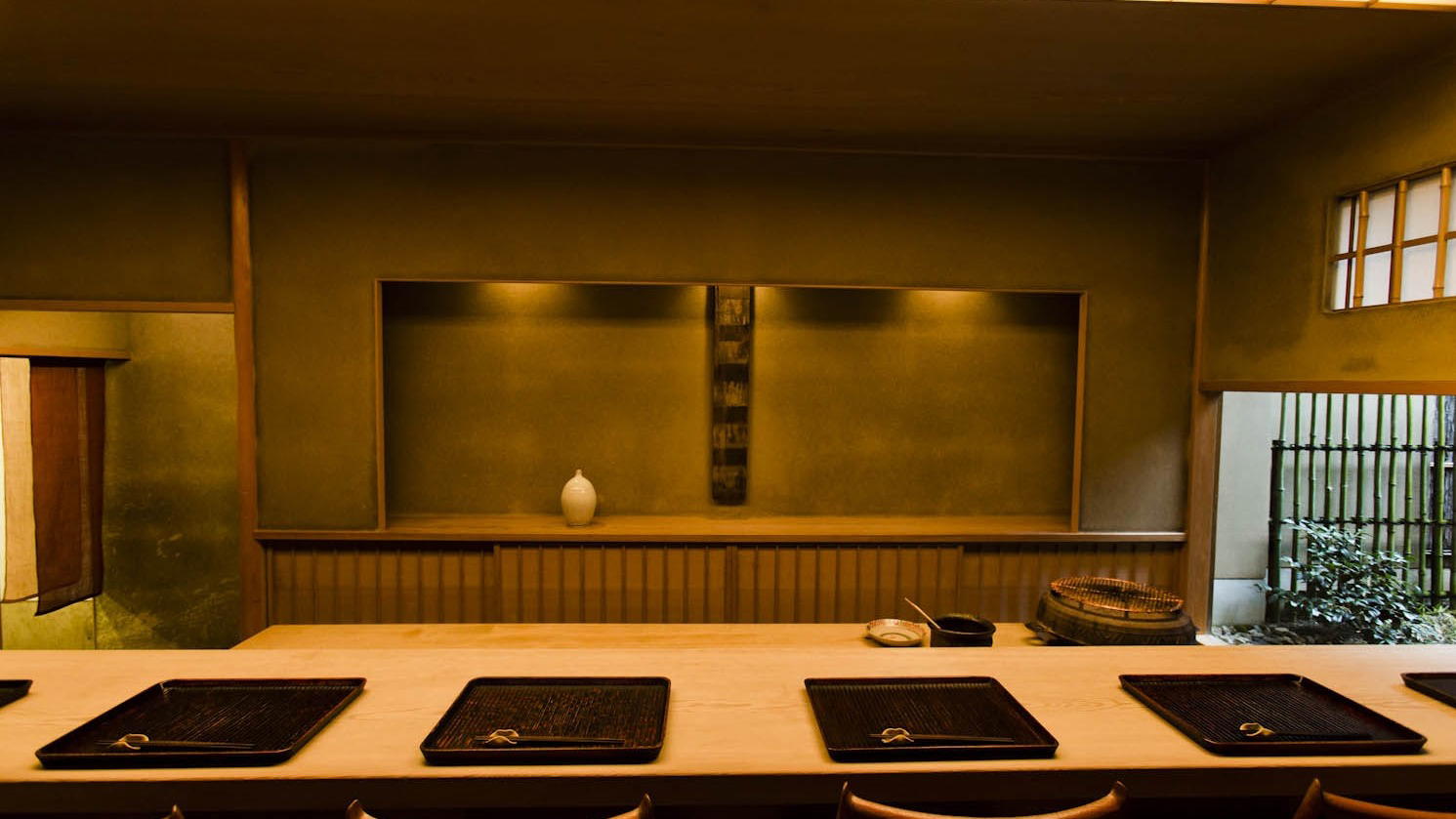
Bars in Kyoto
Browse all →
Hotels in Kyoto
Browse all →
Wineries in Kyoto
Browse all →
At a Glance
- Scenic
- Elegant
- Intimate
- Cozy
- Special Occasion
- Date Night
- Sake Program
- Mountain
- Street Scene
Current opening hours
- Monday
- 11 AM–4 PM
- Tuesday
- 11 AM–4 PM
- Wednesday
- Closed
- Thursday
- 11 AM–4 PM
- Friday
- 11 AM–7 PM
- Saturday
- 11 AM–7 PM
- Sunday
- 11 AM–7 PM
Hours can change for holidays and private events. Last verified .
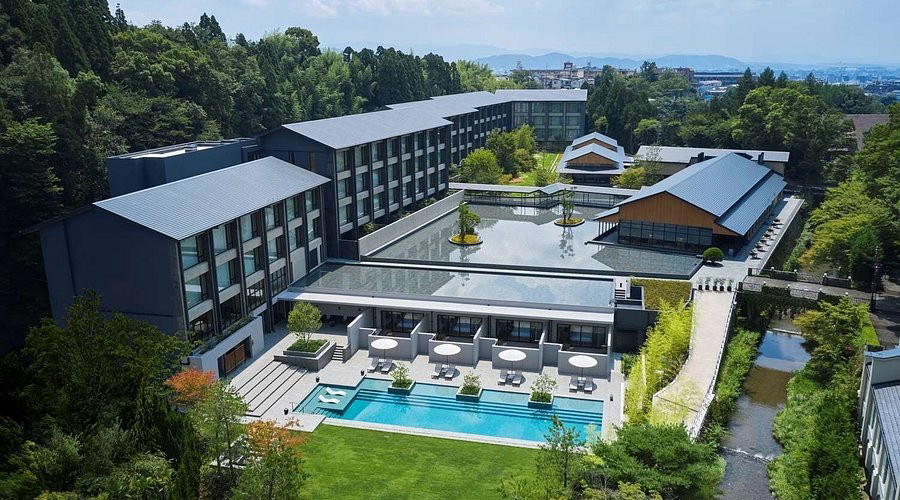
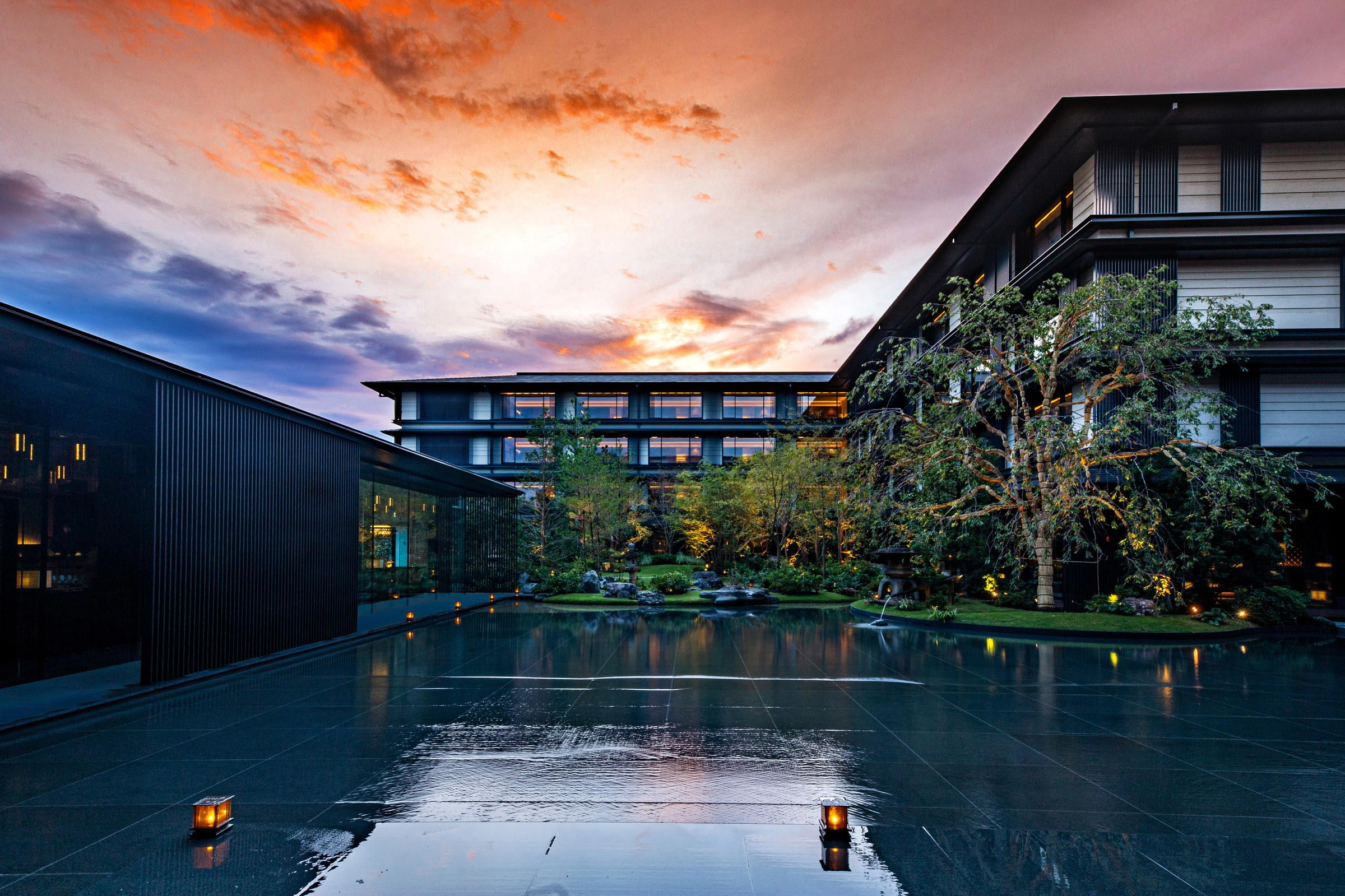
Serene and elegant with natural lighting overlooking scenic river and mountain views, creating a peaceful traditional atmosphere.