On the stone-paved lanes below Kiyomizudera, ゑび秀 occupies the older, less-theorised tier of Kyoto dining: neighbourhood-scale, rooted in local custom, and removed from the kaiseki circuit that dominates the city's international reputation. For visitors working through Higashiyama's Sannenzaka and Ninenzaka precincts, it represents an encounter with the everyday register of Kyoto cooking rather than its ceremonial one.
Pearl is the En Primeur Club membership app — saves, bookings, and concierge access live there. Same editors, same standards.
- Address
- 東山区清水257-18, 京都市, 京都府, 605-0862
 Saves & bookings on Pearl
The Setting: Higashiyama's Quieter Register
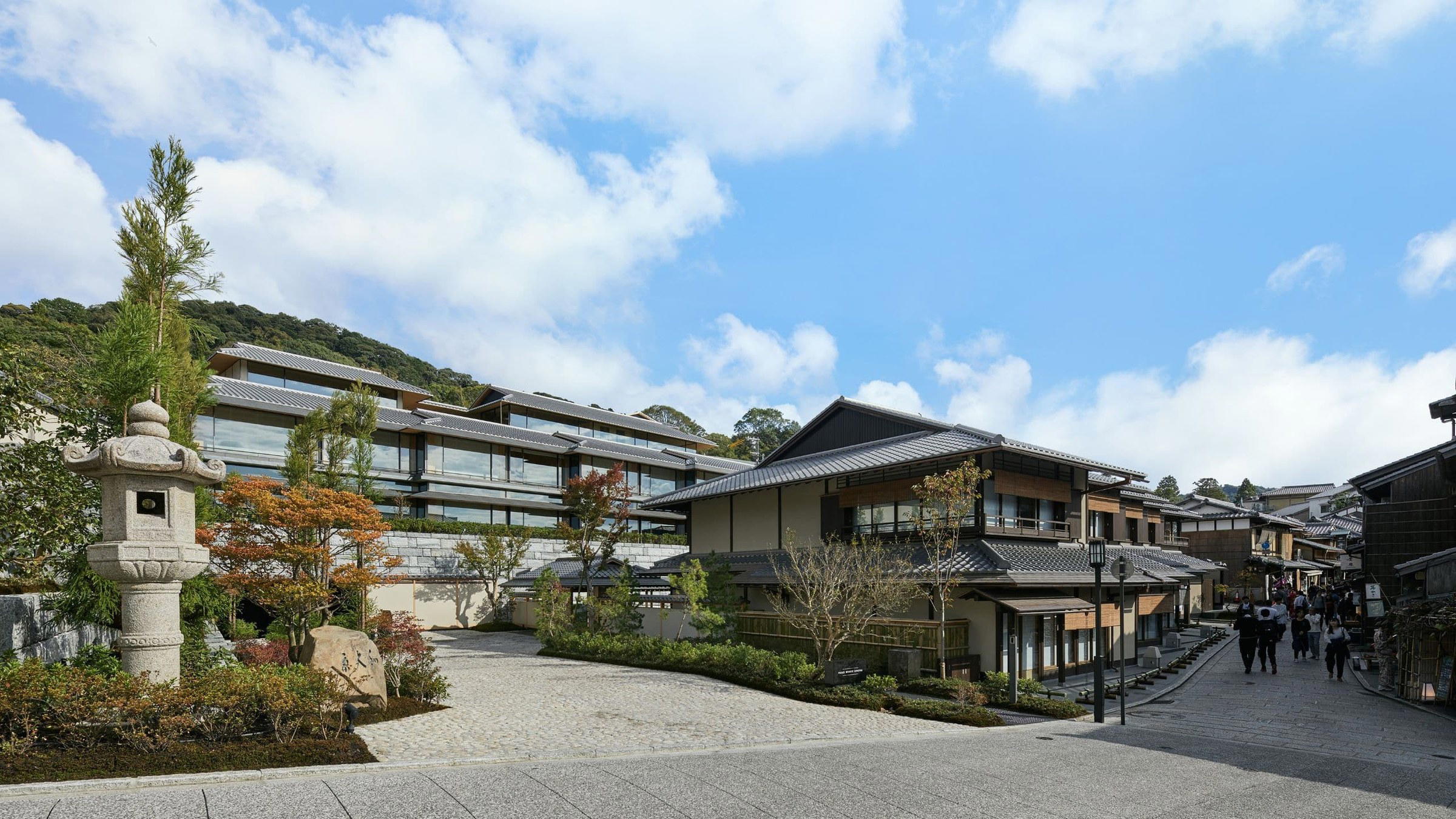
The approach to Higashiyama from the Gojo side has a different rhythm from the main tourist press near Kiyomizudera's main gate. The crowds thin a few hundred metres south of the temple precinct, and the addresses along Kiyomizuzaka shift from souvenir vendors to the smaller, less-advertised establishments that have always served the area's resident population. ゑび秀 is a Kyoto restaurant serving Traditional Kyoto Oden Omakase at 東山区清水257-18, with reservations by appointment only and an approximate price of $250 per person.
Higashiyama is one of Kyoto's most carefully preserved districts, and that preservation cuts both ways. It protects a physical environment of machiya townhouses and stone-laid lanes, but it also maintains a commercial stratification that has existed for generations: high-end kaiseki houses, mid-tier specialty restaurants, and the local-facing places that rarely appear in international press. ゑび秀 belongs to the third category, which in Kyoto carries its own kind of credibility. The city has a long tradition of eating establishments that derive authority not from awards but from neighbourhood tenure and the loyalty of a regular clientele.
The Dining Ritual: How Kyoto Eats in This Register
Understanding ゑび秀 requires some context about how casual and semi-formal dining operates in Kyoto outside the kaiseki framework. Where kaiseki houses like Gion Sasaki, Hyotei, or Kikunoi Honten organise the meal around a sequence of prescribed courses with strict seasonal logic, the neighbourhood restaurant operates with a different set of customs. Pacing is less choreographed; the meal builds around what the kitchen has committed to that day rather than around a composed tasting architecture.
This distinction matters practically. At venues in the upper tier of Kyoto dining, including Mizai and Isshisoden Nakamura, the guest's role is largely passive: the kitchen leads, the sequence is fixed, and engagement with the meal is mediated by the format. At smaller, less-theorised places, there is more negotiation at the table, more visible decision-making, and a different kind of attention required from the diner. Neither mode is superior; they represent different relationships between kitchen and guest, each with its own etiquette.
In Kyoto's cooking tradition, the concept of te no aji (the taste of the hand) describes a quality that formal kaiseki often disciplines away in favour of consistency: the individual character that emerges when a small kitchen cooks for a limited number of covers without the standardising pressure of high volume or multi-course formality. This is the quality that neighbourhood restaurants in Higashiyama's quieter precincts tend to trade on, whether or not they articulate it.
Situating ゑび秀 in Kyoto's Dining Spectrum
Kyoto's international dining reputation rests almost entirely on its kaiseki tradition, and the city's Michelin-starred establishments have reinforced that reputation annually since the guide first covered Japan. But the city contains a much wider range of serious cooking at different price points and in different modes. The same culinary discipline that produces kaiseki also informs the preparation at mid-tier specialty restaurants: an attention to sourcing, a preference for restraint over richness, and a seasonal awareness that operates at a finer granularity than in most other Japanese cities.
Comparisons across Kansai are instructive. In Osaka, venues like HAJIME operate at the formal, internationally-referenced end of the spectrum. In Nara, akordu applies European technique to regional produce in a format that sits between kaiseki and modern fine dining. Kyoto's neighbourhood restaurants occupy a different position altogether: they are not cross-cultural experiments, not tasting menus, and not destinations in the way that internationally awarded venues are. They are functional parts of a local food culture that predates and will outlast the current wave of culinary tourism.
Further afield, the contrast is sharper. Restaurants like Le Bernardin in New York or Atomix in New York City operate within frameworks where critical infrastructure, press attention, and international visitor bases are central to how the kitchen defines itself. A Higashiyama address like ゑび秀 operates within an entirely different economy of recognition, one where the neighbourhood is the primary audience and consistency over years carries more weight than any single season of attention.
That said, Kyoto's food culture at every level reflects the city's geographical advantages. The proximity to Nishiki Market's produce suppliers, the access to the Seto Inland Sea's seafood networks, and the long history of Buddhist temple cooking that shaped Kyoto's vegetable-forward preferences all feed into even particularly informal kitchens in the Higashiyama district.
Planning a Visit to Higashiyama
Know Before You Go
- Address: 東山区清水257-18, 京都市, 京都府, 605-0862
- Area: Higashiyama, Kyoto (Sannenzaka–Kiyomizuzaka precinct)
- Leading access: Bus to Kiyomizumichi stop; 10-minute walk south along Kiyomizuzaka
- Peak congestion: Spring cherry blossom (late March–early May) and autumn foliage (mid-October–late November)
- Reservations: Appointment only
- Pricing: About $250 per person
A Tight Comparison
Comparable venues nearby, for context on price, style, and recognition.
| Venue | Cuisine | Price | Notes |
|---|---|---|---|
| ゑび秀This venue — the venue you are viewing | Not listed | $$$$ | Not listed |
| 大鵬 | Nakagyō, Authentic Kyoto Kaiseki | $$$$ | Not listed |
| ユキフラン佐藤 | Gion, Creative Kaiseki | $$$$ | Not listed |
| Restaurant MAEKAWA | Higashiyama, Modern Japanese Ryoriya | $$$$ | Not listed |
| Kyo-Suiran (京 翠嵐) | Not listed | $$$$ | Arashiyama, French-Inspired Traditional Kaiseki |
| Yakiniku Yamachan | Not listed | $$$ | Nakagyo-ku, Premium Wagyu Yakiniku with Japanese Fusion |
At a Glance
- Elegant
- Intimate
- Quiet
- Sophisticated
- Business Dinner
- Special Occasion
- Celebration
- Chefs Counter
- Open Kitchen
- Sake Program
- Local Sourcing
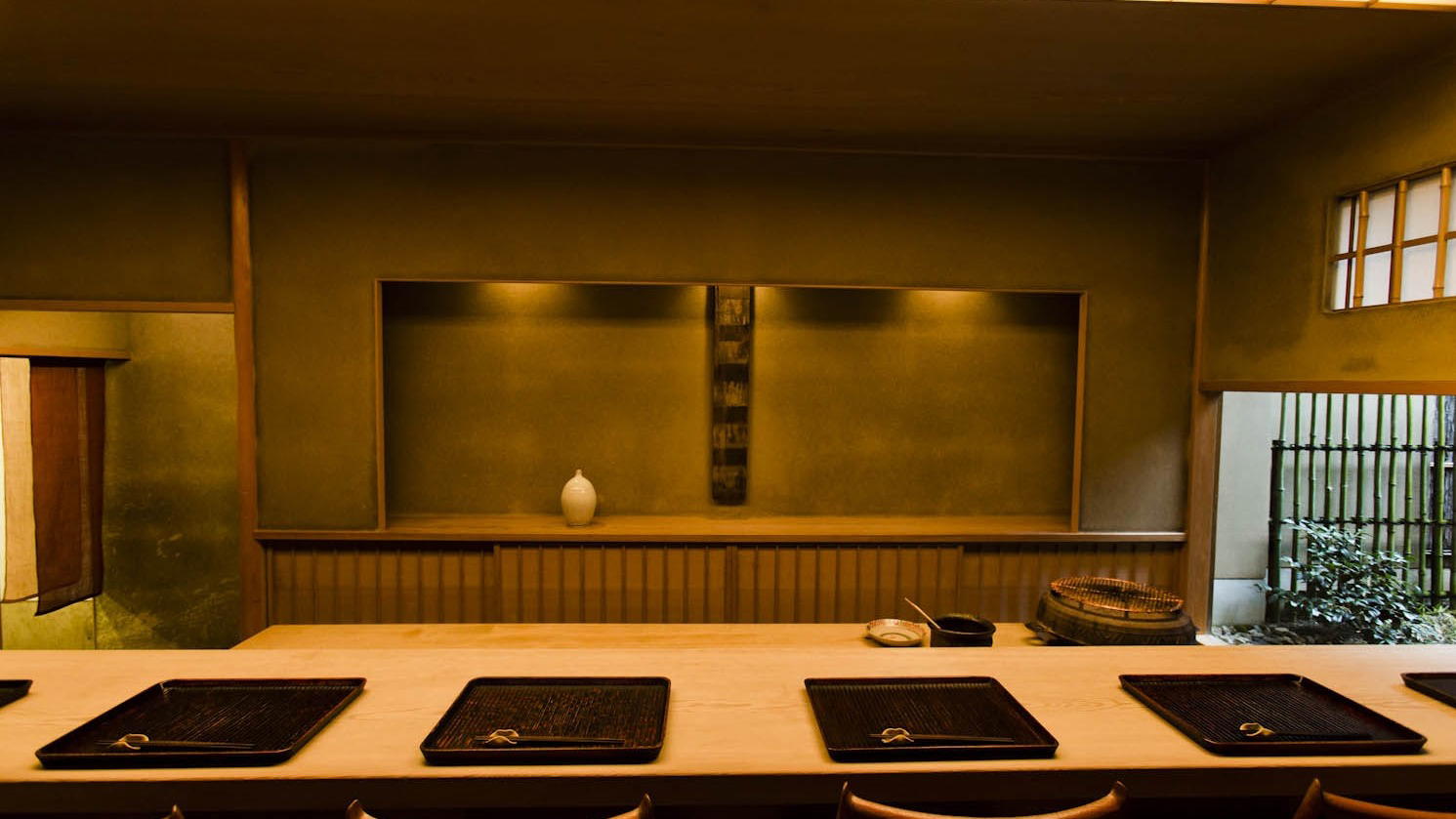
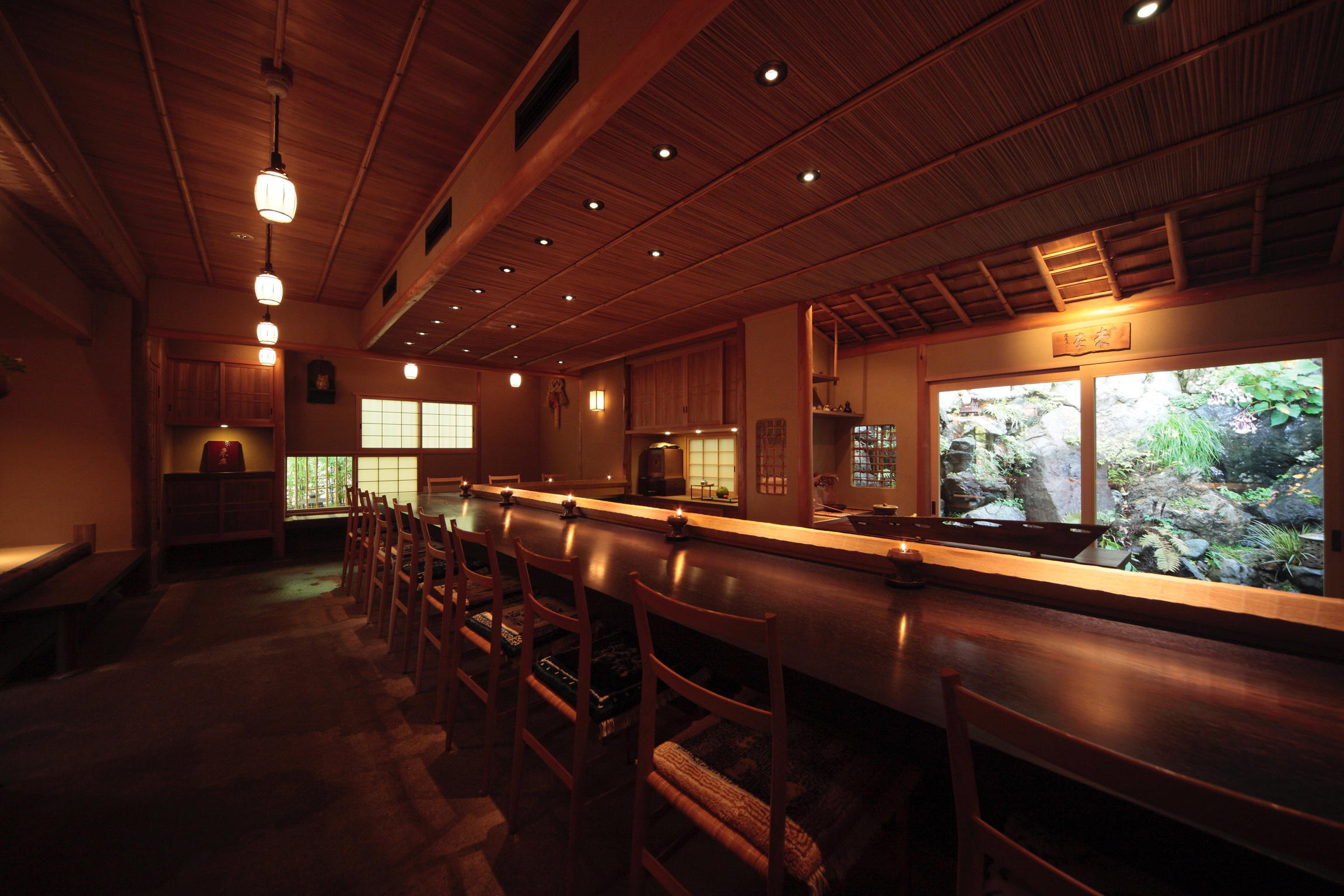
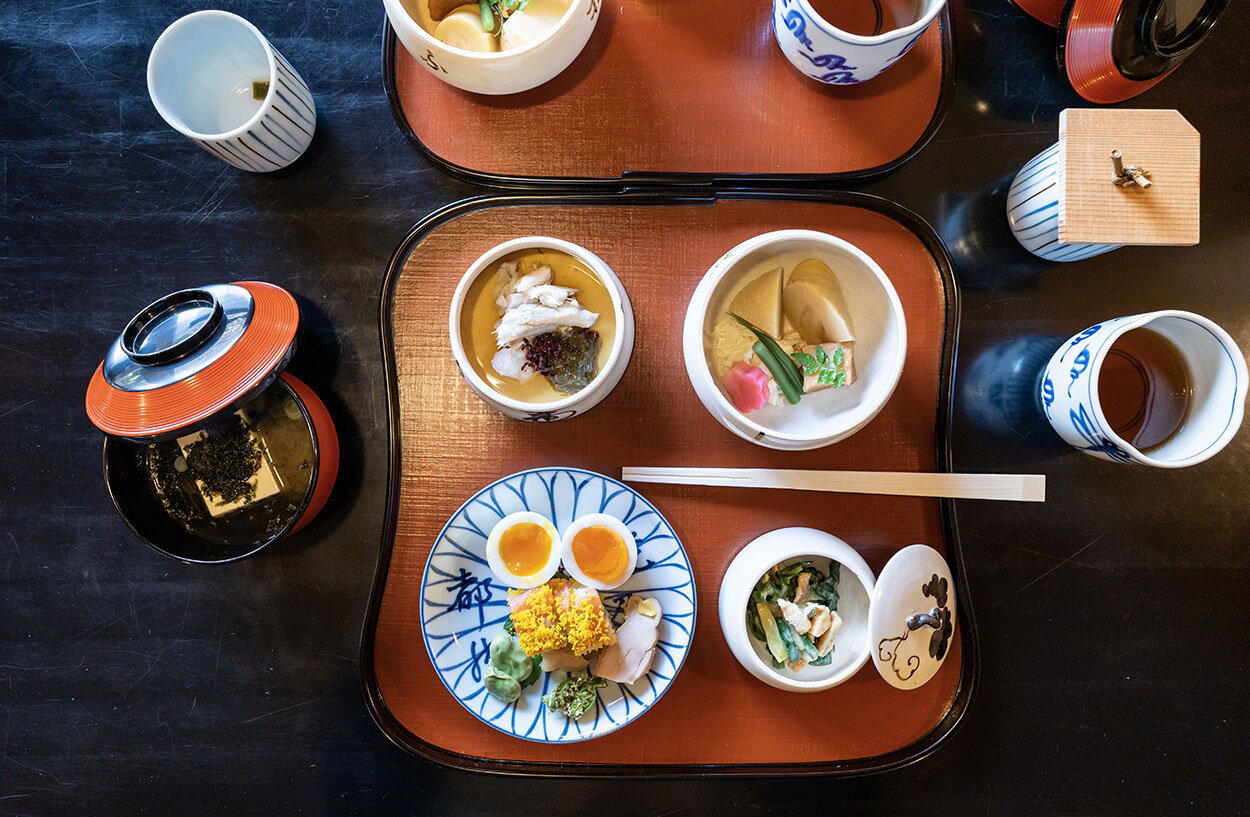
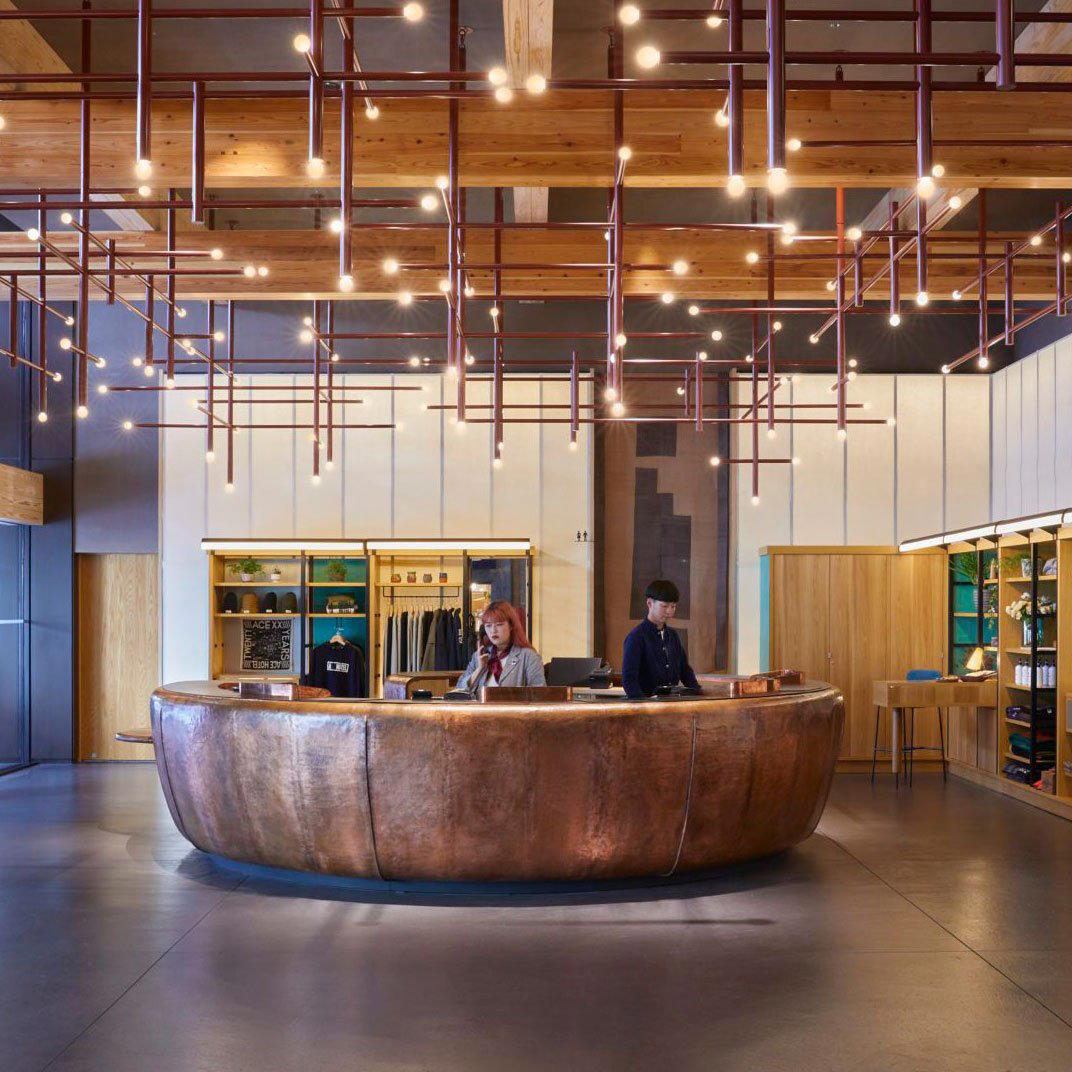
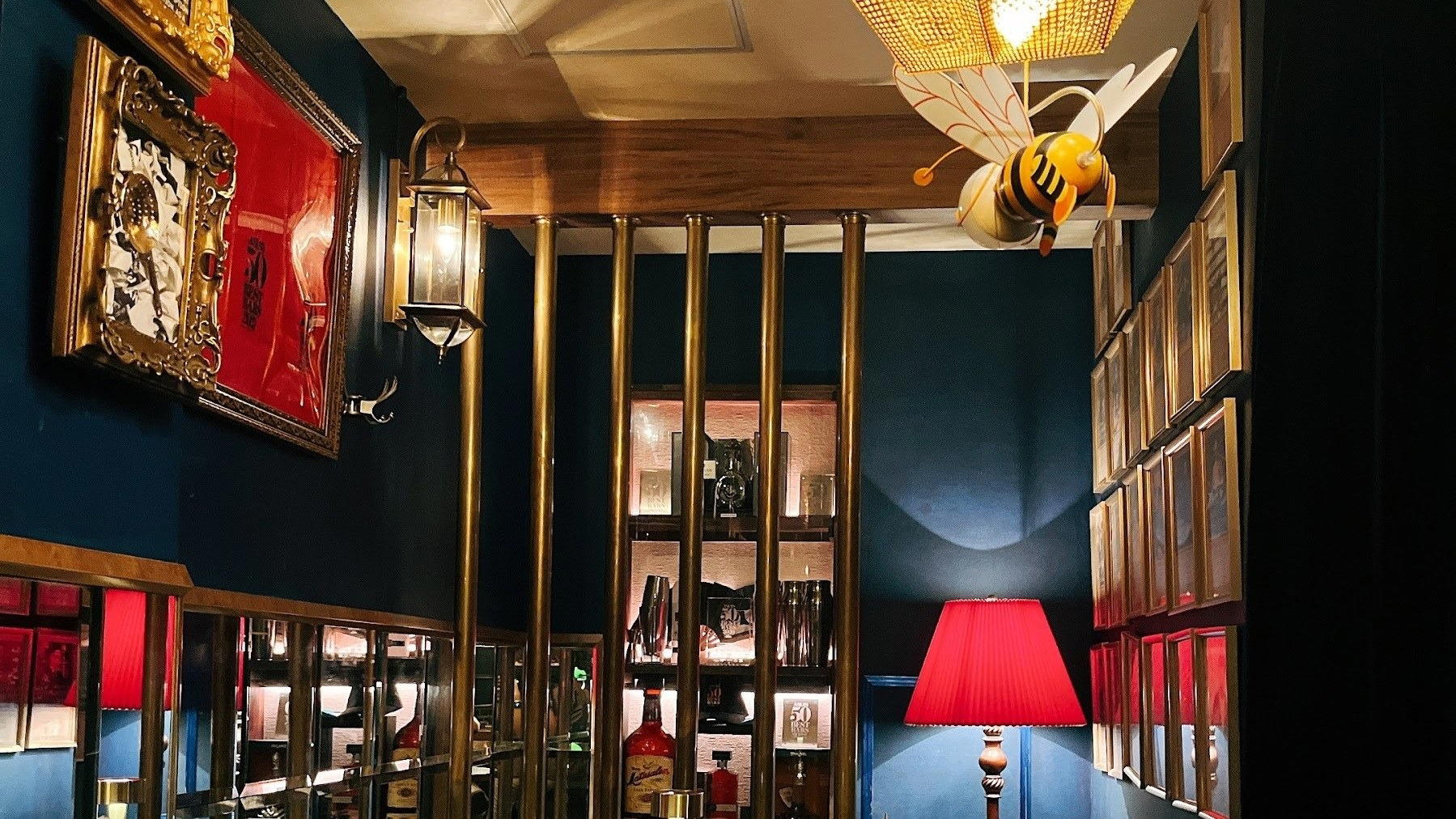
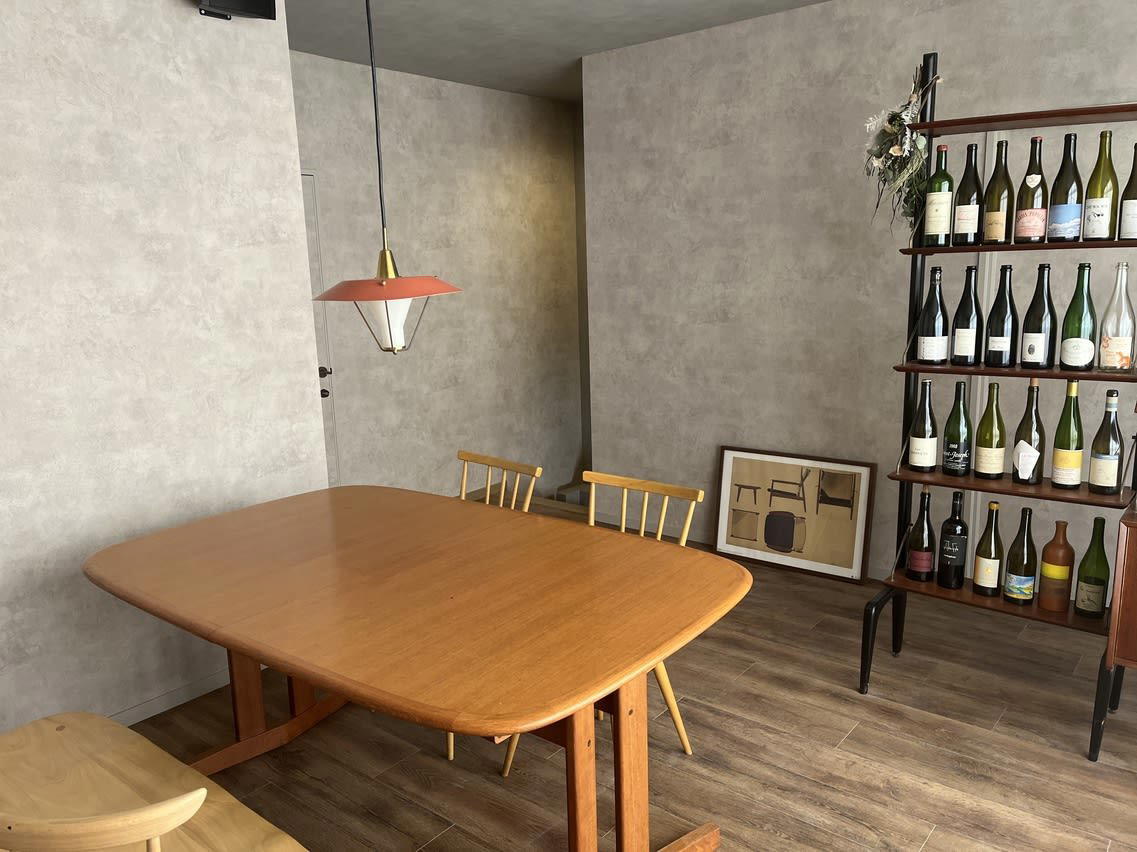
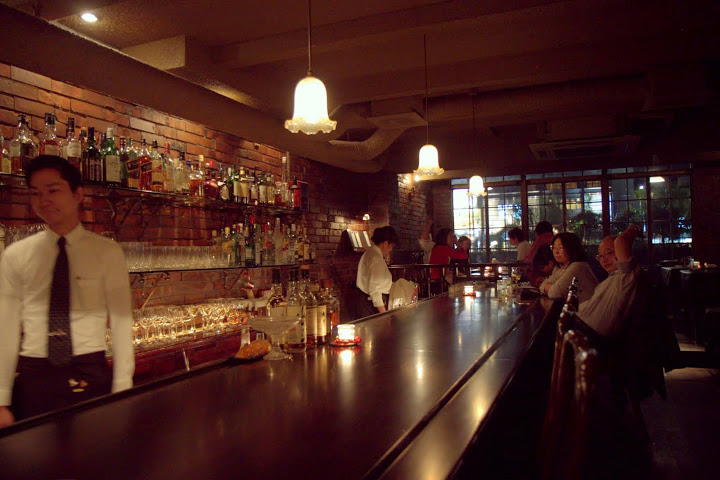
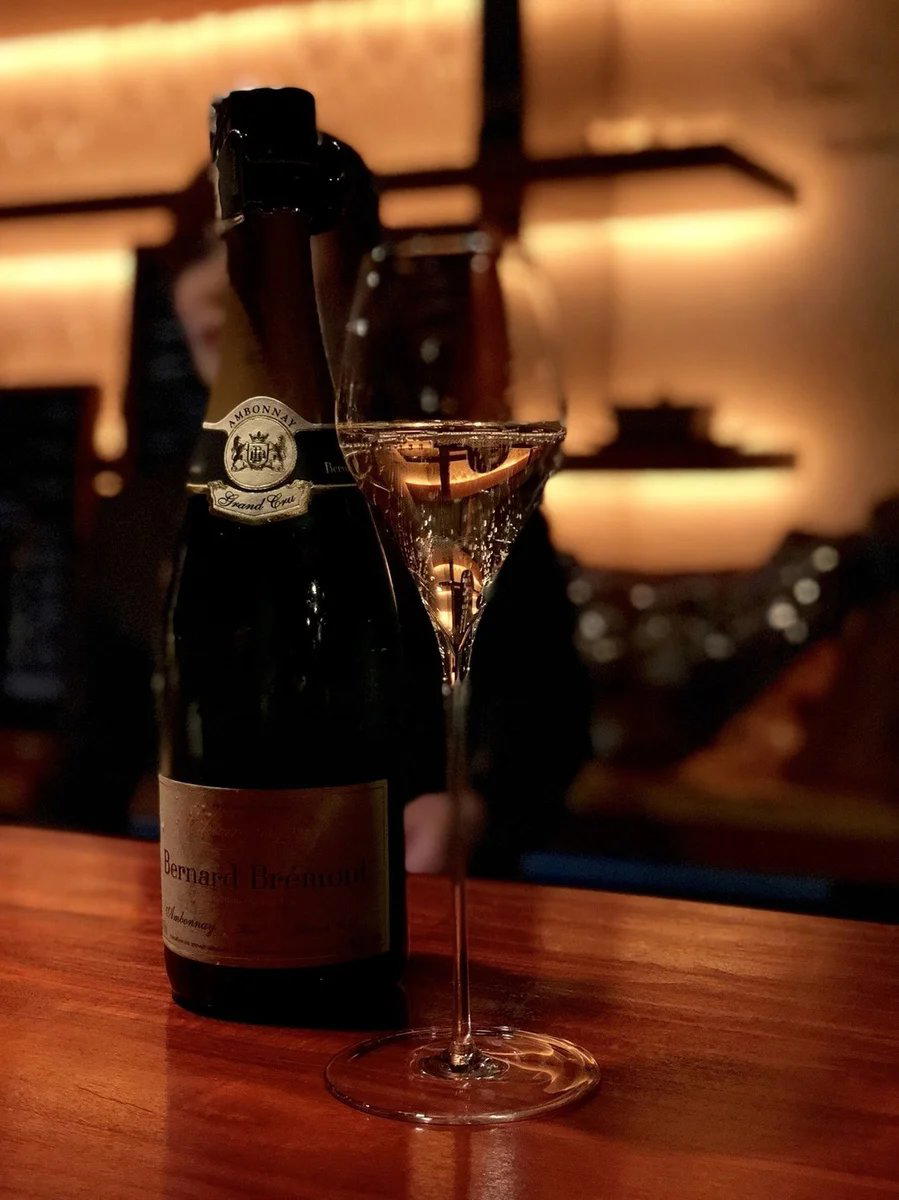
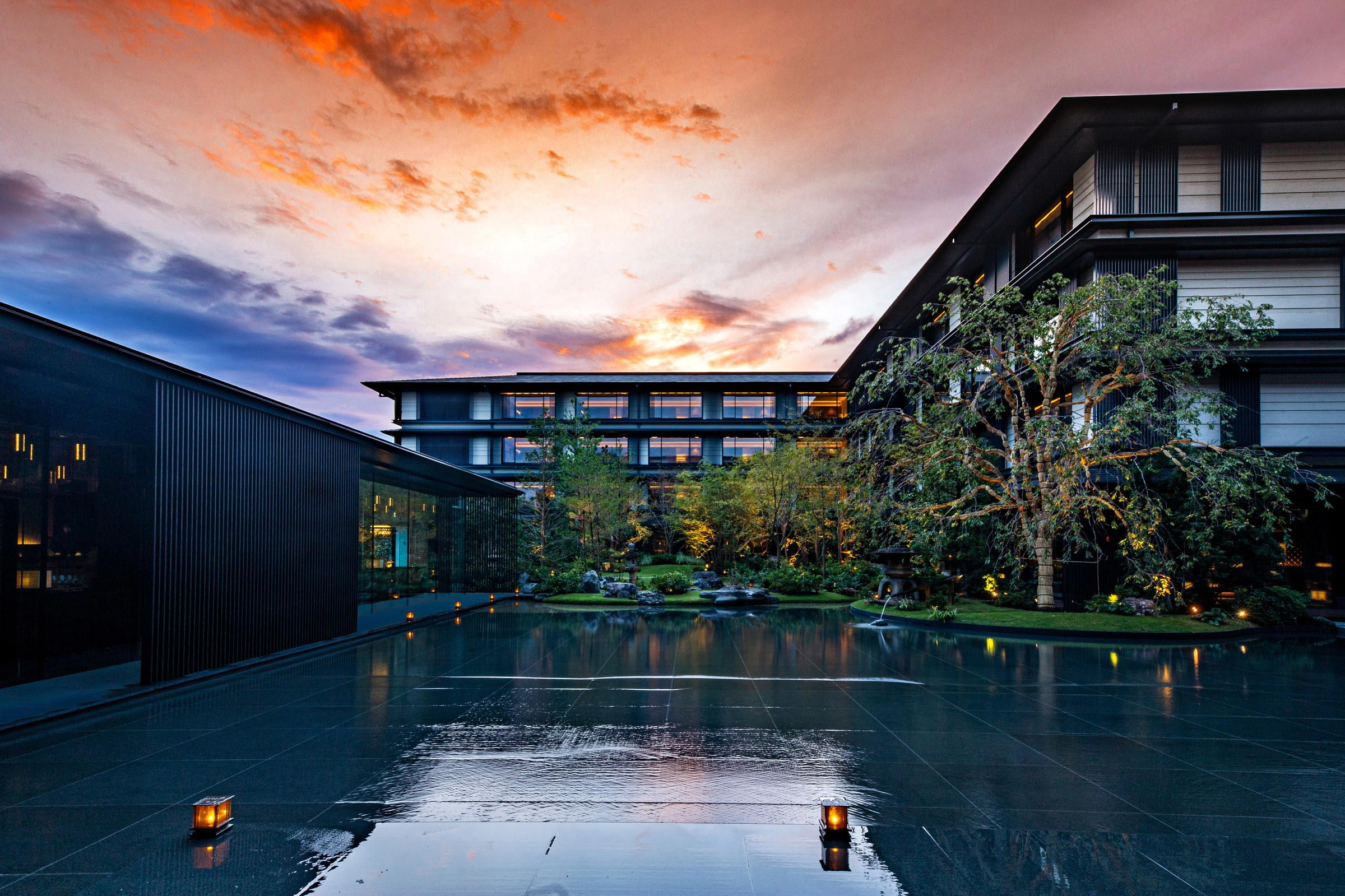
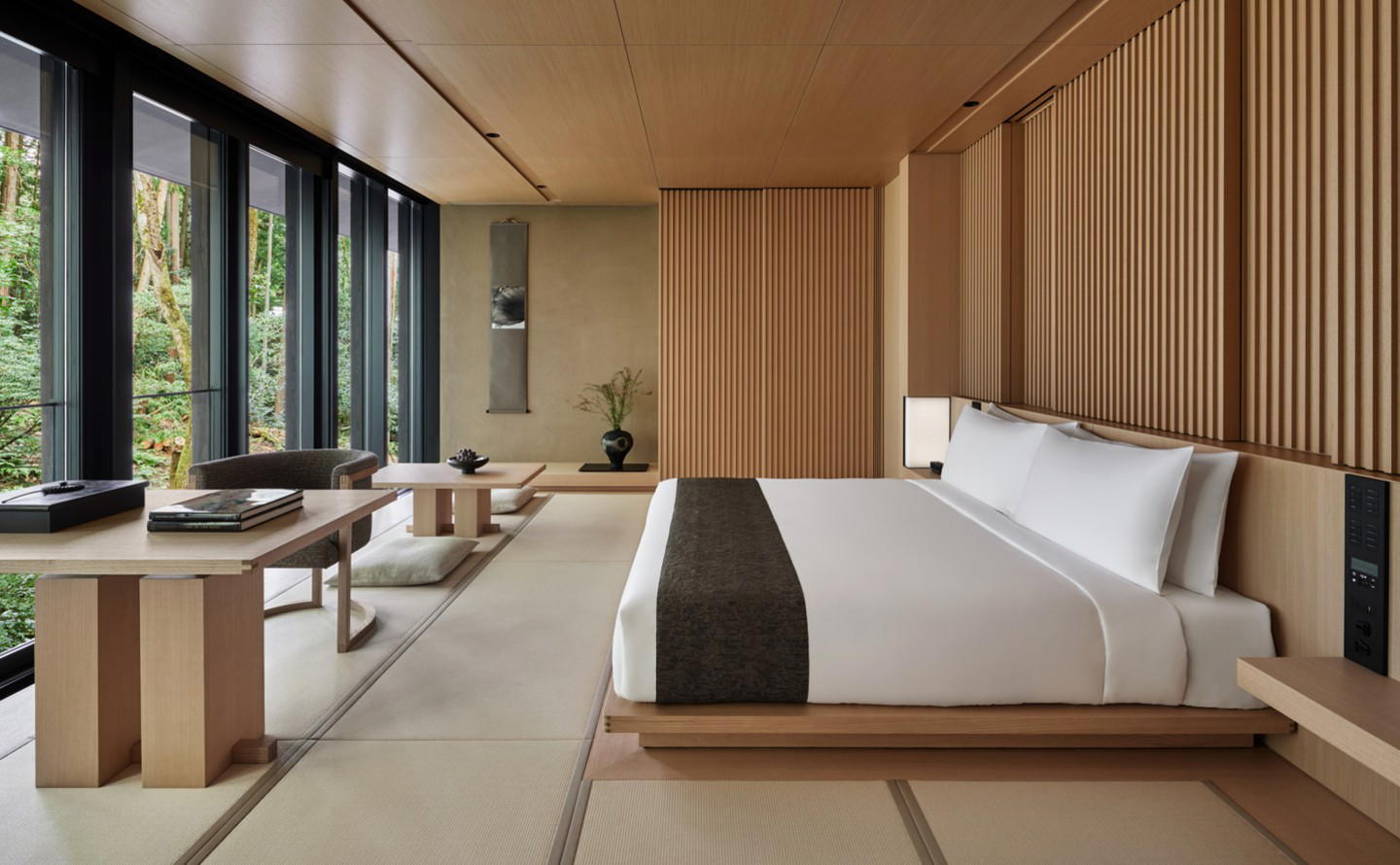
Intimate counter-only setting with warm, welcoming atmosphere; guests interact closely with the chef who embodies a gentle, Kyoto-style hospitality; soft lighting and quiet elegance create a serene dining experience.