Kawano sits in Kyoto's Shimogamo district, a residential quarter north of the city centre where the dining room draws a steady local following rather than tourist foot traffic. The address in Sakyo Ward places it within reach of the Kamo River's upper reaches, and the restaurant's appeal rests on the kind of accumulated loyalty that characterises Kyoto's most enduring neighbourhood tables.
 Discover on Pearl
Pearl is the En Primeur Club membership app — saves, bookings, and concierge access live there. Same editors, same standards.
- Address
- Japan, 〒606-0824 Kyoto, Sakyo Ward, Shimogamo Higashihangicho, 72-8 下鴨ALLEY
- Phone
- +815035034867
- Website
- tablecheck.com
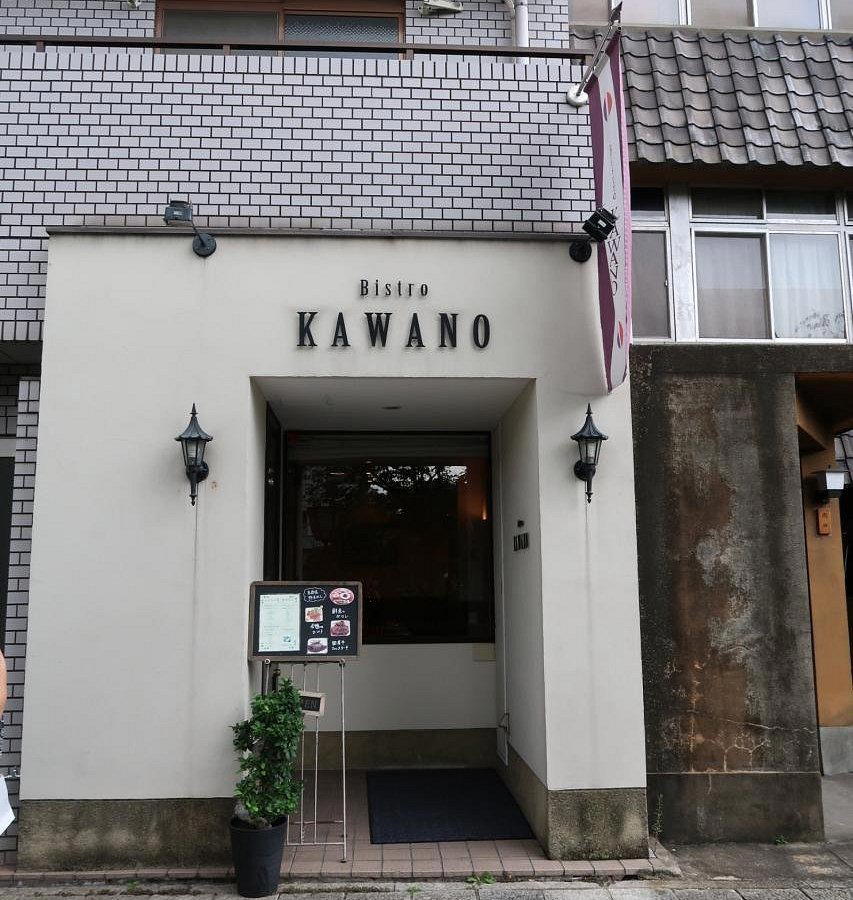
A Shimogamo Address and What It Signals
Kawano is an Edomae Sushi Omakase restaurant in Kyoto, in Sakyo Ward’s Shimogamo district, with a Google rating of 4.7 and an estimated price of about $200 per person. The Shimogamo district, by contrast, operates at a different frequency. Sakyo Ward, where Kawano sits at Shimogamo Higashihangicho, is a residential quarter threaded through by bicycle commuters and families rather than tour groups. Restaurants that survive here do so on repeat local custom, not on seasonal tourist surges. That structural fact shapes everything about how a place like this functions.
The pattern is consistent across Kyoto's neighbourhoods north of Shijo: venues that thrive in residential wards tend to have absorbed a regulars' culture that more central restaurants can rarely sustain. A diner who returns weekly or monthly imposes a different set of expectations than one who arrives once and orders by photograph. The kitchen has to remain coherent across visits, and the front of house has to remember without being prompted. These are exacting standards, and they are set not by critics but by the people who live nearby.
What Brings People Back
The regulars' perspective is the most honest lens through which to read a neighbourhood restaurant in Kyoto. In a city where formal kaiseki at venues like Kikunoi Honten or Hyotei carries a price point that price-signals occasion dining, and where rooms like Gion Sasaki and Mizai sit at the premium tier of the city's formal Japanese canon, the neighbourhood table fills a different function. It is where the same faces appear on Tuesday evenings in February and on quiet autumn afternoons in November. The draw is not the event of the meal but the reliability of it.
Kyoto's dining culture has long maintained this two-tier structure: the formal, celebrated room designed for maximum expression of seasonal produce, and the quieter neighbourhood address where craft is exercised at lower volume but equivalent seriousness. Isshisoden Nakamura represents the multi-generational end of that formal tier; Kawano's position in Shimogamo suggests a different category of longevity, one built on proximity and trust rather than on institutional prestige.
Shimogamo as Dining Context
The upper Kamo River corridor has a particular character in Kyoto's restaurant geography. Botanical gardens, the Shimogamo Shrine precinct, and the confluence of the Kamo and Takano rivers give the area a quieter, more natural register than the covered arcades of Nishiki or the lantern-lit lanes of Gion. Restaurants in this part of Sakyo Ward tend to reflect that register: less theatrical in presentation, more attuned to the rhythms of a neighbourhood that values understatement.
For a diner arriving from elsewhere in Japan, the frame of reference is useful. HAJIME in Osaka operates in a register of maximum formal ambition; Harutaka in Tokyo anchors itself in Ginza's concentrated competitive set. Kawano's Shimogamo address implies something else: a restaurant whose competitive reference points are local and whose audience arrives on foot or by bicycle rather than by bullet train. That is not a lesser proposition. It is a different one, and in Kyoto's dining culture, it has its own integrity.
Visitors travelling across the Kansai region might also consider akordu in Nara as a complementary stop, given Nara's relative proximity and its own distinct culinary character. For those extending further, Goh in Fukuoka represents a different expression of Kyushu's produce-led cooking. The broader Japanese restaurant scene, from Nanao to Sapporo, shows how deeply neighbourhood-scale dining sustains itself outside the major critical spotlights, a pattern that Kawano's Shimogamo address fits within.
Planning a Visit
The Shimogamo Higashihangicho address places Kawano in a residential pocket of Sakyo Ward accessible by bus from central Kyoto or by a short ride from Demachiyanagi Station on the Keihan Eizan line. Visitors should confirm current hours, reservation availability, and any seasonal closure periods directly with the venue before travelling, as neighbourhood restaurants in this part of Kyoto do not always maintain online booking systems or English-language contact channels.
Kyoto's most formally structured rooms, including Kikunoi Honten and the kaiseki counters that carry Michelin recognition, often require reservations weeks or months in advance, particularly during cherry blossom season in late March and early April, and during the autumn foliage period in November. A neighbourhood restaurant in Shimogamo may operate on a shorter booking horizon, but that cannot be assumed. Confirming availability well ahead of a Kyoto visit remains sound practice regardless of a venue's profile.
Dietary requirements should also be communicated at the point of reservation rather than on arrival. Japanese kitchen traditions, particularly those rooted in seasonal Japanese cooking, often involve ingredient-level decisions made before service begins. Prior notice allows the kitchen to accommodate restrictions with more care and less disruption.
Where It Fits
Comparable venues nearby, for context on price, style, and recognition.
| Venue | Cuisine | Price | Awards | Notes |
|---|---|---|---|---|
| KawanoThis venue — the venue you are viewing | Edomae Sushi Omakase | $$$$ | , | |
| 萬寿寺はくらん | Japanese with Nagasaki Gotō influences | $$$$ | , | 下京区 |
| Shoraian | Traditional Tofu Kaiseki | $$$$ | , | Ukyō |
| さえ㐂 | Traditional Edomae Sushi Omakase | $$$$ | , | Nakagyo Ward |
| なる屋 | Michelin-Starred Seasonal Kappo | $$$$ | , | Nakagyō |
| Gion Fuji | Michelin-starred Tempura Omakase | $$$$ | , | Higashiyama |
Continue exploring
More in Kyoto
Restaurants in Kyoto
Browse all →
Bars in Kyoto
Browse all →
Hotels in Kyoto
Browse all →
Wineries in Kyoto
Browse all →
At a Glance
- Quiet
- Elegant
- Intimate
- Hidden Gem
- Sophisticated
- Date Night
- Special Occasion
- Solo
- Chefs Counter
- Sake Program
- Local Sourcing
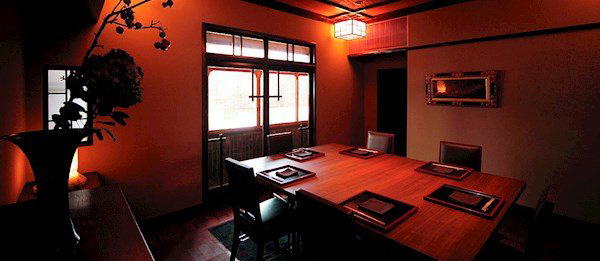
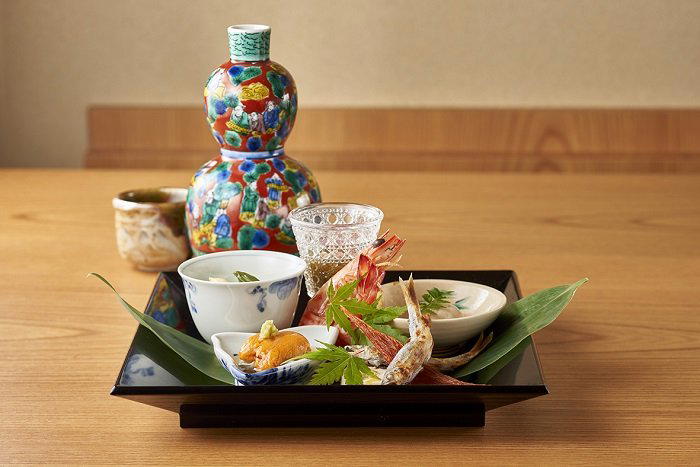
Calm, refined counter seating with carefully selected tableware creating a relaxing yet sophisticated atmosphere.