Seryna occupies a particular address in Roppongi's dining geography, 3 Chome-12-2, Minato City, where the neighbourhood's long-standing reputation for premium Japanese dining continues to anchor serious operators. The restaurant sits within a district that has historically drawn both international visitors and Tokyo's corporate expense-account crowd, placing it inside a competitive tier where sourcing standards and kitchen discipline are baseline expectations rather than differentiators.
Pearl is the En Primeur Club membership app — saves, bookings, and concierge access live there. Same editors, same standards.
- Address
- 3 Chome-12-2 Roppongi, Minato City, Tokyo 106-0032, Japan
- Phone
- +81334021051
- Website
- seryna.co.jp
- Directions
- Get directions
 Saves & bookings on Pearl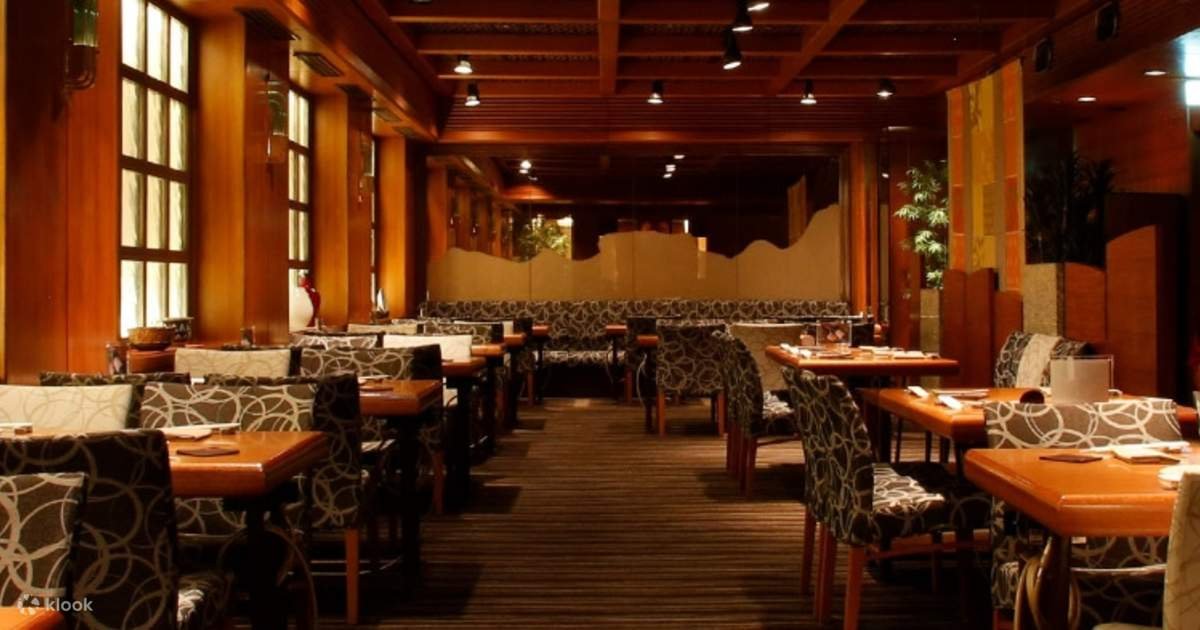
Roppongi's Premium Dining Tier and Where Seryna Sits Within It
Roppongi has never been a single-note neighbourhood. The district carries a dual identity, international nightlife district on one register, serious fine-dining address on another, and it is in the latter tier where Seryna operates. The area around 3 Chome draws operators that serve embassies, luxury hotels, and corporate headquarters in Minato City. Restaurants in this bracket compete less on discovery and more on execution: the clientele already knows what premium Japanese dining should feel like, and they notice when it falls short.
That competitive pressure has, historically, pushed Roppongi's leading tables toward a particular kind of discipline. Seasonal sourcing, careful provenance, and minimal waste in the kitchen are not marketing positions here, they are structural responses to a guest base that eats at this level regularly and across multiple cities. Seryna sits within that expectation set, in a neighbourhood where the bar is set by proximity to venues like RyuGin, one of Tokyo's most recognised kaiseki counters, and the broader ecosystem of precision-led Japanese restaurants that have made Tokyo the Michelin-dense city on the planet.
The Ethics of the Plate: Sourcing and Sustainability in Tokyo's Top Tier
Tokyo's premium restaurant scene has undergone a quiet but measurable shift over the past decade. Where sourcing transparency was once the concern of a narrow cohort of French-influenced kitchens, venues like L'Effervescence, which has built an international reputation around ethical sourcing and waste reduction, it has now become a baseline expectation across Japanese dining categories. Kaiseki, in particular, has always structured itself around seasonal availability: not as an aesthetic choice but as a practical constraint that reduces overproduction and forces kitchens to work with what the season offers rather than what the menu demands.
Yakiniku and premium meat-focused formats occupy a different position in this sustainability conversation. The carbon footprint of high-grade beef is a known variable, and serious operators in this space have responded with two broad strategies: sourcing from specific, verifiable producers whose practices are documented, and reducing waste at the table through format discipline, smaller portions, more courses, complete utilisation of the animal. The shift toward nose-to-tail approaches within Tokyo's premium yakiniku tier mirrors similar moves at the summit end of Western beef-focused restaurants. Le Bernardin in New York, though a seafood house, offers a useful parallel: a restaurant at the summit of its category that has made sourcing accountability a structural part of its identity rather than a seasonal talking point.
Roppongi as a Dining District: Context and Competitors
Understanding Seryna requires understanding Roppongi's layered dining geography. The district is home to a disproportionate number of high-end operators relative to its size, partly because the international resident population sustains demand for restaurants that translate Japanese culinary precision into formats accessible to non-Japanese diners. This has historically produced a concentration of venues that bridge kaiseki formality with more navigable tasting-menu structures.
RyuGin anchors the kaiseki end of that spectrum, with three Michelin stars and a format that has remained consistent enough to establish genuine reference-point status. At the French-Japanese intersection, Sézanne and Crony represent a newer generation of operators whose sourcing narratives are central to their menu logic. Across the sushi category, Harutaka sets a competitive reference for omakase pricing and counter discipline in the city's top tier.
Seryna occupies its own position within this landscape, an established Roppongi address with the locational gravity that comes from operating in one of Tokyo's most internationally visible dining districts. For diners building a Tokyo itinerary around serious Japanese dining, the neighbourhood itself is worth understanding before narrowing to individual venues.
Japan's Broader Dining Circuit: What Seryna's Address Signals
Tokyo operates as the gravitational centre of Japanese fine dining, but the country's regional circuit has developed considerable depth. Venues like HAJIME in Osaka and Gion Sasaki in Kyoto have established Michelin-level reference points in their respective cities, while more specialist destinations, akordu in Nara, Goh in Fukuoka, and a range of regional operators from Nanao to Sapporo to Takashima, have built reputations that draw diners specifically rather than incidentally. In this context, a Tokyo address like Seryna's positions it within the country's most internationally legible dining tier, where guest expectations are shaped by exposure to multiple high-performing cities.
Regional venues with strong sourcing identities, from Nishikawa Machi to Birdland in Sakai and Bistro Ange in Toyohashi, demonstrate that ethical sourcing in Japanese dining is not a Tokyo-specific trend but a national shift in how serious operators think about ingredient accountability. Tokyo venues benefit from this ecosystem: the producer relationships that regional restaurants cultivate often supply the capital's leading tables as well.
Seryna is located at 3 Chome-12-2 Roppongi, Minato City, Tokyo 106-0032, in a district well-served by the Roppongi subway station on both the Hibiya and Toei Oedo lines. Reservations are recommended. Budget: expect about $110 per person. Dress: Smart-casual is the operative standard across Roppongi's formal dining tier.
Where the Accolades Land
Comparable venues nearby, for context on price, style, and recognition.
| Venue | Cuisine | Price | Notes |
|---|---|---|---|
| SerynaThis venue — the venue you are viewing | Premium Kobe Beef Shabu-Shabu | $$$$ | Not listed |
| おにく 花柳 | Michelin-starred Wagyu kaiseki / meat kappo | $$$$ | Ginza |
| Yakitori Hirako | Modern farm-to-table yakitori omakase | $$$$ | Minato |
| Taku | Michelin-Starred Edomae Sushi Omakase | $$$$ | Minato |
| CHIKAMINE | Seasonal Tempura Omakase | $$$$ | Shibuya |
| Gomei Akita Beef Teppanyaki | Akita Beef Teppanyaki | $$$$ | Chūō |

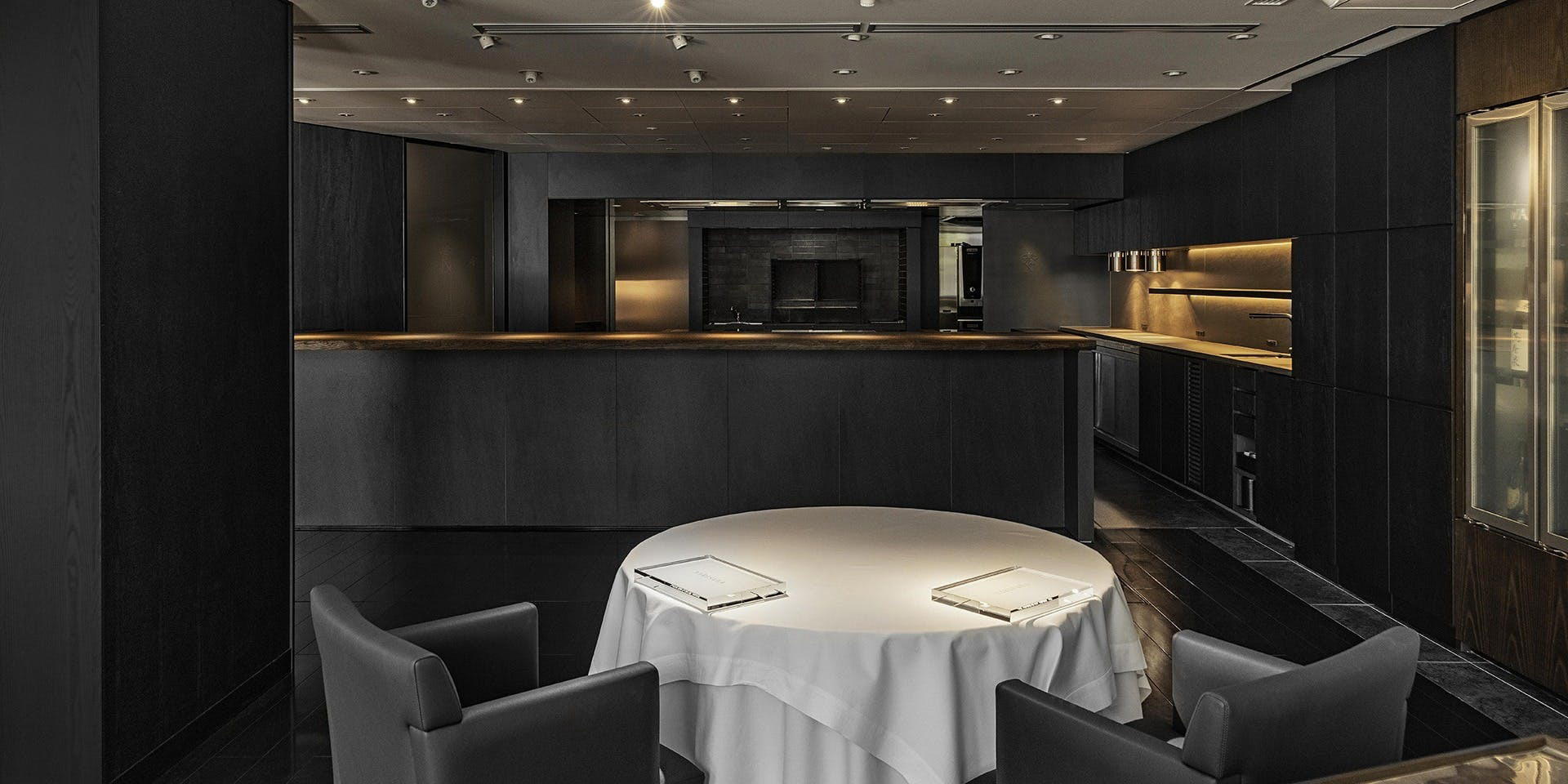


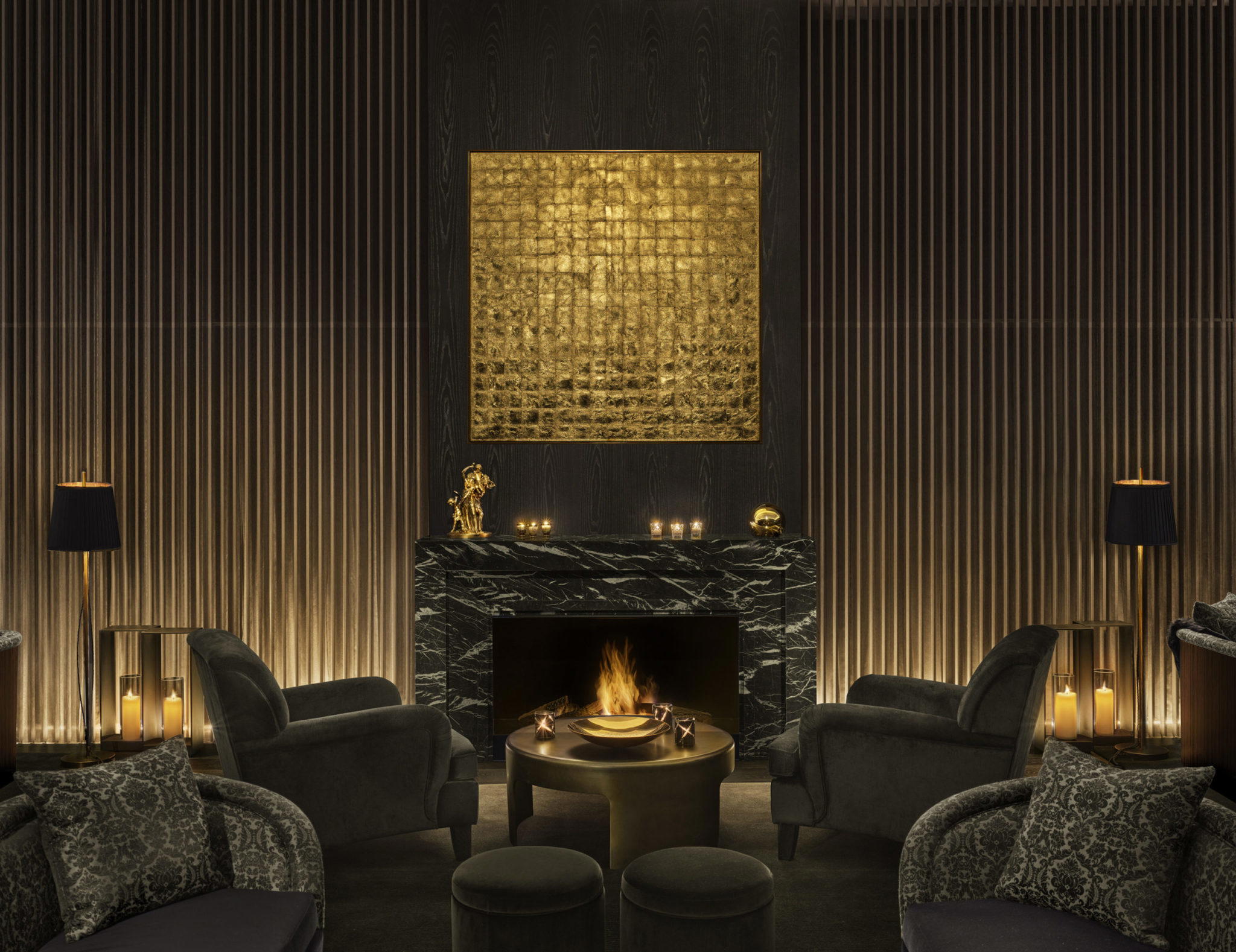
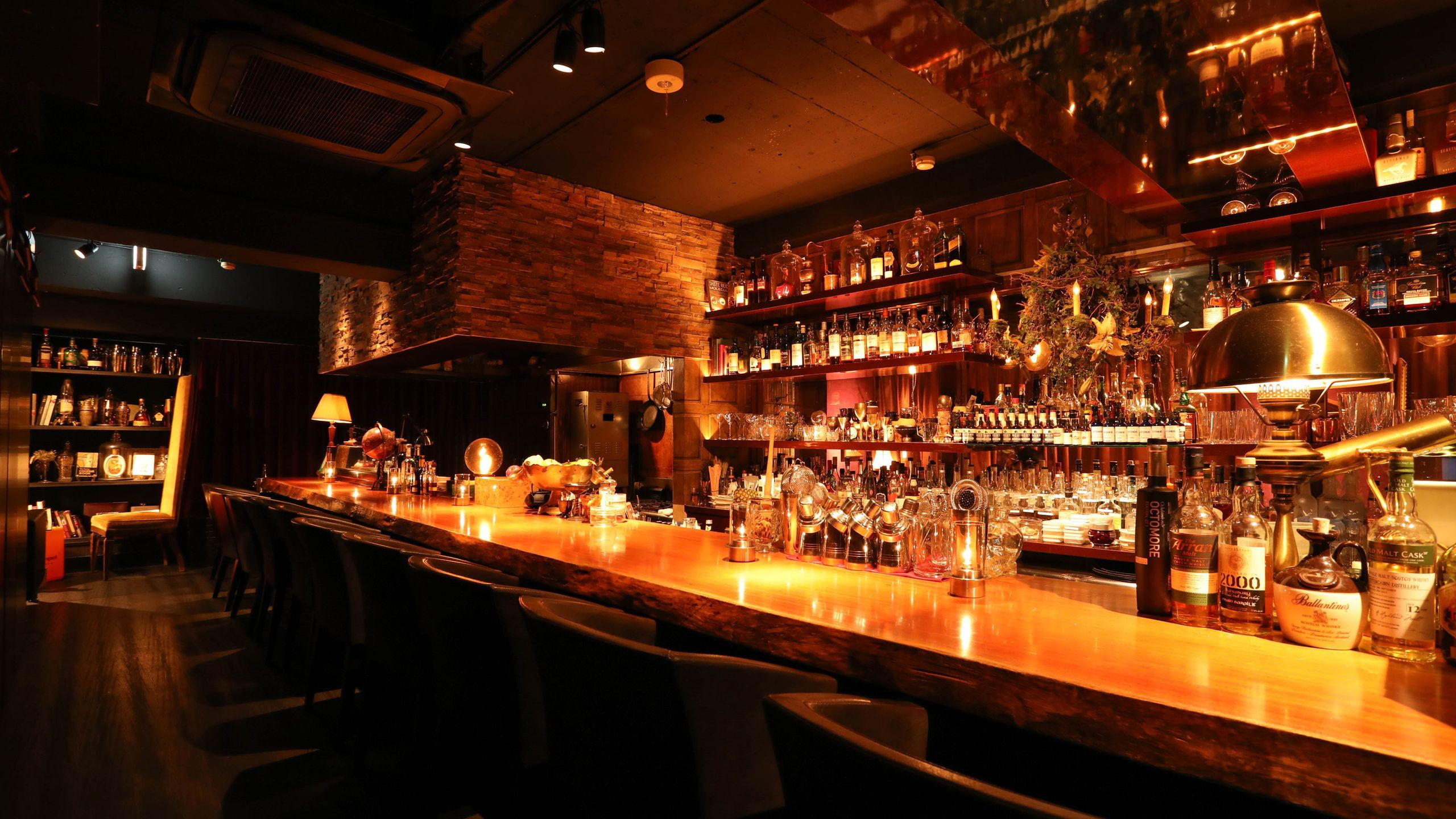
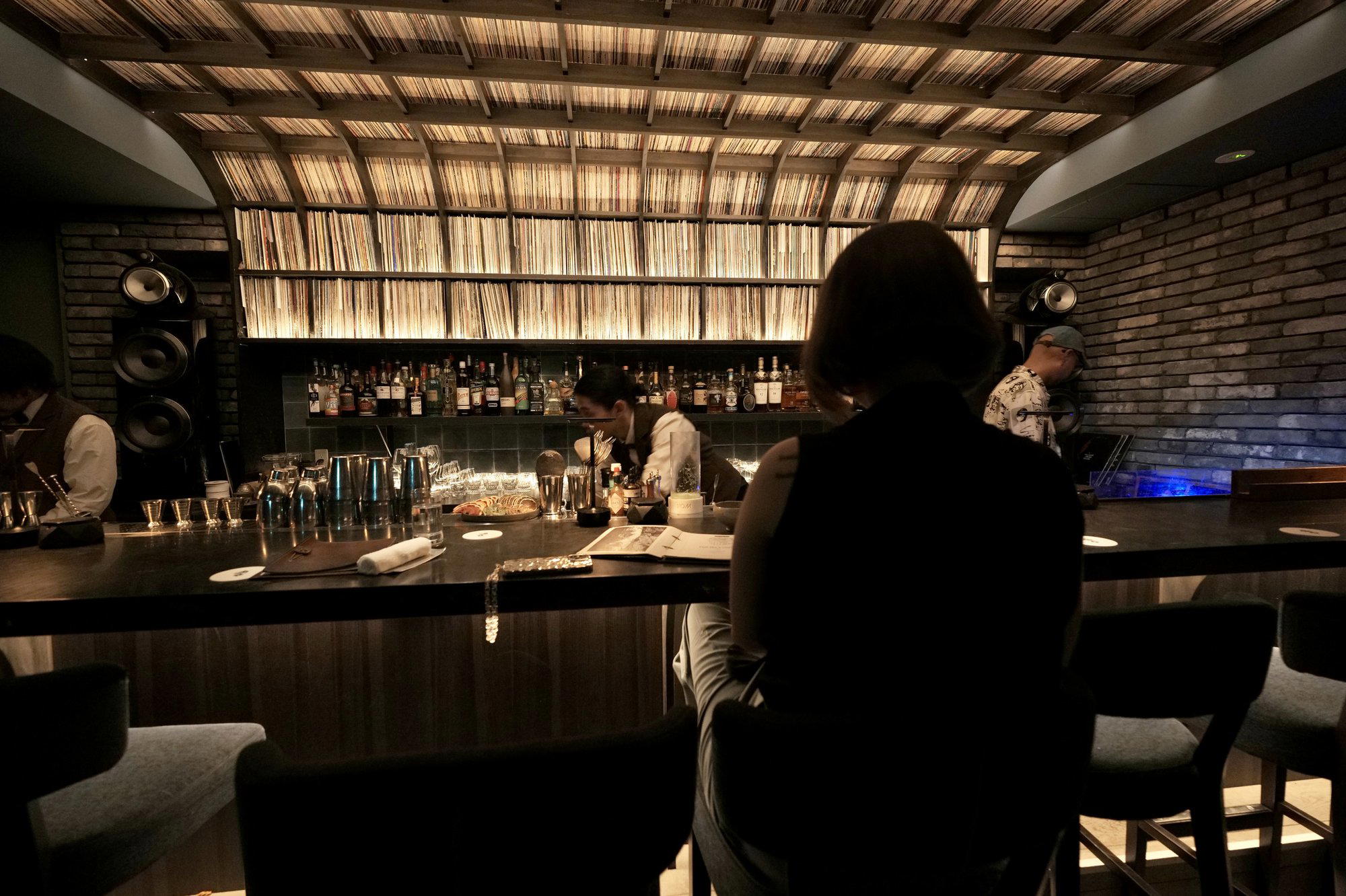



At a Glance
- Elegant
- Sophisticated
- Classic
- Special Occasion
- Business Dinner
- Private Dining
- Sake Program
Current opening hours
- Monday
- 12–3 PM, 5–10:30 PM
- Tuesday
- 12–3 PM, 5–10:30 PM
- Wednesday
- 12–3 PM, 5–10:30 PM
- Thursday
- 12–3 PM, 5–10:30 PM
- Friday
- 12–3 PM, 5–10:30 PM
- Saturday
- 12–10:30 PM
- Sunday
- 12–10:30 PM
Hours can change for holidays and private events. Last verified .
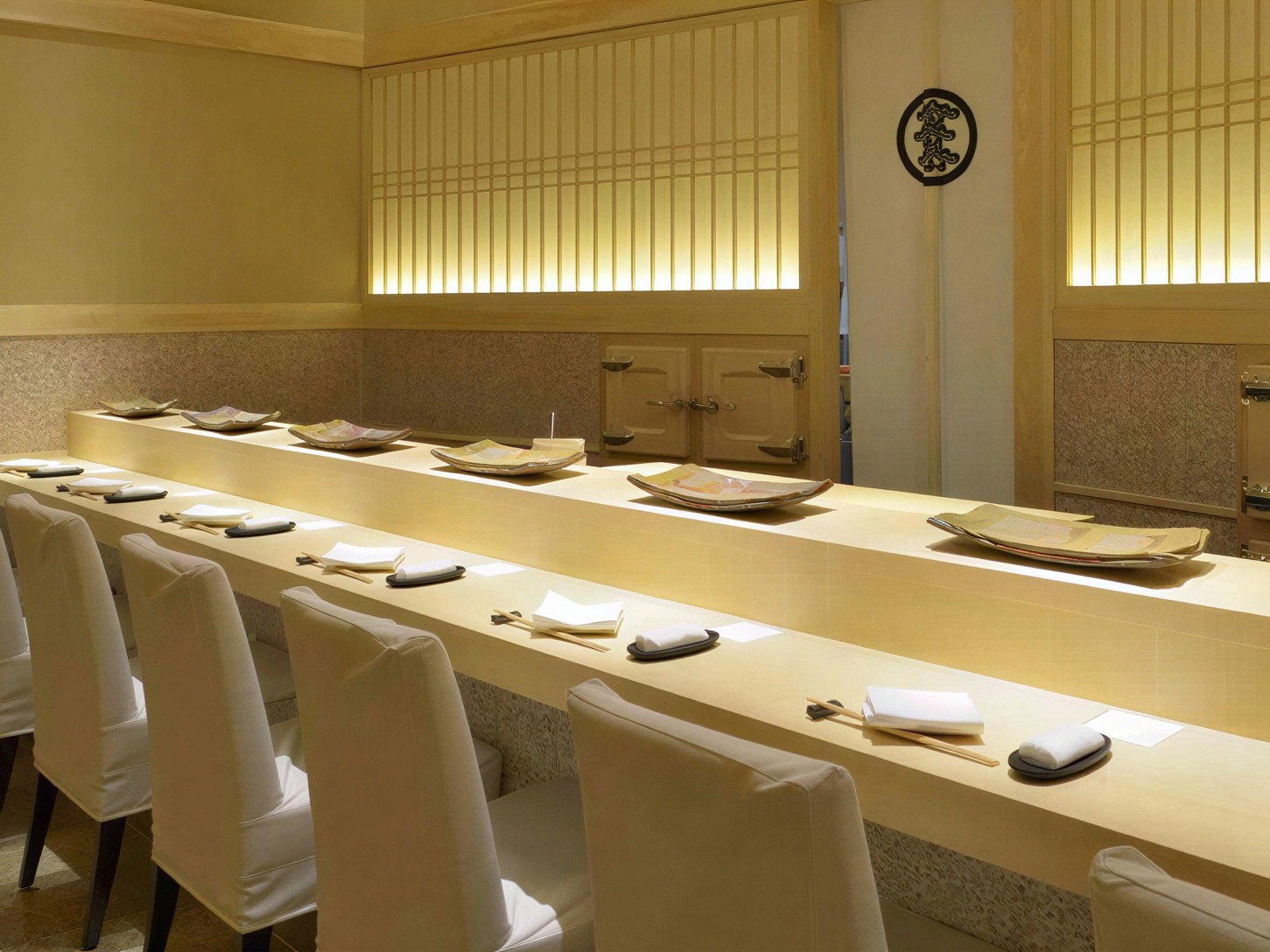
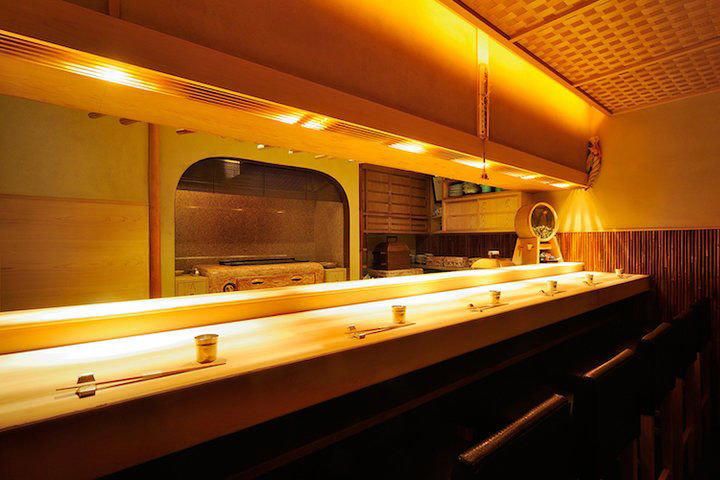
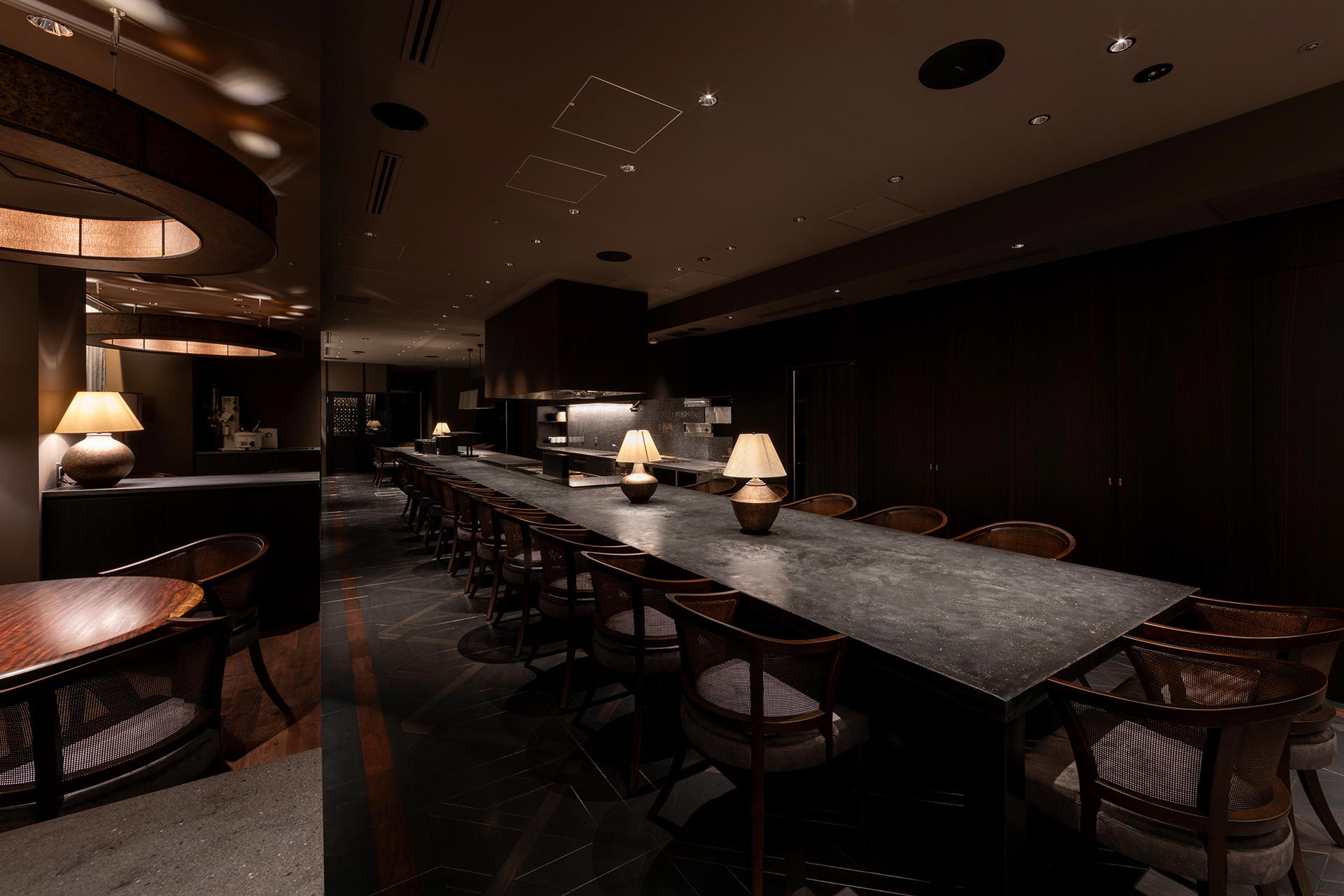
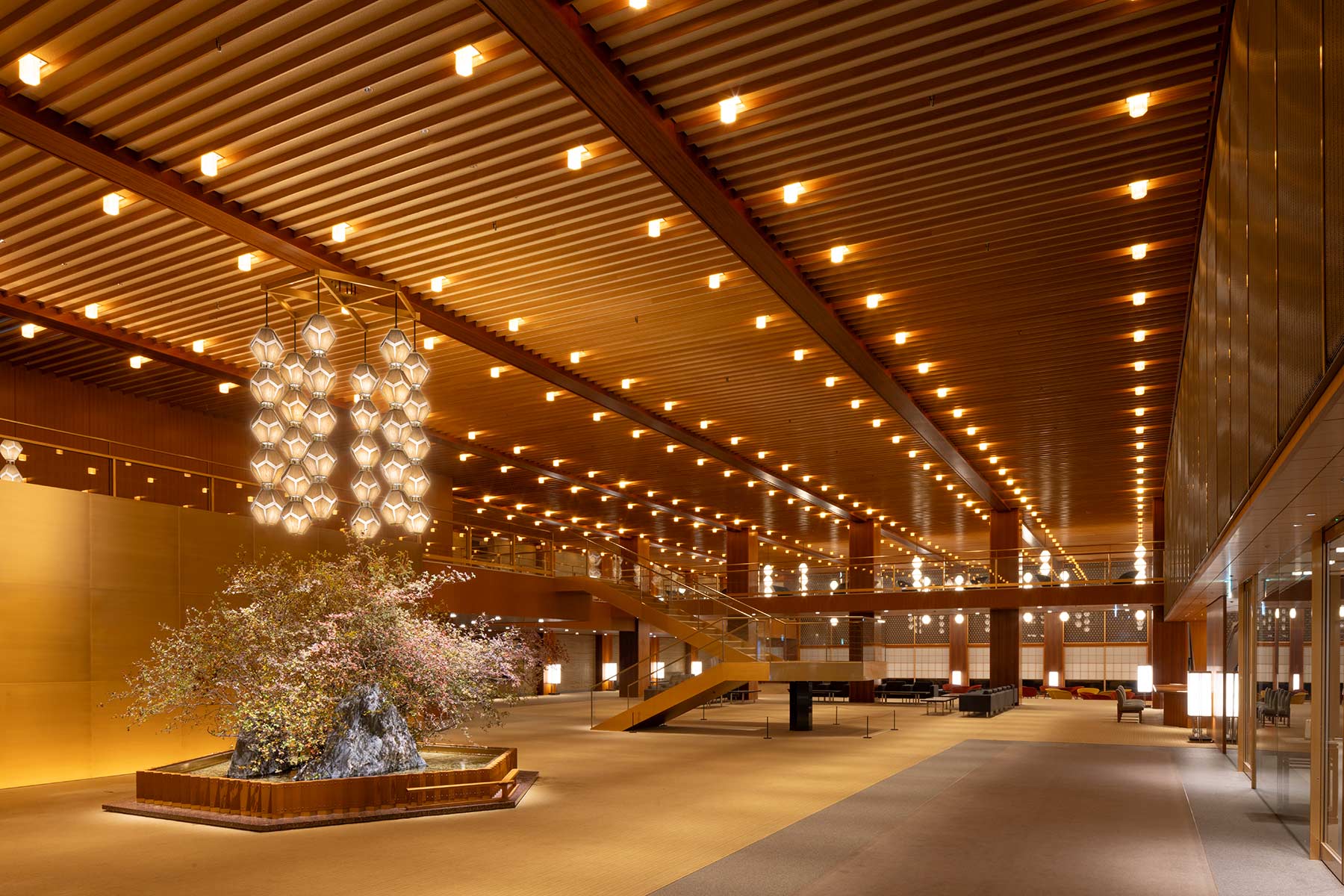
Traditional Japanese surroundings with warm hospitality and refined atmosphere.