
Tabelog 100 #84
Our verdict
Gomei Akita Beef Teppanyaki brings one of Japan's most prized regional cattle breeds to a basement counter in Ginza 6-chome, where the teppan format transforms premium Akita beef into a focused, unhurried performance. The address places it inside Tokyo's most concentrated block of high-end dining, giving the experience a neighbourhood pedigree that few beef specialists elsewhere in the city can match.

Pearl is the En Primeur Club membership app, where members save venues, book tables and use the concierge.
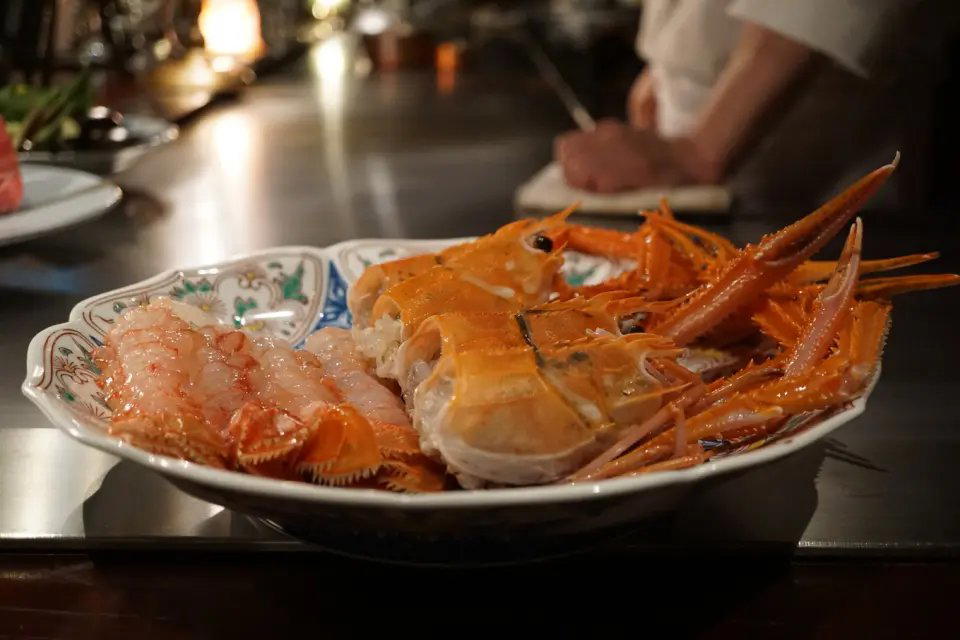
The menu
What to order
- Gomei Yaki Akita Beef Steak
- Akita Beef Sukiyaki Rice
- Dorayaki
A Basement Counter in the Middle of Ginza's Dining Density
Ginza's sixth block, particularly the stretch around the Maxi de Pia building on 6-chome, concentrates more serious dining per square metre than almost any comparable address in Tokyo. The neighbourhood has long operated as a proving ground for format and price tier: omakase sushi counters sit above ground-floor boutiques, kaiseki rooms occupy upper floors, and specialty beef houses have quietly taken basement positions where the lower rents allow kitchens to spend more on the product itself. Gomei Akita Beef Teppanyaki occupies one of those basement positions on B1, which in Ginza's particular grammar of dining signals a certain kind of seriousness rather than concealment. You are not arriving at a street-facing restaurant. You descend, and the performance begins.
The teppanyaki format, for those who encounter it mainly in its hotel-restaurant form, tends to carry associations with theatrical excess: the flaming onion tower, the spatula percussion, the chef who performs for a room of twelve simultaneously. At its higher end in Tokyo, the format has moved toward something considerably quieter. The iron plate remains the cooking surface, but the emphasis shifts to temperature management, precise resting, and the characteristics of a specific breed rather than showmanship. Ginza's beef-specialist counters operate in that register, and Gomei's positioning around Akita beef places it in a niche that runs parallel to the Wagyu mainstream.
Akita Beef in the Context of Japan's Regional Cattle Hierarchy
Japan's beef culture is dominated in the premium segment by Kobe, Matsusaka, and Omi designations, each with strict certification requirements tied to bloodline, feed, and region of finishing. Akita beef occupies a different position: less export-marketed, less internationally known, but with a regional pedigree that has been developed steadily as Akita Prefecture has invested in its agricultural identity. The breed tends toward a fat distribution that differs subtly from the heavily marbled Tajima bloodlines underlying Kobe certification, which makes it an interesting choice for a teppanyaki context where the iron plate's high surface temperature can overwhelm the fine intramuscular fat of extreme marbling.
Bringing Akita beef to Ginza is itself an editorial statement. The address commands attention from diners who would otherwise default to more recognizable designations, and a restaurant that builds its identity around a single regional breed is making an argument about provenance specificity over brand recognition. For the diner, this means the experience is structured around understanding one product rather than comparing across a rotating selection. That is either a constraint or a clarity, depending on what you are looking for. Compared with broader Wagyu specialists in the same neighbourhood, the format is narrower but arguably more coherent. For comparable premium Japanese dining experiences in Tokyo, RyuGin and Harutaka each build their identity around a similarly focused commitment to craft within a defined format.
The Teppan as a Stage for Provenance
The teppanyaki counter functions as a form of transparency that other cooking formats cannot replicate. The diner watches every cut rest and sear, which means the quality of the raw product is fully visible rather than obscured by sauce work or plating distance. This makes the format particularly suited to provenance-led beef concepts, where the argument is that the ingredient itself, treated with restraint, is sufficient. It is worth noting how this contrasts with Western steakhouse conventions, where dry-aging, char, and sauce are each used as layers of transformation. At a teppan counter focused on a specific Japanese breed, the cooking approach is closer to reduction than addition: achieve the right internal temperature, develop the surface, rest correctly, serve.
The Ginza basement setting reinforces this. Without natural light and without the visual distractions of a street-level room, attention defaults to the counter and the plate. This is a structural feature of basement dining in Tokyo's high-density restaurant blocks that operators understand and often design toward deliberately. Proximity to the heat source, the smell of the iron plate, and the close seating typical of counter formats all compress the experience in ways that larger, room-style teppanyaki restaurants cannot replicate.
Placing Gomei in Tokyo's Wider Dining Circuit
Tokyo's restaurant circuit at the premium end is not a single tier but a series of overlapping peer sets defined by format, price, and cuisine tradition. The French-influenced rooms, represented here by L'Effervescence, Sézanne, and Crony, operate in a different register entirely. The kaiseki tradition, with its seasonal course structure and vegetable and seafood emphasis, sits in another. Beef specialists, whether teppanyaki or yakiniku, form their own cluster, and within that cluster the differentiation comes from breed sourcing, cut selection, and whether the format leans toward counter intimacy or table service at scale.
Gomei sits in the counter-intimate, single-breed segment of that cluster. For diners planning a broader Japan itinerary, it is useful context that regional beef culture appears strongly in destinations outside Tokyo as well: Goh in Fukuoka and HAJIME in Osaka each represent the regional-ingredient-led approach from different culinary traditions. For those specifically interested in tracing Akita Prefecture's food culture, affetto akita in Akita city offers a comparison point in the breed's home prefecture. The experience of eating Akita beef in Ginza and then in Akita itself is genuinely instructive about how the same product reads differently in different contexts. Beyond beef, Japan's regional ingredient culture surfaces across the country at places like Gion Sasaki in Kyoto, akordu in Nara, aki nagao in Sapporo, Aji Arai in Oita, Ajidocoro in Yubari District, Akakichi in Imabari, and Abon in Ashiya. For the full Tokyo restaurant context, our Tokyo restaurant guide maps the city's premium dining in detail. Internationally, the focused-product counter format has parallels at places like Le Bernardin in New York City and the producer-driven format at Lazy Bear in San Francisco, where the sourcing argument is central to the menu's logic.
Planning Your Visit
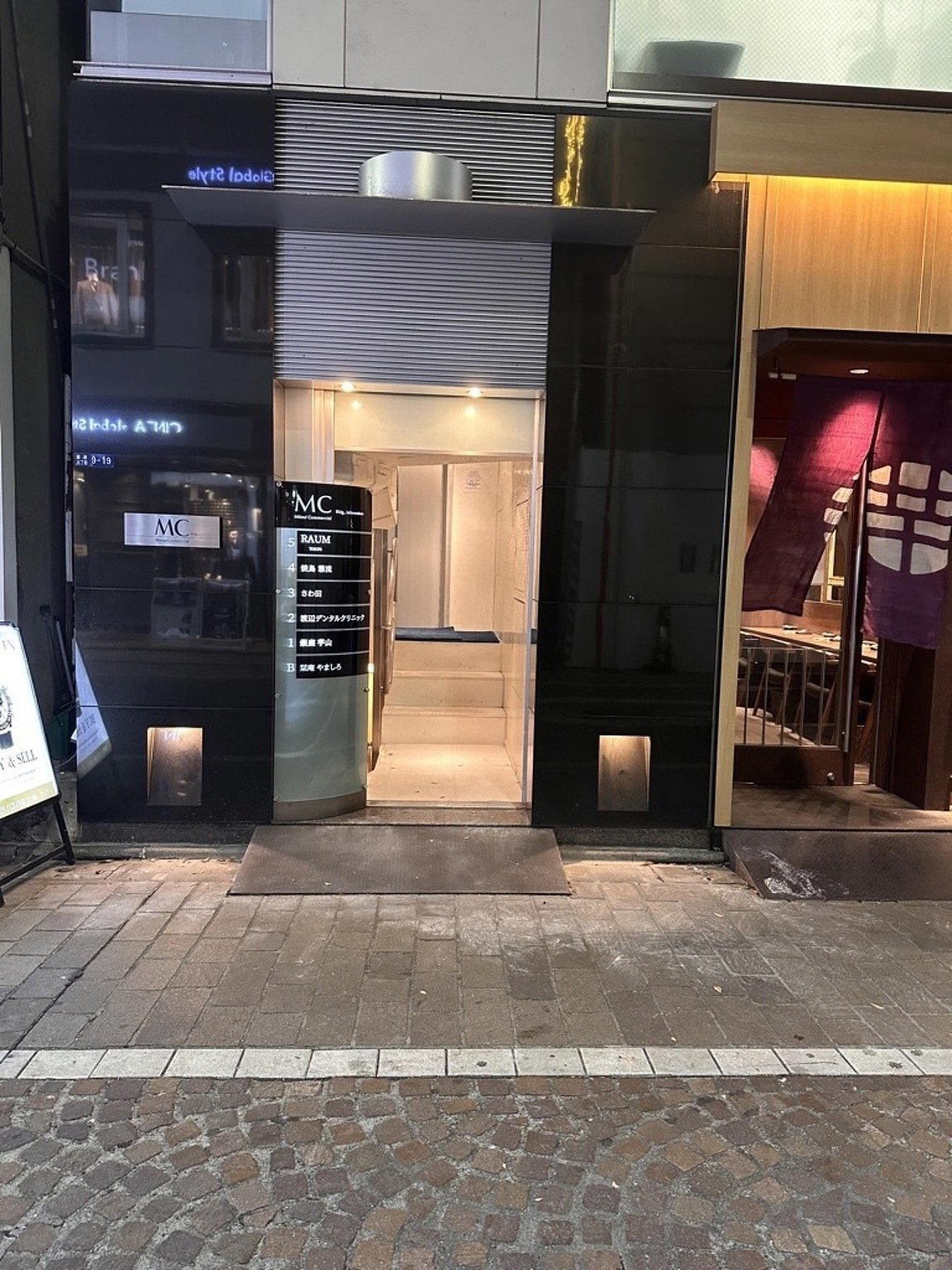
The address is B1, Maxi de Pia, 6-4-18 Ginza, Chuo City, Tokyo 104-0061. The location places Gomei within walking distance of Ginza Station on multiple lines. Given the likely counter format, advance booking is advisable, particularly for weekend evenings. Dress: Ginza counter dining at the premium end defaults to smart casual at minimum; business attire is comfortable and appropriate. Budget: Specific pricing is not published, but Ginza basement beef counters in this format typically operate at the higher end of the city's specialty restaurant range. Diners should expect pricing comparable to other single-breed beef specialists in the neighbourhood and plan accordingly.
Frequently asked questions
How do I find Gomei Akita Beef Teppanyaki?
Gomei Akita Beef Teppanyaki is located at Japan, 〒104-0061 Tokyo, Chuo City, Ginza, 6 Chome−4−18 Maxi de Pia, 一 B1, Tokyo.
How does Akita beef compare to better-known Japanese wagyu designations?
Akita beef comes from Akita Prefecture in northern Honshu and holds its own regional certification, separate from the Kobe, Matsusaka, and Omi designations that carry broader international name recognition. The breed's characteristics reflect Akita's colder climate and distinct raising conditions, producing marbling profiles that differ from Hyogo-raised Kobe cattle. Gomei's teppanyaki counter in Ginza, Tokyo, positions Akita beef as a serious regional alternative within one of Japan's most competitive dining addresses.
What's the signature dish at Gomei Akita Beef Teppanyaki?
The menu is built around Akita beef, a regionally certified cattle breed from Akita Prefecture, cooked on a teppan counter. The teppanyaki format puts every sear and rest in direct view of the diner, making provenance the central argument of the meal. Akita beef sits outside the Kobe, Matsusaka, and Omi designations that dominate Tokyo's premium beef conversation, which is precisely the point of visiting.
What's the best way to book Gomei Akita Beef Teppanyaki?
No phone number or online booking platform is currently listed for the venue. Given the Ginza address at B1, Maxi de Pia, 6-4-18 Ginza, the most reliable approach is to visit in person to enquire about reservations or to ask your hotel concierge to make direct contact on your behalf. Counter-format teppanyaki rooms in this part of Ginza typically run limited seatings, so advance planning is worth the effort.
What's Gomei Akita Beef Teppanyaki best at?
Gomei's clearest strength is focus: a single regional breed presented through a format, teppanyaki, that leaves no room to obscure the quality of the raw material. In a Ginza dining circuit where multi-course kaiseki and omakase counters dominate the premium tier, a venue built around one cattle designation from Akita Prefecture occupies a specific and deliberate position. That singularity is the case for choosing it over broader menus nearby.
At-a-Glance Comparison
Comparable venues nearby, for context on price, style, and recognition.
| Venue | Cuisine | Price | Awards | Notes |
|---|---|---|---|---|
| Gomei Akita Beef TeppanyakiThis venue (the venue you are viewing) | Akita Beef Teppanyaki | $200–300 | Tabelog 100 #84 | Not listed |
| 3110NZ By LDH Kitchen | Modern Omakase Sushi with Art Gallery | $300–500 | Not listed | Naka-Meguro |
| subin | Modern Japanese Nikushabu & Yakiniku | Not listed | Tabelog Bronze #463 | Chūō |
| 銀座 よし澤 | Traditional Japanese Kaiseki | $200–300 | Tabelog 100 #43 | Chūō |
| Karyu | Wagyu Kaiseki Omakase | $300–500 | 1 Michelin Star · Tabelog Bronze #167 | Chūō |
| Sumiyaki TORI8 | High-end Yakitori Omakase | $100–150 | Tabelog 100 #95 | Chūō |
Recognition history
Dated appearances from independent guides and award organizations, with the underlying list record or original source where available.
Tabelog 100 #84 · No. 84
Tabelog · Tabelog 100 - Steak / Teppanyaki - EAST - 2025
Continue exploring
More in Tokyo
Restaurants in Tokyo
All restaurants in Tokyo →

Bars in Tokyo
All bars in Tokyo →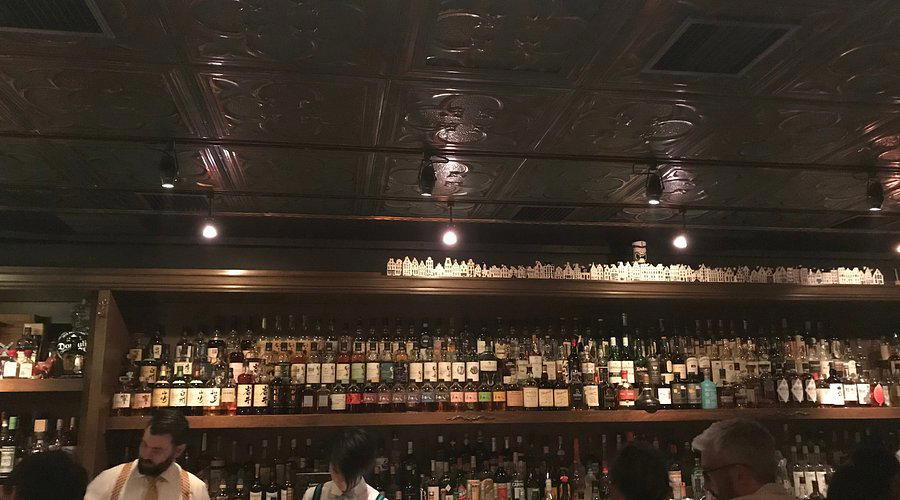


Details
- Elegant
- Cozy
- Classic
- Intimate
- Sophisticated
- Date Night
- Business Dinner
- Special Occasion
- Chefs Counter
- Private Dining
- Open Kitchen
- Sake Program
- Extensive Wine List
- Local Sourcing
- Counter Dining
Current opening hours
- Monday
- 12–2 PM, 5–9:30 PM
- Tuesday
- 12–2 PM, 5–9:30 PM
- Wednesday
- 12–2 PM, 5–9:30 PM
- Thursday
- 12–2 PM, 5–9:30 PM
- Friday
- 12–2 PM, 5–9:30 PM
- Saturday
- 12–2 PM, 5–9:30 PM
- Sunday
- Closed
Hours can change for holidays and private events. Hours as of .
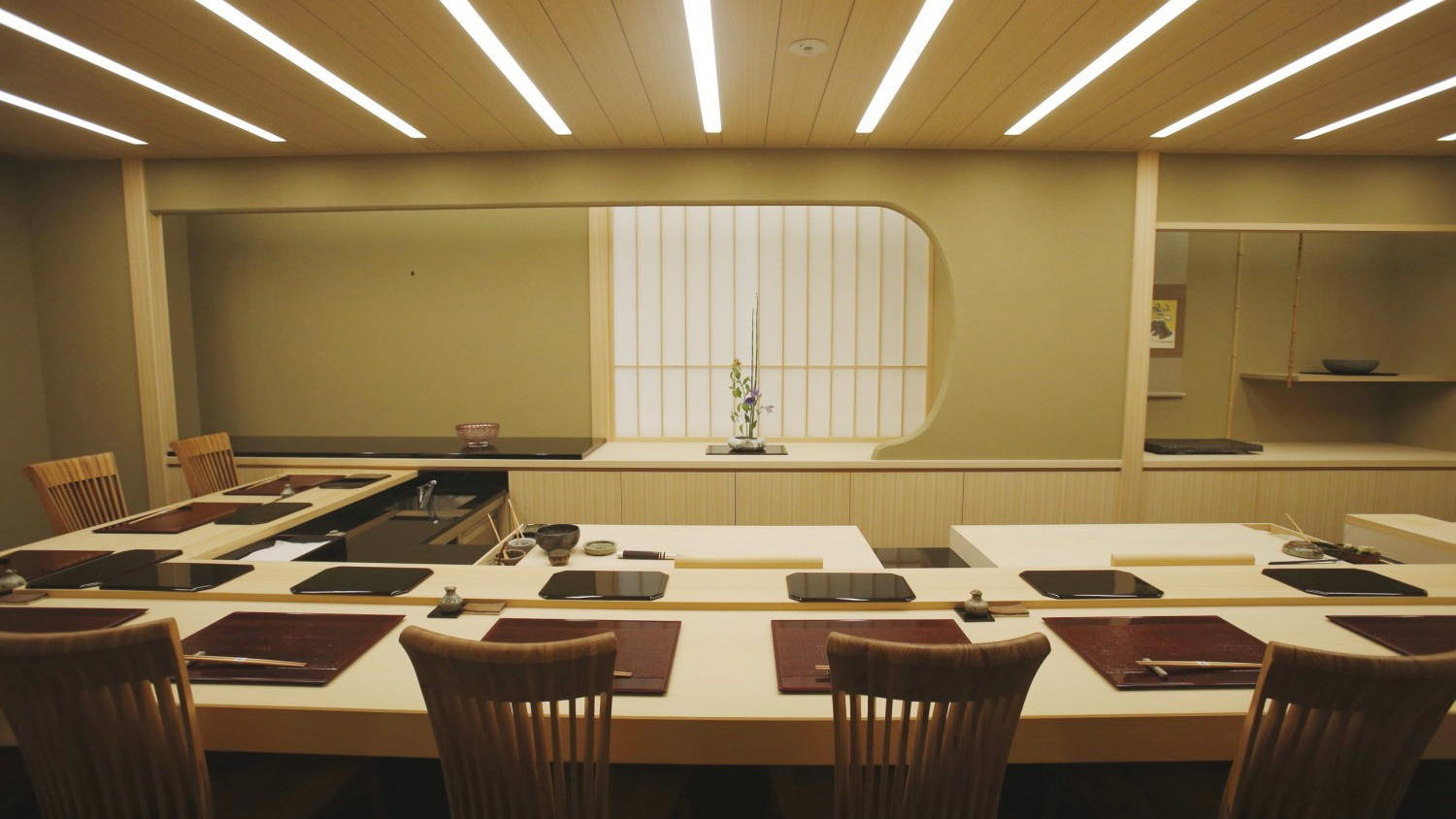
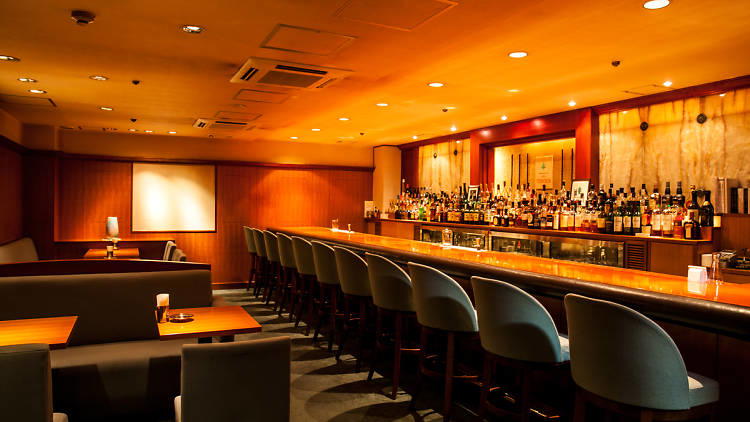
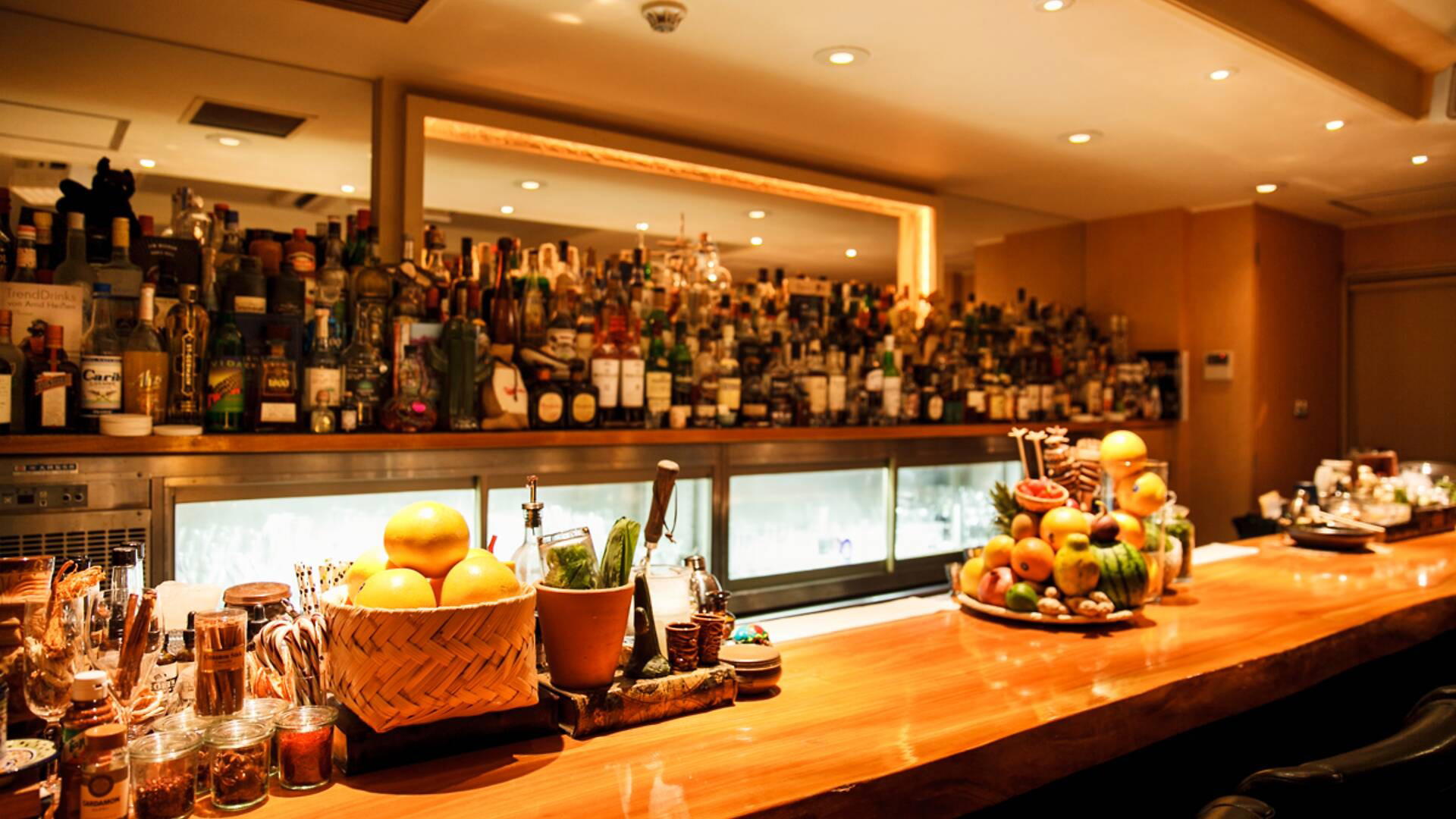
Warm, elegant interior evoking traditional Akita merchant houses with wooden elements, soft lighting, and cozy atmosphere well-suited for intimate dining.