
Yakitori Hirako belongs to Tokyo’s compact, counter-led yakitori tier, where reputation is built on grill discipline, seating scarcity, and repeat recognition rather than spectacle. Its selection for Tabelog 100 Yakitori EAST 2025 places it in a serious conversation around Nishiazabu dining, with a format suited to guests who value precision over ceremony.
Pearl is the En Primeur Club membership app — saves, bookings, and concierge access live there. Same editors, same standards.
- Address
- Japan, 〒106-0031 Tokyo, Minato City, Nishiazabu, 1 Chome−5−23 東ビル 1階
- Phone
- +81 90-5388-3337
- Website
- tabelog.com
 Saves & bookings on Pearl
Nishiazabu after dark has its own rhythm: low-lit doorways, private dining rooms upstairs, taxis idling between Roppongi and Nogizaka, and a dining culture that prefers discretion to display. Here, yakitori has moved far beyond after-work beer-hall imagery. Tokyo’s serious chicken counters now sit closer to sushi than casual grilling: fixed starts, counter focus, tightly managed pacing, and a reputation economy where Japanese dining-platform recognition carries weight.
Yakitori Hirako belongs to that higher-intent version of the genre. Its inclusion in Tabelog 100 Yakitori EAST 2025 is the relevant signal, not decoration but evidence of its place in Tokyo’s crowded grill hierarchy. Tabelog’s yakitori category is especially competitive because it reflects deep local participation: office regulars, counter-seat collectors, and visitors who understand skewers can be as technical as nigiri when bird, cut, salt, tare, heat, and rest are managed in sequence.
Tokyo yakitori has become a counter culture, not a casual category
The premium end of Tokyo yakitori depends on compression. A small counter puts everything in view: grill, service pace, cut order, pairings, and the discipline not to overwork a form that looks simple only from afar. The category has developed its own reservation logic and critical vocabulary. Diners are paying not just for chicken skewers, but for control over timing and heat across a narrow runway.
This is where Nishiazabu matters. Less theatrical than Ginza and less youth-driven than parts of Shibuya, it has long supported restaurants built on privacy, repetition, and late-evening confidence. A yakitori counter here competes with sushi, kappo, yakiniku, and wine-led dining rooms for the same audience, producing a polished version of the form: less pub energy, more concentration.
Within Tokyo’s wider hierarchy, the useful comparison is not only other yakitori counters. Yakiniku Ten occupies the meat-grill conversation from another angle, while Sushi Kinoshita sits in a higher sushi price band where counter ritual and scarcity push the experience elsewhere. Yakitori Shinohara is the closer category reference, because the question is how a chicken counter earns attention in a city where the format is both everyday and deeply specialized. Hirako’s Tabelog 100 selection says it has crossed that threshold of serious local recognition.
Recognition matters because the format leaves little room to hide
In some restaurant categories, reputation can lean on architecture, wine depth, or a famous chef biography. Yakitori is less forgiving. The meal is sequential and exposed, each serving judged in the gap between fire and plate. Selection for Tabelog 100 Yakitori EAST points to consistency in a format where small errors are obvious: overcooked breast, under-rendered skin, mistimed liver, or sauce that covers rather than supports the bird.
Stronger Tokyo yakitori rooms also show how drinks now shape the category. Sake, shochu, and wine are no longer afterthoughts at ambitious counters; they separate modern yakitori from its older izakaya frame. That shift has changed the audience, attracting diners who might otherwise choose sushi or kappo but want charcoal’s immediacy and a narrower grill-led progression.
The critical point is restraint. Premium yakitori does not need luxury language. It needs clean sourcing, skilled butchery, controlled seasoning, and the confidence to let repetition become nuance. In Tokyo, that is a persuasive argument for counter dining: intimate without performance, technical without requiring advance study.
For readers mapping the city, treat this as part of Tokyo’s specialist dining network rather than an isolated address. The broader field can be scanned through Our full Tokyo restaurants guide, while category-adjacent or mood-specific alternatives include 124. KAGURAZAKA (Yakitori), 12/10 Shinjuku ten, . 鮪と炭火焼き うお炭 秋葉原店, 2D Cafe, and 3 Chome no Curry Ya San. Tokyo planning works better when food is considered alongside sleep, drinks, and cultural time, so the parallel rails are Our full Tokyo hotels guide, Our full Tokyo bars guide, Our full Tokyo wineries guide, and Our full Tokyo experiences guide.
Who should put it on a Tokyo dining itinerary
This is a strong fit for diners who know yakitori is a craft category, not a fallback dinner. The appeal lies in the counter’s concentration: a narrow room, limited seats, and a meal shaped by progression rather than à la carte wandering. It is less suited to loose group nights, children at the table, or a broad menu where everyone moves separately.
The reputation case is clear. A Tabelog score of 3.72 and selection for Tabelog 100 Yakitori EAST 2025 place Yakitori Hirako in a credible bracket among Tokyo yakitori rooms, especially given the city’s category density. It is not priced or framed like a casual skewer shop; it belongs to the increasingly formalized counter tier where chicken is treated as a full-evening subject.
For a longer Japan itinerary, pair it conceptually with other focused restaurants rather than by cuisine. Outside Tokyo, that might mean the beef-sukiyaki frame of -Grilled beef Sukiyaki- KAMAKURA TANUKIAN 鎌倉 たぬき庵 in Kamakura, the café register of.cafe in Osaka, the regional dining lens of.know in Kumamoto, or the sharper single-subject appeal of [Curry Senmon Ten] Maruyama Kyoju. in Sapporo and [ki:] in Kyoto. The logic extends abroad when Japanese drinking and casual formats travel well, as at Jōdo Saké Bar in Los Angeles, Onigiri Time in Pasadena, and (Shoku) Vietnam in Kawasaki.
The verdict is direct: a Tokyo counter for diners who care about recognition, format, and the quiet seriousness of charcoal cooking. Nishiazabu supplies the backdrop, Tabelog the trust signal, and yakitori tradition the real test.
What It’s Closest To
Comparable venues by cuisine and price in the same metro.
| Venue | Cuisine | Price | Notes |
|---|---|---|---|
| Yakitori HirakoThis venue — the venue you are viewing | Modern farm-to-table yakitori omakase | $$$$ | Not listed |
| Kyoaji (京味) | Traditional Kyoto-Style Kaiseki Omakase | $$$$ | Shinbashi |
| es | Modern Japanese Fine Dining | $$$$ | Minato |
| ura matsu | Counter-style Wagyu Yakiniku Omakase | $$$$ | Minato |
| TOKYO Whisky Library – Premium Whisky Bar & Restaurant | Modern Japanese Grill & Whisky Bar | $$$$ | Minato |
| Terakoya Sushi Sho | High-end Edomae Omakase Sushi | $$$$ | Minato |
Recognition history
Dated appearances from independent guides and award organizations, with the underlying list record or original source where available.
Tabelog 100 #32 · No. 32
Tabelog · Tabelog 100 - Yakitori - EAST - 2025












At a Glance
- Elegant
- Sophisticated
- Modern
- Intimate
- Date Night
- Business Dinner
- Special Occasion
- Celebration
- Solo
- Chefs Counter
- Open Kitchen
- Design Destination
- Standalone
- Sake Program
- Extensive Wine List
- Corkage Allowed
- Farm To Table
- Local Sourcing
Current opening hours
- Monday
- 6–8 PM, 8:30–10:30 PM
- Tuesday
- 6–8 PM, 8:30–10:30 PM
- Wednesday
- 6–8 PM, 8:30–10:30 PM
- Thursday
- 6–8 PM, 8:30–10:30 PM
- Friday
- 6–8 PM, 8:30–10:30 PM
- Saturday
- 6–8 PM, 8:30–10:30 PM
- Sunday
- Closed
Hours can change for holidays and private events. Last verified .
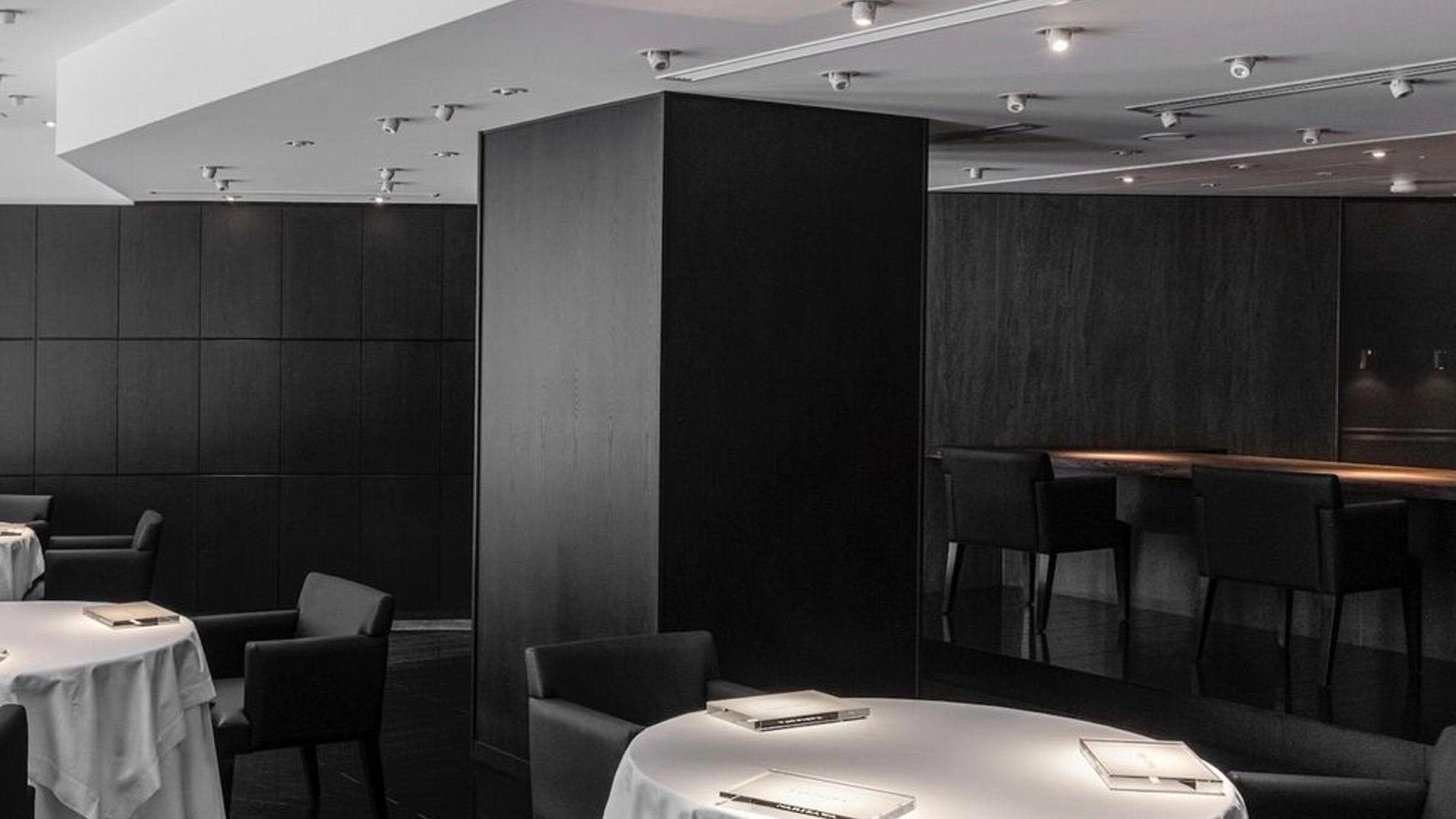
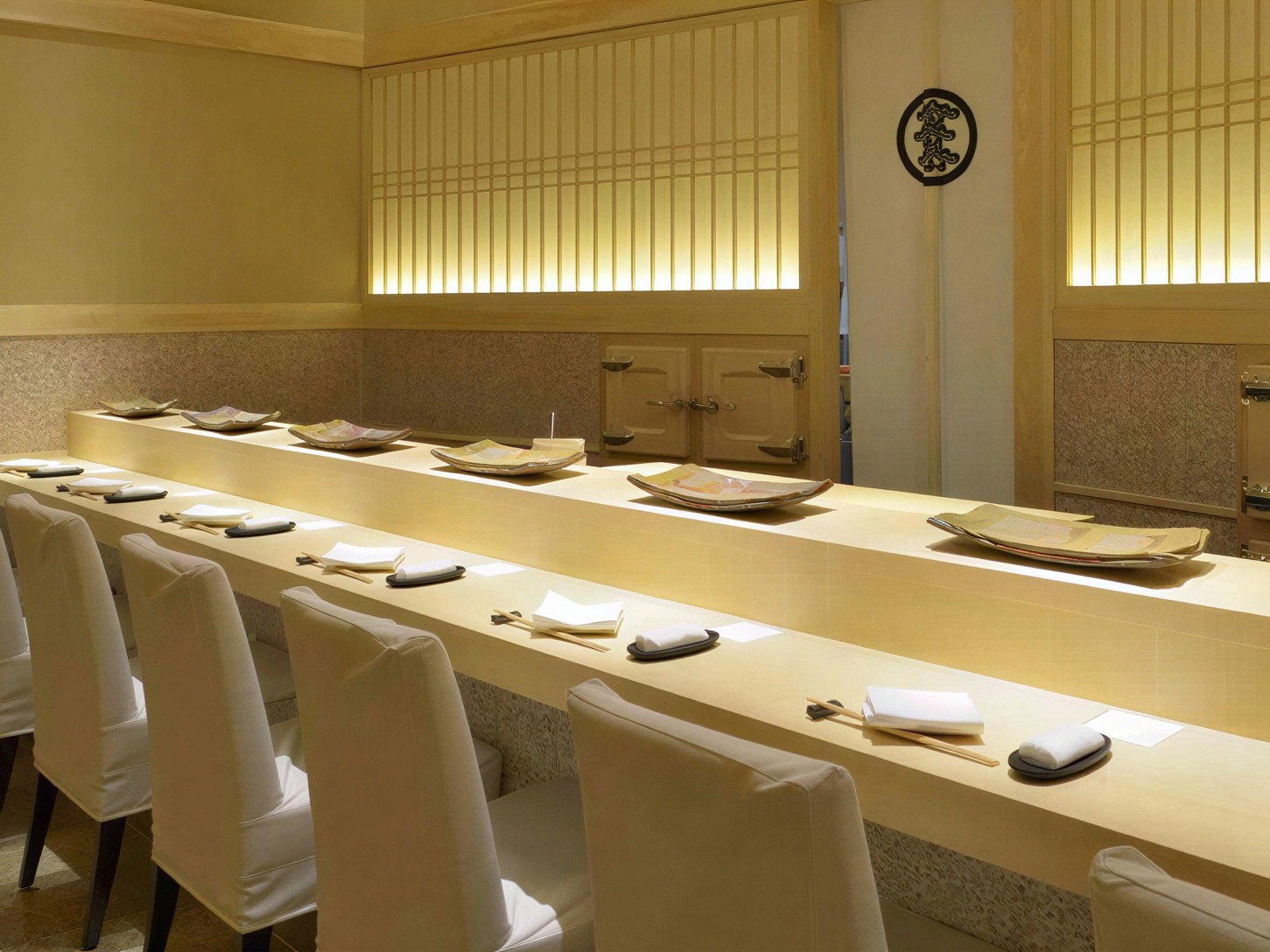
A small, black-themed counter dining room with stylish yet relaxed decor, calm lighting, and a quiet, adult-oriented atmosphere suited to dates and business dinners.