

Tabelog 100 #50
Our verdict
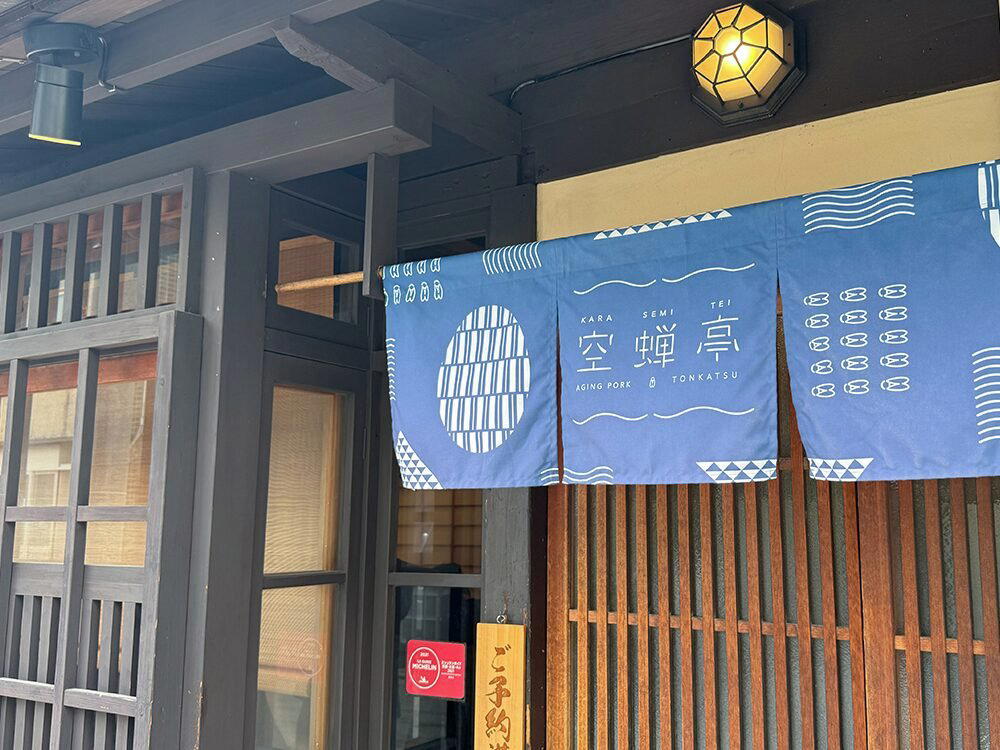
Kara Semi Tei (空蝉亭) occupies a quiet address in Kyoto's Kamigyo ward, a district where traditional machiya townhouses still define the streetscape. The venue's name, meaning 'cicada shell pavilion', gestures toward a Japanese aesthetic of transience and natural impermanence. Contact details and booking information are best confirmed through local channels before visiting.

Pearl is the En Primeur Club membership app, where members save venues, book tables and use the concierge.
The menu
What to order
- Aged pork tonkatsu
- Hayashi fatty aged pork loin
- Aged pork rib
Kamigyo's Quiet Register
Kyoto's dining scene divides more sharply by neighbourhood than most visitors anticipate. The Gion corridor and Higashiyama attracts the awarded kaiseki houses Gion Sasaki, Hyotei, Kikunoi Honten, where the architecture of reputation is decades thick and the booking windows extend months forward. Kamigyo, the upper city ward that curves north toward the Nishijin weaving district and the imperial palace grounds, operates at a different register entirely. The streets here are narrower, the signage quieter, and the density of international visitors considerably lower. It is a part of Kyoto that rewards a slower pace and some fluency with Japanese conventions.
Kara Semi Tei (空蝉亭) sits in this northern residential fabric at Ukita-cho 600, in the 602-8104 postcode that places it well outside the tourist corridors of central Kyoto. The name itself, translating roughly as 'cicada shell pavilion', draws on a classical Japanese image of the empty shell left by a moulting cicada, a symbol long associated with the Buddhist concept of impermanence and the Heian literary tradition. That framing alone places the venue in a particular conversation: one about restraint, natural cycles, and the kind of meaning that Kyoto's older cultural institutions have embedded in their very nomenclature for centuries.
Ethical Sourcing and the Kyoto Tradition of Seasonal Discipline
Japan's kaiseki tradition is, in structural terms, one of the world's oldest frameworks for sustainable cooking. The form emerged from Zen temple cuisine, shojin ryori, in which seasonal constraint was not a marketing position but a practical and spiritual discipline. What grew nearby, what the season made available, what could be preserved or fermented to bridge the lean months: these questions shaped the menu long before the concept of 'farm-to-table' existed as a culinary category. Kyoto's kaiseki houses at every tier, from the Michelin-starred rooms at Mizai to smaller neighbourhood establishments, inherit that framework whether they acknowledge it explicitly or not.
For venues in the Kamigyo district, proximity to the city's northern market networks and traditional ingredient suppliers, including the tofu producers of Murasakino and the yuba specialists that supply some of Kyoto's most demanding kitchens, matters practically. Small establishments in this part of the city have historically sourced through personal supplier relationships rather than wholesale distribution chains, a model that concentrates provenance knowledge in the kitchen and keeps ingredient selection highly responsive to what is actually at its finest in a given week. This is a fundamentally low-waste approach: menus are shaped by availability rather than fixed in advance, which means less over-ordering and less pressure to use ingredients past their moment.
That model contrasts with the high-volume pressures that larger, internationally prominent venues face. A counter with limited seats, the format common to serious Kyoto establishments, purchases in smaller quantities with greater precision, generates less kitchen waste by structural necessity, and maintains a direct supplier relationship that makes traceability direct. Across Kansai, this approach connects a wider conversation about responsible kitchen practice: HAJIME in Osaka has positioned sustainable sourcing as an explicit part of its identity at the three-Michelin-star level, while smaller venues in Nara like akordu apply the principle through a regional European lens. The ethical sourcing question, in other words, is not confined to any single format or price tier in the Kansai dining world.
Reading the Address
Ukita-cho in Kamigyo is a residential block with the density and quiet of a working neighbourhood rather than a tourist precinct. Getting there from central Kyoto means either a bus from Karasuma-Oike station toward the Nishijin area, or a short taxi ride that most drivers will manage without difficulty once given the address in written Japanese. The address, 上京区浮田町600, is specific enough for navigation apps, but the entrance to smaller establishments in this district can be discreet, often marked by a noren (hanging curtain) or a small lantern rather than prominent exterior signage.
Booking protocols for venues in this part of Kyoto frequently depend on phone reservation or introduction through a Japanese-speaking intermediary, particularly for non-Japanese guests. This is a common feature of smaller, specialist establishments across Japan; Isshisoden Nakamura, a long-established name in Kyoto's Japanese dining scene, similarly requires advance planning and cultural fluency to access well.
The pattern extends across Japan's specialist dining culture. In Tokyo, smaller omakase rooms like Harutaka and precision-driven restaurants in Fukuoka such as Goh operate on similar terms: the barrier to entry is informational rather than financial, and the reward for navigating it is access to a much less performative dining experience than the international-facing venues offer.
Kyoto Context and Where This Fits
For visitors building a Kyoto dining itinerary with depth rather than just recognition, the Kamigyo district offers a different kind of encounter with the city's food culture than the starred establishments in Gion or Higashiyama. Those venues, well covered in our full Kyoto restaurants guide, represent Kyoto's dining at its most refined and internationally legible. A venue like Kara Semi Tei operates further from that spotlight, in a neighbourhood where the primary audience is local and where the conventions of Japanese hospitality apply without translation or accommodation for international norms.
That positioning puts it in a different peer group than the awarded kaiseki rooms. It is closer in spirit to the kind of specialist neighbourhood venue that serious Japanese diners value precisely because it has not been optimised for outside validation. The analogy in other Japanese cities might be the quiet yakitori specialists in Sakai, such as Birdland, or the regional producers in less-visited prefectures like 一本木 小川製 in Nanao or 湖籟庵 in Takashima, venues where the proposition is rooted in place and practice rather than competitive positioning.
At a broader level, the sustainability dimension that frames Kara Semi Tei's likely operational approach connects to a global conversation about how small, place-specific, seasonally disciplined venues often carry a lower environmental footprint than the large-format fine dining operations that attract international press. The comparison reaches beyond Japan: at the level of principle, what a quiet Kyoto neighbourhood establishment does with seasonal restraint and direct supplier relationships echoes concerns that even Michelin-level venues in New York, like Le Bernardin or Atomix, now address through formal sourcing commitments and waste-reduction programs. The difference is scale and visibility: in Kamigyo, the practice is structural and unremarked rather than marketed.
Planning a Visit
The address at 上京区浮田町600, 京都市, 京都府 602-8104 is specific for navigation purposes. Visitors unfamiliar with Kamigyo should allow time to orient themselves in what is a residential district with limited English-language signage. The leading season for kaiseki-adjacent dining in this part of Kyoto follows the two premium seasonal windows, spring (late March through May) and autumn (October through November), when Kyoto's ingredient calendar is at its most varied and the city's food culture operates at full intensity. Those periods are also the most heavily booked, so early planning is essential regardless of the venue tier.
Frequently asked questions
What is the signature dish at Kara Semi Tei (空蝉亭)?
Can I walk in to Kara Semi Tei (空蝉亭)?
What is Kara Semi Tei (空蝉亭) leading at?
Is Kara Semi Tei (空蝉亭) allergy-friendly?
What does the name Kara Semi Tei (空蝉亭) mean, and does it indicate a particular culinary tradition?
Price Lens
Comparable venues nearby, for context on price, style, and recognition.
| Venue | Cuisine | Price | Awards | Notes |
|---|---|---|---|---|
| Kara Semi Tei (空蝉亭)This venue (the venue you are viewing) | Specialty Tonkatsu with Aged Pork | $30–50 | Tabelog 100 #50 | Not listed |
| 下鴨いち満 | Traditional Kyoto Sushi & Temari | $50–100 | Not listed | Shimogamo, Sakyo Ward, Traditional Kyoto Sushi & Temari |
| 菊乃井 露庵 | Seasonal Kyoto Kaiseki | $150–200 | 2 Michelin Stars · La Liste Top Restaurants | Nakagyō, Traditional Kaiseki Omakase |
| Riki Chan Gion ten | High-end Wagyu Yakiniku (Fillet Specialty) | $150–200 | Tabelog 100 #83 | Higashiyama, High-end Wagyu Yakiniku (Fillet Specialty) |
| Tori Kago | Modern Yakitori Omakase | $100–150 | Tabelog 100 #14 | Nakagyō, Modern Yakitori Omakase |
| 半々 | 肉割烹 | Not listed | Michelin Plate | 聖護院, 肉割烹 |
Recognition history
Dated appearances from independent guides and award organizations, with the underlying list record or original source where available.
Opinionated About Dining Casual in Japan Ranked #80
Opinionated About Dining
Tabelog 100 #50 · No. 50
Tabelog · Tabelog 100 - Tonkatsu - 2026
Continue exploring
More in Kyoto
Restaurants in Kyoto
All restaurants in Kyoto →
Bars in Kyoto
All bars in Kyoto →
Hotels in Kyoto
All hotels in Kyoto →
Wineries in Kyoto
Browse all →
Details
- Cozy
- Relaxed
- Elegant
- Casual Hangout
- Special Occasion
- Sake Program
- A La Carte
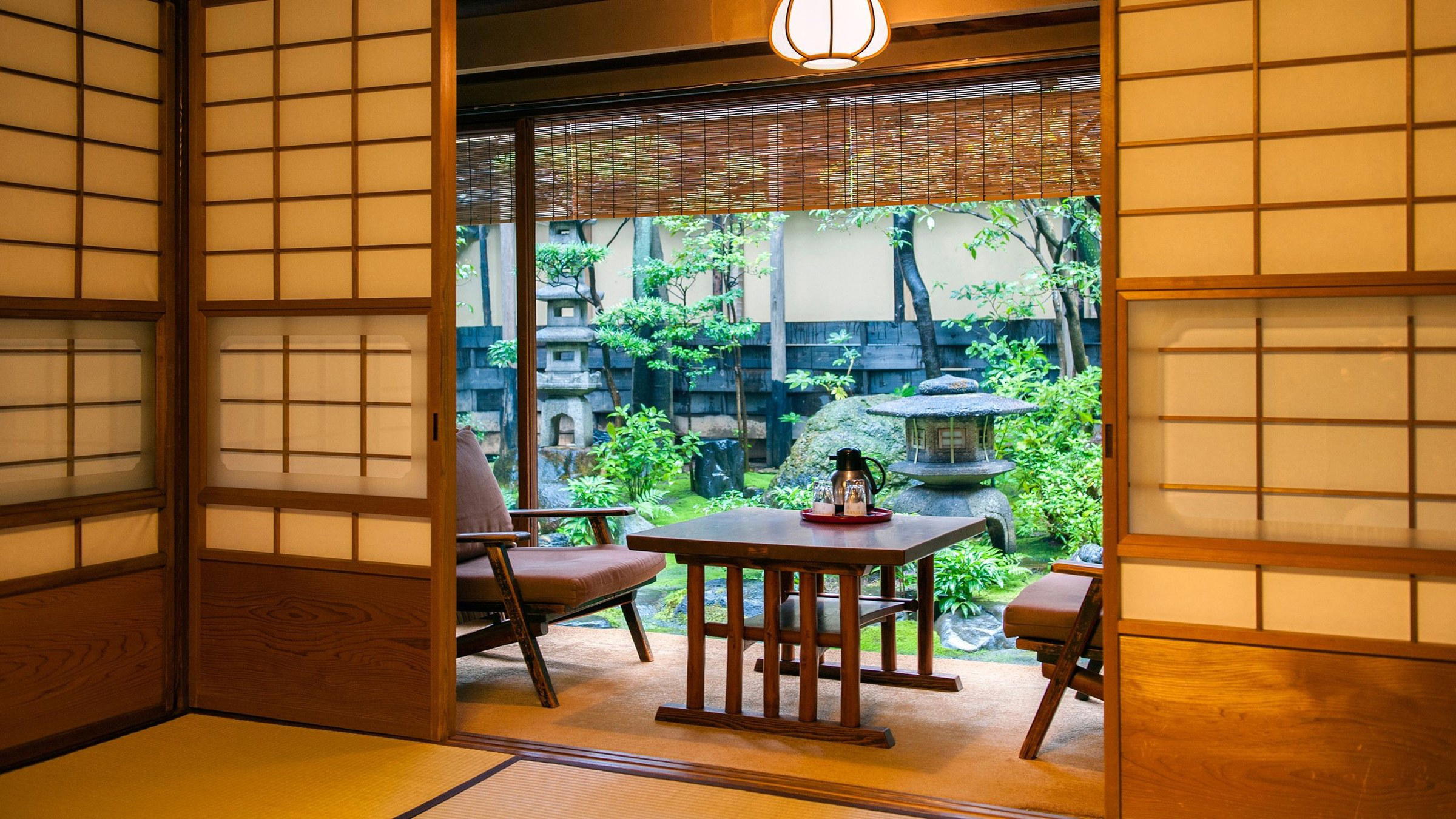
Cozy neighborhood eatery with Japanese-style tatami rooms, stylish and relaxing space, few seats but spacious and comfortable.