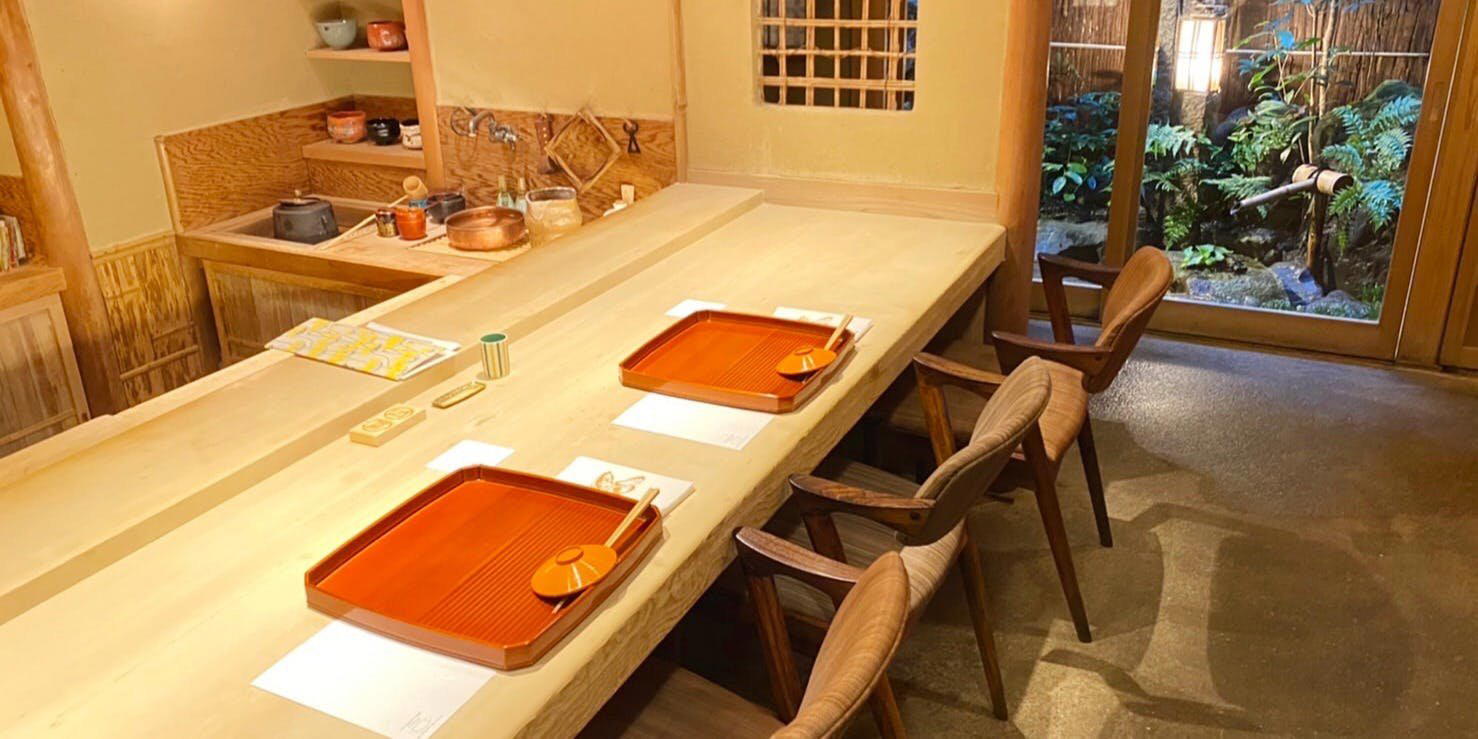
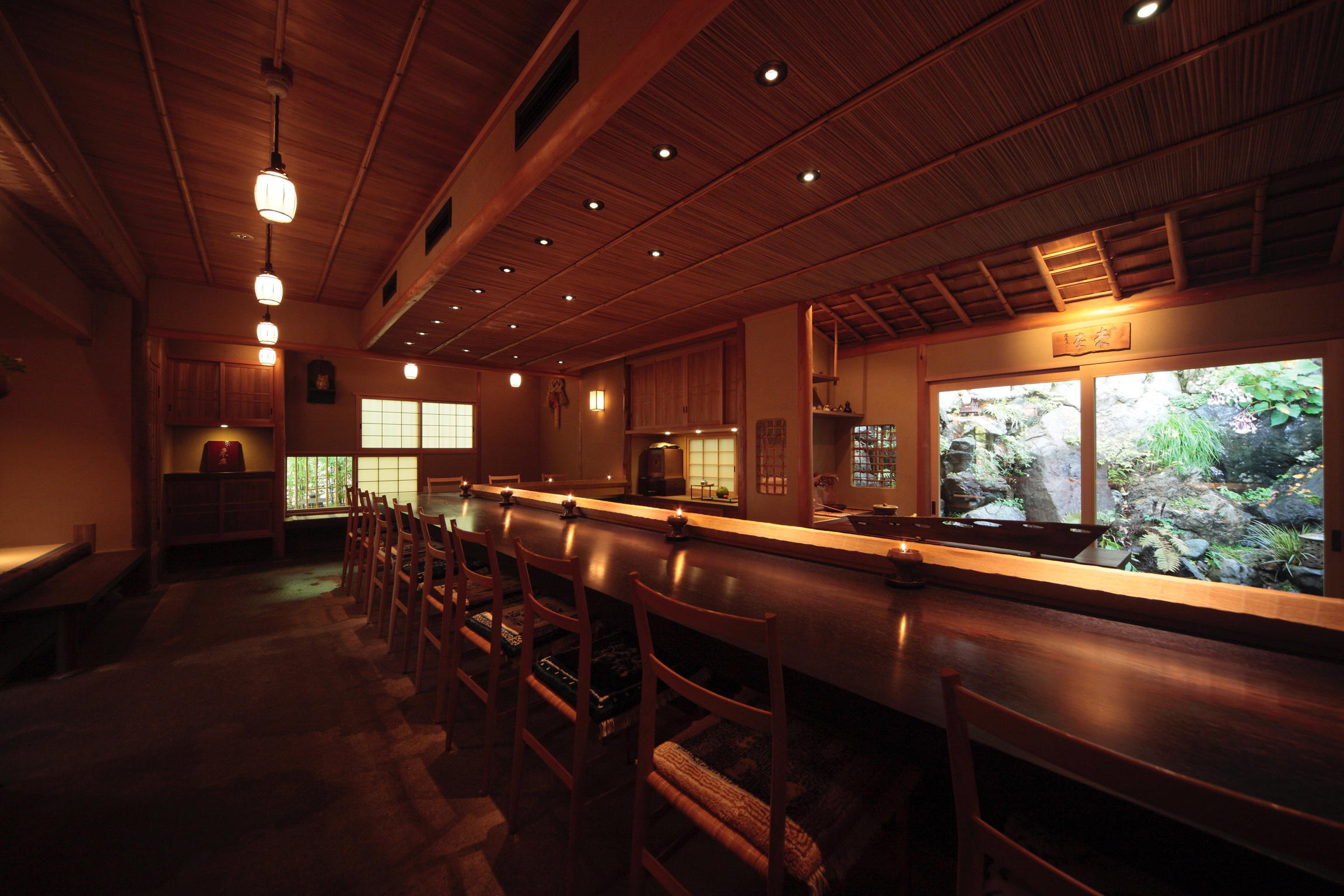
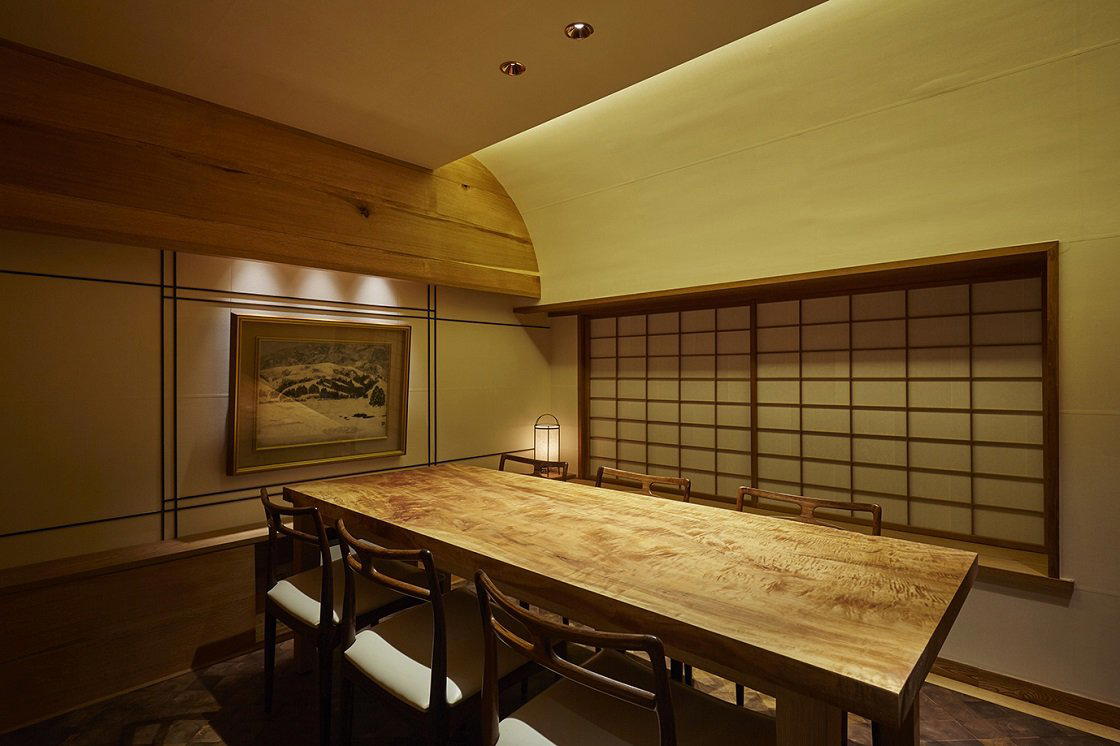
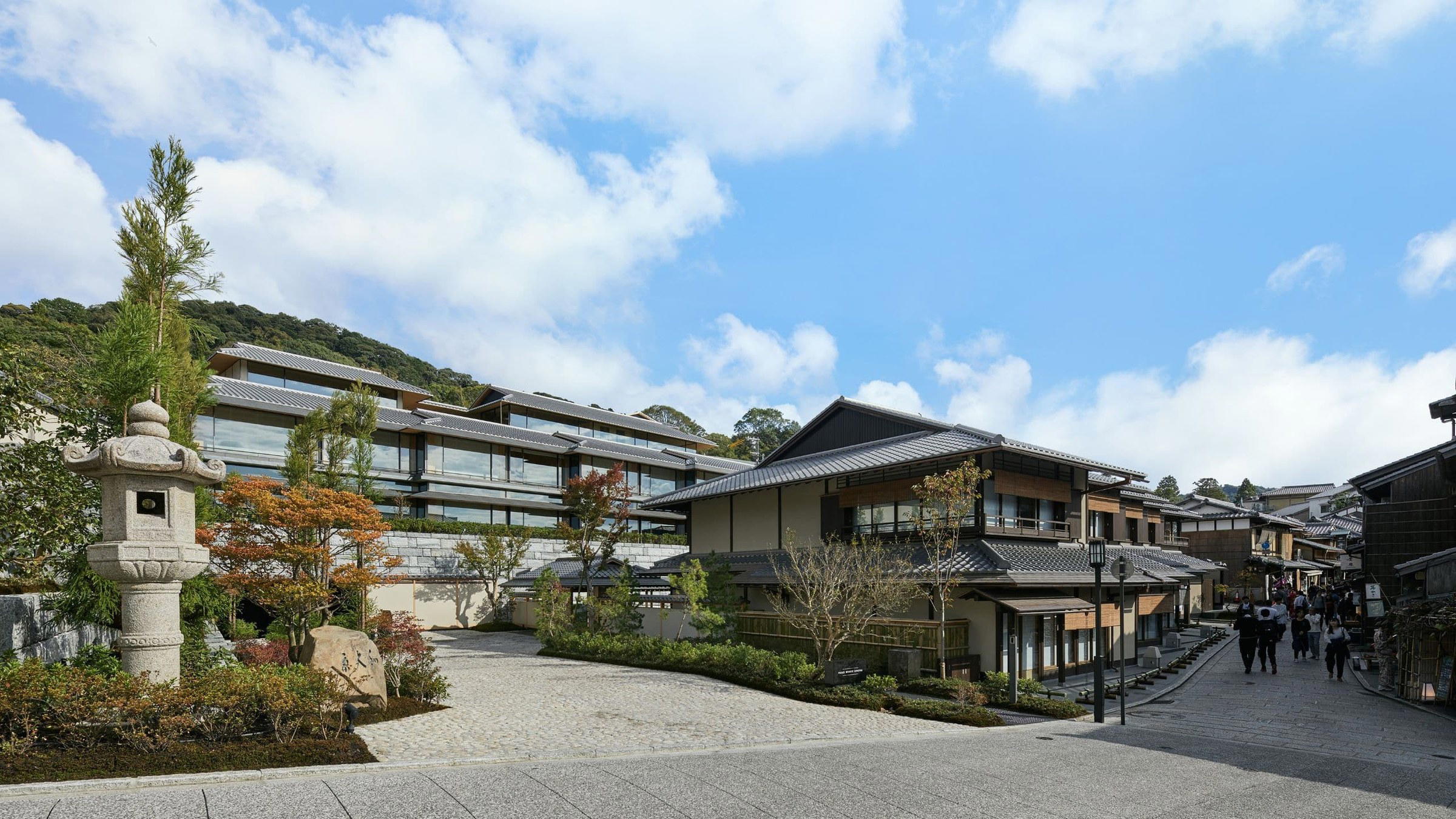
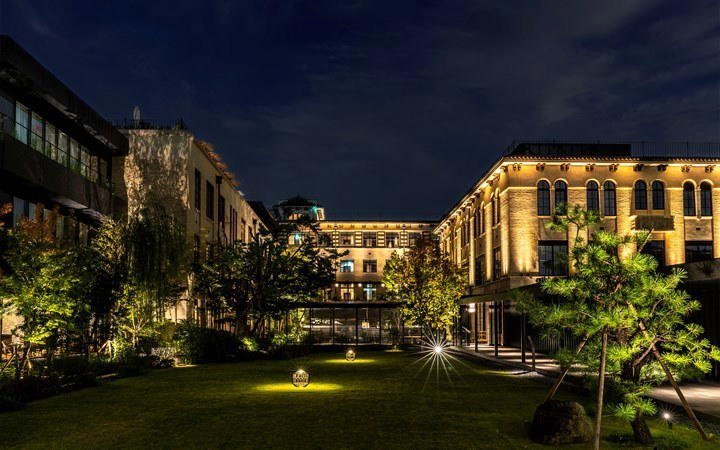
Pass The Baton is a Kyoto Japanese Shaved Ice Salon de Thé in a historic building, with a quiet room, street scene views, and a sake program for late-night quick bites.
Pearl is the En Primeur Club membership app — saves, bookings, and concierge access live there. Same editors, same standards.
- Address
- Kyoto, Japan
- Directions
- Get directions
 Saves & bookings on Pearl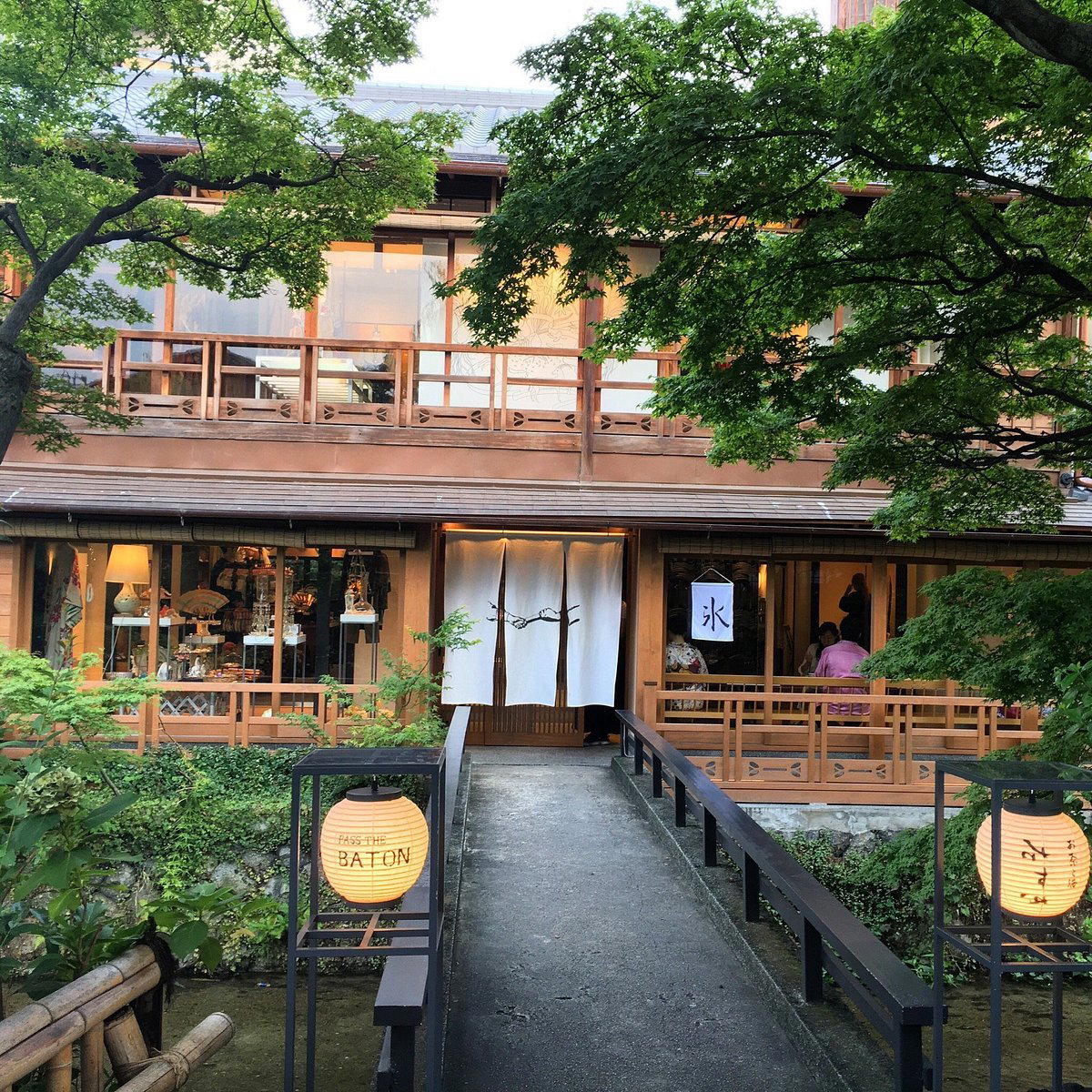
A Different Register in Kyoto's Design Conversation
Kyoto has long exported a particular aesthetic grammar to the world: layered wood, washi screens, stone gardens calibrated to imply rather than state. Within that grammar, a smaller category of spaces operates as a counterpoint, drawing on vintage and repurposed material culture rather than the refined minimalism of the traditional machiya. Pass The Baton is a Kyoto restaurant serving Japanese Shaved Ice Salon de Thé at about $20 per person. The name itself gestures toward relay, toward the passing of objects and meaning from one hand to the next, which positions the space as much as any architectural detail could.
Pass The Baton stands apart in Kyoto's dining scene. Its interest is in the material life of objects, in the idea that well-made things carry forward the intelligence of whoever made them, and in spaces that make that argument visually.
The Physical Container as Editorial Statement
Spaces in Kyoto that deal in vintage or reclaimed material culture face a particular design problem: the city's existing architecture is already so historically layered that any new curatorial gesture risks becoming redundant. Pass The Baton resolves this by leaning into the tension rather than away from it. The concept, which originated in Tokyo as a select shop built around curated secondhand goods and the stories of their previous owners, carries into Kyoto with that same logic intact. Each object in the space is labeled not just with a price but with a provenance note from whoever gave it up. The result is that the interior reads less like a retail floor and more like a distributed archive.
That archival quality shapes how the space feels to move through. Display logic here is horizontal rather than hierarchical: ceramics sit alongside jewelry, textiles share cases with small furniture, and the curation resists any single dominant category. This is a deliberate departure from the compartmentalized format most Kyoto dining rooms adopt. The design argument being made is that the value of an object exists in its history and context, not in its product category.
Within Kyoto's wider network of design-conscious spaces, this positions the restaurant in a niche that has grown more legible over the past decade. Japan's broader interest in mono no aware, the aesthetic sensitivity to impermanence and patina, provides a cultural framework that the space draws on without overstating. The worn surface of a lacquer box or a vintage textile piece carries meaning that a new equivalent simply cannot replicate, and the store's format makes that argument concrete rather than sentimental.
How This Fits into Kyoto's Wider Creative Geography
Kyoto's serious dining scene concentrates in a relatively compact geography: Gion Sasaki and Mizai anchor the kaiseki tier in Gion and Nakagyo respectively, while Isshisoden Nakamura represents centuries of Japanese culinary lineage in the city's old commercial core. The restaurant serves a similar audience: people who care about detail and presentation.
That overlap is worth noting because it explains how the restaurant functions within a broader itinerary rather than as a standalone destination. Travelers who make time for it tend to be working through Kyoto at a slower pace, attentive to the kind of detail that most tourist circuits compress past. The same sensibility that draws someone to a long kaiseki meal at Gion Sasaki or a considered dinner at akordu in Nara during a wider Kansai trip tends to draw them here.
Japan's wider network of serious destination restaurants demonstrates how deeply the country's culinary and material culture intertwines with attention to craft and provenance. Venues like HAJIME in Osaka and Harutaka in Tokyo operate at the summit of their respective categories with an attention to sourcing and material integrity that mirrors, in a dining context, exactly what the restaurant is doing with objects. Further afield, Fukuoka's Goh represents the same commitment to considered provenance in a regional setting. The thread connecting these experiences is a Japanese cultural insistence on knowing where things come from.
Planning a Visit
For visitors building a Kyoto itinerary around design and material culture, the restaurant fits most naturally into a mid-day slot, and the format rewards unhurried browsing. International points of comparison for the design-meets-provenance format exist in cities like New York, where concept-driven operations such as Atomix and Le Bernardin demonstrate how a strong editorial point of view translates into sustained cultural authority. Regionally in Japan, venues in smaller cities including a noted kaiseki house in Nanao, a respected destination in Sapporo, a considered operation in Takashima, a regional specialist in Nishikawa Machi, and Bistro Ange in Toyohashi all point to the same pattern: Japan's serious cultural venues are distributed far beyond its major cities, and Kyoto remains the densest concentration of that sensibility.
Booking and Cost Snapshot
Comparable venues nearby, for context on price, style, and recognition.
| Venue | Cuisine | Price | Notes |
|---|---|---|---|
| Pass The BatonThis venue — the venue you are viewing | Gion, Japanese Shaved Ice Salon de Thé | $$$ | Not listed |
| Tomikyu | Not listed | $$$ | Higashiyama, Traditional Fugu & Hamo Kaiseki |
| Charcoal fire izakaya Julia Wagyu specialty store | Not listed | $$$ | Shimogyō, Charcoal Fire Izakaya with Wagyu Specialty |
| Tousuiro Kiyamachi | Nakagyō, Traditional Kyoto Tofu Kaiseki | $$$ | Not listed |
| Okuniya Manbei Unagi | Nakagyo-Ku, Kansai-Style Unagi Kabayaki | $$$ | Not listed |
| Warajiya | Not listed | $$$ | Higashiyama, Traditional Kyoto eel hotpot & porridge (unagi kaiseki-style) |
Continue exploring
More in Kyoto
Restaurants in Kyoto
Browse all →

Bars in Kyoto
Browse all →


Hotels in Kyoto
Browse all →
Wineries in Kyoto
Browse all →
At a Glance
- Cozy
- Rustic
- Intimate
- Casual Hangout
- Solo
- Historic Building
- Standalone
- Beer Program
- Waterfront
Calm and charming, with a traditional townhouse setting that feels quaint and thoughtfully curated.