Sakeria 侍酒主 occupies a second-floor address in Tomigaya, Shibuya, a neighbourhood that has become one of Tokyo's more considered dining quarters over the past decade. The name signals a wine stewardship orientation, placing it in the smaller tier of Tokyo venues where the drink program anchors the format as much as the kitchen. Practical details are sparse at this stage; those planning a visit should verify hours and booking directly before travel.
Pearl is the En Primeur Club membership app — saves, bookings, and concierge access live there. Same editors, same standards.
- Address
- Japan, 〒151-0063 Tokyo, Shibuya, Tomigaya, 1 Chome−37−1 ロナーYSビル 201
- Phone
- +81 3-3466-1311
- Website
- instagram.com
- Directions
- Get directions
 Saves & bookings on Pearl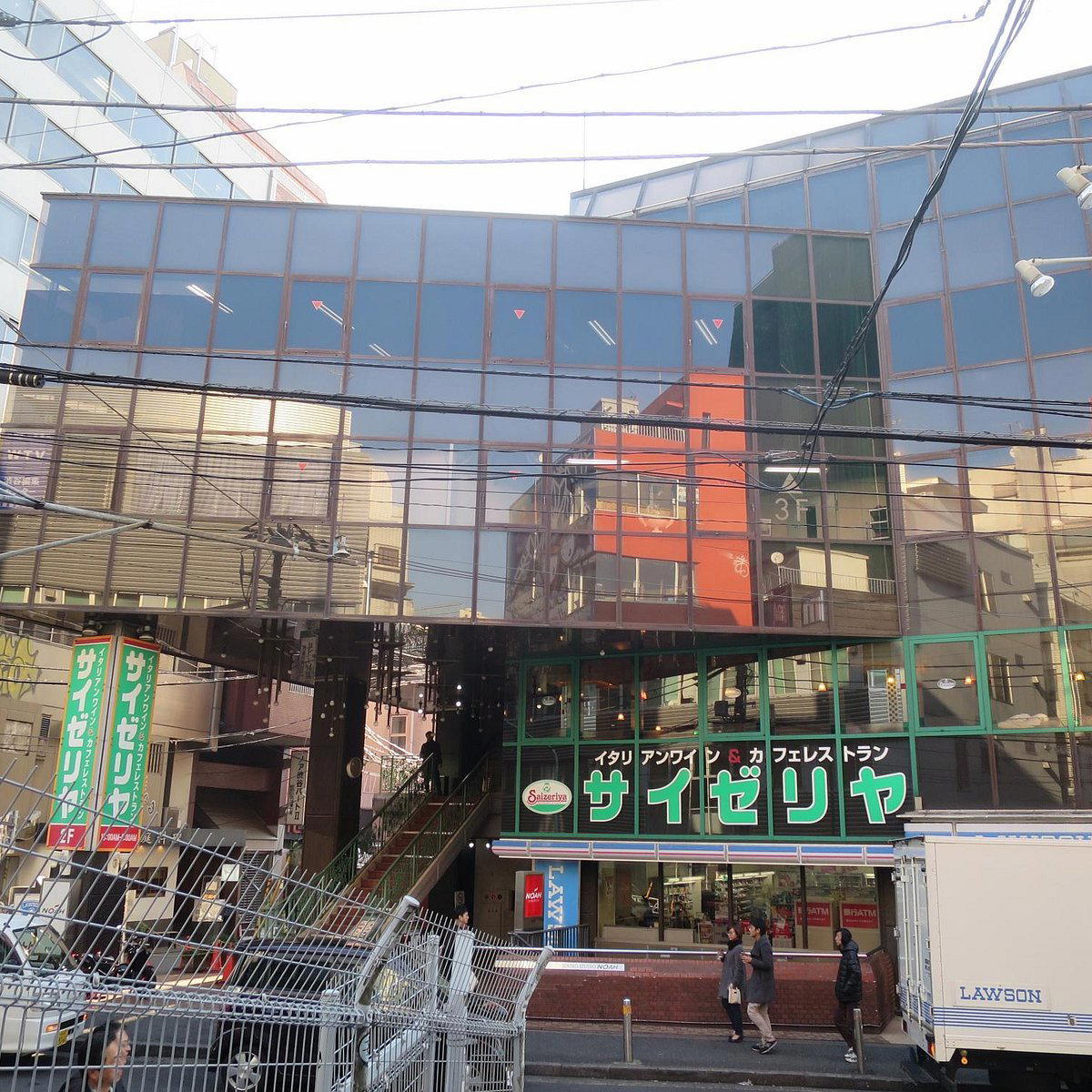
Tomigaya and the Quiet Shift in Tokyo's Wine-Led Dining
Tomigaya does not announce itself. The neighbourhood sits west of Yoyogi Park in Shibuya ward, and over the past decade it has accumulated a particular kind of venue: small-footprint, format-led, and oriented toward a guest who already knows what they are looking for. The street-level approach along the 1-chome corridor gives little away. Sakeria 侍酒主 sits on the second floor of the Roomy YS building at 1-37-1 Tomigaya, a position that filters out foot traffic almost by design. In Tokyo's dining geography, a second-floor address in this part of Shibuya is less an accident of real estate than a structural signal about the intended guest relationship.
This matters because the category Sakeria 侍酒主 appears to occupy, a wine-primary venue in which the drink program and the kitchen are in genuine dialogue rather than hierarchy, remains a smaller tier in Tokyo than comparable cities. Paris and Copenhagen have long had wine bars where the sommelier function shapes the menu cadence. Tokyo's version of that model arrived later and is still consolidating. Venues in Tomigaya, Daikanyama, and parts of Nakameguro have been testing that format across the past five or six years, and the ones that have lasted have done so because they achieved a specific balance: wine selection with genuine depth and editorial conviction, food that can hold attention without requiring full-restaurant infrastructure, and a room size that allows the front-of-house to maintain the kind of guest attention the format demands.
The Booking Situation: What You Should Know Before You Go
Reservations are essential. This is not unusual for a certain class of small Tokyo venue. Some operate through reservation systems embedded in Japanese platforms, others through direct contact via social media, and a number maintain a deliberately low digital footprint that functions as a soft filter on who makes it through the door.
The practical implication for international visitors is significant. Guests staying at properties with strong Tokyo dining networks, which typically means established city hotels with dedicated concierge teams, should engage that resource early. Lead time can be longer for weekend sittings.
Visitors planning around Tokyo's peak dining seasons should build in additional lead time or consider targeting a Tuesday or Wednesday sitting. The broader lesson from Tokyo's reservation culture is that smaller venues can reward advance planning.
Where Sakeria 侍酒主 Sits in the Tokyo Scene
Tokyo's top tier of formal dining runs through counters and kaiseki rooms with international recognition: venues like Harutaka at the sushi end, RyuGin anchoring the kaiseki tradition, and French-trained rooms such as L'Effervescence and Sézanne representing the city's serious engagement with European technique. Crony sits in a more recent cohort of innovative French-influenced venues that have emerged as Tokyo's younger chef generation develops its own vocabulary.
Sakeria 侍酒主 does not appear to compete directly with any of these rooms. Its orientation, as much as can be read from the name and address combination, is toward a guest who arrives primarily to drink well, supported by food that is chosen to accompany rather than headline. That is a different value proposition than an omakase counter or a kaiseki progression, and it appeals to a different decision-making moment. It is the kind of venue you choose when you want an evening built around the glass rather than the plate, which is a legitimate and underserved category in a city that has historically positioned its restaurants, not its wine bars, as the primary event.
For context within Japan's wider dining circuit, venues in this register have interesting counterparts in other cities. HAJIME in Osaka and Gion Sasaki in Kyoto represent different formats, but they share the characteristic of requiring advance planning and a guest who arrives informed. Further afield in the network, akordu in Nara and Goh in Fukuoka show how Japan's regional dining scene is generating venues with genuine identity beyond the three major cities. Internationally, the wine-first dining model that Sakeria 侍酒主 appears to inhabit has proven out in rooms like Le Bernardin in New York at the formal end and Atomix at the technically ambitious end, though the Tokyo version of the format tends to run at a smaller scale and with a more compressed physical footprint than either.
The EP Club network also tracks venues across Japan's less-trafficked dining corridors: 一本杉 川島屋 in Nanao, 古仁屋山乃 in Sapporo, 湖里庵 in Takashima, 白鷹屋 in Nishikawa Machi, Birdland in Sakai, and Bistro Ange in Toyohashi. See our full Tokyo restaurants guide for the broader picture across the city's neighbourhoods and formats.
Planning Your Visit
Reservations: Essential. Dress: Smart casual. Budget: Price range not confirmed. Getting there: The Tomigaya address is in Shibuya, Tokyo. Timing: Avoid peak Tokyo dining seasons without lead time; mid-week sittings offer one practical entry point for visitors without established local contacts.
Pricing, Compared
Comparable venues nearby, for context on price, style, and recognition.
| Venue | Cuisine | Price | Notes |
|---|---|---|---|
| Sakeria 酒坊主This venue — the venue you are viewing | Shibuya, Japanese Restaurant | Not listed | Not listed |
| Kaikaya by the Sea | Shibuya, Japanese Seafood Izakaya | $$ | Not listed |
| HIGASHIYA man | Not listed | $$ | Minato, Traditional Japanese wagashi & manju shop |
| TAIZEN | Not listed | $$ | Shinjuku, Hinai Jidori chicken and oyakodon–focused Japanese restaurant |
| Fukushima | Meguro, Japanese Kamameshi | $$ | Not listed |
| Horumon Masaru | Minato, Horumon & Yakiniku Izakaya | $$ | Not listed |













At a Glance
Traditional Japanese atmosphere