Our verdict
Fukushima sits in Nakane, a quiet residential pocket of Meguro that draws little foot traffic from Tokyo's main dining circuits. The address alone — tucked inside a building called NewYorkCorner161 — signals the kind of low-profile positioning common to Tokyo's more considered small restaurants. Limited public information makes advance research essential before visiting.

Pearl is the En Primeur Club membership app — saves, bookings, and concierge access live there. Same editors, same standards.
- Address
- Japan, 〒152-0031 Tokyo, Meguro City, Nakane, 1 Chome−6−1 NewYorkCorner161-2B
- Phone
- +81357269727
- Hours
- Mon 5–11 PMTue–Wed ClosedThu–Sun 5–11 PM
- Website
- tabelog.com
- Directions
- Get directions
- Booking
- Book on the venue's website
Meguro's Quieter Dining Register
Tokyo's serious restaurant culture has long operated on two distinct frequencies: the high-visibility Ginza and Roppongi tier, where international press and Michelin inspectors concentrate, and a lower-profile residential register spread across neighbourhoods like Nakane in Meguro City. Fukushima belongs to the latter. The address — inside a building called NewYorkCorner161 on a street in Nakane's 1-chome — places it well outside the circuits that tourists and corporate expense accounts typically follow. In Tokyo, that kind of address is rarely accidental. Restaurants that choose residential Meguro over central Minato are usually making a statement about their intended audience: locals, regulars, and the small category of visitor who has done the work to find them.
Nakane itself is the kind of sub-neighbourhood that appears on no tourist map. It sits between Gakugei-Daigaku and Jiyugaoka, two stations on the Tokyu Toyoko Line, in a part of southwest Tokyo defined by narrow lanes, low-rise apartment buildings, and the kind of daily-life commerce, cleaners, tofu shops, small izakaya, that signals a genuinely residential character. Dining in this register tends toward the personal and precise rather than the theatrical. Compare this to the format at RyuGin (Kaiseki, Japanese) in Roppongi Hills or Sézanne (French) in the Four Seasons Marunouchi: those venues arrive pre-narrated, their context established before you walk in the door. A restaurant in Nakane asks you to arrive without that scaffolding.
What the Address Tells You About the Booking Experience
In Tokyo's premium dining ecosystem, the difficulty of finding a restaurant is often a reliable proxy for its positioning. Venues that require significant advance planning, local knowledge, or a Japanese-language intermediary tend to occupy a different competitive space than those with English-language websites and open online reservation systems. Fukushima's publicly available information is sparse: no website, no listed phone number in international directories, no English-language booking portal. That profile is not unusual for a certain category of Tokyo restaurant, it matches the low-footprint approach seen at small counters across Meguro, Setagaya, and Shibuya wards, where word-of-mouth and repeat custom replace marketing infrastructure.
For visitors, the practical implication is significant. Restaurants in this category typically require either a Japanese-speaking contact to make a reservation by phone, a concierge service at a major Tokyo hotel, or an established relationship with a booking intermediary. This is the same friction that applies to a number of Tokyo's smaller specialist restaurants, the ones that never appear on aggregator platforms because they have no need to. It is worth calibrating expectations accordingly: arriving in Tokyo and attempting to book Fukushima cold, in English, without preparation, is unlikely to succeed. The window for planning should open at minimum several weeks before travel, and in some cases months, depending on the season and the venue's own rhythm.
This dynamic is not unique to Fukushima. Across Tokyo, the most considered small restaurants operate on booking timelines and communication channels that reward preparation. Harutaka (Sushi), for instance, operates at a price tier and reservation difficulty that reflect its position in the upper bracket of Tokyo's counter dining scene. L'Effervescence (French) and Crony (Innovative, French) both represent the kind of advance-planning discipline Tokyo's serious dining circuit demands across categories. Planning through EP Club's full Tokyo restaurants guide provides comparative context across booking tiers.
Cuisine and Format: Working with Limited Data
What the address and positioning do confirm is a Meguro residential context, which in Tokyo correlates with a specific kind of dining format: small-scale, counter or table service, and almost certainly Japanese-language primary. The NewYorkCorner161 building name is an anomaly, a common quirk of Tokyo's naming conventions for mixed-use low-rise buildings, where English-language building names bear no relationship to the building's occupants or character.
What can be said is that Nakane's dining options tend toward the neighbourhood-specialist end of the spectrum rather than the destination-restaurant end. Visitors making the trip specifically for Fukushima should verify cuisine type, current operating hours, and reservation method through a Japanese-language source or hotel concierge before travel. Relying on third-party aggregators for this category of restaurant frequently produces outdated or incomplete information.
Tokyo in Wider Context: Japan's Dining Geography
Fukushima's Meguro positioning is worth reading against the broader geography of serious dining in Japan. Tokyo dominates international attention, but the country's restaurant culture extends well beyond the capital, to HAJIME in Osaka, Gion Sasaki in Kyoto, akordu in Nara, and Goh in Fukuoka, each representing a distinct regional register. Further afield, restaurants like Abon in Ashiya, affetto akita in Akita, Aji Arai in Oita, Ajidocoro in Yubari District, Akakichi in Imabari, and aki nagao in Sapporo illustrate how Japan's serious restaurant culture distributes across the archipelago rather than concentrating exclusively in the capital. Internationally, the same planning discipline that applies to Tokyo's quieter counters applies to reservation-driven formats like Le Bernardin in New York City and Lazy Bear in San Francisco, venues where logistics are part of the dining contract.
Planning Your Visit
| Factor | Fukushima (Nakane, Meguro) | Harutaka (Central Tokyo) | RyuGin (Roppongi) |
|---|---|---|---|
| Neighbourhood type | Residential, low-profile | Central, higher visibility | Commercial, destination tier |
| Booking channel | Unconfirmed, local intermediary advised | Japanese-language recommended | International platforms available |
| Price range (confirmed) | Not publicly listed | ¥¥¥¥ | ¥¥¥¥ |
| English-language info | Minimal | Limited | Available |
| Advance planning window | Several weeks minimum | Weeks to months | Weeks to months |
Frequently asked questions
What should I order at Fukushima?
For a restaurant at this address and in this neighbourhood category, a small, low-profile spot in residential Meguro, the format is likely to involve a set menu or a limited selection rather than a broad à la carte offering, which is common across Tokyo's smaller specialist counters. Before visiting, confirm the menu structure and any dietary accommodation requirements directly through your booking contact. Cross-referencing with the EP Club coverage of comparable Tokyo venues such as Harutaka and L'Effervescence gives useful context for what the city's considered small-restaurant format typically involves.
Should I book Fukushima in advance?
Yes, and the lead time matters more here than at venues with active online booking systems. Tokyo's residential neighbourhood restaurants, particularly those without English-language websites or international reservation platforms, typically fill through a combination of regulars and personal referrals. Walk-in availability at a restaurant in this category should not be assumed. If you are travelling from outside Japan, the practical approach is to arrange a reservation through a Tokyo hotel concierge or a Japanese-speaking contact at least several weeks before your travel dates. The effort involved is consistent with the booking discipline that characterises serious dining in Tokyo across price tiers, from counter sushi at venues like Harutaka to kaiseki at RyuGin.
Is Fukushima suitable for non-Japanese speakers visiting Tokyo?
Based on its residential Meguro address and the absence of any English-language web presence, Fukushima likely operates primarily in Japanese, a common feature of neighbourhood specialists in this part of southwest Tokyo. Non-Japanese-speaking visitors are advised to arrange a Japanese-speaking intermediary for both the reservation process and, potentially, the meal itself. This is standard practice for a category of Tokyo dining that prioritises direct local relationships over international accessibility, and it should be factored into trip planning alongside the booking timeline.
Recognition Snapshot
Comparable venues nearby, for context on price, style, and recognition.
| Venue | Cuisine | Price | Awards | Notes |
|---|---|---|---|---|
| FukushimaThis venue — the venue you are viewing | Japanese Kamameshi | $30–50 | Not listed | Not listed |
| HIKINIKU TO COME (挽肉と米) | Hamburger steak set menu (Japanese-style) | $20–30 | Tabelog 100 #59 | Shibuya |
| Tenfusa (天房) | Tempura | $20–30 | Not listed | Toyosu |
| L'Atelier Plus | Japanese-style Western (yoshoku) bistro | $30–50 | Tabelog 100 #48 | Meguro |
| CENTRE THE BAKERY Aoyama ten | Japanese shokupan bakery | $10–20 | Tabelog 100 #75 | Shibuya |
| Tsunahashi Shinjuku | Traditional Japanese Tempura | $20–30 | Not listed | Shinjuku |










Details
- Business Dinner
- Group Dining
- Special Occasion
- Private Dining
- A La Carte
Current opening hours
- Monday
- 5–11 PM
- Tuesday
- Closed
- Wednesday
- Closed
- Thursday
- 5–11 PM
- Friday
- 5–11 PM
- Saturday
- 5–11 PM
- Sunday
- 5–11 PM
Hours can change for holidays and private events. Last verified .
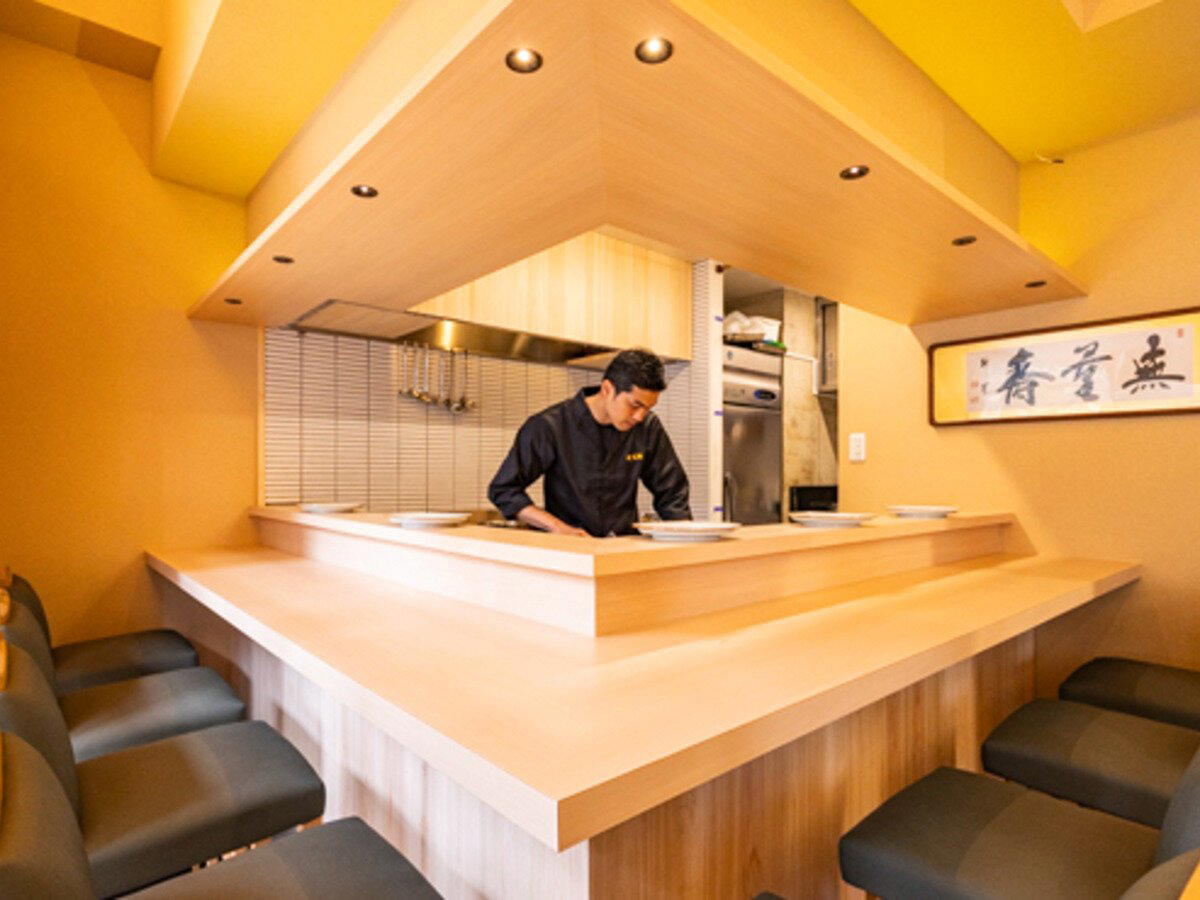
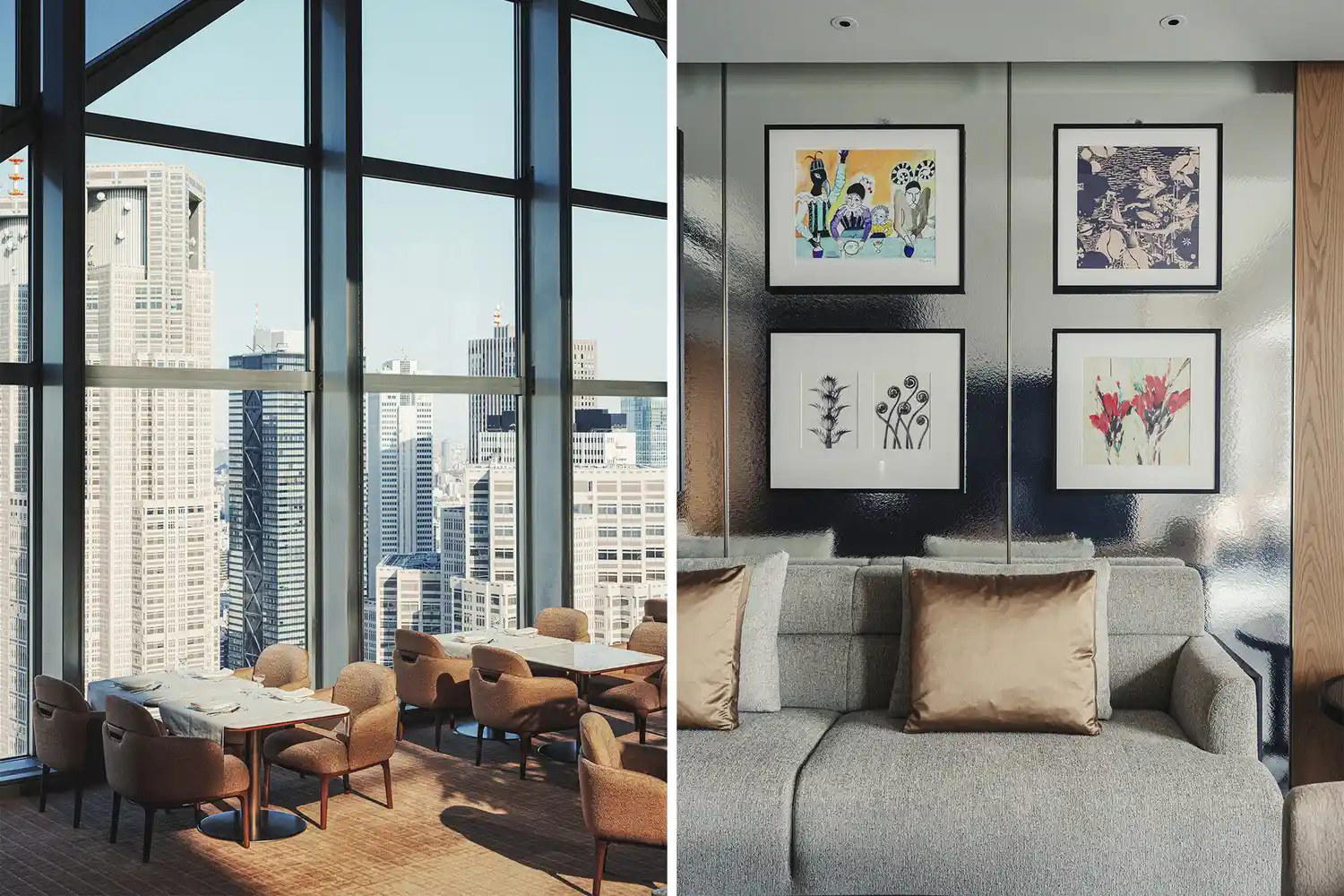
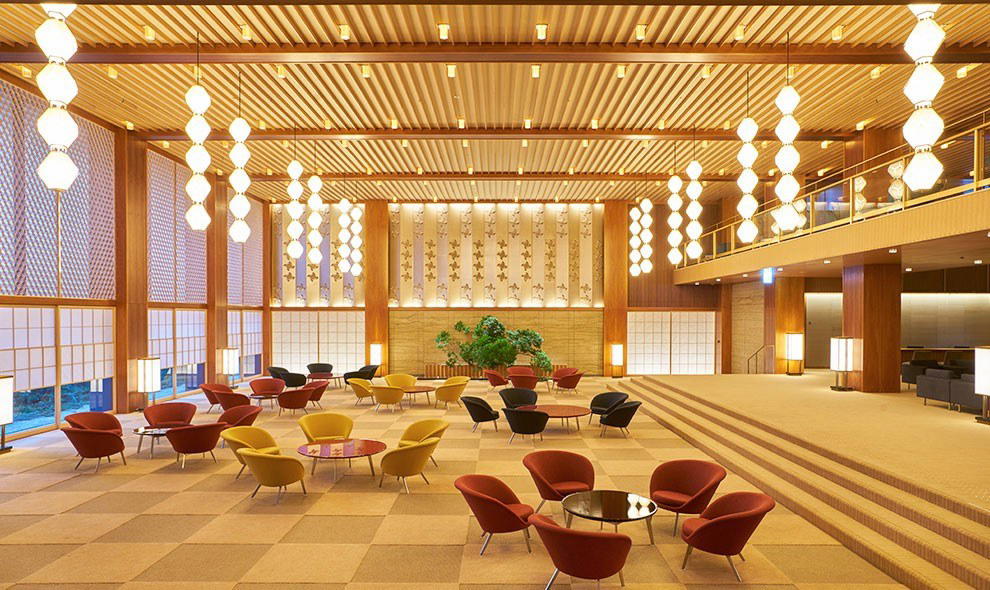
Bright, wood-toned interior with counter and table seats on the first floor and partitionable private rooms on the second floor.