Kaikaya by the Sea sits in Shibuya's Maruyamacho district, where a seafood-forward menu channels the intersection of Japanese coastal ingredients and globally informed kitchen technique. The room channels a relaxed, surf-tinged energy unusual for central Tokyo, making it a reference point for the city's less formal but still produce-serious dining tier.
Pearl is the En Primeur Club membership app — saves, bookings, and concierge access live there. Same editors, same standards.
- Address
- 23-7 Maruyamacho, Shibuya, Tokyo 150-0044, Japan
- Phone
- +81 3 3770 0878
- Website
- kaikaya.com
- Directions
- Get directions
 Saves & bookings on Pearl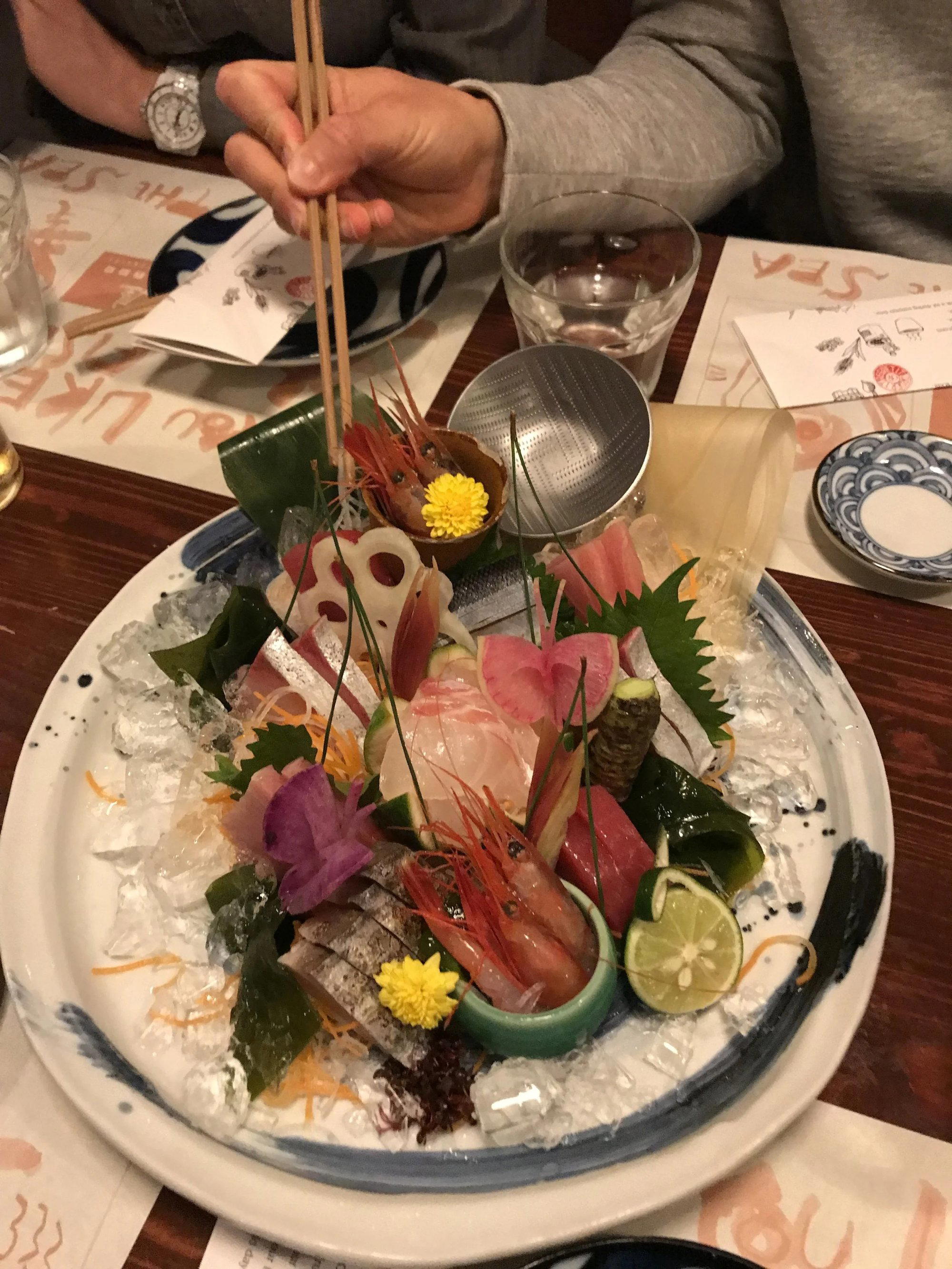
Where Shibuya Meets the Ocean
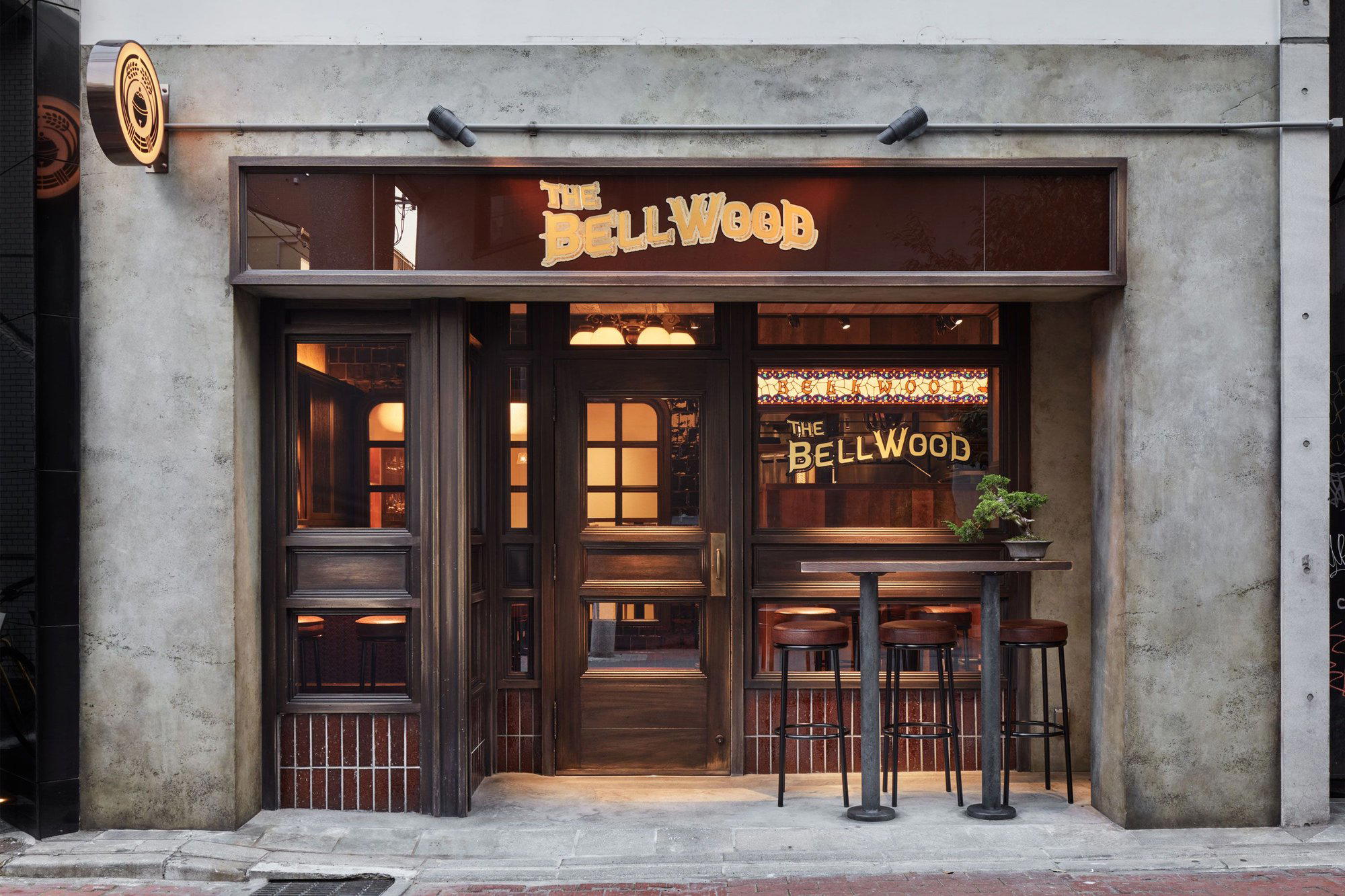
Maruyamacho occupies the quieter, residential-leaning edge of Shibuya, a few minutes from the station's noise but sufficiently removed that the street outside Kaikaya by the Sea carries a different register entirely. The approach is low-key in a way that central Tokyo's higher-priced counters are not: no hushed corridors, no white-glove formality, no architecture announcing ambition before you have eaten a single thing. What you find instead is a room that reads as genuinely relaxed, with surf and sea imagery threading through the interior in a way that signals the kitchen's preoccupation before the menu does. In a city where dining rooms communicate their seriousness through restraint and ritual, this informality is itself a positioning statement.
The Intersection of Coastal Sourcing and Cross-Cultural Technique
Tokyo's dining scene has spent the better part of two decades absorbing French and European technique into Japanese ingredient-led cooking. Kaikaya applies international method, drawn partly from Western seafood traditions, to Japanese coastal produce, keeping the ingredient central rather than the technique. That approach places it in a small cohort of Tokyo restaurants more interested in provenance than prestige.
This is meaningfully different from the kaiseki tradition, where seasonal ingredients are channelled through a highly codified formal structure. Restaurants like RyuGin and Gion Sasaki in Kyoto represent that codified end of the spectrum, where Japanese produce meets Japanese form at the highest technical level. Kaikaya works from a different premise: the format is more open, the influences more deliberately international, and the formality considerably lower. It is a useful corrective to the assumption that Tokyo seafood dining is synonymous with omakase counters and multi-hour tasting formats.
Tokyo's Seafood Tier Below the Leading Counters
The tier of Tokyo restaurants where serious seafood meets accessible informality is small in a city defined by its proximity to outstanding Japanese fishing grounds. Harutaka and its peer sushi counters price and operate against each other in a bracket that self-selects for a specific kind of occasion. Further down, the city's mid-range options often sacrifice either ingredient quality or technique coherence. Kaikaya sits in the gap that results: a restaurant where the commitment to seafood provenance is genuine without the pricing or formality that accompanies the upper-tier counters.
That positioning has analogies in other cities. Le Bernardin in New York City represents the formal, high-capital end of this intersection between imported technique and ocean-sourced produce. Lazy Bear in San Francisco approaches ingredient-driven cooking from a similarly cross-cultural but more casual angle. What links these examples is a shared conviction that the source material justifies the kitchen's attention, regardless of whether the result is served with ceremony. Kaikaya belongs to that broader conversation about how seafood restaurants establish credibility without relying on tasting-menu architecture to do it for them.
Japanese Coastal Produce in a Global Framework
Japan's fishing industry supplies particularly carefully graded and geographically specific seafood in the world, with regional designations for species like buri, aji, and various shellfish carrying real meaning in terms of flavour profile and handling. The country's coastal prefectures supply Tokyo's leading kitchens across multiple cuisine categories: what arrives at a kaiseki counter in the Ginza district may share a supplier with what appears at a Western-technique kitchen in Shibuya. The differentiator is what happens to the ingredient once it arrives.
Kitchens applying international seafood technique to Japanese coastal product occupy a niche that rewards specific knowledge: understanding how, say, a firm-fleshed Pacific fish responds to preparations developed for North Atlantic species, or how the fat content of seasonal Japanese yellowtail interacts with European sauce traditions. That knowledge base connects Tokyo-based kitchens working in this mode to counterparts at HAJIME in Osaka and Goh in Fukuoka, where the application of cross-cultural method to Japanese ingredients is similarly central to the kitchen's identity. The difference is typically one of register and price tier rather than underlying philosophy.
Regionally focused comparisons extend further across Japan. affetto akita in Akita, Aji Arai in Oita, and Akakichi in Imabari each work with regional coastal produce in ways that reflect their own prefecture's particular fisheries. What distinguishes the Tokyo approach is that the city's restaurants draw from the full range of Japan's coastal regions simultaneously, aggregating the country's seafood diversity into a single kitchen. Kaikaya's address in Shibuya places it in that position, with access to Tokyo's dense supplier network.
Shibuya as a Dining Address
Shibuya's dining identity has shifted considerably as the neighbourhood's redevelopment has added large commercial restaurant floors to new towers, increasing volume while pushing serious independent operators toward the side streets. Maruyamacho, where Kaikaya is addressed at 23-7, retains enough of the older residential character to feel distinct from the main commercial drag. That matters for a restaurant whose identity depends on a certain informality: the neighbourhood supports that register in a way that Ginza or the upper floors of a Shibuya skyscraper would not.
Tokyo's broader restaurant geography groups serious informal dining in areas like this, where rent structures allow kitchens to prioritise ingredient spend over design spend. That economic reality shapes what is possible in a room: a restaurant that commits to sourcing quality at Kaikaya's apparent tier is making a different set of trade-offs than, say, L'Effervescence or Sézanne, both of which operate in the formal upper bracket where room investment and ingredient spend coexist at high cost. The casual format is not a concession; it is how the kitchen stays competitive at its intended price point.
Planning Your Visit
Kaikaya by the Sea is located at 23-7 Maruyamacho, Shibuya, a short walk from Shibuya Station's quieter exits. Timing visits around the peak seasonal transitions for Japanese seafood, particularly late autumn into winter when cold-water species are at their richest, makes sense if the calendar allows. Walk-in availability is more variable than at formal counter restaurants, particularly on weekend evenings.
Peers Worth Knowing
Comparable venues nearby, for context on price, style, and recognition.
| Venue | Cuisine | Price | Notes |
|---|---|---|---|
| Kaikaya by the SeaThis venue — the venue you are viewing | Japanese Seafood Izakaya | $$ | Not listed |
| Ogura (おぐ羅) | Traditional Oden and Yakitori Izakaya | $$ | Nihonbashi |
| Kinozen | Traditional Japanese Sweets | $$ | Kagurazaka |
| Menya Hanabi (麺屋はなび 新宿店) | Taiwan Mazesoba | $$ | Minami Shinjuku |
| Chatei Hatou | Traditional Japanese Kissaten / Coffee Shop | $$ | Shibuya |
| HIGASHIYA man | Traditional Japanese wagashi & manju shop | $$ | Minato |













At a Glance
- Lively
- Cozy
- Trendy
- Energetic
- Casual Hangout
- Date Night
- Group Dining
- Open Kitchen
- Sake Program
- Sustainable Seafood
Current opening hours
- Monday
- 5–10:30 PM
- Tuesday
- 5–10:30 PM
- Wednesday
- 5–10:30 PM
- Thursday
- 5–10:30 PM
- Friday
- 5–10:30 PM
- Saturday
- 5–10:30 PM
- Sunday
- 5–10:30 PM
Hours can change for holidays and private events. Last verified .
Intimate, lively, and casual atmosphere with relaxing seaside feel, well-suited for boisterous chatting and warm hospitality.