
TAIZEN puts Shinjuku Gyoenmae’s quieter side into focus: compact, chicken-led Japanese cooking with Hinai Jidori from Akita, counter seats, tatami seating, and a sake-and-shochu drinking frame. Its 2025 Tabelog 100 selection for chicken cuisine places it in a serious Tokyo category that sits apart from sushi counters and luxury hotel dining.
Pearl is the En Primeur Club membership app — saves, bookings, and concierge access live there. Same editors, same standards.
- Address
- Japan, 〒160-0022 Tokyo, Shinjuku City, Shinjuku, 1 Chome−23−11 御苑メインビル 1F
- Phone
- +81 3-6380-5228
- Website
- tabelog.com
 Saves & bookings on Pearl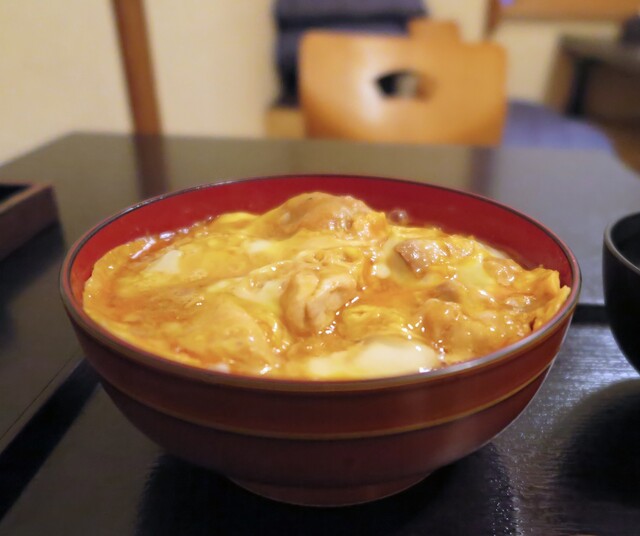
East of Shinjuku Station, the area changes quickly: neon thins, office blocks and residential streets take over, and Shinjuku Gyoenmae becomes a quieter dining zone of smaller rooms, less theatre, and restaurants built for regulars rather than spectacle. In that setting, chicken cuisine has an advantage: it can be precise without ceremony, seasonal without opacity, and intimate without the formality of a full tasting-menu counter.
TAIZEN fits that quieter Tokyo register. Its small room makes format important, with counter seating and tatami seating creating two ways to eat: close to the work, or settled into a slower group rhythm. The category is chicken dishes, Japanese cuisine, and oyako-don, but the stronger editorial point is how this part of Tokyo supports specialist restaurants that do not need Ginza polish or Roppongi volume to carry authority.
Shinjuku Gyoenmae makes chicken cooking feel local, not performative
Tokyo’s premium dining conversation often tilts toward sushi, wagyu, tempura, and French-Japanese tasting menus. Chicken restaurants occupy another lane, measured less by luxury signalling than by sourcing, heat control, rice work, stock depth, and how comfortably the room handles drinking. That is why Shinjuku Gyoenmae matters: close enough to central Shinjuku for access, far enough from the station-front crush for a contained meal.
The restaurant’s 2025 selection for Tabelog 100 in the chicken cuisine category is its clearest public recognition signal. Tabelog’s Hyakumeiten lists are category-specific, and chicken cuisine is a deep Tokyo field spanning yakitori counters, oyako-don specialists, and broader Japanese kitchens. Selection places the restaurant in a peer group judged within its category, not against unrelated luxury formats.
The food identity is anchored by Hinai Jidori from Akita, one of Japan’s noted native chicken breeds. That sourcing point says more than a long menu description: in Tokyo, branded regional chicken signals attention to texture and fat quality, especially when cooking moves between grilled dishes, Japanese small plates, and rice-based comfort. The restaurant also notes seasonal fish and vegetables selected through Tsukiji market experience, broadening the meal beyond poultry without blurring the argument.
For readers mapping the city by category, this is not the same decision as a sushi counter such as Takumi Tatsuhiro, a ramen stop such as RAMEN MATSUI, or an izakaya like Shokudo Wata. It sits closer to Tokyo’s specialist dinner houses, where the subject is focused but the meal can still feel like a neighbourhood evening. That distinction helps when comparing it with broader Tokyo listings in Our full Tokyo restaurants guide.
The room points to a compact, drinking-friendly Japanese meal
Small Tokyo restaurants often reveal intent through seating before the menu does. An 18-seat room, split between eight counter seats and 10 tatami seats, is clearly not high-volume, and the experience shifts by party position. Counter seats suit diners who want a closer view of pacing and preparation. Tatami seats suit longer conversations, shared plates, and the less hurried drinking culture that makes chicken cuisine work well.
The drinks angle is central. Shochu and sake are named parts of the format, placing the restaurant inside a common but under-discussed Tokyo pattern: specialist food rooms that also function as drinking rooms, without becoming loose izakaya. Chicken, especially regional jidori, can carry salt, smoke, broth, rice, and egg in ways that make sake and shochu practical rather than decorative.
Oyako-don in the category listing also matters. In Tokyo, rice bowls can be casual lunch staples or serious exercises in ingredient control. Here, the dish category explains the restaurant’s range: dinner, drinking, chicken sourcing, and the comfort-food grammar of egg over rice. That is more grounded than a chef-driven narrative, and better suited to Shinjuku Gyoenmae’s restrained mood.
Compared with CHEF'S, in a higher dinner bracket, or KEN'S CAFE TOKYO Souhonten, in a different dessert-focused economy, this restaurant reads as a category specialist rather than a status reservation. Nearby Tokyo choices such as 12/10 Shinjuku ten, 2D Cafe, and 3 Chome no Curry Ya San show how fragmented the city’s dining map becomes once the search moves away from grand-category restaurants into neighbourhood-specific cravings.
How to place it in a Tokyo itinerary
Use this address as a Shinjuku-area dinner built around Japanese chicken, not a generic night out. It suits diners who value a compact room, regional poultry sourcing, and a sake or shochu frame. It is less suited to anyone compressing Tokyo dining into familiar trophy formats. Its value is category fluency: chicken as a serious subject, handled in a room scaled for attention.
That makes it a useful counterpoint to Tokyo’s broader eating circuit. A seafood-and-charcoal direction appears at . 鮪と炭火焼き うお炭 秋葉原店, while a yakitori-specific lens appears at 124. KAGURAZAKA (Yakitori). For travellers extending the trip beyond restaurants, the city’s wider planning grid is better handled through Our full Tokyo hotels guide, Our full Tokyo bars guide, Our full Tokyo wineries guide, and Our full Tokyo experiences guide.
Outside Tokyo, the comparison becomes about how Japanese dining categories travel and mutate. Kamakura has beef sukiyaki at -Grilled beef Sukiyaki- KAMAKURA TANUKIAN 鎌倉 たぬき庵 in Kamakura, Osaka has café culture through.cafe in Osaka, Kumamoto’s independent dining register appears at.know in Kumamoto, and Kawasaki’s international everyday dining shows up at (Shoku) Vietnam in Kawasaki. Sapporo’s curry specialization at [Curry Senmon Ten] Maruyama Kyoju. in Sapporo and Kyoto’s contemporary register at [ki:] in Kyoto reinforce the lesson: Japan rewards category-specific planning.
For United States readers tracing Japanese drinking and casual-food formats abroad, Jōdo Saké Bar in Los Angeles and Onigiri Time in Pasadena offer a different context. Tokyo remains the reference point, because a small chicken-focused room in Shinjuku can express sourcing, seating, rice, and drink culture in one compact frame.
Compact Comparison
Comparable venues by cuisine and price in the same metro.
| Venue | Cuisine | Price | Notes |
|---|---|---|---|
| TAIZENThis venue — the venue you are viewing | Not listed | $$ | Not listed |
| Wakana Sushi | Not listed | $$ | Higashi Nagasaki, Traditional Japanese Sushi |
| Shibata | Komae, Classic Tokyo Ramen | $$ | Not listed |
| 傳 | Shibuya, japanese | Not listed | Not listed |
| Ibuki | Shinjuku, Traditional Japanese Sukiyaki | $$ | Not listed |
| Teuchi Shimada | Not listed | $$ | Minato, Udon & soba izakaya with handmade noodles |
Recognition history
Dated appearances from independent guides and award organizations, with the underlying list record or original source where available.
Tabelog 100 #54 · No. 54
Tabelog · Tabelog 100 - Chicken cuisine - 2025











At a Glance
- Cozy
- Intimate
- Classic
- Family
- Group Dining
- Casual Hangout
- After Work
- Private Event
- Chefs Counter
- Private Dining
- Standalone
- Sake Program
- Local Sourcing
- Farm To Table
Current opening hours
- Monday
- 6–11 PM
- Tuesday
- 6–11 PM
- Wednesday
- 6–11 PM
- Thursday
- 6–11 PM
- Friday
- 6–11 PM
- Saturday
- 6–11 PM
- Sunday
- Closed
Hours can change for holidays and private events. Last verified .
A small, relaxed neighborhood restaurant with only 18 seats split between a counter and a tatami room, creating a cozy, classic Japanese atmosphere suited to leisurely meals with friends or family.