
HIGASHIYA man belongs to Tokyo’s precise wagashi culture: small-format Japanese sweets, take-out service, and a Minamiaoyama address that places it near Omotesando’s design and fashion traffic. Its Tabelog 100 selection for Tokyo Japanese traditional sweets and sweets cafes in 2023 gives it a clear trust signal in a category where ingredient handling, seasonality, and restraint matter more than spectacle.
Pearl is the En Primeur Club membership app — saves, bookings, and concierge access live there. Same editors, same standards.
- Address
- 3 Chome-17-14 Minamiaoyama, Minato City, Tokyo 107-0062, Japan
- Phone
- +81 3-5414-3881
- Website
- higashiya.com
 Saves & bookings on Pearl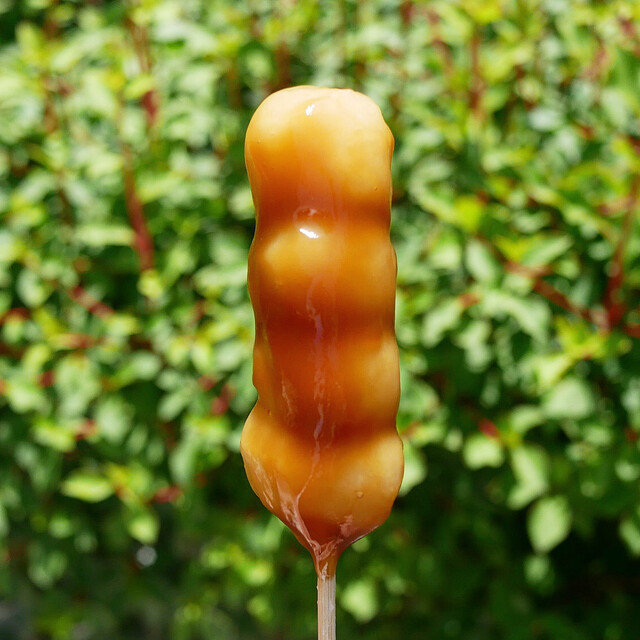
Minamiaoyama changes register quickly: fashion houses, architecture offices, coffee counters, and small food shops sit close enough that a few minutes on foot moves from glossy retail to quiet errand. Here, wagashi works differently from restaurant dining, judged by proportion, wrapping, texture, and timing rather than a long service arc. HIGASHIYA man fits that Tokyo rhythm: a take-out specialty for Japanese traditional sweets, with daifuku among its categories, in a neighbourhood where design literacy and everyday gifting culture overlap.
Tokyo’s serious sweets scene rewards precision. Wagashi is not simply dessert; it belongs to tea practice, seasonal observance, formal gift exchange, and the city’s habit of turning small purchases into discernment. The question is not counter theatre, but whether beans, rice, sugar, and packaging are treated with enough discipline to make a small item carry weight. A compact sweet shop can matter in the same dining day as sushi, soba, yakitori, or a bar reservation.
Wagashi in Aoyama is about sourcing discipline, not restaurant theatre
Ingredient sourcing is the pressure point. Red bean paste, mochi, and seasonal sweets leave little room for correction once texture or sweetness slips. The category depends on agricultural products with clear identities: beans cooked to hold character, rice preparations shaped for softness and structure, and sweetness calibrated to support tea rather than dominate it. In Tokyo, where patisserie, hotel lounges, and department-store counters compete for attention, Japanese sweets keep authority through restraint and repeatability.
HIGASHIYA man’s recognition on the Tabelog 100 list for Tokyo Japanese traditional sweets and Japanese sweets cafes in 2023 places it in a competitive sweets tier, not a casual snack category. Its Tabelog score of 3.69 adds another signal in a market where small rating differences separate destination counters from convenient neighbourhood stops. For travellers, the distinction matters: Tokyo has abundant sweets, but not every shop is built around the same craft, packaging discipline, or gifting fluency.
The take-out format matters. Without a dining room, the product must carry the experience, increasing pressure on handling and timing, especially for rice-based sweets and bean-paste confections that do not behave like shelf-stable souvenirs. The better comparison is not a café table but the Japanese habit of buying something precise for later: for tea at a hotel, for a host, or for a short walk back through Aoyama before the sweet loses its intended condition.
A small-format counter in a city of long meals
Tokyo dining itineraries often run heavy: omakase counters, kaiseki rooms, tasting menus, and late-night bars. A wagashi stop cuts across that structure, sitting between lunch and dinner, replacing a café break, or working as a more culturally specific gift than boxed chocolate. The average spend listed under JPY 999 puts it below the area’s formal dining rooms, but price is not the measure. The editorial value is density: a small purchase can reveal Tokyo’s relationship with season, packaging, and the social role of sweets.
That low-ticket, high-specificity format separates wagashi from the broader Aoyama leisure economy. Nearby comparison points hold different moods: Ristorante Hiro Aoyama sits in a higher restaurant-spend bracket, TOKYO Whisky Library speaks to after-dark bar culture, and BLUE BRICK LOUNGE belongs to a café-and-lounge mode. HIGASHIYA man sits elsewhere, closer to the old Japanese logic of a specialist counter: narrow category, quick transaction, quality judged in small increments.
For a broader Tokyo food day, curation matters. A sweets stop in Minamiaoyama pairs naturally with a wider restaurant plan rather than replacing one. Readers mapping a longer itinerary can cross-reference Our full Tokyo restaurants guide, then use nearby or contrasting formats such as 12/10 Shinjuku ten, 124. KAGURAZAKA (Yakitori), 3 Chome no Curry Ya San, . 鮪と炭火焼き うお炭 秋葉原店, and 2D Cafe to build contrast across the city’s casual, specialist, and counter-led eating styles.
How to place it in a Tokyo itinerary
The Minamiaoyama address, close to Omotesando, makes the shop easy to fold into a design, retail, or gallery day rather than treating it as a standalone expedition. That is the sensible approach. Wagashi is often strongest at the right moment: before tea, as a gift, or as a quiet reset between larger meals. Photography is prohibited inside the store, aligning with the category’s preference for purchase and attention over content production.
Payment flexibility helps international travellers: credit cards, electronic money, and QR code payments are accepted. The shop is non-smoking, private rooms are not part of the format, and parking is unavailable, reinforcing the practical read: arrive on foot or by rail, buy with purpose, and carry the sweets onward. Reservations are listed as available, though format matters more than scarcity. This is a specialist take-out stop, not a lingering café session.
Tokyo travellers can use the same neighbourhood logic beyond restaurants. For overnight planning, see Our full Tokyo hotels guide; for later service formats, Our full Tokyo bars guide; and for broader city programming, Our full Tokyo experiences guide. The broader Japanese and international food map helps set category expectations, from -Grilled beef Sukiyaki- KAMAKURA TANUKIAN 鎌倉 たぬき庵 in Kamakura and [ki:] in Kyoto to.cafe in Osaka.know in Kumamoto, (Shoku) Vietnam in Kawasaki, and [Curry Senmon Ten] Maruyama Kyoju. in Sapporo. For readers tracking Japanese drinking and food culture abroad, Jōdo Saké Bar in Los Angeles and Onigiri Time in Pasadena show how portable Japanese formats change outside Japan. Wine-focused readers can also scan Our full Tokyo wineries guide, though wagashi belongs to a different register of taste: compact, seasonal, and built around ingredient restraint.
The judgment is simple. The restaurant is strongest for travellers who understand that Tokyo’s food culture is not measured only in long bookings and high spend. A small wagashi counter can be just as revealing when the craft is concentrated, the format disciplined, and the purchase belongs to the city’s daily choreography rather than restaurant spectacle.
- freshly steamed manju
- seasonal namagashi (fresh wagashi)
- hitokuchi-gashi bite-size sweets
- monaka
- okoshi
- castella
Cuisine Lens
Comparable venues side-by-side for orientation.
| Venue | Cuisine | Price | Notes |
|---|---|---|---|
| HIGASHIYA manThis venue — the venue you are viewing | Traditional Japanese wagashi & manju shop | $$ | Not listed |
| Kayanoya (茅乃舎) | Dashi Oden Japanese | $$ | Roppongi |
| Satei Zenkashoin Shibuya hikarie ShinQs ten | Kyoto-style Japanese Tea Cafe | $$ | Shibuya |
| Kirimugi Ya Jinroku | Udon and Tempura | $$ | Shinjuku |
| Gekko | Traditional Japanese Izakaya & Bar | $$ | Shinjuku |
| Negishi | Japanese Beef Tongue Grill | $$ | Shinjuku |
Recognition history
Dated appearances from independent guides and award organizations, with the underlying list record or original source where available.
Tabelog 100 #83 · No. 83
Tabelog · Tabelog 100 - Japanese traditional sweets / Japanese sweets cafe - TOKYO - 2023















At a Glance
- Quiet
- Minimalist
- Cozy
- Trendy
- Solo
- Casual Hangout
- After Work
- Family
- Design Destination
- Standalone
Current opening hours
- Monday
- 11 AM–6 PM
- Tuesday
- Closed
- Wednesday
- 11 AM–6 PM
- Thursday
- 11 AM–6 PM
- Friday
- 11 AM–6 PM
- Saturday
- 11 AM–6 PM
- Sunday
- 11 AM–6 PM
Hours can change for holidays and private events. Last verified .
A small, minimalist confectionery with a calm, quietly stylish atmosphere that blends nostalgic Japanese sweets with the refined feel of upscale Minami Aoyama.