Korean Dining in Machida: Reading the Basement Format In Greater Tokyo's suburban dining corridor, the basement-level Korean restaurant occupies a specific and well-understood position. These are not the polished Korean-Japanese fusion concepts...
Pearl is the En Primeur Club membership app — saves, bookings, and concierge access live there. Same editors, same standards.
- Address
- Japan, 〒194-0013 Tokyo, Machida, Haramachida, 6 Chome−11−7 町田風月å ビル B1F
- Phone
- +815038236890
- Website
- hotpepper.jp
 Saves & bookings on Pearl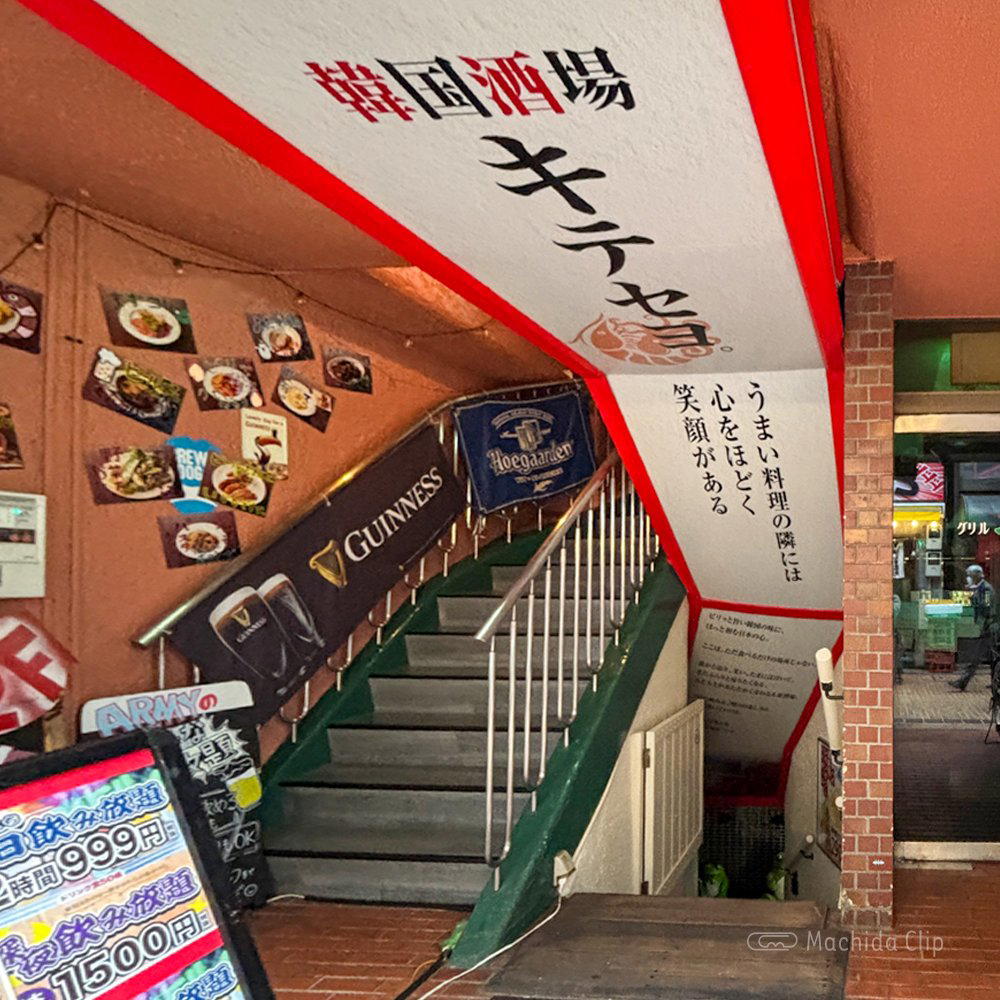
Korean Dining in Machida: Reading the Basement Format
Sakabanakkopusenoten Kiteseyo Machidaten Korean Restaurant is a Korean restaurant in Machida, Tokyo, with. In Greater Tokyo's suburban dining corridor, the basement-level Korean restaurant occupies a specific and well-understood position. These are not the polished Korean-Japanese fusion concepts you find in Shinjuku or the destination-level omakase counters that draw food media to the city center. Instead, they represent a more utilitarian, neighbourhood-facing tradition: cooking that answers directly to a local population that knows what it wants, and returns regularly because it gets it. Sakabanakkopusenoten Kiteseyo Machidaten sits in this category, occupying a basement floor at 6-chome in Haramachida, a district where the dining pattern runs practical rather than performative.
Machida itself sits at the southwestern edge of Tokyo Prefecture, closer in character to Kanagawa than to the Yamanote ring. Its restaurant scene is shaped by commuter density rather than tourist flow, which means particularly durable venues here build loyalty through consistency and value rather than through media attention or awards cycles. For a broader picture of how that plays out across cuisines,
The Sourcing Logic Behind Suburban Korean Cooking
Korean cuisine in Japan occupies a sourcing position that is genuinely different from what you encounter at comparable Korean restaurants in Seoul or in Korean-American dining hubs like New York. The ingredient pipeline reflects decades of cross-strait trade relationships, with Korean-grown chili varieties, fermented pastes, and specific cuts of pork and beef entering Japanese supply chains through specialist importers concentrated in Osaka and Tsuruhashi before filtering outward to suburban operators. What this means in practice is that a basement Korean restaurant in Machida is drawing on ingredients that have traveled a meaningful distance and passed through multiple stages of quality selection before arriving on the prep line.
The fermentation component is worth noting specifically. Kimchi and the broader family of banchan that anchor Korean meal service are not decoration; they are the result of time-dependent microbial processes that no amount of technique can shortcut. Korean restaurants in Japan that take this seriously tend to source their base pastes (doenjang, gochujang) from Korean producers rather than substituting locally made approximations, and manage their fermentation schedules in-house rather than buying pre-fermented product from distributors. The presence or absence of this practice is detectable at the table, though
For comparison with the sourcing discipline applied at the higher end of Japan's dining spectrum, venues like HAJIME in Osaka and Gion Sasaki in Kyoto demonstrate how ingredient provenance becomes an explicit editorial point at the leading price tier. At neighbourhood Korean level, the same principles apply but without the presentation layer.
The Basement Setting and What It Signals
A B1F address in a Japanese commercial building is not incidental. It typically indicates lower rent relative to street-level units, which translates into price headroom for the operator: either lower menu prices, higher ingredient spend for a given price point, or both. The format also tends to self-select for a certain kind of dining experience. Street-level visibility drives walk-in traffic and tourist business; basement placement in a suburban context draws a more committed, return-visit clientele who know the restaurant exists and are coming specifically for it.
The building described in the address data, a structure in Haramachida's 6-chome, places the restaurant within walking distance of Machida Station's commercial core without sitting directly in the highest-footfall retail zone. This is a common position for neighbourhood dining that has developed a local following rather than relying on station-exit impulse visits.
How Machida's Korean Dining Fits the Wider Japan Scene
Japan's Korean restaurant density is unusually high by global standards, a product of historical migration patterns and the deep integration of Korean culinary influence into Japanese everyday food culture. In Tokyo specifically, the range runs from Shin-Okubo's concentrated Korean-town format, where the market is driven partly by K-culture tourism, to scattered neighbourhood operators in suburban areas where the customer base is long-established local residents rather than cultural explorers. Machida's Korean dining tilts clearly toward the latter category.
At the premium end of Korean cooking in the Japanese dining conversation, Atomix in New York City has demonstrated how Korean technique and ingredient philosophy can operate at the highest tier of international fine dining, while domestically, the more studied end of the spectrum intersects with kaiseki influence in ways that venues like Harutaka in Tokyo reflect through their ingredient-first discipline, even across different cuisine categories. Sakabanakkopusenoten Kiteseyo Machidaten operates several tiers below that register, but the underlying question of ingredient honesty is consistent across the range.
Other neighbourhood-scale venues in the broader Kanto and regional Japan context that share a similar positioning logic include Bistro Ange in Toyohashi and Blue Ocean Steak in Nakagami District, both of which operate as locally embedded dining anchors rather than destination-focused venues. The pattern of durable neighbourhood operators sustained by return business rather than media cycles is one of the more reliable indicators of actual cooking quality in Japan's suburban dining tier.
Within Machida specifically, Terra Magica represents a different segment of the local dining market, useful context for understanding the range available to diners based in or passing through the city.
Planning Your Visit
The address places it at 6-chome 11-7 in Haramachida, basement floor, accessible from Machida Station.
Diners exploring the wider region's dining options can cross-reference with akordu in Nara, Goh in Fukuoka, and regional specialists including 一本杉 川島酒造 in Nanao, 夕佳亭桑乃 in Sapporo, 湖鱒亭 in Takashima, 奥羽庵 in Nishikawa Machi, Birdland in Sakai, bodai in 那智勝浦町, and Cafe Naoshima Konichiwa in Naoshima to build a broader picture of Japan's regional dining range.
Side-by-Side Snapshot
Comparable venues nearby, for context on price, style, and recognition.
| Venue | Cuisine | Price | Notes |
|---|---|---|---|
| Sakabanakkopusenoten Kiteseyo Machidaten Korean RestaurantThis venue — the venue you are viewing | Korean Restaurant | $$ | Not listed |
| Machida Shiruba Shio-Ramen Shinka (町田汁場 しおらーめん進化) | Shio Ramen Specialist | $ | Machida |
| Terra Magica | Classic Italian Trattoria | $$ | Haramachida, Machida |
| Korean Dun | Homestyle Korean & Yakiniku | $$ | Chūō |
| 韓国料理あやん | Authentic Korean Home-Style Cuisine | $ | Shimogyo Ward / Minami Ward |
| Ginza Oojuri | Korean BBQ / Horumon | $$$ | Chūō |
Continue exploring
More in Machida
Restaurants in Machida
Browse all →


Bars in Machida
Browse all →




Hotels in Machida
Browse all →



Wineries in Machida
Browse all →
At a Glance
- Elegant
- Casual Hangout
Current opening hours
- Monday
- 5 PM–5 AM
- Tuesday
- 5 PM–5 AM
- Wednesday
- 5 PM–5 AM
- Thursday
- 5 PM–5 AM
- Friday
- 5 PM–5 AM
- Saturday
- 2 PM–5 AM
- Sunday
- 2 PM–5 AM
Hours can change for holidays and private events. Last verified .
Classy atmosphere with cocktails.