
Ginza Oojuri sits in Ginza’s serious yakiniku tier, where Korean barbecue traditions, offal cookery, and Tokyo’s polished dining habits meet in a compact urban room. Its repeated selection for Tabelog’s Yakiniku TOKYO 100 gives it a clear reputation signal, while the setting points to a style of dining built around smoke management, shared pacing, and table-level control rather than chef-counter theatre.
Pearl is the En Primeur Club membership app — saves, bookings, and concierge access live there. Same editors, same standards.
- Address
- Japan, 〒104-0061 Tokyo, Chuo City, Ginza, 4 Chome−8−11 善隣ビル
- Phone
- +81 3-3538-5866
- Website
- ohjuri.gorp.jp
 Saves & bookings on Pearl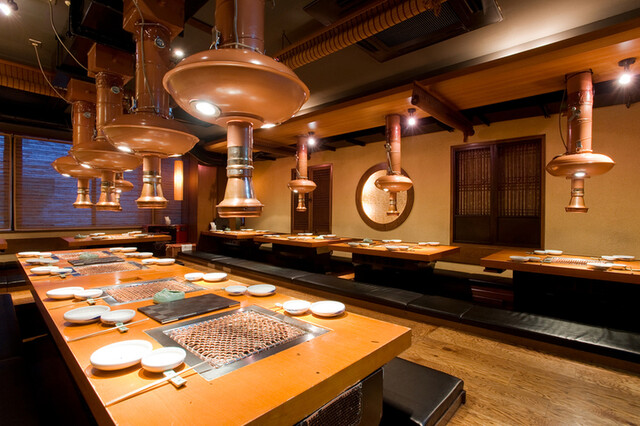
Ginza’s side streets change quickly after dark: department-store brightness gives way to narrow building fronts, elevator lobbies, and restaurants that reveal little from the pavement. Here, yakiniku works because it is both social and architectural. The table is the meal’s engine: a grill set into the room’s rhythm, pulling conversation, timing, and appetite into one small radius.
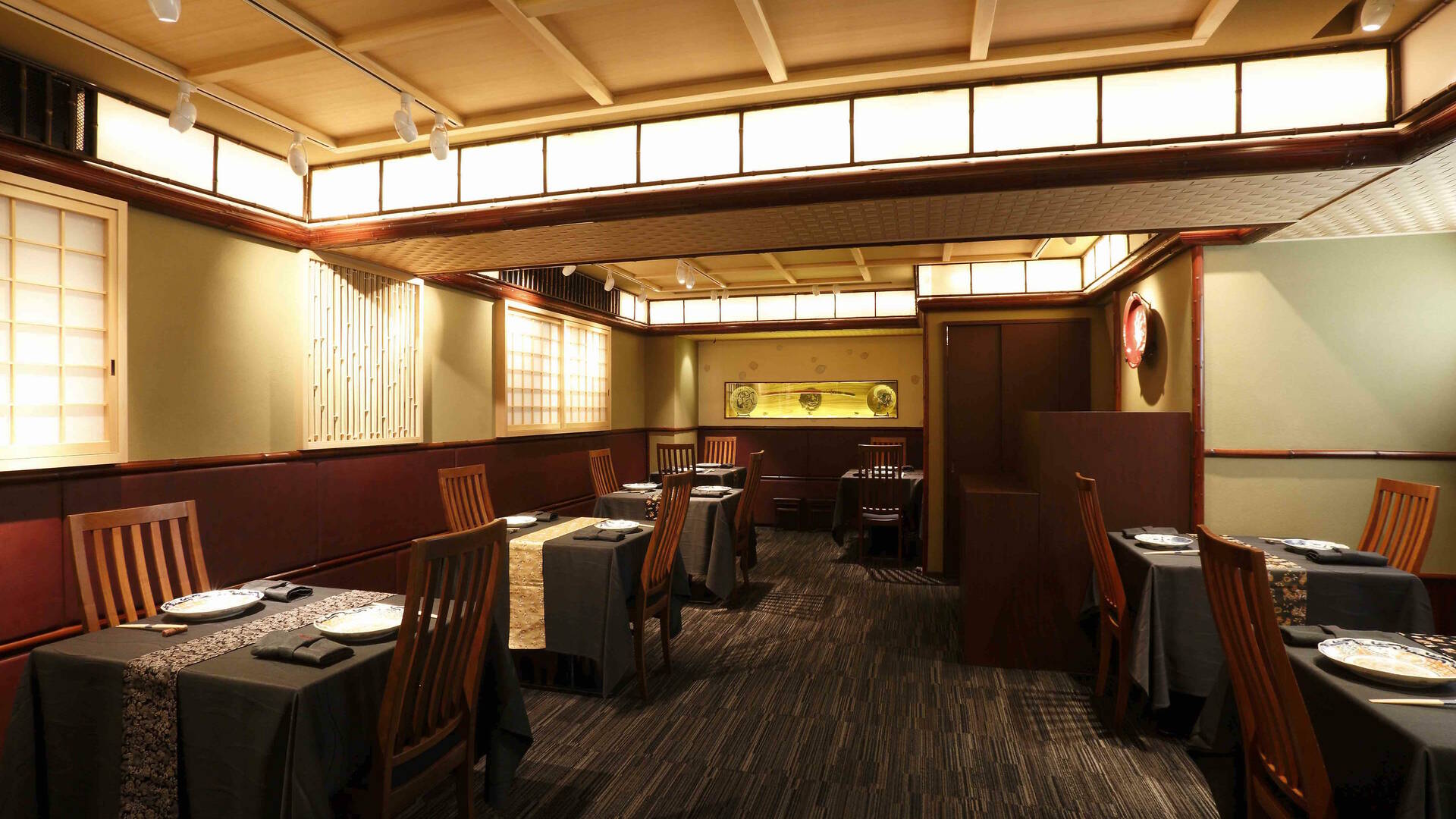
Ginza Oojuri belongs to the Tokyo dining lane where polish does not mean silence. Its mix of table seating, tatami-room cues, and sunken seating places it closer to a controlled group dinner than a chef-led tasting counter. Tokyo luxury is often filtered through sushi, kaiseki, and French-influenced tasting menus, but yakiniku works differently: heat is shared, pacing is negotiated at the table, and design must manage smoke, spacing, and comfort without turning dinner into performance.
Ginza yakiniku as room design, not counter theatre
Yakiniku in Tokyo is a format of proximity. Diners sit close to the grill, decisions happen in short intervals, and the table becomes a working surface. In Ginza, where many restaurants are built around hushed precision, Korean barbecue and Japanese BBQ feel unusually direct. The design challenge is practical before decorative: comfort for a long dinner, separation for conversation, and structure so the room does not collapse into noise and smoke.
Ginza Oojuri’s reputation rests on that balance. Its categories are listed as tripe, Korean, and yakiniku, a useful signal in a district where beef restaurants can tilt toward wagyu display or private-room formality. Offal cookery gives it a sharper identity than generic grilled beef. Tripe and related cuts reward kitchens that understand trimming, texture, and heat, and attract diners not looking for a simplified luxury script.
The trust signal is not vague local fame. The restaurant was selected for Tabelog’s Yakiniku TOKYO 100 in 2025, with earlier selections across several prior years. In Tokyo’s crowded, technically demanding, intensely local yakiniku field, repeated inclusion matters. A Tabelog score of 3.70 places it in a serious bracket for Japan’s user-review culture, where incremental differences carry weight among domestic diners.
That separates it from nearby Ginza alternatives with different purposes. Mikawaya and Nodoguro Senmon Ginza Nakamata sit in a higher dinner spend band, while Chinese Sai Lao Shisen Pyaoshan Ginza mitsukoshi ten occupies another cuisine register at a lower evening range. Bon Bonheur and Coffee Senmon Ten Sanjikken Ginza honten are not format competitors; they show Ginza’s breadth, from pastry and coffee breaks to full dinner rooms. Oojuri’s lane is narrower: meat, offal, Korean barbecue technique, and a room calibrated for group heat rather than quiet ceremony.
The physical grammar of a shared grill
The interior signals are concrete rather than theatrical: non-smoking policy, no private rooms, no private-use format, and 58 seats. Those details shape the experience more than decorative language. A 58-seat yakiniku room needs repeatable systems. Ventilation, table spacing, service movement, and seating types decide whether a meal feels easy or strained. Tatami and sunken seating add a Japanese spatial register to a cuisine with Korean roots, a hybrid physical language Tokyo handles well.
This is why yakiniku resists omakase vocabulary. The meal is not a chef handing over a finished sequence; it depends on shared heat and tableside judgment. For travellers used to Tokyo counters, the appeal is less surrendering control than participating without making dinner work. Good yakiniku rooms make that natural: ordering is modular, grilling creates pace, and the table layout decides how social the evening becomes.
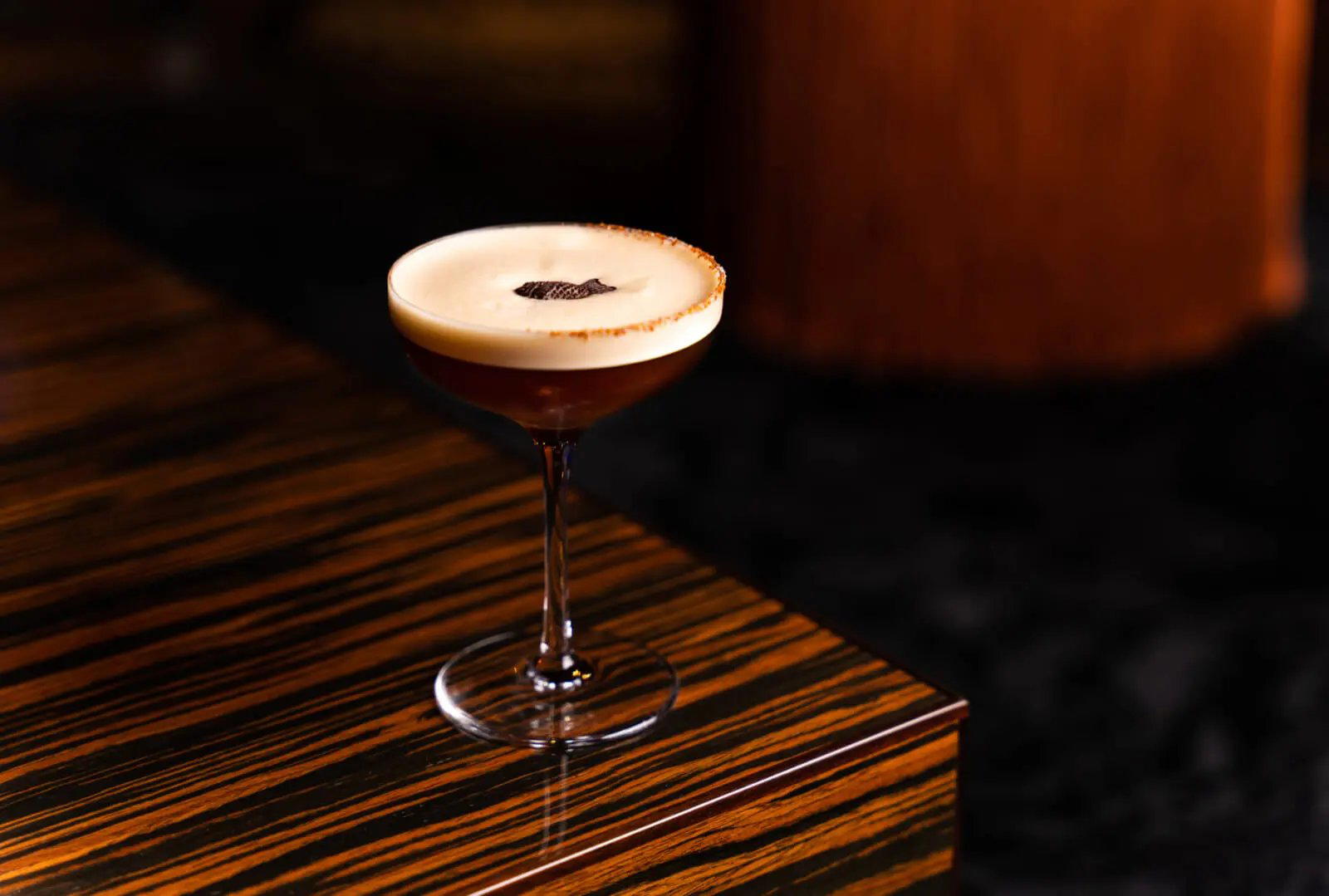
The drinks list follows the format. Sake, shochu, wine, and cocktails are available, placing the restaurant within a modern Tokyo pattern: yakiniku is no longer only beer-first casual dining. Ginza’s higher-spend audience expects range, while the category still rewards drinks that handle fat, char, and seasoning. The result can serve both a serious meat-focused dinner and a looser evening among friends.
Across Tokyo’s broader map, the decision is not simply beef versus seafood or Korean versus Japanese. A visitor might pair this dinner with charcoal-led seafood at . 鮪と炭火焼き うお炭 秋葉原店, yakitori at 124. KAGURAZAKA (Yakitori), or curry at 3 Chome no Curry Ya San. The contrast clarifies Oojuri: not a tasting-menu arc or café design as spectacle, but a meat-and-grill format where room and table carry much of the meal’s intelligence.
Where it fits in a Tokyo eating plan
Ginza is often read as formal Tokyo, but its restaurant culture is wider: department-store dining, old-school counters, basement bars, specialist seafood rooms, coffee salons, and discreet meat restaurants. In that ecosystem, yakiniku works especially well after galleries, shopping, or theatre, loosening the district’s formality without abandoning discipline.
Oojuri is strongest for diners who want Tokyo’s premium dining culture without another quiet counter. The weekday adult-entry note also points to a room aimed at grown-up groups rather than family tourism, an important distinction in Ginza, where restaurants serve office diners, shoppers, overseas visitors, and local regulars in the same narrow window.
The lack of private rooms is part of the story, not a flaw. Yakiniku gains energy from the visible repetition of other tables ordering, grilling, and resetting their pace. Private-room versions can be polished, but often lose the category’s communal charge. Here, the shared dining room keeps the meal connected to Higashi Ginza’s wider evening economy.
For a fuller Tokyo plan, use Oojuri as the meat-focused anchor rather than another fine-dining trophy. The broader city edit sits in Our full Tokyo restaurants guide, with parallel planning through Our full Tokyo hotels guide, Our full Tokyo bars guide, Our full Tokyo wineries guide, and Our full Tokyo experiences guide. For other moods across Japan and beyond, compare it with 12/10 Shinjuku ten, 2D Cafe, -Grilled beef Sukiyaki- KAMAKURA TANUKIAN 鎌倉 たぬき庵 in Kamakura.cafe in Osaka.know in Kumamoto, (Shoku) Vietnam in Kawasaki, [Curry Senmon Ten] Maruyama Kyoju. in Sapporo, [ki:] in Kyoto, Jōdo Saké Bar in Los Angeles, and Onigiri Time in Pasadena.
Same-City Peers
Comparable venues at a glance for context.
| Venue | Cuisine | Price | Notes |
|---|---|---|---|
| Ginza OojuriThis venue — the venue you are viewing | Korean BBQ / Horumon | $$$ | Not listed |
| Takano Fruit Parlour | Japanese Fruit Parlor | $$$ | Shinjuku |
| Chikuyotei (竹葉亭) | Traditional Edomae Unagi and Kaiseki | $$$ | Ginza |
| Sapposentu di Aki | Authentic Sardinian Italian | $$$ | Chūō |
| Yakiniku Itadaki | Kobe Beef Charcoal Yakiniku | $$$ | Chūō |
| Santa Hanten | Chinese Fine Dining | $$$ | Minato |
Recognition history
Dated appearances from independent guides and award organizations, with the underlying list record or original source where available.
Tabelog 100 #83 · No. 83
Tabelog · Tabelog 100 - Yakiniku - TOKYO - 2025


At a Glance
- Classic
- Cozy
- Sophisticated
- Business Dinner
- Group Dining
- Celebration
- Special Occasion
- After Work
- Standalone
- Sake Program
- Beer Program
Current opening hours
- Monday
- 5–10:30 PM
- Tuesday
- 5–10:30 PM
- Wednesday
- 5–10:30 PM
- Thursday
- 5–10:30 PM
- Friday
- 5–10:30 PM
- Saturday
- 5–10:30 PM
- Sunday
- Closed
Hours can change for holidays and private events. Last verified .
Traditional, intimate Korean barbecue setting with a seasoned neighborhood-restaurant feel and a focus on attentive table-side grilling.