
A basement room in Tsukishima gives Tokyo’s Korean-yakiniku crossover a more ritualized register: grill, pour, pause, repeat. Korean Dun suits diners who want the sociability of shared heat rather than the scripted silence of a counter meal, with Tabelog 100 recognition placing it inside the city’s serious Asian and ethnic dining conversation.
Pearl is the En Primeur Club membership app — saves, bookings, and concierge access live there. Same editors, same standards.
- Address
- Japan, 〒104-0052 Tokyo, Chuo City, Tsukishima, 2 Chome−8−12 アズワン月島 B1F
- Phone
- +81 3-3536-6635
- Website
- handung.com
 Saves & bookings on Pearl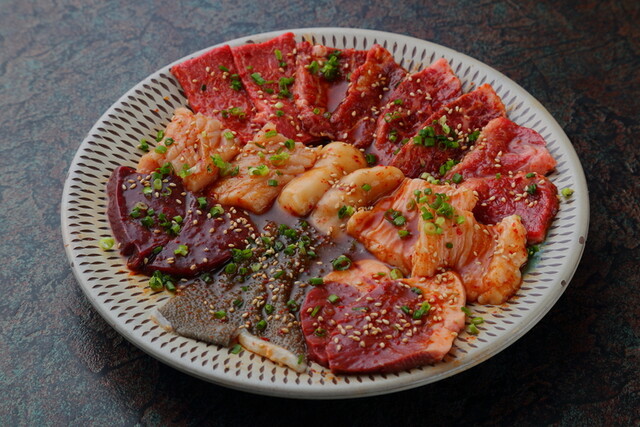
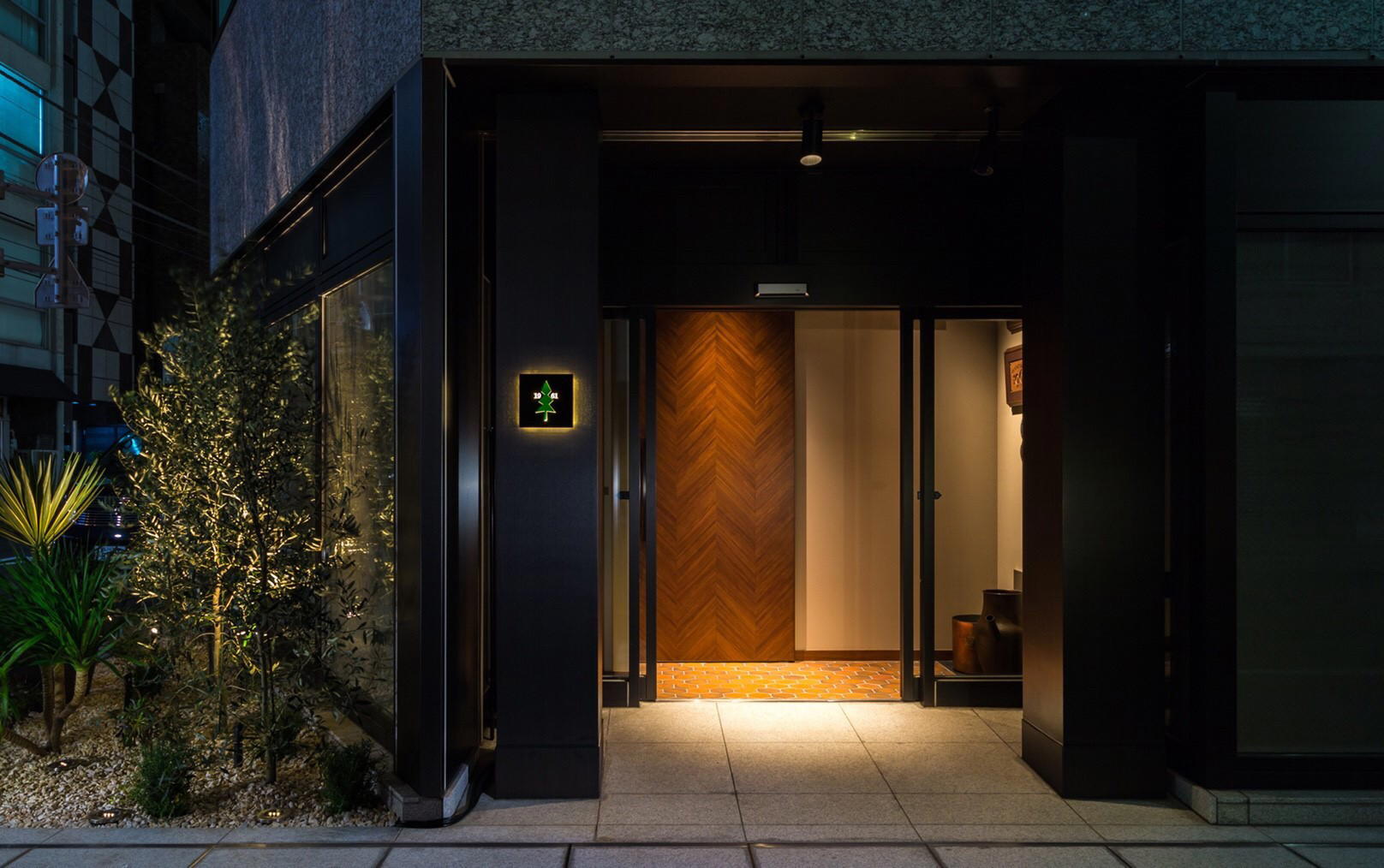
The approach is vertical, not theatrical: down to a Tsukishima basement, away from street-level monjayaki shops and commuter routes. The descent matters. Tokyo’s Korean dining culture often works through compression: heat, smoke discipline, bottles, side dishes, and group timing folded into a room where the table becomes the stage. Korean Dun belongs to that register, pairing Korean cooking with yakiniku grammar without treating either tradition as decoration.
Tsukishima is better known to many travelers for griddle cooking than Korean barbecue, giving this room a different charge. The neighborhood’s rhythm is local, evening-led, and less performative than hotel-adjacent circuits in Ginza or Roppongi. Here, Korean Dun reads as a serious social meal rather than a tasting-menu event: guests gather around shared heat, drinks move with the table, and the meal depends on coordination as much as appetite.
Shared heat, Korean pacing, and the Tokyo grill table
Korean barbecue in Tokyo is not one category. At one end are beef-focused yakiniku rooms built around provenance and cut hierarchy; at another are Korean restaurants where stews, vegetables, grilled meat, and drinking snacks create a longer arc. Korean Dun sits between them. Its categorization as Korean and yakiniku is the clue: the meal is not just ordering meat, but managing rhythm, sequence, and conversation around a grill.
That ritual differs from Tokyo’s counter formats. Sushi and yakitori concentrate attention on the chef’s hand; shared grill dining returns control to the table. The etiquette is quieter than Seoul’s louder late-night barbecue culture, but the logic is related: food arrives in waves, drinks extend the meal, and timing matters. A group that rushes the grill misses the point; one that treats the table as a slow sequence, alternating cooked items with Korean dishes and drinks, gets closer to the form.
The recognition profile says something about Tokyo’s appetite for Asian and ethnic dining. The restaurant was selected for Tabelog 100 in Asian cuisine and ethnic cuisine for Tokyo in 2024, after earlier selections in the same category and in yakiniku. That crossover places the restaurant in two competitive conversations: Korean cooking judged against a broader Asian field, and grilled meat judged against Tokyo’s exacting yakiniku culture.
Comparison defines the tier. Yakiniku Rin operates at a higher dinner bracket, closer to a premium beef occasion. Sakazuki sits lower, nearer an easy drinking-and-eating night. Sakana ya Ajisen occupies a similar dinner band in a different lane, while Kishida Ya represents the city’s more modest comfort-dining tier. The restaurant’s value is not out-luxurying beef specialists; it gives the Korean grill format enough seriousness to stand among Tokyo’s stronger ethnic-dining addresses.
Why Tsukishima changes the meal
Location shapes expectation. A Korean grill room in central Tokyo can become a corporate dinner device, built around private rooms, high-margin beef, and safe ordering. Tsukishima softens that posture. Its reputation for casual griddle meals gives shared cooking neighborhood logic, and the basement setting creates retreat without spectacle.
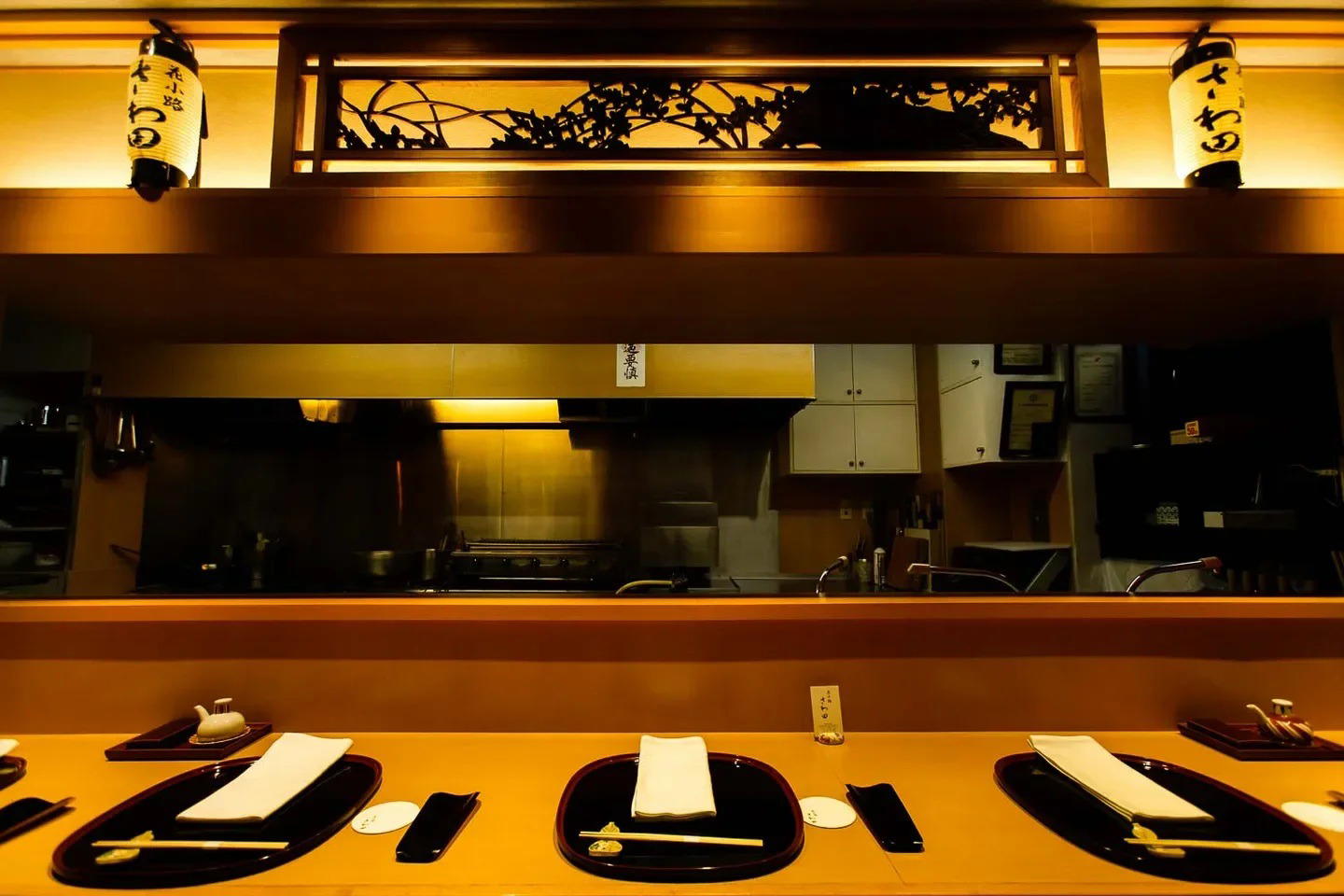
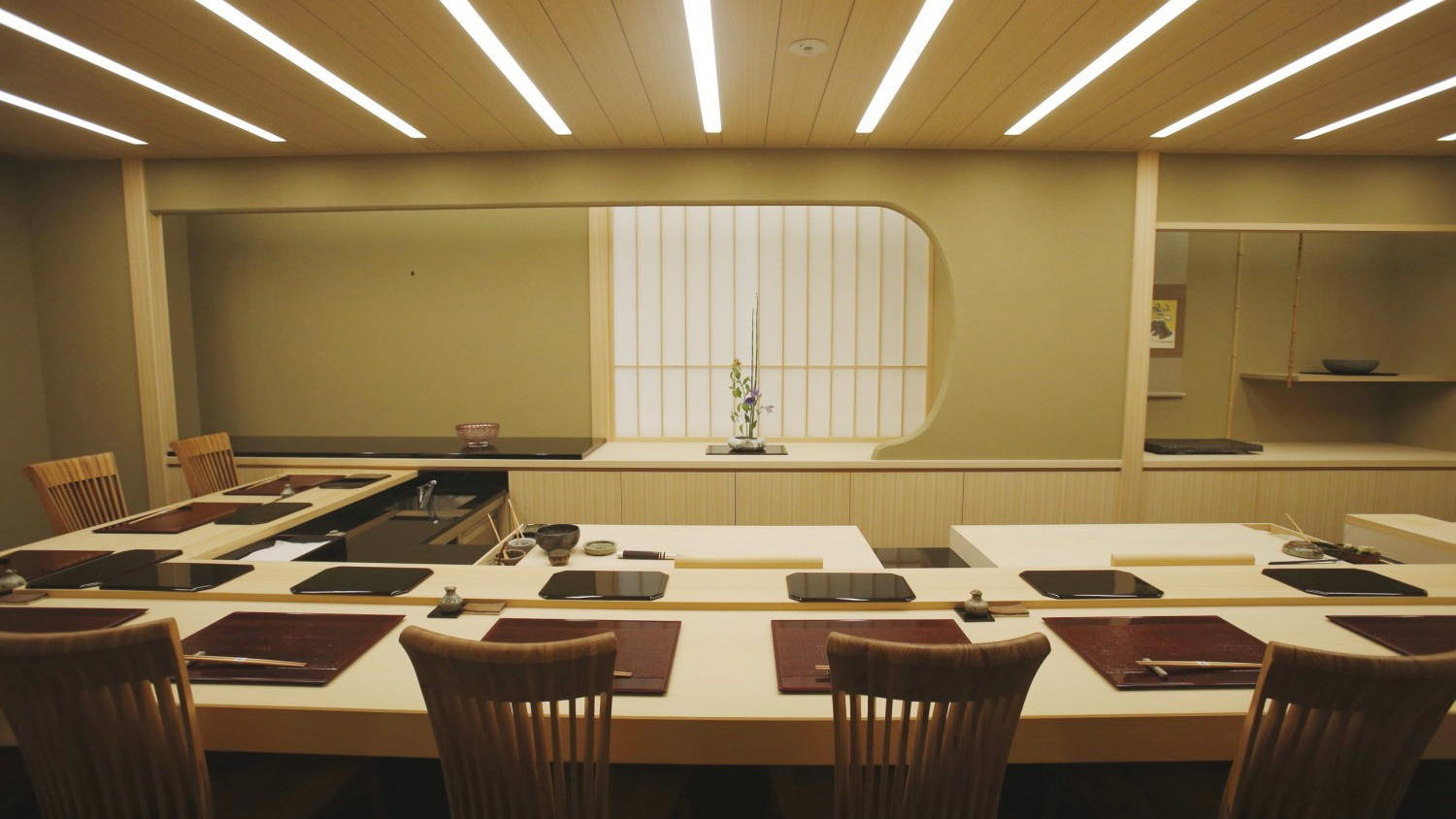
The room supports that reading. Counter seating, couple seating, tatami and sunken seating, and a small raised area allow several meal types rather than one luxury template. That matters for Korean food, where the social unit changes the experience: two diners order with restraint, while larger tables build a broader sequence and let the drinks program do more work. Sake, shochu, wine, and a stated emphasis on shochu keep beverages aligned with Tokyo habits rather than simply importing a Korean template.
The meal is best understood as an evening commitment, not a quick stop. Service allows parties over 2.5 hours, fitting the ritual: grill dining rewards patience, especially when Korean dishes and meat share the table. Book it after a lighter afternoon, not between two other eating plans.
For a wider map of the city’s dining range, use Our full Tokyo restaurants guide. Nearby and category-adjacent contrasts across Tokyo include . 鮪と炭火焼き うお炭 秋葉原店, 12/10 Shinjuku ten, 124. KAGURAZAKA (Yakitori), 2D Cafe, and 3 Chome no Curry Ya San. For planning beyond restaurants, see Our full Tokyo hotels guide, Our full Tokyo bars guide, Our full Tokyo wineries guide, and Our full Tokyo experiences guide.
A useful choice when the table matters as much as the order
The argument for the restaurant is strongest when the diner wants Tokyo precision applied to a communal meal. It is not for those chasing a chef-led narrative, named signature dish, or hushed counter performance. It is better for dates that can handle shared cooking, friends who prefer a longer table, and travelers who want to understand how Korean food has been absorbed into Tokyo’s restaurant habits without losing its group-centered character.
The practical read is simple: plan it as dinner, bring people who enjoy pacing a grill, and treat the meal as a sequence rather than a checklist. The restaurant’s Tabelog score of 3.60 and repeated Tabelog 100 selections provide enough external signal to separate it from casual neighborhood barbecue, while the room and category keep it grounded. That balance is the draw: Korean dining with Tokyo structure, served in a neighborhood where shared heat already feels native.
For broader regional contrasts, compare how beef and shared-format meals appear at -Grilled beef Sukiyaki- KAMAKURA TANUKIAN 鎌倉 たぬき庵 in Kamakura, or how casual Japanese dining shifts at.cafe in Osaka.know in Kumamoto, (Shoku) Vietnam in Kawasaki, [Curry Senmon Ten] Maruyama Kyoju. in Sapporo, and [ki:] in Kyoto. Outside Japan, Jōdo Saké Bar in Los Angeles and Onigiri Time in Pasadena show how Japanese and Korean-adjacent casual formats travel into different dining cultures.
Reputation Context
Comparable venues to anchor price and recognition.
| Venue | Cuisine | Price | Notes |
|---|---|---|---|
| Korean DunThis venue — the venue you are viewing | Homestyle Korean & Yakiniku | $$ | Not listed |
| Akasaka Ichiryu Bekkan | 24-hour Korean seolleongtang & soup house | $$ | Minato |
| Ginza Oojuri | Korean BBQ / Horumon | $$$ | Chūō |
| Cheonggyehwa Honkan | Traditional Korean Yakiniku & Cold Noodles | $$ | Minato |
| Ri Nan Ha Daikanyama ten | Creative Korean & Yakiniku | $$ | Shibuya |
| Yakiniku Korean Cold Noodles Yuchan. | Korean Yakiniku & Cold Noodles | $$$ | Minato |
Recognition history
Dated appearances from independent guides and award organizations, with the underlying list record or original source where available.
Tabelog 100 #5 · No. 5
Tabelog · Tabelog 100 - Asian cuisine / Ethnic cuisine - TOKYO - 2024




At a Glance
- Cozy
- Quiet
- Intimate
- Classic
- Casual Hangout
- After Work
- Solo
- Family
- Standalone
- Local Sourcing
Current opening hours
- Monday
- Closed
- Tuesday
- 5:30–11:30 PM
- Wednesday
- 5:30–11:30 PM
- Thursday
- 5:30–11:30 PM
- Friday
- 5:30–11:30 PM
- Saturday
- 5:30–11:30 PM
- Sunday
- 5:30–11:30 PM
Hours can change for holidays and private events. Last verified .
A small, basement-level Korean restaurant with a calm, homely atmosphere; the space is described as a quiet place to pause during everyday life, with a relaxed, unpretentious feel where guests can unwind and enjoy comforting family-style Korean food.