
A Michelin Plate-recognised Japanese restaurant in Shimogyo Ward, Ryoriya Kanemitsu occupies a converted merchant townhouse where a soaring atrium frames table seating and seasonal cooking grounded in direct relationships with Kyoto's farming communities. The kitchen draws produce from Takagamine and Kamigamo, char-grills seafood over live fire, and plates with a restraint that places it firmly in the mid-tier of Kyoto's serious dining scene.
Pearl is the En Primeur Club membership app — saves, bookings, and concierge access live there. Same editors, same standards.
- Address
- Japan, 〒600-8441 Kyoto, Shimogyo Ward, Shijocho, 368
- Phone
- +81 50-5462-8401
- Directions
- Get directions
 Saves & bookings on Pearl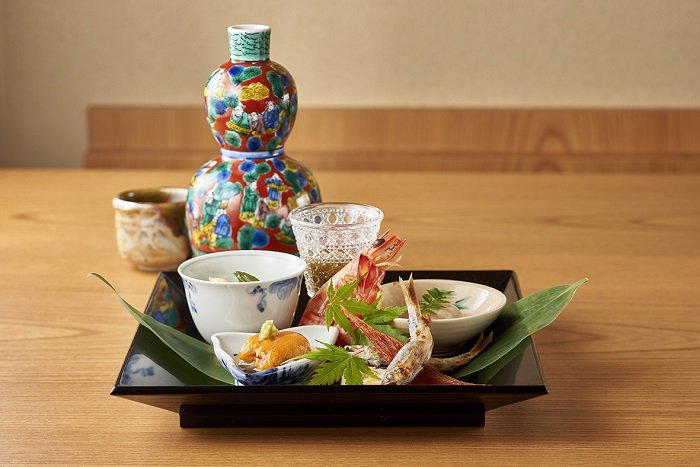
A Merchant House and the Logic of Seasonal Cooking
Kyoto's dining culture is built around a single governing principle: the season determines the plate, not the other way around. This is the foundational logic of kaiseki, the multi-course tradition that evolved from the tea ceremony and now defines the city's upper and mid-tiers of Japanese cuisine. The weight of that tradition falls differently on different kitchens. At the high-spend end, venues like Isshisoden Nakamura and Kikunoi Roan carry it through layers of ceremony and presentation. Ryoriya Kanemitsu operates at the ¥¥¥ tier, which the record places at about $150 per person.
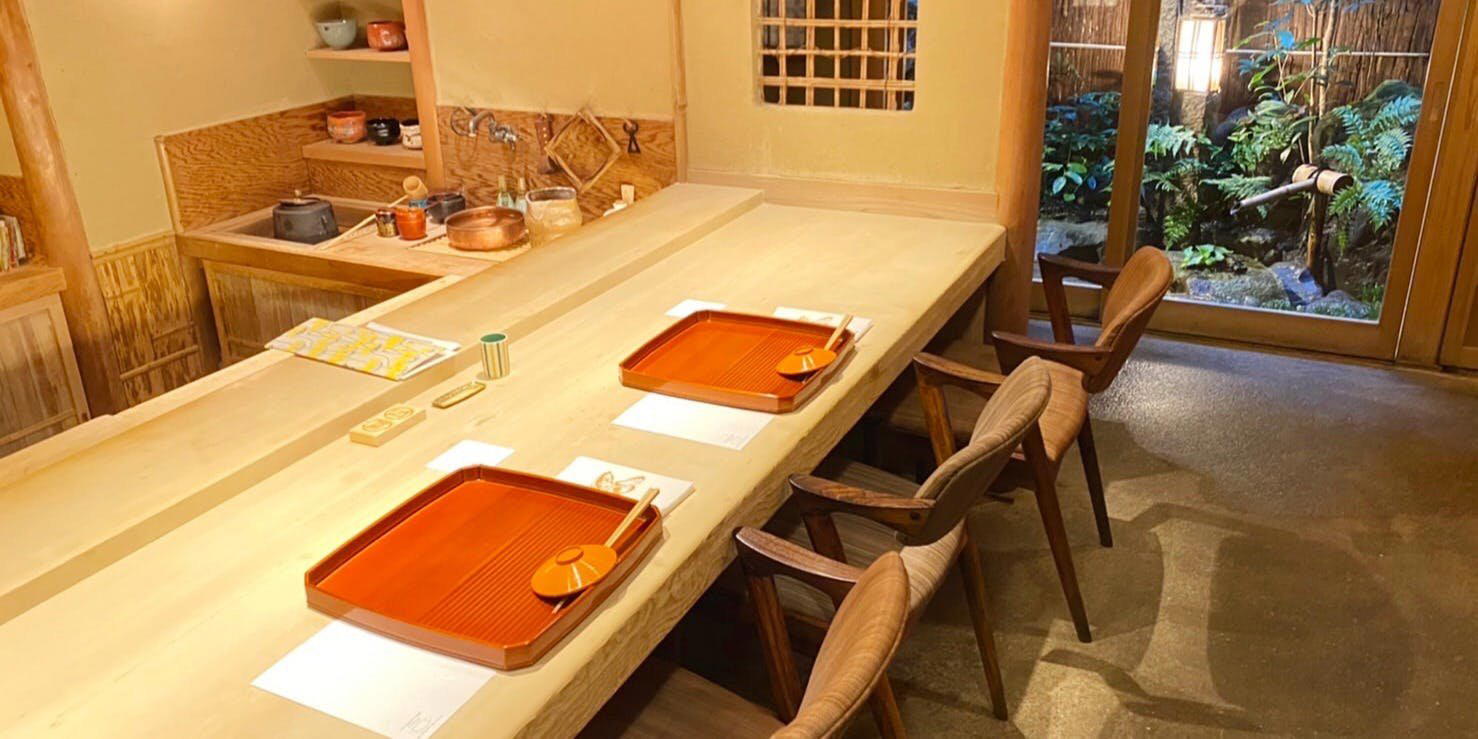
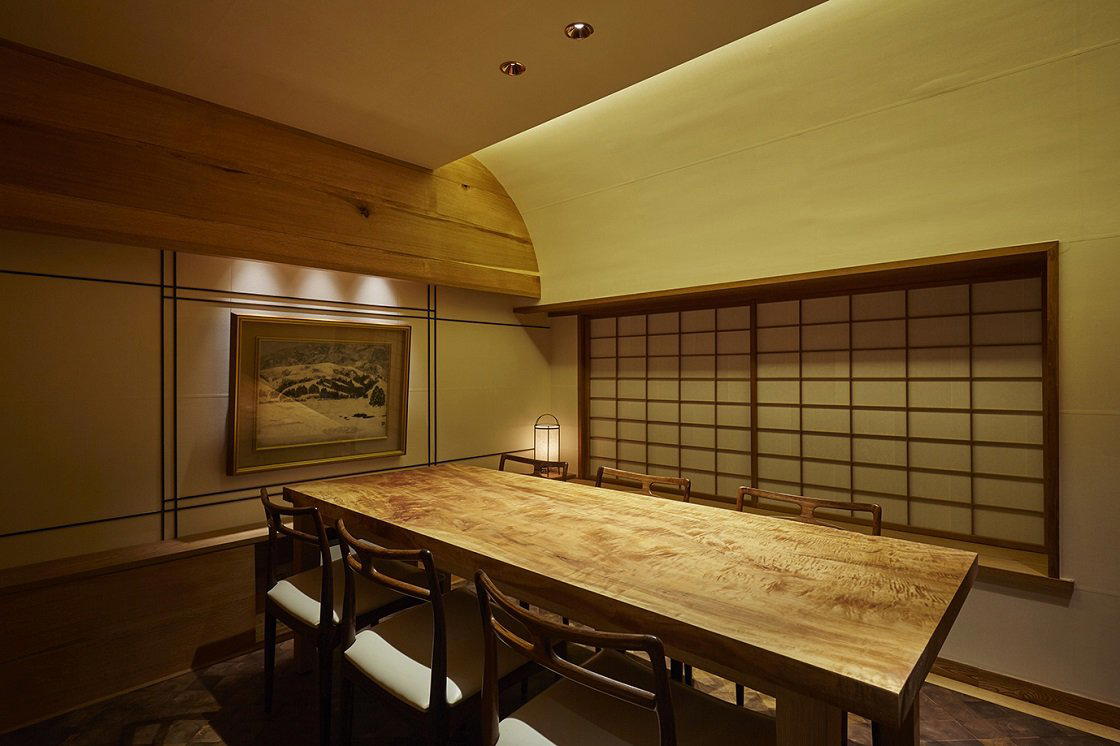
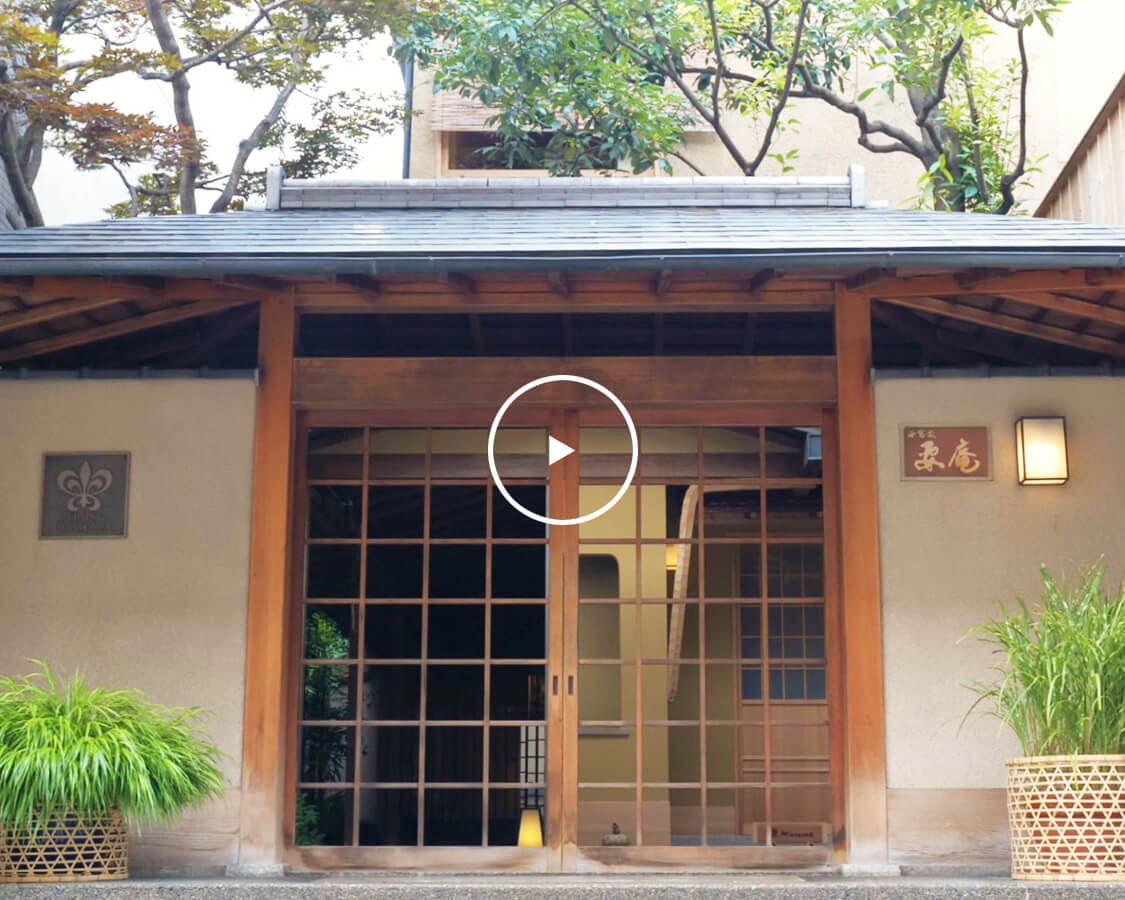
The setting itself carries meaning. The beams of a merchant townhouse, a machiya, frame a soaring atrium above the table seating in Shimogyo Ward, a few streets south of Shijo-dori. The architectural bones of this space belong to Kyoto's commercial heritage, and eating inside one connects the meal to the city's long relationship between craft, trade, and hospitality. Conversation moves across the tables while the kitchen works quietly and with evident focus. The atmosphere reads as engaged without being performative.
How Kyoto's Mid-Tier Seasonal Table Works
The kaiseki format, even in its less elaborate expressions, is organised around the discipline of reading what is available and cooking it precisely. At Ryoriya Kanemitsu, that discipline takes a specific form: the chef sources vegetables directly from Takagamine and Kamigamo, two agricultural areas on Kyoto's northern fringe with long histories of supplying the city's tables. These are not anonymous wholesale relationships. The practice of visiting farmers to assess produce in season is an apprentice-learned behaviour, part of how the kitchen calibrates its menus to what is genuinely at peak rather than what is logistically convenient.
Seafood is char-grilled and accompanied by seasonal vegetables, a pairing that reflects the broader Japanese cooking logic of matching cooking method to protein and allowing garnish to carry the seasonal signal. Presentation across the menu is described as simple, which in Kyoto's culinary vocabulary is not a concession but a statement of confidence. The ability to let an ingredient speak without architectural plating is a harder skill than it appears, and in this city, it is the expected standard rather than an individual stylistic choice.
That restraint in presentation places Ryoriya Kanemitsu in a specific position within Kyoto's wider Japanese dining scene, which also includes technically elaborate kaiseki at ¥¥¥¥ venues like Gion Matayoshi and Kodaiji Jugyuan. The difference is not simply price. It reflects a choice about register: whether the meal is primarily an aesthetic event or primarily a deeply considered feeding. The restaurant sits closer to the latter.
Where Kanemitsu Sits Against Kyoto's Dining Tiers
Kyoto's Michelin coverage at the Plate level functions as a signal of consistent kitchen craft without the price premium of starred restaurants. The record notes Michelin Plate recognition in 2024 and 2025. For a diner working through the city's serious tables, this positions it as a reliable mid-register choice alongside venues like Kenninji Gion Maruyama, where the emphasis is similarly on craft over spectacle.
The ¥¥¥ price point also matters for comparative planning. Venues carrying ¥¥¥¥, including Gion Sasaki and Ifuki, operate at a spend level where the experience is structured around extended formats and premium ingredient sourcing. The restaurant's pricing signals that the approach is edited: fewer courses or a more focused set of ingredients, but applied with equivalent seriousness. For travellers who want to cover multiple serious meals across a Kyoto stay rather than concentrating spend on one occasion, this tier is where the value density runs highest.
Across Japan's broader dining circuit, this kind of grounded, produce-direct Japanese cooking appears at different price registers and in different regional contexts. Harutaka in Tokyo and HAJIME in Osaka represent stronger examples from that spectrum in their respective cities, while venues like akordu in Nara and Goh in Fukuoka illustrate how seasonal attentiveness plays differently across regions. The restaurant is specifically and deliberately Kyoto: its sourcing geography, its architectural setting, and its cooking register are all grounded in this city rather than portable to another.
For Japanese cuisine at different points on the formality and price spectrum, the Tokyo tables offer useful reference: Myojaku and Azabu Kadowaki both demonstrate how kaiseki principles translate into capital-city contexts. The contrast with Kyoto's originating environment makes a visit to the restaurant more legible, not less.
Planning a Visit
The restaurant is located at Shijocho 368 in Shimogyo Ward, Kyoto's central commercial district and within walking reach of Shijo Station. The mid-tier pricing (¥¥¥) places a meal here below the commitment level of Kyoto's most formal kaiseki rooms. Reservations: advance booking is advisable given limited seating in a townhouse setting; check current availability through the venue directly. Budget: ¥¥¥, positioning it below the ¥¥¥¥ kaiseki tier. Location: Shimogyo Ward, central Kyoto, accessible from Shijo and Karasuma stations.
For reference points further afield, 1000 in Yokohama and 6 in Okinawa both illustrate how Japan's serious dining culture extends well beyond the Kansai corridor.
What Should I Eat at Ryoriya Kanemitsu?
The kitchen's focus is modern kaiseki with charcoal grilling and direct sourcing from Kyoto's northern farming districts, particularly Takagamine and Kamigamo. Char-grilled seafood accompanied by market vegetables represents the kitchen's core approach: the cooking method is live-fire, the garnish carries the seasonal signal, and the presentation is restrained rather than architectural. The kaiseki tradition informs the structure without imposing a rigid ceremonial format. Holding consecutive Michelin Plate recognition in 2024 and 2025, the kitchen has demonstrated consistency across seasons, which in this style of cooking is the relevant measure of craft. Arrive with an openness to what is in season at the time of your visit rather than expectations about specific dishes; the sourcing calendar, not a fixed menu, determines what appears on the plate.
A Minimal comparable set
Comparable venues nearby, for context on price, style, and recognition.
| Venue | Cuisine | Price |
|---|---|---|
| Ryoriya KanemitsuThis venue — the venue you are viewing | Japanese | $$$$ |
| Miyagawacho Tensho | Higashiyama, Seasonal Tempura Kaiseki | $$$$ |
| Tsuneya Densuke | Nakagyō, Kyoto Izakaya | $$$$ |
| Nishijin Hashimoto | Kamigyō, Modern Japanese Kaiseki Omakase | $$$$ |
| Kitcho Arashiyama - 京都 吉兆 嵐山本店 | Ukyō, Traditional Kaiseki | $$$$ |
| Kaji | Nakagyō, Seasonal Kyoto Kaiseki | $$$$ |
Recognition history
Dated appearances from independent guides and award organizations, with the underlying list record or original source where available.
Michelin Plate
Michelin
Michelin Plate
Michelin
Michelin Plate
Michelin
Continue exploring
More in Kyoto
Restaurants in Kyoto
Browse all →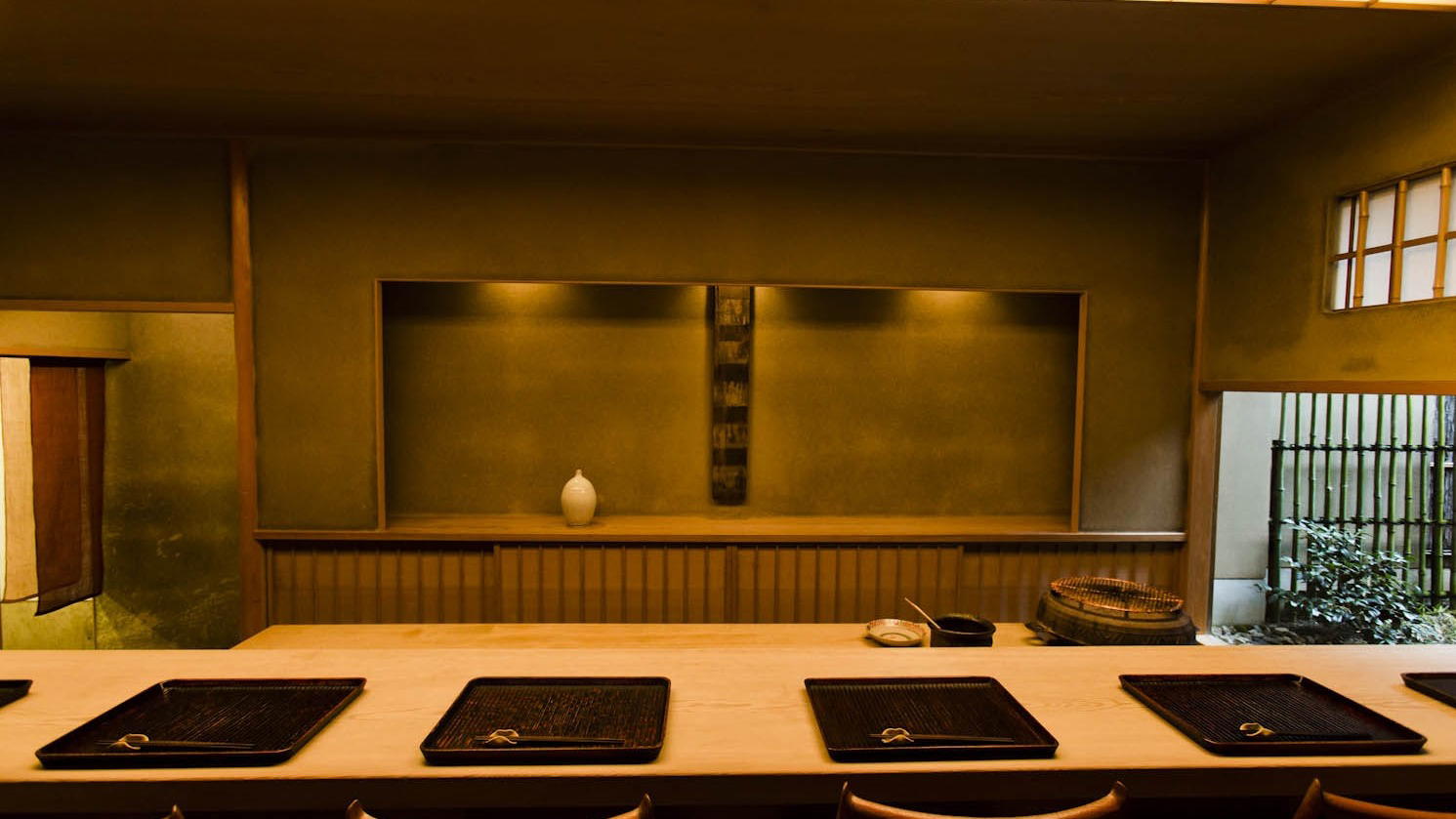
Bars in Kyoto
Browse all →
Hotels in Kyoto
Browse all →
Wineries in Kyoto
Browse all →
At a Glance
- Elegant
- Cozy
- Sophisticated
- Intimate
- Special Occasion
- Date Night
- Open Kitchen
- Sake Program
- Local Sourcing
Current opening hours
- Monday
- 6–10 PM
- Tuesday
- 6–10 PM
- Wednesday
- Closed
- Thursday
- 6–10 PM
- Friday
- 6–10 PM
- Saturday
- 6–10 PM
- Sunday
- 6–10 PM
Hours can change for holidays and private events. Last verified .
Warm, inviting merchant townhouse with soaring atrium, wooden beams, natural materials, airy room that reduces noise and keeps conversations private.