La Liste Top Restaurants · Tabelog Bronze #220
Our verdict
Kitcho Arashiyama holds a position at the uppermost tier of Kyoto kaiseki, with a Tabelog score of 3.89, consecutive Bronze Awards from 2020 through 2026, and 98 points on La Liste 2026. Spread across seven private tatami rooms in the Arashiyama district, the restaurant operates on reservations only, with per-person spend running from JPY 60,000 to JPY 79,999 before a 20% service charge.

Pearl is the En Primeur Club membership app — saves, bookings, and concierge access live there. Same editors, same standards.
- Address
- Japan, 〒616-8385 Kyoto, Ukyo Ward, Sagatenryuji Susukinobabacho, 58
- Phone
- +81 75-881-1101
- Hours
- Mon–Tue 11:30 AM–3 PM, 5–9 PMWed ClosedThu–Sun 11:30 AM–3 PM, 5–9 PM
- Website
- kyoto-kitcho.com
- Directions
- Get directions
- Booking
- Book on TableCheck
The menu
What to order
- Seasonal kaiseki tasting menu
- Kyoto beef with mushroom rice
- Snow crab soup
- Grilled butterfish
- Monkfish liver
Where Arashiyama Becomes the Dining Room
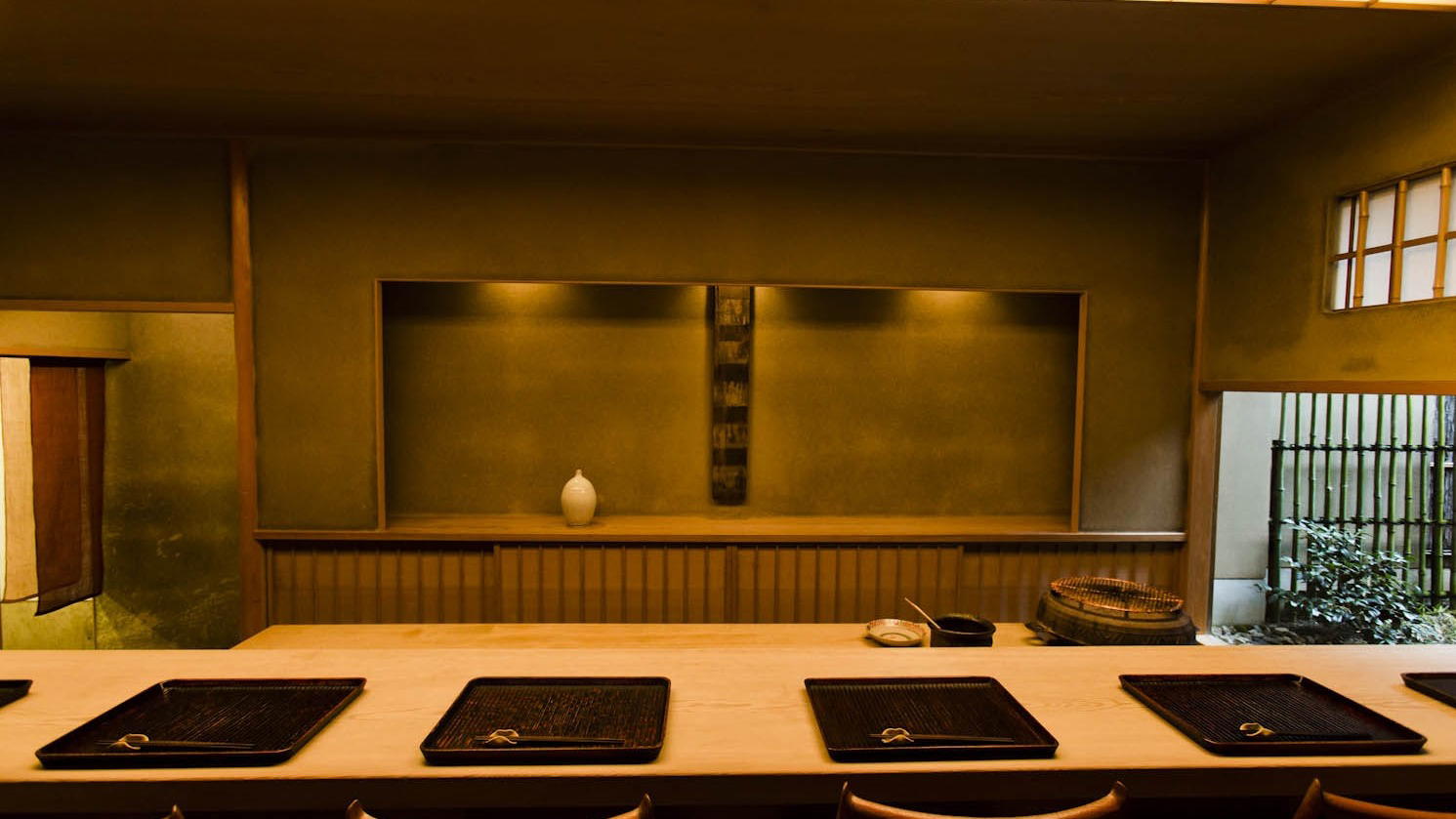
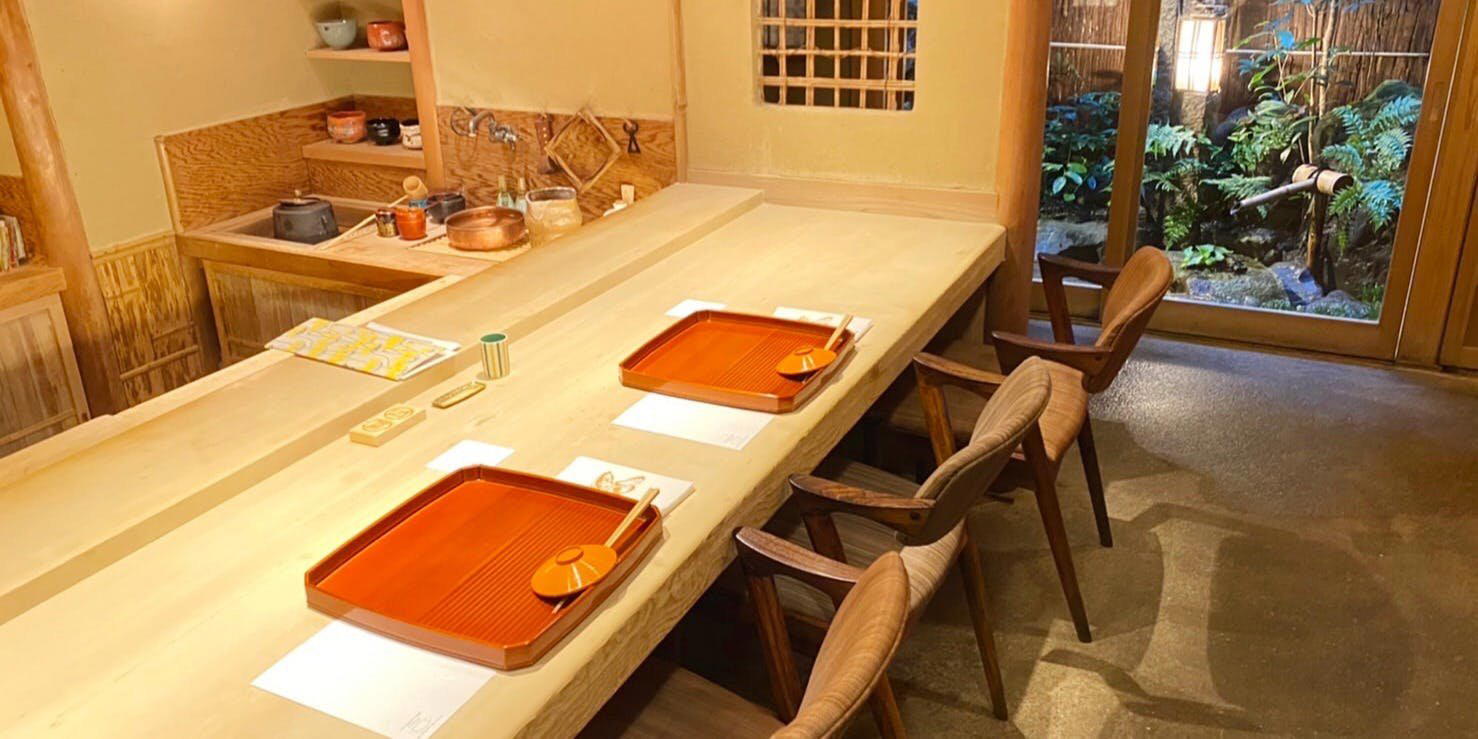
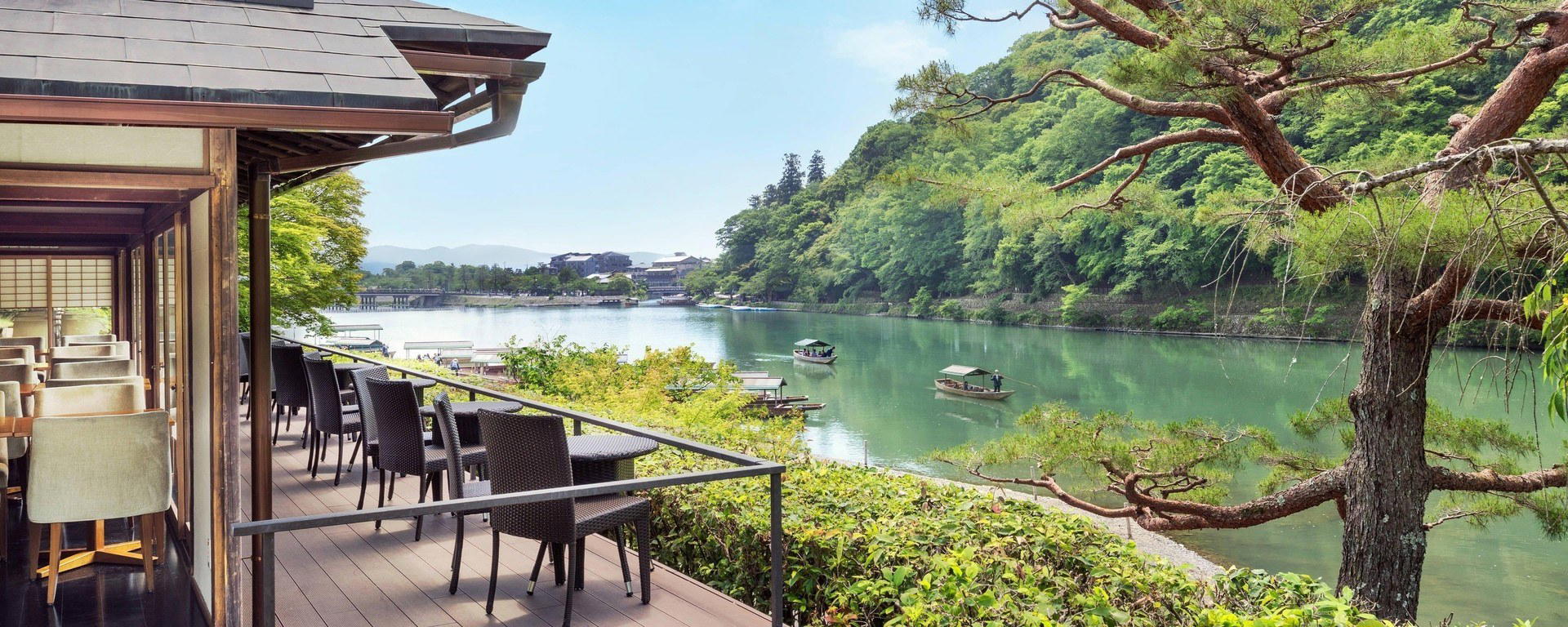
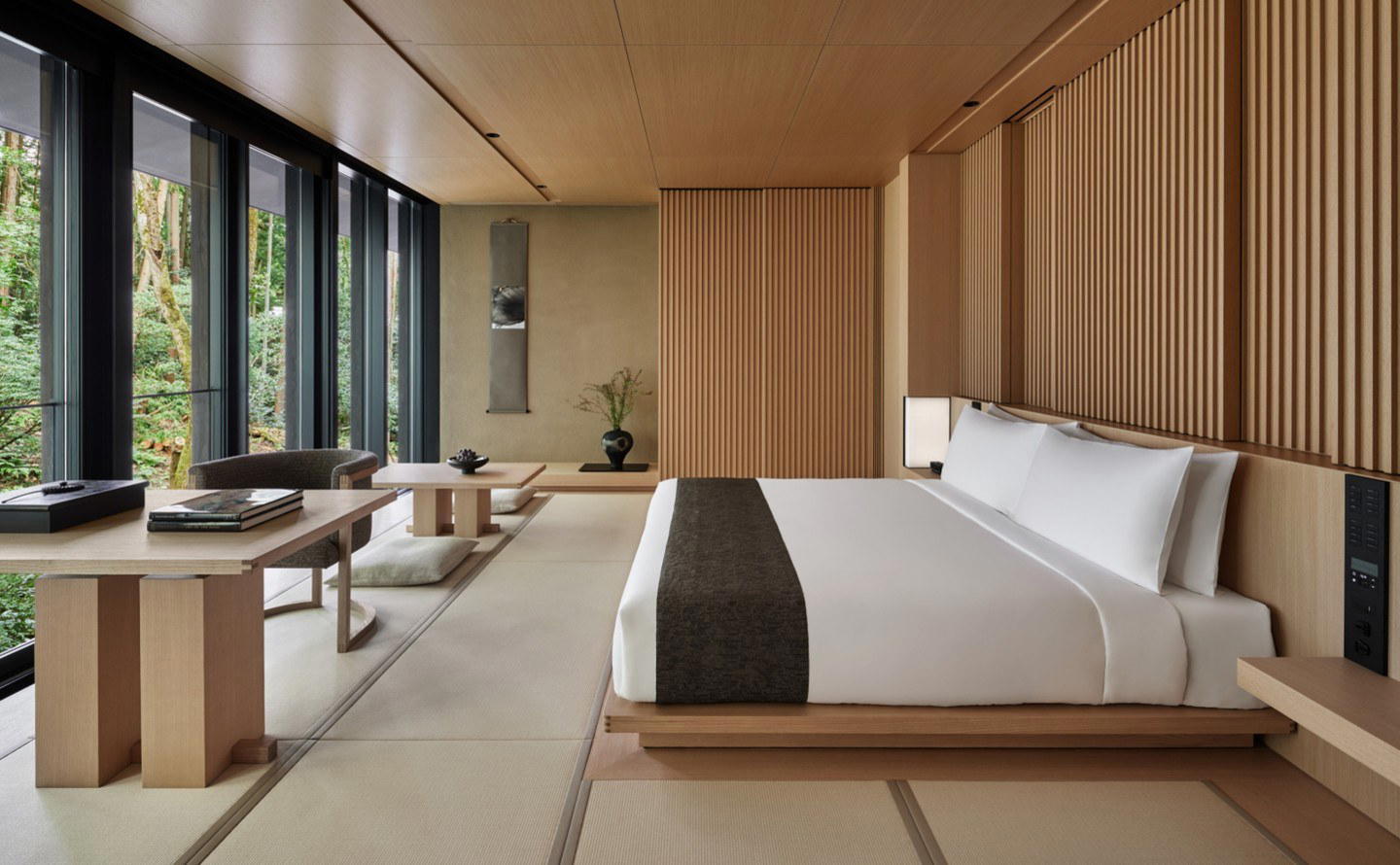
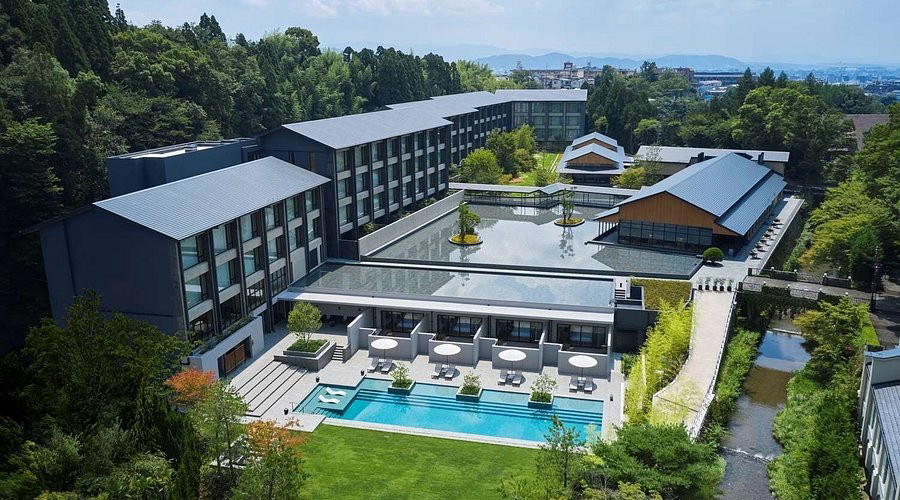
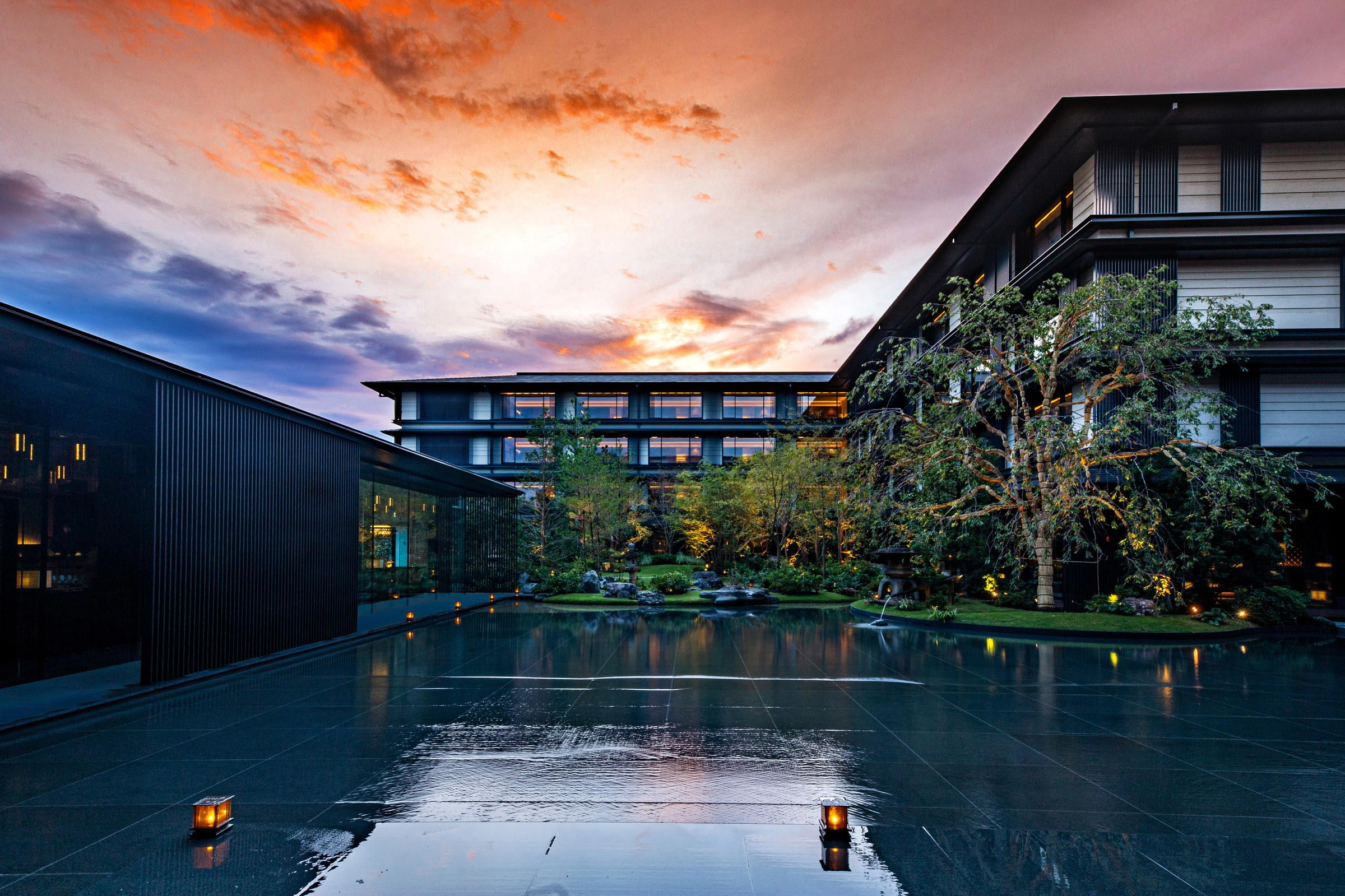
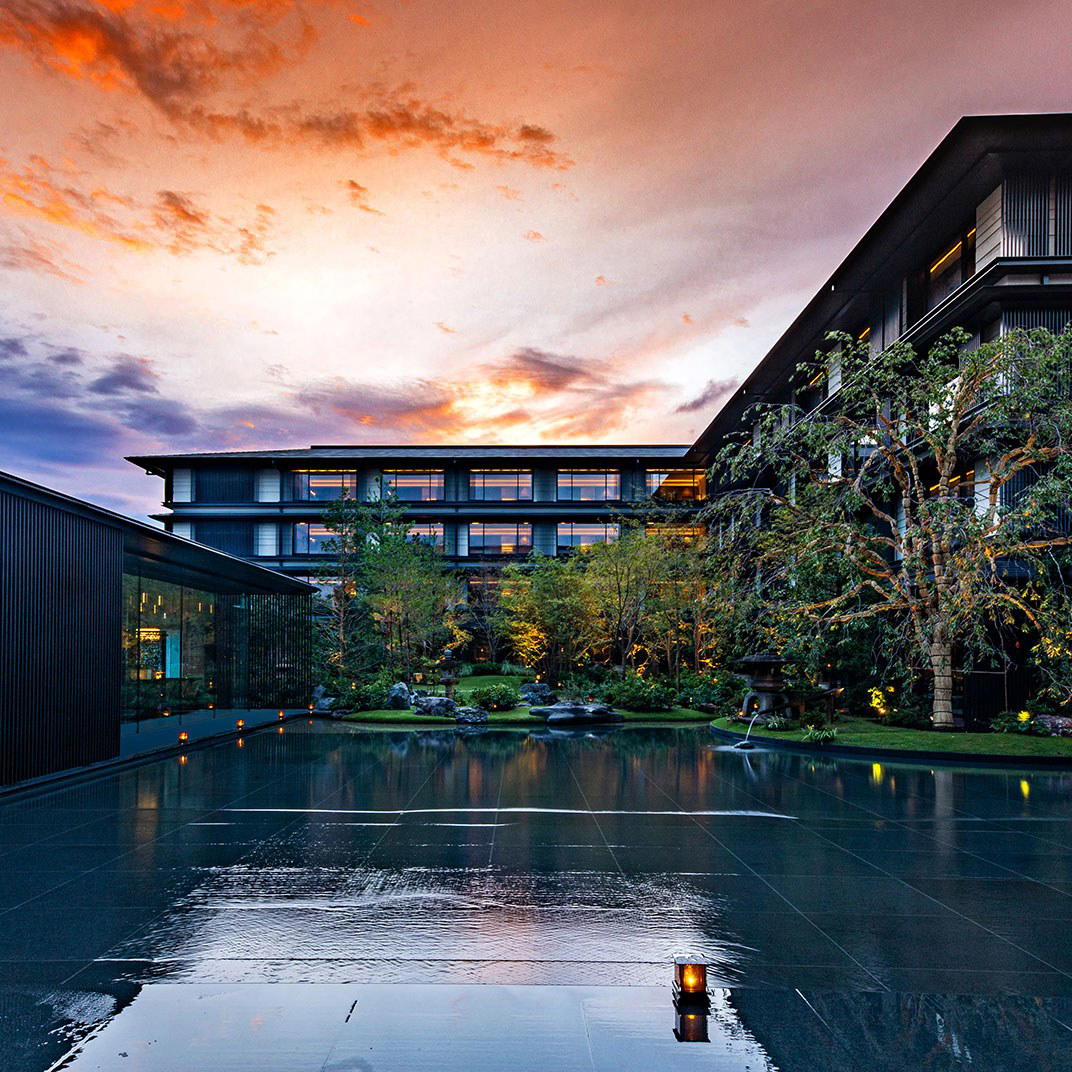
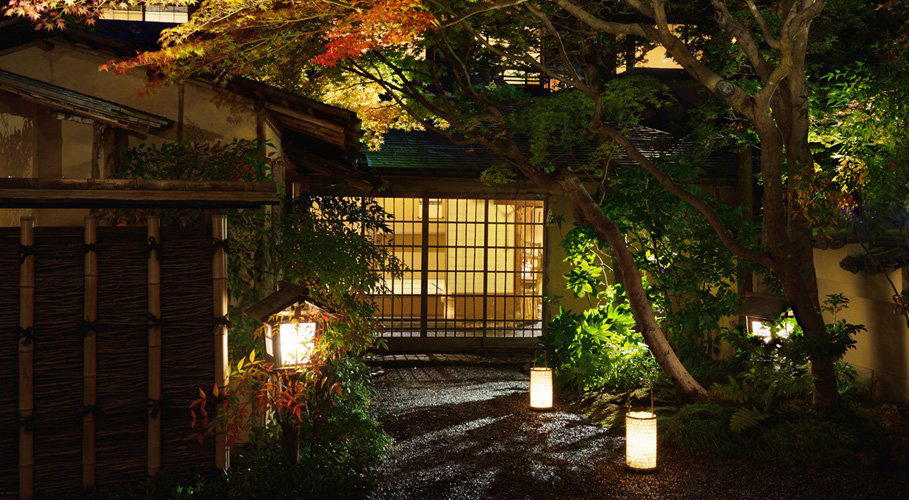
In Kyoto's kaiseki hierarchy, geography carries weight. The city's most formally regarded restaurants tend to cluster in Gion, Higashiyama, and the old merchant quarters near Nishiki, where proximity to temples and traditional machiya architecture reinforces the sense of ritual. Arashiyama operates differently. The district's bamboo groves, the Oi River, and the grounds of Tenryu-ji bring a quality of natural remove that few urban dining settings can replicate, and Kitcho Arashiyama has built its identity around that remove. The property reads less like a restaurant than like a private estate that happens to serve food, its seven tatami rooms arranged so that each faces outward toward composed garden views rather than inward toward kitchen theatre.
This is not incidental. In kaiseki, the physical environment is considered as integral to the meal's progression as the courses themselves. The concept of shun, or seasonal alignment, extends from the food to the ceramics, the garden, the light through a shoji screen at a particular time of year. At Arashiyama, the setting provides a stronger version of that seasonal argument than most Kyoto addresses can assemble.
The Meal as Arc, Not as Event
Kaiseki at this price and credential level is not a format that rewards impatience. The structure, derived from the multi-course progression that evolved from tea ceremony hospitality into a distinct culinary form, moves through a deliberate sequence: sakizuke (opening appetiser), hassun (seasonal platter that sets the tone), soup, yakimono, rice, and dessert, with supplementary courses woven through depending on the chef's seasonal intent. Each stage is paced, and the pacing itself is part of what you are paying for.
Chef Kunio Tokuoka leads the kitchen, operating within a lineage that traces directly to the Kitcho house founded in Osaka in 1930 by Teiichi Yuki, one of the figures most associated with the codification of modern kaiseki. That lineage matters here not as biographical detail but as a frame for understanding what the restaurant is doing structurally: it is working within a deeply established tradition while applying contemporary seasonal precision. The emphasis on fish, noted explicitly in the restaurant's own specifications, suggests the sourcing decisions in the middle courses carry particular weight.
At JPY 60,000 to JPY 79,999 per person before service, the spend aligns Kitcho Arashiyama with the upper bracket of Kyoto's kaiseki market, where it competes against addresses like Gion Sasaki (three Michelin stars), Hyotei, and 祇園 丸山 - Maruyama. That bracket requires justification beyond the food itself, and the estate-style setting, all-private-room format, and Tabelog's sustained recognition across seven consecutive Bronze Award cycles from 2020 to 2026 collectively provide it.
Awards as a Positioning Signal
Kitcho Arashiyama's awards record is both long and consistent. The Tabelog Bronze Award, awarded annually since 2020 through 2026, represents a peer-reviewed recognition by Japan's most widely used restaurant database, where scores above 3.8 place a restaurant in the upper few percent of all listings nationally. The restaurant's Tabelog score of 3.89 and its selection for the Tabelog 100 Japanese cuisine WEST list in 2021, 2023, and 2025 confirm sustained performance rather than a single strong year.
The La Liste ranking adds an international comparative layer: 97 points in 2025 and 98 points in 2026, placing Kitcho Arashiyama among the highest-rated restaurants in Japan on a list that aggregates critical opinion across global sources. For context, La Liste's methodology draws from more than 600 guides and publications, and a score in the high 90s represents a position within the top tier globally, not just regionally.
Within Kyoto specifically, this positions Kitcho Arashiyama alongside a small cohort of institutions that have sustained both domestic peer recognition and international critical regard simultaneously. Restaurants like Isshisoden Nakamura, which draws on a lineage stretching back four centuries, occupy comparable positions in the city's consciousness, though each pursues a different expression of what a kaiseki institution means in the present tense.
The Private Room Format and What It Changes
Fifty-six seats across seven rooms means an average of eight per room, and in practice the rooms accommodate parties ranging from two to twenty, according to the venue's own specifications. This is a structural decision that shapes the entire register of the meal. There is no ambient hum of neighbouring tables, no incidental theatre of watching other diners, no shared open-kitchen viewing. The experience is contained and directed inward toward the party and outward toward the garden.
In Tokyo, high-end kaiseki often adopts a counter format, where the chef's movements become part of the entertainment and the kitchen's process is visible. Kyoto's tradition favours the private room, where the food arrives composed and the attention flows between guests and setting rather than guests and chef. Kitcho Arashiyama commits fully to the Kyoto model. For those arriving from counter-style kaiseki in Tokyo or Osaka venues like HAJIME, the shift in register is significant.
The tatami room setting, on-site parking, and spacious facilities indicate a property designed for arrival by car or private transfer, which fits the Arashiyama location. The district is reachable by train and rickshaw, but the estate character of the property suits a more deliberate approach to arrival.
Drink and Service Considerations
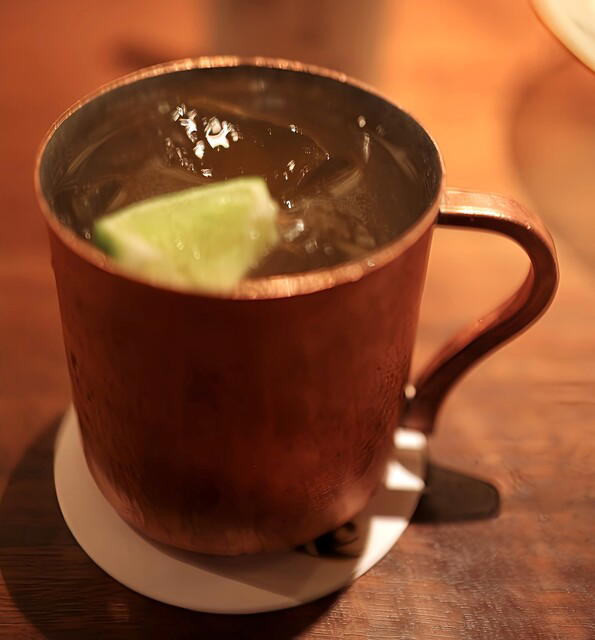
The drinks list includes sake (nihonshu), shochu, wine, and cocktails. A 20% service charge applies, which at this price tier brings the effective per-person cost to the JPY 72,000 to JPY 95,999 range before beverages. Credit cards from VISA, Mastercard, JCB, AMEX, and Diners are accepted; QR code payments are not.
Kyoto's leading kaiseki houses tend to pair most naturally with sake from specific regional producers, and the format here supports that pairing: private rooms allow for a more guided beverage conversation with staff than open dining rooms typically permit. Service charges at this level should be understood as part of the pricing structure, not as a surprise addition.
For reference on comparable formats elsewhere in Japan: Aoyagi in Tokyo and Enowa Yufuin in Yufu each represent distinct regional takes on formal Japanese cuisine at a similar commitment level. Akordu in Nara and Goh in Fukuoka offer points of comparison for travellers building multi-city itineraries through western Japan.
Know Before You Go
- Address: 58 Sagatenryuji Susukinobabacho, Ukyo Ward, Kyoto 616-8385
- Hours: Monday, Tuesday, Thursday, Friday, Saturday, Sunday: Lunch 11:30–15:00 (last order 13:00); Dinner 17:30–21:00 (last order 19:00). Closed Wednesday and year-end/New Year holidays.
- Price: JPY 60,000–79,999 per person (lunch and dinner). Service charge 20% additional.
- Reservations: Reservation only. Phone: +81-75-881-1101. Website: kitcho.com/kyoto
- Payment: Credit cards accepted (VISA, Mastercard, JCB, AMEX, Diners). Electronic money accepted. QR code payments not accepted.
- Rooms: 56 seats across 7 private rooms; configurations for 2, 4, 6, 8, and 10–20 guests.
- Parking: On-site parking available.
- Smoking: Non-smoking throughout.
Frequently asked questions
Who is the chef connected to Kitcho Arashiyama - 京都 吉兆 嵐山本店?
The chef associated with Kitcho Arashiyama - 京都 吉兆 嵐山本店 is Kunio Tokuoka.
What part of town is Kitcho Arashiyama - 京都 吉兆 嵐山本店 in?
Kitcho Arashiyama - 京都 吉兆 嵐山本店 is located at Japan, 〒616-8385 Kyoto, Ukyo Ward, Sagatenryuji Susukinobabacho, 58, Kyoto.
What's the cuisine at Kitcho Arashiyama - 京都 吉兆 嵐山本店?
What kind of recognition has Kitcho Arashiyama - 京都 吉兆 嵐山本店 received?
Kitcho Arashiyama - 京都 吉兆 嵐山本店 has received recognition including: {"Year":"2026","Award Source":"Tabelog","Award Type":"The Tabelog Award","Award Group":"bronze","Award Group Rank":"220","Restaurant Name":"Kyoto Kiccho Arashiyama Honten","Score":"3.89","Budget":"Dinner: JPY 60,000 - JPY 79,999; Lunch: JPY….
Should I book Kitcho Arashiyama - 京都 吉兆 嵐山本店 in advance?
Reservations are recommended for Kitcho Arashiyama - 京都 吉兆 嵐山本店 in Kyoto. Confirm current policy via the venue's official channels.
Fast Comparison
Comparable venues nearby, for context on price, style, and recognition.
| Venue | Cuisine | Price | Awards | Notes |
|---|---|---|---|---|
| Kitcho Arashiyama - 京都 吉兆 嵐山本店This venue — the venue you are viewing | Traditional Kaiseki | $300–500 | La Liste Top Restaurants · Tabelog Bronze #220 | Not listed |
| Kanzan | Kyoto Kaiseki | $200–300 | Michelin Plate | Shimogyō |
| Doujin | Kyoto Kaiseki | $500+ | La Liste Top Restaurants · Tabelog Gold #7 | Sakyō |
| Ankyu | Seasonal Kaiseki | $300–500 | Tabelog Bronze | Higashiyama |
| Masaki | Seasonal Japanese Omakase | $200–300 | Michelin Plate | Nakagyō |
| Tempura Matsu | Modern Kaiseki with Tempura | $100–150 | Michelin Plate · La Liste Top Restaurants | Ukyō |
Recognition history
Dated appearances from independent guides and award organizations, with the underlying list record or original source where available.
La Liste Top Restaurants
La Liste
Opinionated About Dining Top Restaurants in Japan Ranked #78
Opinionated About Dining
Tabelog Bronze #220
Tabelog
Full recognition history (9 entries)
La Liste Top Restaurants
La Liste
Opinionated About Dining Top Restaurants in Japan Ranked #62
Opinionated About Dining
Tabelog 100 #16 · No. 16
Tabelog · Tabelog 100 - Japanese cuisine - WEST - 2025
Tabelog Bronze
Tabelog
Opinionated About Dining Top Restaurants in Japan Ranked #45
Opinionated About Dining
Opinionated About Dining Top Restaurants in Japan Ranked #33
Opinionated About Dining