
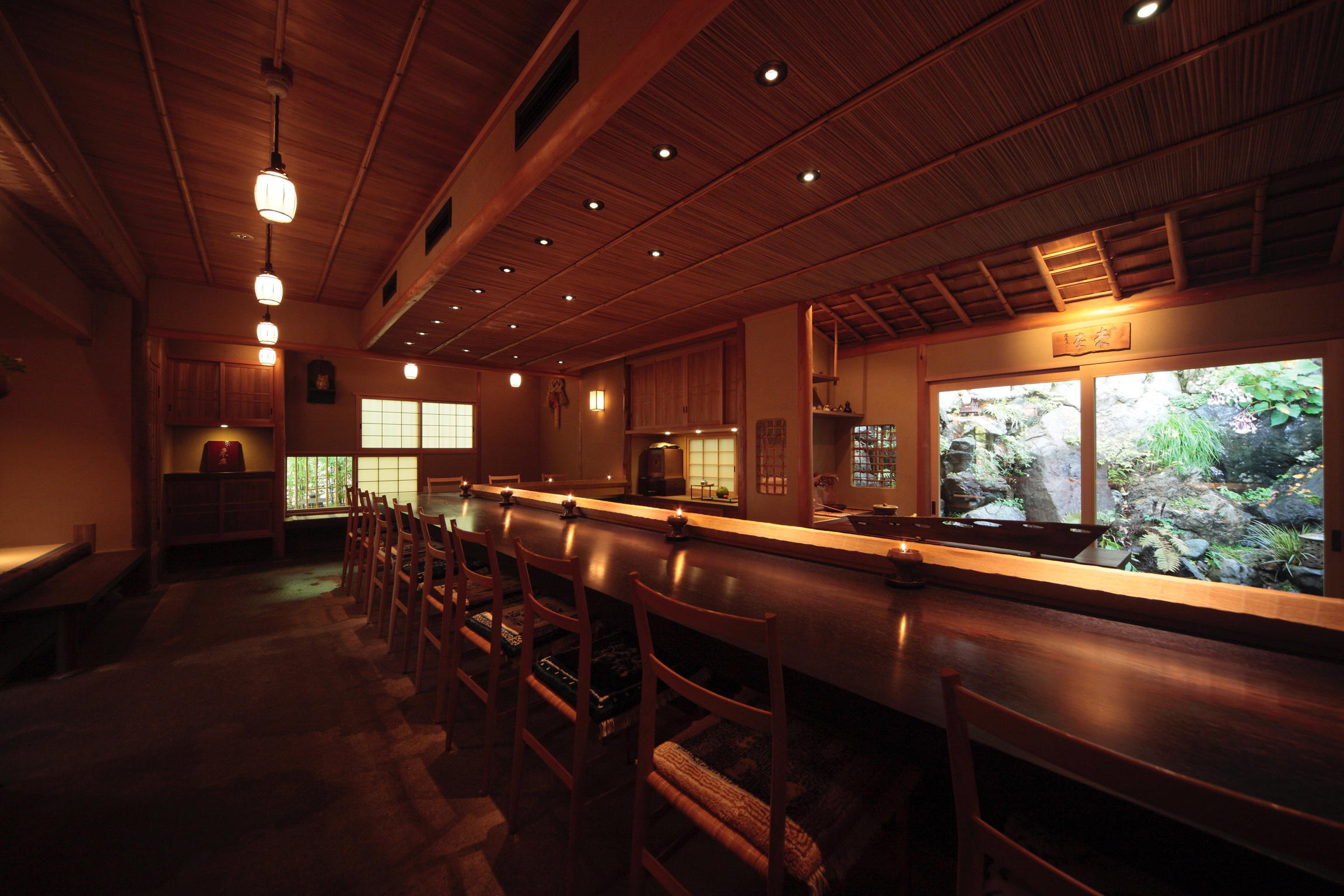
Miyagawacho Tensho serves seasonal tempura kaiseki from a chef’s counter in a historic building, with quiet, formal dinner pacing and a sake program.
Pearl is the En Primeur Club membership app — saves, bookings, and concierge access live there. Same editors, same standards.
- Address
- 4 Chome-300-5 Miyagawasuji, Higashiyama Ward, Kyoto, 605-0801, Japan
- Phone
- +81 90-2043-1093
- Website
- miyagawacho-tensho.com
- Directions
- Get directions
 Saves & bookings on Pearl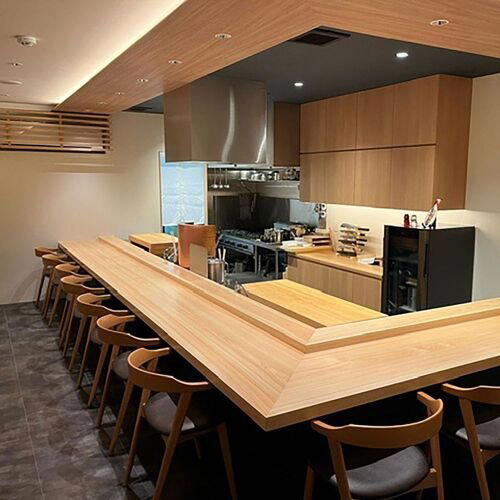
Where Miyagawacho Eats When It Wants Tempura
The street running south from Shijo-dori through Miyagawacho has a particular quality in the early evening: the ochaya lanterns are lit, the stone pavements are still damp from the afternoon's cleaning, and the neighbourhood moves at a pace that resists the tourist circuits a few blocks west. Tensho sits inside this rhythm. The address places it in one of Kyoto's most historic geisha districts, and the clientele reflects that geography. These are not first-time visitors working through a checklist. They are people who already know Kyoto well enough to have stopped explaining it to anyone.
That regulars' tendency shapes what the omakase format delivers here. Tempura counter dining in Kyoto occupies a narrower niche than in Tokyo, where the category runs from department-store lunch sets to three-star counters in Ginza. In Kyoto, the discipline is filtered through kaiseki sensibility: lighter touch, seasonal framing, a preference for restraint over spectacle. Tensho operates within that sensibility, and the menu sequence, sashimi and soup preceding the tempura progression, borrows directly from the kaiseki logic of moving through textures and temperatures before the central act begins.
The Logic of the Menu Sequence
The structure that regulars return for is not simply good tempura. It is the arc of the meal. Opening with sashimi and soup sets a baseline of raw precision and warm depth before a single piece of batter appears. This is a deliberate choice, one that positions the tempura as a continuation of a meal rather than the entire meal, a distinction that separates counter dining of this type from the casual tempura-don shops that crowd the tourist corridors near Nishiki Market.
The frying medium matters in ways that infrequent visitors often miss. Pale soy oil carries a lighter flavour signature than sesame oil blends common at heavier-style Tokyo counters, and the batter here is applied with the minimum weight needed to protect the ingredient rather than to create a shell. The effect, on pieces like shrimp and whiting, is that the protein's own moisture and flavour remains the dominant note. Shrimp and whiting are perennial fixtures, the items regulars have come to expect and against which they quietly measure each visit.
Creative range within that format extends to scallops dressed with caviar, a pairing that places a cold-brine element against the heat of freshly fried seafood, and to the kakiagedon that closes the savory sequence. Kakiage, a mixed fritter of shrimp and vegetables pressed into a single piece and served over white rice, is a format found across Japanese tempura dining, but as a closing statement in an omakase, it functions as a kind of compression: all the flavours of the preceding hour gathered into one bowl. For regulars, this moment is less a revelation than a confirmation, the reason the booking was made again.
Tensho in Its Kyoto comparable set
Michelin Plate recognition for Tensho places it in the category of restaurants the guide considers worth knowing without yet awarding a star. In Kyoto's dense and competitive restaurant scene, this is a meaningful position. The city carries more Michelin-starred restaurants per capita than almost anywhere in the world, and the Plate tier in Kyoto represents serious cooking that hasn't yet crossed into the starred bracket, or in some cases, cooking that operates at a scale and format that the guide's starred criteria don't fully capture.
For comparison, the starred kaiseki tier in Kyoto runs from ¥¥¥¥ operators like Gion Sasaki and Ifuki to the rarefied pricing of Kyokaiseki Kichisen. Tensho's ¥¥¥ positioning makes it more accessible than that tier while still operating in omakase format, which implies a tasting sequence, counter service, and seasonal adaptation rather than an à la carte choice. Among tempura specialists specifically, Tempura Matsu represents the category's depth in Kyoto, while Tenjaku and Gion Senryu sit in nearby districts and serve as useful reference points for how Kyoto handles Japanese counter formats at mid-to-upper price ranges. Kyoboshi and Enyuan Kobayashi extend the picture of Kyoto counter dining at comparable or adjacent price points.
Outside Kyoto, the tempura omakase format appears with different regional inflections. Numata in Osaka reflects the Kansai city's tendency toward slightly richer flavour profiles, while Mudan Tempura in Taipei shows how the Japanese tempura counter format has translated into Taiwan's high-end dining circuit. The comparison is useful: it clarifies that what feels local and specific at Tensho, the neighbourhood, the oil choice, the kaiseki arc, is not incidental. It is the product of a particular culinary geography.
The Neighbourhood as Context
Miyagawacho is the least visited of Kyoto's five hanamachi districts by international tourists, which works in the favour of anyone who wants to eat here without the ambient noise of a sightseeing crowd. The district runs along the eastern bank of the Kamo River between Shijo and Gojo, and its ochaya culture has historically attracted a clientele that values discretion over visibility. That social character filters into the restaurants that have established themselves here. Tensho is not the kind of place that appears prominently in airport bookshop guides to Kyoto. It is the kind of place that appears in a local's list of reliable answers to the question of where to eat well without theatre.
Across the Kansai and wider Japan region, comparable counter dining at different price and format tiers appears at HAJIME in Osaka, akordu in Nara, Goh in Fukuoka, Harutaka in Tokyo, 1000 in Yokohama, and 6 in Okinawa.
Planning Your Visit
| Venue | Category | Price Range | Format | Recognition |
|---|---|---|---|---|
| Miyagawacho Tensho | Tempura | ¥¥¥ | Omakase counter | Michelin Plate 2024, 2025 |
| Tempura Matsu | Tempura | varies | Counter | Kyoto tempura reference |
| Gion Senryu | Japanese counter | ¥¥¥ | Counter | Gion district |
| Tenjaku | Japanese | ¥¥¥ | Counter | Mid-tier Kyoto |
| Ifuki | Kaiseki | ¥¥¥¥ | Kaiseki | Michelin starred |
The restaurant is located at 4 Chome-300-5 Miyagawasuji, Higashiyama Ward, Kyoto. Reservations are essential, and it is open Monday through Saturday from 5:30 to 9 PM, with Sunday closed. The Miyagawacho district is accessible on foot from Gion-Shijo Station on the Keihan Main Line.
What Keeps Regulars Returning
What is the signature dish at Miyagawacho Tensho?
The kakiagedon that closes the savoury sequence is especially discussed element among those who have visited multiple times. A single fritter of shrimp and vegetables, mixed and fried together then served over white rice, it draws together the flavours and textures of the preceding tempura courses into a closing bowl. Earlier in the meal, the scallop pieces dressed with caviar represent the more creative end of the menu, while shrimp and whiting function as the consistent technical reference points against which the chef's frying precision is measured. The 2025 and 2024 Michelin Plate awards acknowledge the kitchen's consistent standard across this format.
Cuisine and Credentials
Comparable venues nearby, for context on price, style, and recognition.
| Venue | Cuisine | Price | Awards | Notes |
|---|---|---|---|---|
| Miyagawacho TenshoThis venue — the venue you are viewing | Seasonal Tempura Kaiseki | $$$$ | Michelin Plate | Not listed |
| Kappo Shinatomi | Kappo | $$$$ | Michelin Plate | Kamigyō |
| Tokumaru | Seasonal À La Carte Japanese | $$$$ | Michelin Plate | Nakagyō |
| Kappo Harada | Traditional Kyoto Kappo | $$$$ | Michelin Plate | Nakagyō |
| Tsuroku | Kyoto Kappo | $$$$ | Michelin Plate | Nakagyō |
| Kitcho Arashiyama - 京都 吉兆 嵐山本店 | Traditional Kaiseki | $$$$ | Not listed | Ukyō |
Recognition history
Dated appearances from independent guides and award organizations, with the underlying list record or original source where available.
Michelin Plate
Michelin
Michelin Plate
Michelin
Michelin Plate
Michelin
Continue exploring
More in Kyoto
Restaurants in Kyoto
Browse all →
Bars in Kyoto
Browse all →
Hotels in Kyoto
Browse all →
Wineries in Kyoto
Browse all →
At a Glance
- Intimate
- Elegant
- Cozy
- Sophisticated
- Date Night
- Special Occasion
- Solo
- Business Dinner
- Chefs Counter
- Historic Building
- Sake Program
- Local Sourcing
Current opening hours
- Monday
- 5:30–9 PM
- Tuesday
- 5:30–9 PM
- Wednesday
- 5:30–9 PM
- Thursday
- 5:30–9 PM
- Friday
- 5:30–9 PM
- Saturday
- 5:30–9 PM
- Sunday
- Closed
Hours can change for holidays and private events. Last verified .
Relaxed and simple space centered around an impressive single-piece hinoki cypress counter, allowing guests to watch the cooking process up close in a traditional machiya townhouse.