

Michelin Bib Gourmand
Our verdict
A Michelin Bib Gourmand recipient in Nakagyo Ward, Kaji sits in the mid-price tier of Kyoto's Japanese dining scene, accessible enough to visit more than once, serious enough to rank among Japan's top 500 on the Opinionated About Dining list. Lunch and dinner service run Tuesday through Sunday, with Wednesday closures the only interruption to a consistent weekly programme.

Pearl is the En Primeur Club membership app, where members save venues, book tables and use the concierge.
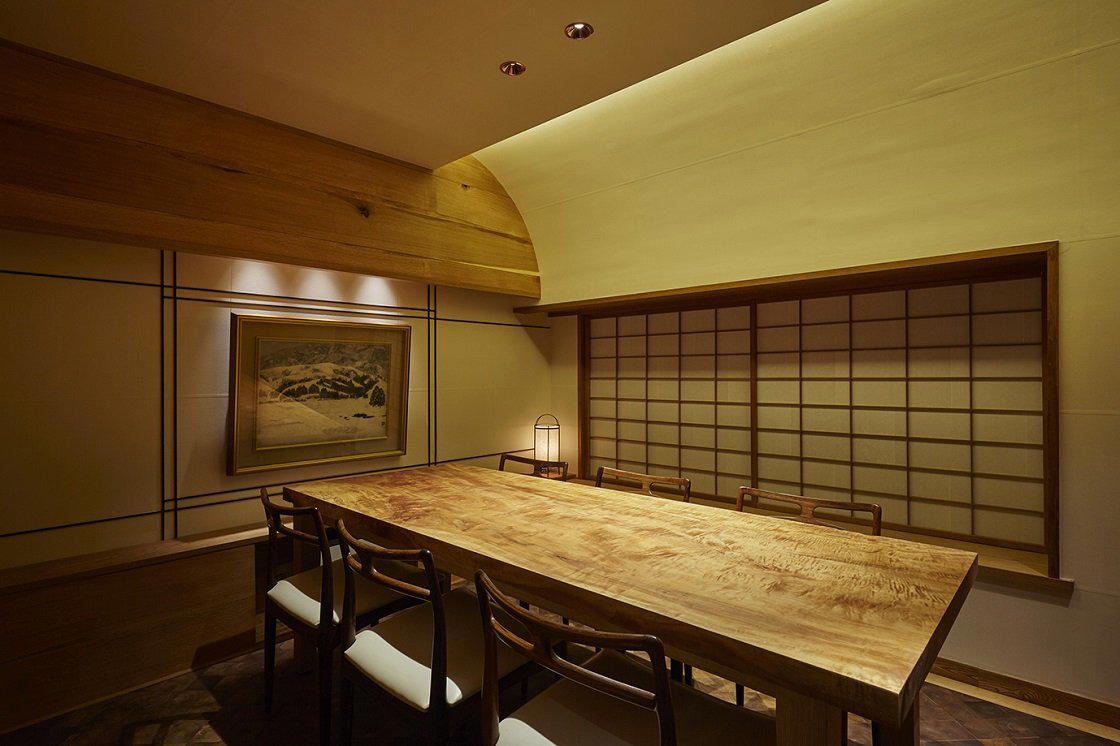
A Room That Sets the Register
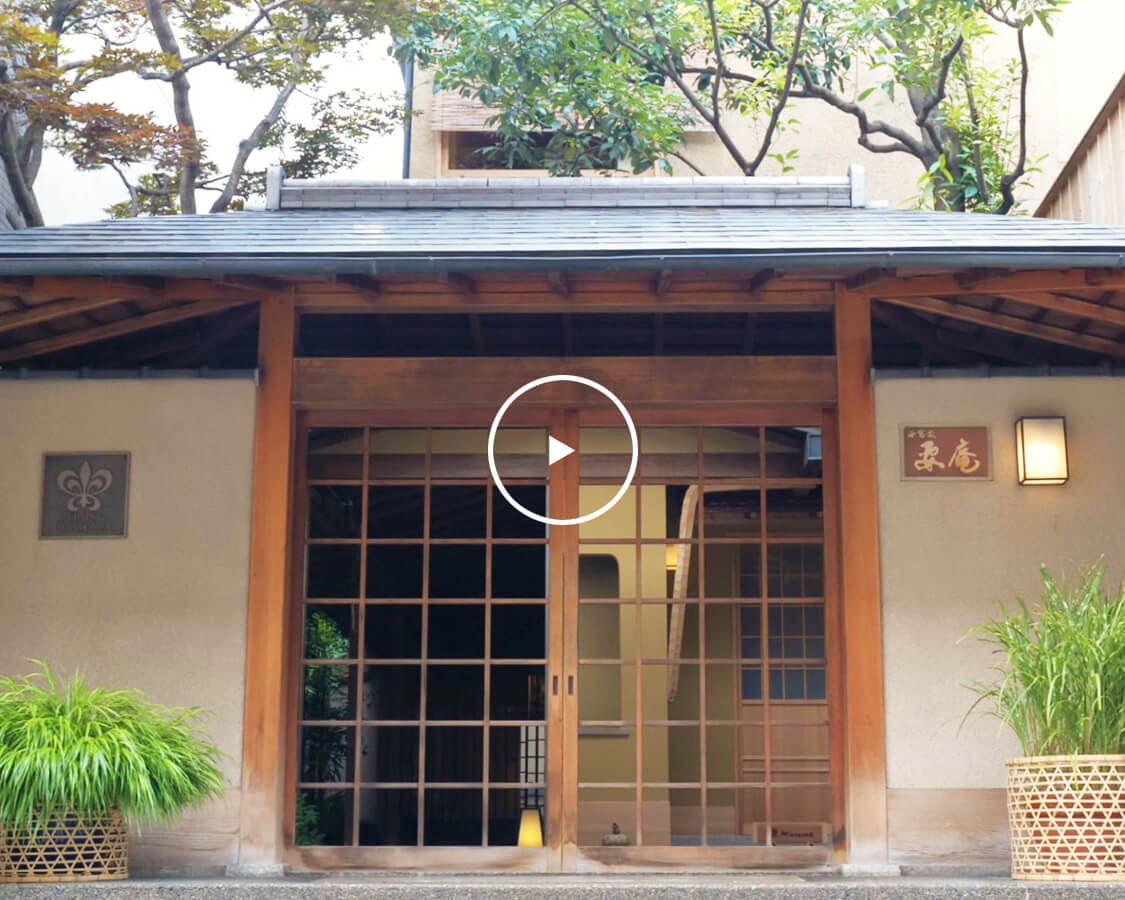
Nakagyo Ward occupies the dense, commercial middle of Kyoto, neither the temple-heavy east nor the preserved machiya corridors of Nishiki. Restaurants here operate in a more functional register than those in Gion or Higashiyama: the dining rooms are smaller, the signage quieter, the walk from the nearest arterial street brief and unremarkable. That physical context matters when reading Kaji. The address, a narrow side street off Ogawa, just east of Karasuma, places it in a part of the city where the room itself has to do the orienting work that a famous neighbourhood or a preserved façade would otherwise provide.
Kyoto's mid-tier Japanese dining has become one of the more considered spaces in Japan's restaurant culture. Below the kaiseki houses that command ¥¥¥¥ pricing and Michelin star stacks, and above the standing-noodle counters and set-lunch canteens, sits a category of restaurants that prioritise craft over ceremony. The physical spaces in this tier tend to be compact and deliberate: seating arranged to minimise distraction, materials chosen for texture rather than display, light levels calibrated so that the food reads clearly. Kaji operates within that tradition.
The Bib Gourmand Position in Kyoto's Tier Structure
Michelin's Bib Gourmand designation, awarded to Kaji in 2025, functions as a positioning signal as much as a quality marker. In Kyoto, where the starred tier is dominated by kaiseki formats at premium prices, venues like Isshisoden Nakamura, Gion Matayoshi, and Kikunoi Roan, the Bib Gourmand category identifies restaurants offering quality at a price point most diners can return to. The ¥¥ pricing at Kaji places it considerably below the ¥¥¥¥ bracket occupied by the city's major kaiseki houses, and that gap is structural, not incidental.
Alongside the Michelin recognition, Kaji holds a 2024 ranking of #471 on the Opinionated About Dining list of leading restaurants in Japan. The OAD list draws on votes from serious diners rather than anonymous inspectors, which gives it a different kind of credibility: it reflects cumulative experience from people who eat extensively and comparatively. Reaching that list at any ranking position, particularly from outside the starred tier, indicates a consistency that goes beyond a single strong service.
Space and Format: What the Physical Layout Communicates
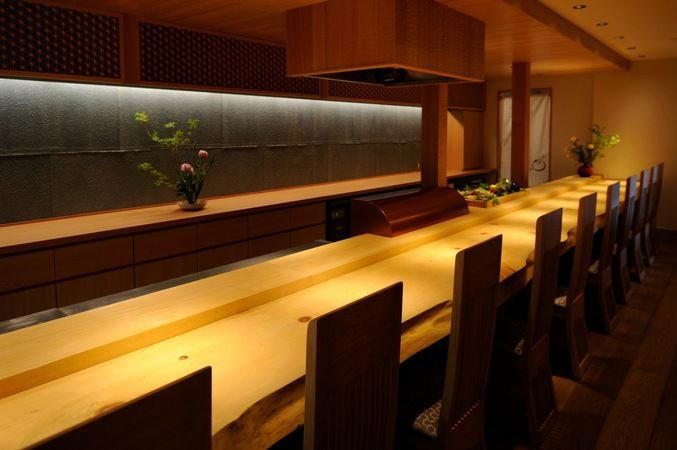
The architectural character of a dining room at this price tier in Kyoto typically reflects a set of deliberate constraints. Without the investment in traditional machiya restoration that defines some of the city's higher-end spaces, mid-tier restaurants in Nakagyo tend toward clean, spare interiors: wood surfaces, controlled sightlines, seating formats that encourage focus on the meal. The editorial angle worth noting is that physical restraint in this tier often communicates more clearly than ornamentation does. A room that doesn't compete with the food is making an argument about priorities.
Kaji's position in this design tradition connects it to a broader pattern in Kyoto's Japanese dining scene. Where restaurants like Kenninji Gion Maruyama or Kodaiji Jugyuan operate in settings where historical architecture is part of the experience, venues in the Bib Gourmand tier communicate quality through a different vocabulary: the timing of courses, the temperature of dishes, the precision of service in a compact space. The room is the frame, not the subject.
Chef and Kitchen: Credentials in Context
Chris Kajoika heads the kitchen at Kaji. The name is notable for its non-Japanese cadence in a city where nearly every recognised Japanese restaurant is run by a Japanese chef, a demographic pattern reinforced by the kaiseki tradition's emphasis on lineage and long apprenticeship. Without additional biographical data in the record, the editorial observation is simply that the kitchen's output has been assessed by two credible and methodologically distinct bodies, Michelin's inspection process and the OAD voting community, and both have responded positively. In Kyoto's competitive Japanese dining environment, that dual recognition across price tiers is the substantive point.
For comparison: Kyoto's top-tier Japanese restaurants, including those operating at ¥¥¥¥ with multiple Michelin stars, share a city with hundreds of Japanese restaurants at every price point. The fact that a ¥¥ restaurant appears on the OAD national list alongside venues operating at four times the price reflects something about the kitchen's efficiency and consistency, not just its ambition. Similar dynamics appear at recognised mid-tier restaurants elsewhere in Japan, at akordu in Nara, at Goh in Fukuoka, and at Myojaku in Tokyo, where serious kitchen work operates below the starred tier's pricing floor.
Scheduling and Access
Kaji runs lunch and dinner six days a week, closing on Wednesdays. Lunch runs from noon to 2 pm; dinner from 5:30 to 9 pm. The Wednesday closure is a standard rest pattern for independent restaurants in Kyoto and should factor into any multi-day itinerary.
The Nakagyo Ward address, 小川東入横鍛冶町112-19, is walkable from Karasuma Oike station on the Karasuma and Tozai subway lines, placing it in good proximity to central Kyoto without requiring navigation to the eastern restaurant districts. For visitors building a multi-restaurant programme across the city, the central location reduces transfer time between dining sessions and cultural sites.
Placing Kaji in the Wider Japan Restaurant Map
Within Kyoto, Kaji sits below the starred kaiseki tier, Gion Sasaki at ¥¥¥¥ and three Michelin stars, Ifuki at two stars, Kyokaiseki Kichisen at two stars, and operates in a different register entirely. The comparison is not price competition but category distinction: the kaiseki houses are structured experiences with defined seasonal programmes; the Bib Gourmand tier offers something more direct and repeatable. Both have their place in a well-constructed Kyoto dining programme.
Across Japan more broadly, the mid-tier with serious credentials forms a coherent peer group: Harutaka in Tokyo, Azabu Kadowaki in Tokyo, HAJIME in Osaka, and others like 1000 in Yokohama and 6 in Okinawa demonstrate how Japanese dining culture rewards seriousness at multiple price points. Kaji's dual recognition in 2024-2025 places it in that national conversation, from a city that already sets a high baseline for the category.
For a broader view of where Kaji sits in the city's restaurant scene, see our full Kyoto restaurants guide. For planning the rest of your visit, our Kyoto hotels guide, bars guide, wineries guide, and experiences guide cover the full range.
Know Before You Go
- Address: 小川東入横鍛冶町112-19, Nakagyo Ward, Kyoto 604-0087
- Hours: Mon–Tue, Thu–Sat: 12:00–14:00 and 17:30–21:00; Sun: 12:00–14:00 and 17:30–21:00; Closed Wednesday
- Price range: ¥¥ (mid-range)
- Awards: Michelin Bib Gourmand 2025; Opinionated About Dining Japan #471 (2024)
- Cuisine: Japanese
- Reservations: No website or direct booking contact in; hotel concierge or Japan-specialist reservation services recommended
- Nearest transit: Karasuma Oike Station (Karasuma and Tozai lines)
Frequently asked questions
What's the signature dish at Kaji?
What is confirmed is that the restaurant holds a 2025 Michelin Bib Gourmand and a 2024 OAD Japan ranking of #471, both indicators that the kitchen's output is consistent across its Japanese format at a ¥¥ price point. For specific menu details, checking with a Kyoto concierge service or a current reservation platform will give more reliable information than any static source. For broader context on the cuisine and chef, see the awards and editorial sections above.
Standing Among Peers
| Venue | Cuisine | Price | Awards | Notes |
|---|---|---|---|---|
| KajiThis venue (the venue you are viewing) | Seasonal Kyoto Kaiseki | $50–100 | Michelin Bib Gourmand | Not listed |
| Gion Sasaki | Modern Kaiseki | $300–500 | 3 Michelin Stars · La Liste Top Restaurants | Kaiseki, Japanese |
| cenci | Innovative Italian-Japanese Fusion | $100–150 | 1 Michelin Star · World's 50 Best #76 | Italian |
| Ifuki | Sumibi Kappo Kaiseki | $200–300 | 2 Michelin Stars · La Liste Top Restaurants | Kaiseki |
| Kyokaiseki Kichisen | Kyoto Kaiseki | $200–300 | 2 Michelin Stars · La Liste Top Restaurants | Japanese |
| Kyo Seika | Modern Chinese Fine Dining | $150–200 | 1 Michelin Star · Tabelog Bronze #216 | Chinese |
Recognition history
Dated appearances from independent guides and award organizations, with the underlying list record or original source where available.
Michelin Bib Gourmand
Michelin
Opinionated About Dining Top Restaurants in Japan Recommended
Opinionated About Dining
Full recognition history (3 entries)
Opinionated About Dining Top Restaurants in Japan Ranked #471
Opinionated About Dining
Kaji
Featured Guides
Continue exploring
More in Kyoto
Restaurants in Kyoto
All restaurants in Kyoto →
Bars in Kyoto
All bars in Kyoto →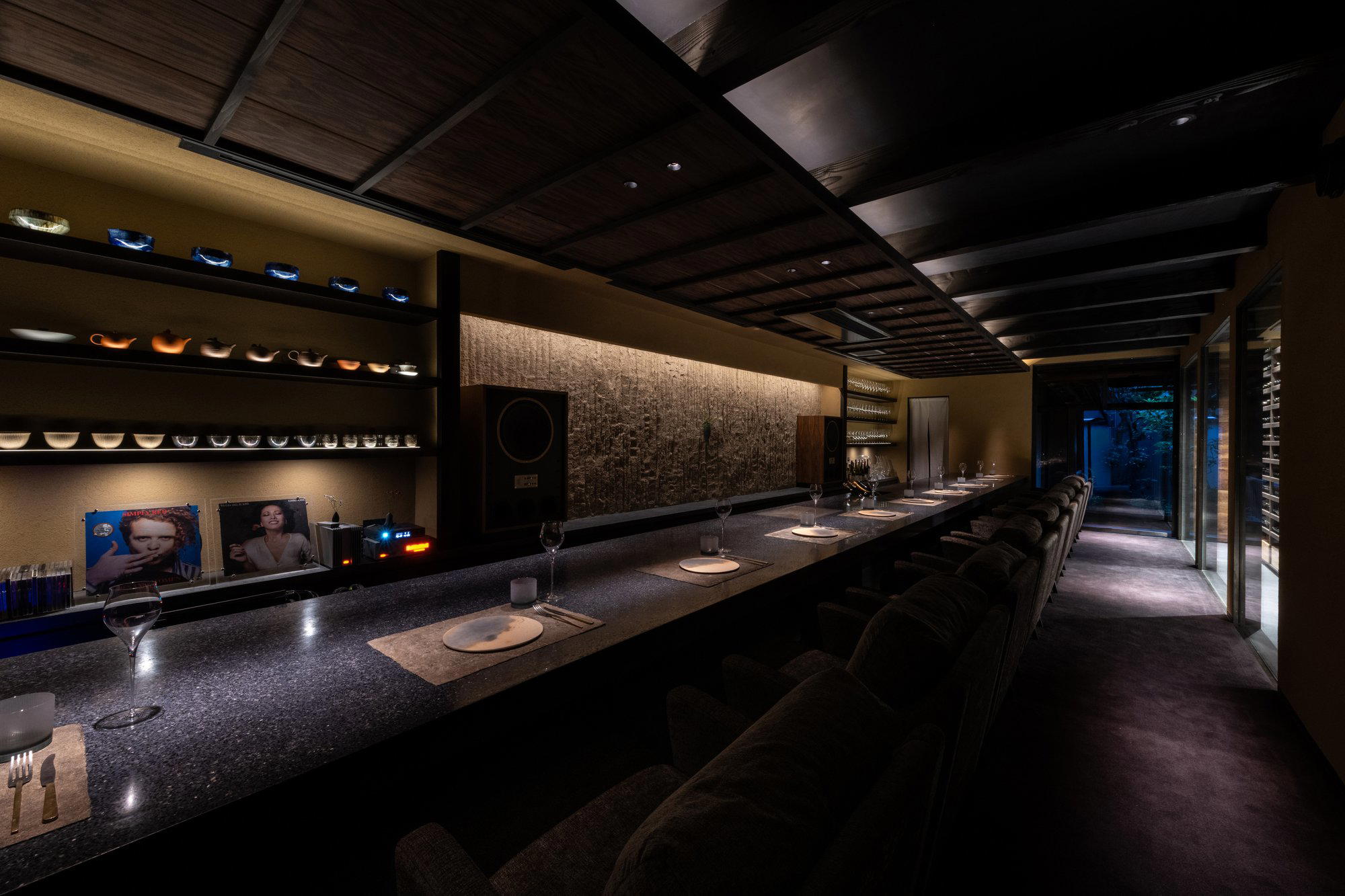
Hotels in Kyoto
All hotels in Kyoto →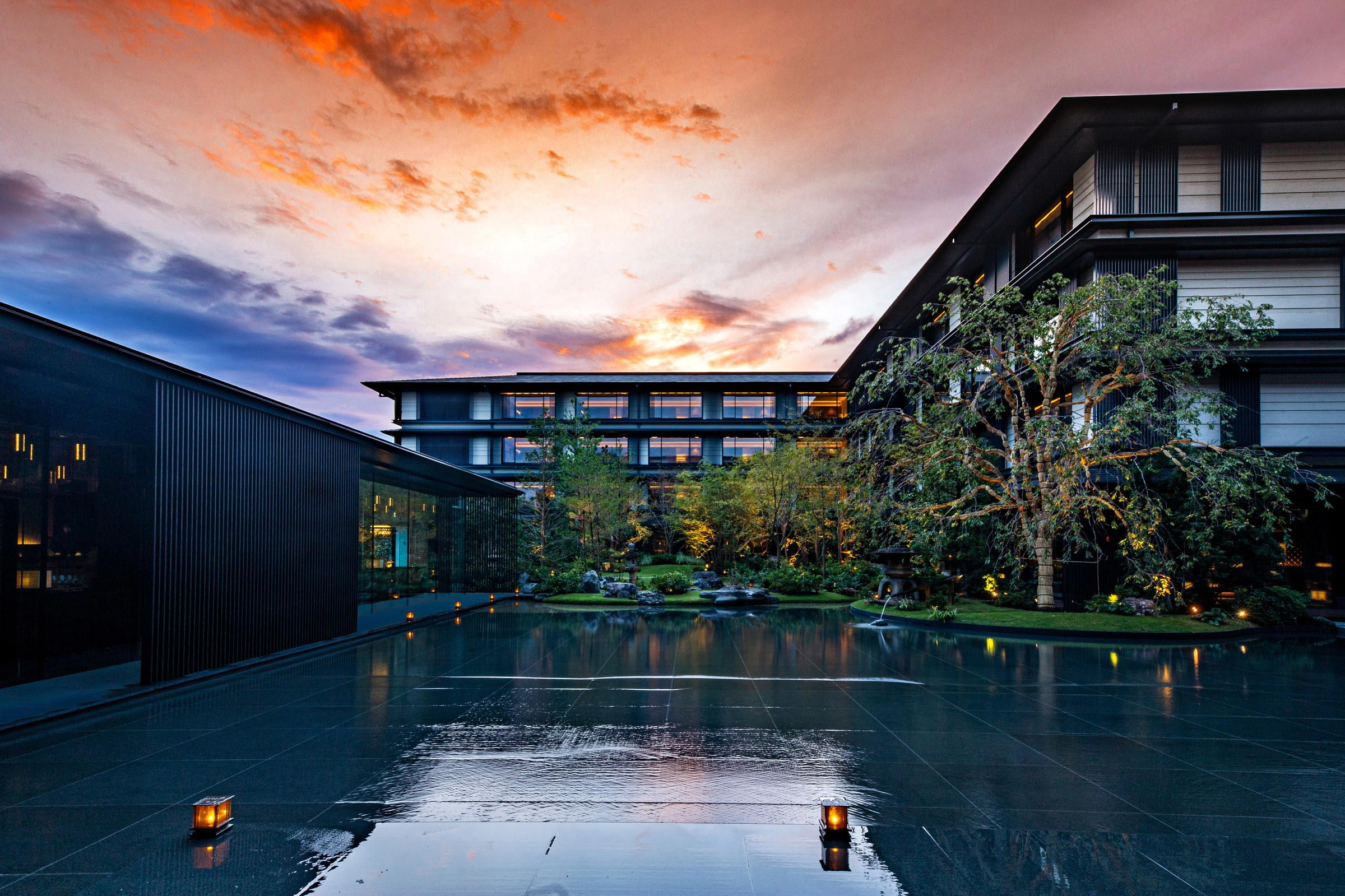
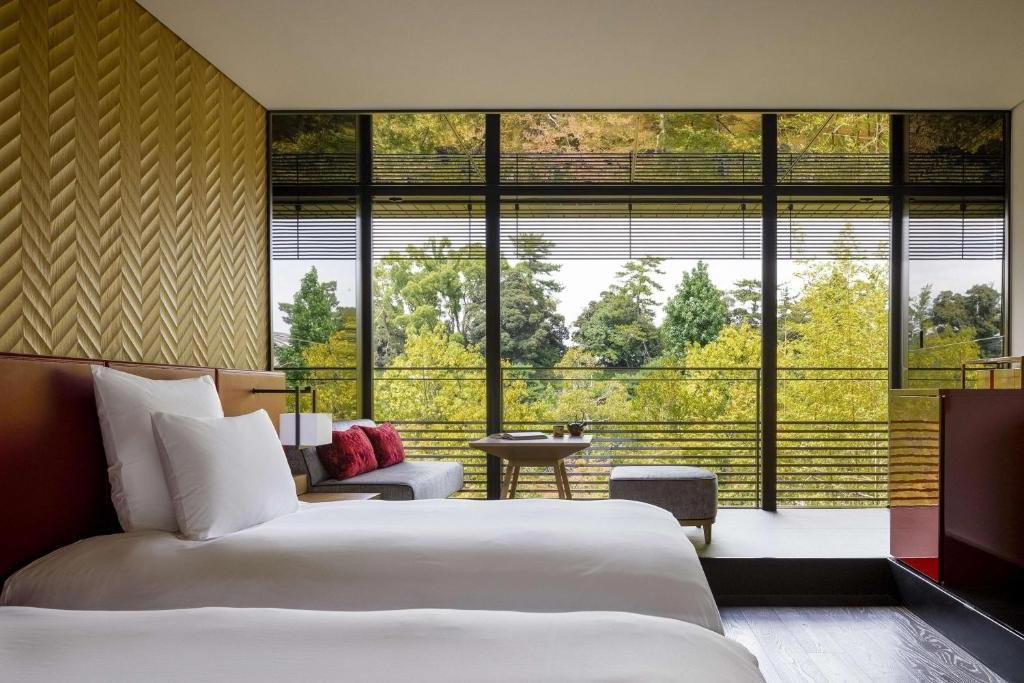
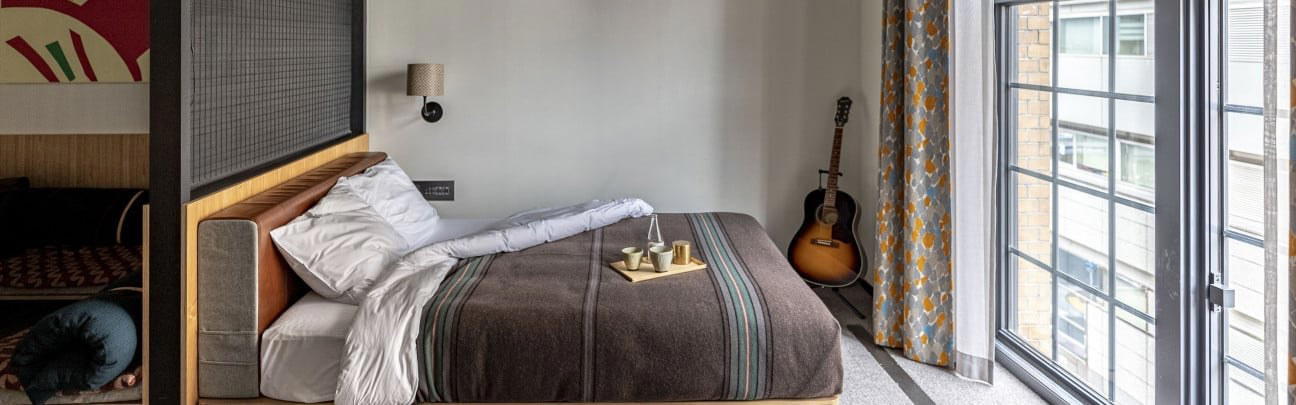
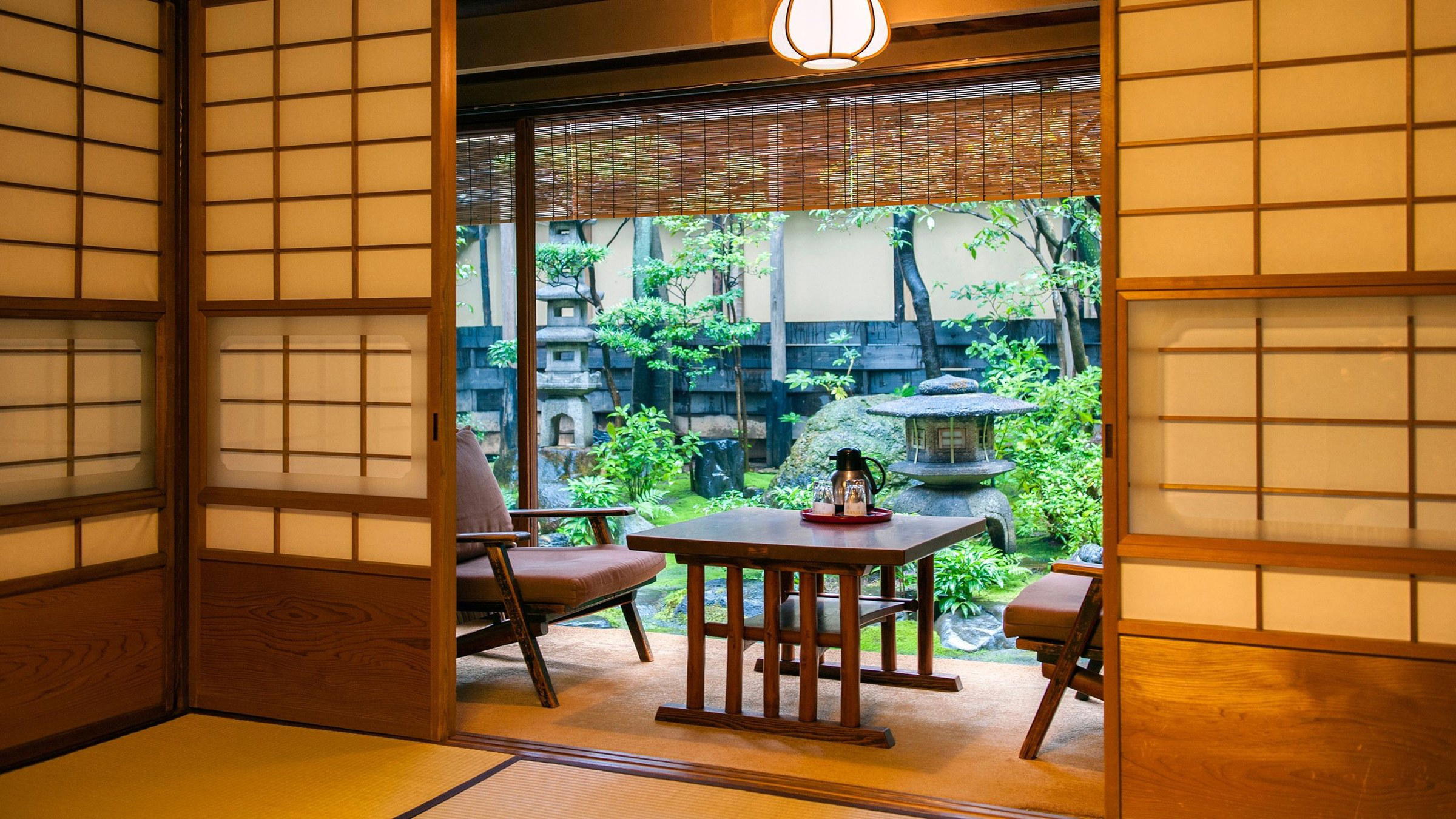
Wineries in Kyoto
Browse all →
Details
- Cozy
- Elegant
- Intimate
- Sophisticated
- Date Night
- Special Occasion
- Private Dining
- Sake Program
- Local Sourcing
- Garden
- Tasting Menu
- Vegetarian Friendly
Current opening hours
- Monday
- 12–3:30 PM, 5:30–10 PM
- Tuesday
- 12–3:30 PM, 5:30–10 PM
- Wednesday
- 12–3:30 PM, 5:30–10 PM
- Thursday
- 12–3:30 PM, 5:30–10 PM
- Friday
- 12–3:30 PM, 5:30–10 PM
- Saturday
- 12–3:30 PM, 5:30–10 PM
- Sunday
- 12–3:30 PM, 5:30–10 PM
Hours can change for holidays and private events. Hours as of .
Cozy and comfortable with a warm, harmonious atmosphere featuring counter seating facing the chef and private rooms overlooking a courtyard.