
A Michelin Bib Gourmand-recognised Sicilian kitchen in Shirokane, ROZZO SICILIA works from the island's most historically layered recipes, aubergine caponata, sardine and fennel pasta, seafood couscous, at a price point that makes it one of Tokyo's more accessible Italian addresses. Chef Reif Othman's focus on authentic regional preparation, rather than Italian food in broad strokes, sets it apart from the city's more interpretive European restaurants.
Pearl is the En Primeur Club membership app — saves, bookings, and concierge access live there. Same editors, same standards.
- Address
- Japan, 〒108-0072 Tokyo, Minato City, Shirokane, 1 Chome−1−12 内野マンション 1F
- Phone
- +81 3-5447-1955
- Website
- rozzoponte.jp
- Directions
- Get directions
 Saves & bookings on Pearl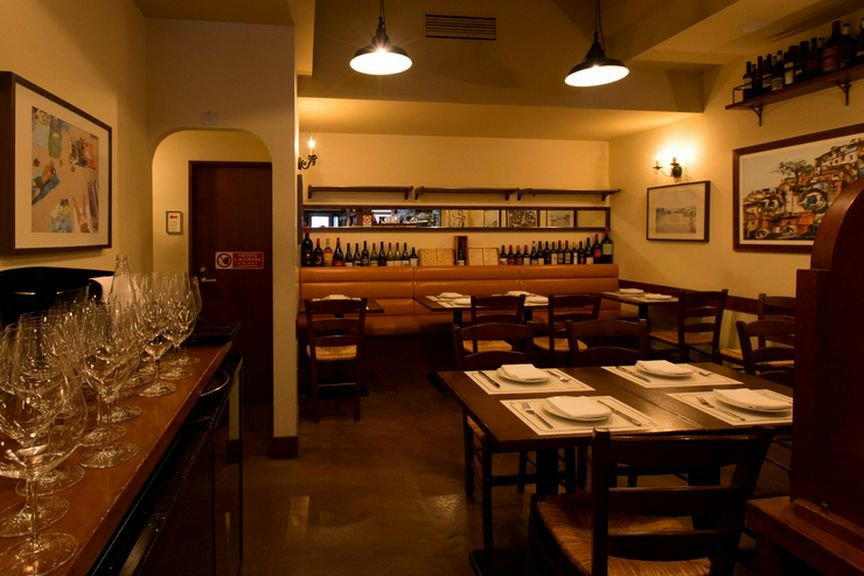
Sicily's Trade-Route Kitchen, Transplanted to Shirokane
For centuries, Sicily operated less as a single culinary tradition and more as an archive of every civilisation that passed through the central Mediterranean. Arab traders brought couscous and citrus. Spanish rule left its mark on sweet-sour preparations. North African spice patterns wove into coastal fishing practices. The result is an island cuisine that bears almost no resemblance to the red-sauce shorthand that most of the world files under "Italian food", and it is precisely this depth that ROZZO SICILIA, the Bib Gourmand-recognised Sicilian kitchen in Tokyo's Shirokane neighbourhood, chooses to foreground.
Why the Recipe Archive Matters
The editorial angle most Tokyo Italian restaurants take is either modern Italian, where Japanese technique inflects classical European form, or regional Italian understood broadly. ROZZO SICILIA takes a narrower and more demanding position: Sicilian specificity, with an emphasis on recipes that have survived precisely because they carried meaning for the communities that made them. This is not a trivial distinction. Pasta con le sarde, the fennel-and-sardine preparation that appears on the menu here, is among the more historically instructive dishes in the Mediterranean canon, its combination of wild fennel, salted sardines, pine nuts, raisins, and saffron reads directly as a map of Arab culinary influence on the island. Aubergine caponata, the sweet-sour agrodolce relish, draws the same lineage. Seafood couscous, present particularly in the western Sicilian city of Trapani, is a dish that exists nowhere else in mainland Italy at the same depth of tradition.
At the ¥¥ price tier, ROZZO SICILIA occupies a different bracket from the ¥¥¥¥ Italian addresses in Tokyo such as Aroma Fresca and Gucci Osteria da Massimo Bottura Tokyo, which operate on tasting-menu formats with premium wine programs. What it shares with those addresses is a seriousness of reference: this is not Italian food calibrated for a general audience but cooking that assumes the recipes themselves carry sufficient argument.
The Sustainability Case Embedded in Sicilian Cooking
Sicilian cuisine makes a strong structural argument for low-waste, whole-ingredient cookery, not as a contemporary positioning choice, but as a historical necessity. Sardines, a cornerstone of the island's coastal diet, are among the more efficient protein sources in the Mediterranean: fast-reproducing, abundant, low in the food chain. Fennel and aubergine are field crops that require minimal intervention and travel well without cold-chain logistics. The couscous tradition of western Sicily is itself a form of grain stewardship, using semolina across multiple preparations so that nothing is wasted. Lemon, which appears as a recurring accompaniment in the kitchen here, functions as preservation as much as flavouring, an acid that extends the life of seafood preparations without refrigeration.
This matters in Tokyo's Italian restaurant context because the city's higher-end Italian kitchens frequently import ingredients at considerable environmental cost to maintain authenticity of flavour. The Bib Gourmand format at the restaurant, positioned at ¥¥, implies a different approach to sourcing economics: cooking that derives quality from technique and recipe fidelity rather than from the prestige of imported product. That alignment between traditional Sicilian resourcefulness and contemporary thinking about ingredient ethics is a coherence worth noting, even if the restaurant does not frame it explicitly in those terms.
Where ROZZO SICILIA Sits in Tokyo's Italian Scene
Tokyo's Italian restaurant category is larger and more technically accomplished than most European cities would expect. PRISMA, Principio, and AlCeppo each represent different registers of Italian cooking in the city, from contemporary to classical. The restaurant's regional specificity places it in a smaller subset: restaurants where the cuisine's geographic identity is the main argument, not just a stylistic backdrop. For comparison, cenci in Kyoto demonstrates how Italian-Japanese dialogue can function at a high level in a regional Japanese city; 8½ Otto e Mezzo Bombana in Hong Kong represents the prestige end of Italian cooking in Asian metropolises. The restaurant operates in neither of those registers, it is the accessible, recipe-faithful end of the spectrum, where the Bib Gourmand designation is the appropriate signal rather than a star.
The Shirokane address in Minato City places it in one of Tokyo's more residential upmarket neighbourhoods, away from the concentrated restaurant density of Ginza or Roppongi. That geography tends to produce a regular-customer dynamic rather than a destination-dining one, which suits the format.
Planning a Visit
| Detail | The restaurant | Aroma Fresca | Gucci Osteria Tokyo |
|---|---|---|---|
| Cuisine focus | Regional Sicilian | Contemporary Italian | Italian-global fusion |
| Price tier | ¥¥ | ¥¥¥¥ | ¥¥¥¥ |
| Michelin recognition | Bib Gourmand 2024 | Starred | Starred |
| Neighbourhood | Shirokane, Minato | Minami-Aoyama | Roppongi |
| Format | À la carte / set | Tasting menu | Tasting menu |
The restaurant is located at 1 Chome-1-12 Shirokane, Minato City, Tokyo, on the ground floor of Uchino Mansion.
Where the Accolades Land
Comparable venues nearby, for context on price, style, and recognition.
| Venue | Cuisine | Price | Awards | Notes |
|---|---|---|---|---|
| ROZZO SICILIAThis venue — the venue you are viewing | Authentic Sicilian Trattoria | $$$ | Bib Gourmand | Not listed |
| malca | Modern Italian with Japanese Seasonal Ingredients | $$$ | Michelin Plate | Minato |
| sugahara | Homestyle Italian | $$$ | Bib Gourmand | Sumida |
| Ristorante ACQUA PAZZA | Modern Italian with Japanese Seasonal Ingredients | $$$ | Michelin Plate | Minato |
| AlCeppo | Rustic Italian Trattoria | $$ | Bib Gourmand | Minato |
| sio AOYAMA | Modern Italian with Japanese influences | $$$$ | Michelin Plate | Minato |
Recognition history
Dated appearances from independent guides and award organizations, with the underlying list record or original source where available.
Michelin Bib Gourmand
Michelin
Michelin Bib Gourmand
Michelin












At a Glance
- Elegant
- Lively
- Sophisticated
- Date Night
- Special Occasion
- Business Dinner
- Open Kitchen
- Private Dining
- Sake Program
- Extensive Wine List
- Local Sourcing
Current opening hours
- Monday
- Closed
- Tuesday
- 5–9 PM
- Wednesday
- 5–9 PM
- Thursday
- 5–9 PM
- Friday
- 5–9 PM
- Saturday
- 5–9 PM
- Sunday
- Closed
Hours can change for holidays and private events. Last verified .
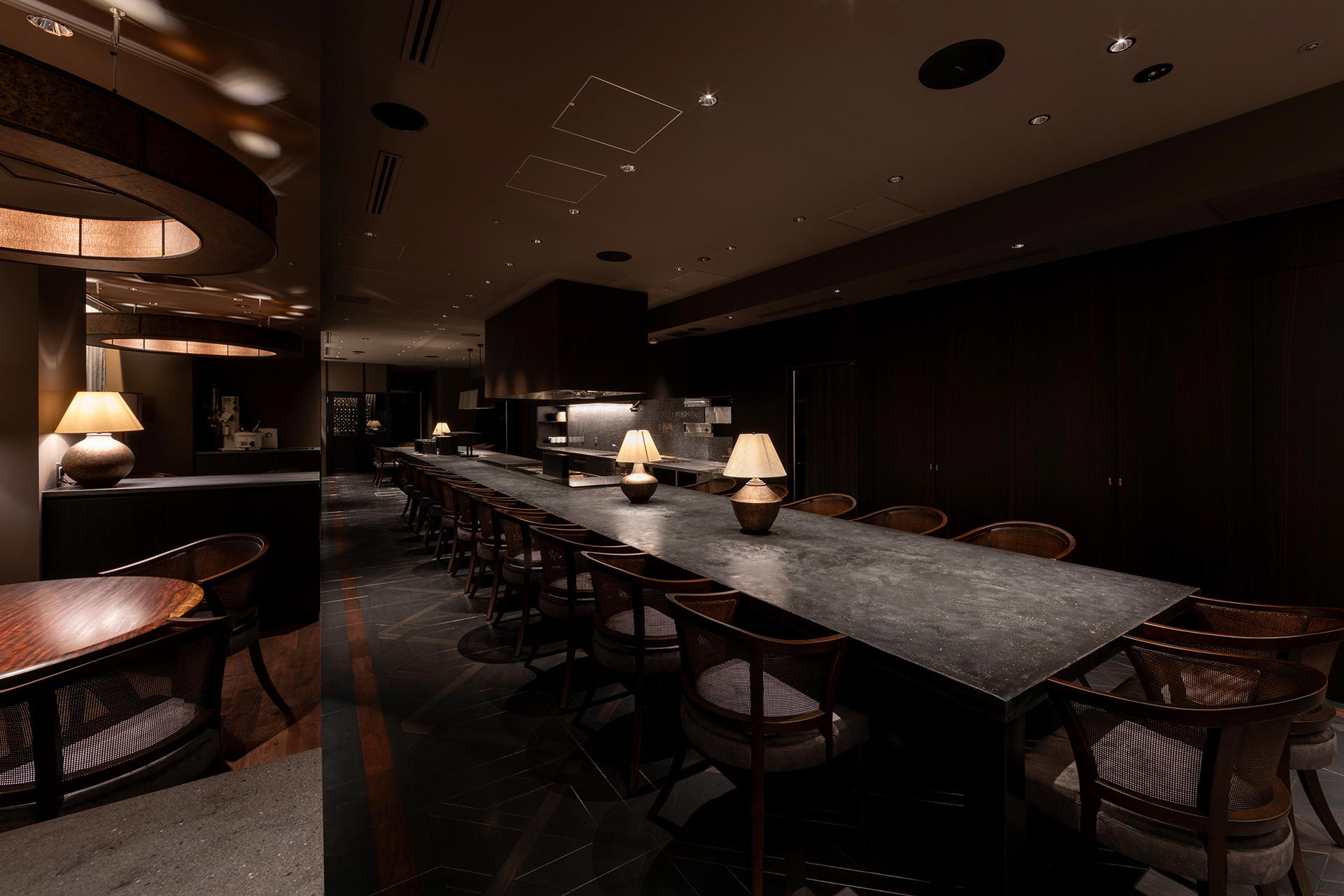
Elegant yet lively atmosphere with stylish, relaxing space, counter seating by open kitchen, and warm Italian hospitality.