

Michelin Plate · Tabelog 100 #100
Our verdict
Ristorante Acqua Pazza has anchored Minami-Aoyama's Italian dining scene for decades, with chef Yoshimi Hidaka translating Neapolitan coastal cooking through a Japanese palate. The signature poached white fish dish, acqua pazza itself, layers umami from fish, tomato, and Manila clams into a single bowl that defines the restaurant's identity. Michelin Plate recognition in both 2024 and 2025 confirms its continued standing in Tokyo's crowded Italian tier.

Pearl is the En Primeur Club membership app, where members save venues, book tables and use the concierge.
The menu
What to order
- Acqua Pazza
- Fettuccini Alfredo
- Pasta with Australian Winter Truffles
Neapolitan Cooking in Tokyo: Where the Ritual Holds
Tokyo's Italian restaurant scene has always operated differently from what you find in Rome or Milan. The city's chefs who trained on the Italian peninsula returned not just with recipes but with a disciplined understanding of regional identity, and over time, the most serious among them built restaurants that argue for specific places in Italy rather than an undifferentiated Italian aesthetic. Minami-Aoyama sits at the centre of that tradition. The neighbourhood's proximity to embassies, design studios, and high-end retail has sustained a restaurant culture that rewards precision over novelty, and it is in this context that Ristorante Acqua Pazza has built its reputation across multiple decades.
Among the Italian restaurants that have shaped Tokyo's appreciation for southern Italian cooking, Acqua Pazza draws a specific line back to Naples and, more specifically, to the Campanian coastal kitchen. Peers like Aroma Fresca and Principio explore Italian cooking from different regional angles; Gucci Osteria da Massimo Bottura Tokyo operates within a fashion-house framework that positions it as a different kind of proposition entirely. Acqua Pazza's commitment is narrower and more personal: it is, at its core, a restaurant organised around a single dish and the philosophy that dish embodies.
The Dish That Named the Room
The acqua pazza preparation has a working-class origin. Neapolitan fishermen would cook their catch directly on board, simmering fish with tomatoes in seawater, the name translates roughly as 'crazy water,' a reference to the saltwater base. What chef Yoshimi Hidaka absorbed from that tradition and brought back to Tokyo was not a recipe so much as a set of relationships: between fish protein, tomato acidity, and the mineral salinity of shellfish.
In the Tokyo version, freshwater replaces seawater, and Manila clams are added to restore the salinity that seawater provided in the Neapolitan original. The result is a dish constructed around three distinct umami compounds, inosinic acid from the white fish, glutamic acid from the tomato, and succinic acid from the clams, operating in concert. This is not an accident of flavour but a deliberate architecture, and it reflects a broader logic in high-end Tokyo cooking: the application of rigorous technical analysis to what, in its source culture, was entirely intuitive. That same synthetic intelligence appears across Tokyo's serious dining rooms, from the kaiseki precision of venues like Gion Sasaki in Kyoto to the progressive fermentation work at HAJIME in Osaka, but it is less common in the city's Italian tier, which makes Acqua Pazza's approach worth understanding on its own terms.
The Pacing of the Meal
Italian dining at this tier in Tokyo tends toward the formal end of the spectrum. The meal is structured, unhurried, and built around courses that accumulate rather than surprise. This is not the spontaneous, abundant hospitality of a Neapolitan trattoria; it is Italian cooking observed through the lens of Japanese service culture, where each transition is deliberate and the room's rhythm is managed as carefully as the kitchen's output.
At Acqua Pazza, that rhythm has been refined over many years. The restaurant occupies the second floor of the AOYAMA M's Tower on Minami-Aoyama 2-chome, a location that removes it from street-level noise and gives the dining room a quality of remove, you are not eating in the neighbourhood so much as above it. This separation from the pedestrian pace of Aoyama-dori reinforces the sense that the meal here operates on its own clock. Courses arrive at intervals that allow conversation without creating dead time. Antipasti, pasta, and secondi follow an Italian logic of progression, but the execution and plating reflect decades of Tokyo refinement.
For Italian dining at a comparable level elsewhere in Japan, cenci in Kyoto takes a more contemporary approach to Italian-Japanese synthesis, while akordu in Nara operates in a regional context that shapes its ingredient sources differently. In Tokyo itself, AlCeppo and PRISMA represent distinct points on the Italian dining spectrum, from Roman trattoria warmth to modern tasting-menu ambition. Acqua Pazza sits apart from all of them: its identity is tied to a specific dish, a specific region of Italy, and a specific intellectual commitment to understanding why that dish works.
Michelin Recognition and What It Signals
The Michelin Plate designation, awarded in both 2024 and 2025, positions Acqua Pazza within a tier of restaurants that Michelin considers worth visiting but has not yet refined to star level. Within Tokyo's Italian category, this is a meaningful position: the city holds several Italian restaurants at one and two stars, and the Plate cohort sits just beneath that ceiling, often reflecting kitchens that execute a defined cuisine with consistency rather than those pushing at the boundaries of what Italian cooking in Japan can become.
In a neighbourhood where restaurants frequently refresh their concepts to stay current, that consistency is itself an editorial statement. Other restaurants in Japan earning sustained critical attention include Goh in Fukuoka and 1000 in Yokohama, each operating within distinct regional culinary frameworks. For a wider view of how Tokyo's dining room competes at the premium end, 6 in Okinawa illustrates how geography shapes a restaurant's identity just as clearly as technique does. For context on how Italian cooking performs in Asia more broadly, the three-Michelin-star benchmark of 8½ Otto e Mezzo Bombana in Hong Kong represents the ceiling of the form in the region.
Aoyama as a Dining Address
Minami-Aoyama has functioned as one of Tokyo's most stable addresses for serious dining across multiple decades. The neighbourhood attracts a clientele that includes both Tokyo's professional class and international visitors with specific dining agendas, and its restaurants have tended to reward that audience with cooking that is technically grounded rather than trend-driven. The Italian restaurants here, Acqua Pazza among them, occupy a position in the city's food culture that is less visible to the casual tourist but well-known within the community of people who eat seriously in Tokyo.
For visitors building a Tokyo itinerary around food and drink, our full Tokyo restaurants guide maps the full range of the city's dining scene. Those extending their visit to include hotels, bars, and experiences can find comprehensive coverage in our full Tokyo hotels guide, our full Tokyo bars guide, our full Tokyo wineries guide, and our full Tokyo experiences guide.
Planning Your Visit
Address: AOYAMA M's Tower (Passage Aoyama 2F), 2-27-18 Minami-Aoyama, Minato City, Tokyo. Price range: ¥¥¥, mid-to-upper tier for Tokyo Italian dining, broadly comparable with other Michelin Plate recipients in the neighbourhood. Recognition: Michelin Plate 2024 and 2025. Reservations: Booking in advance is advisable given the restaurant's sustained reputation and neighbourhood clientele; walk-in availability is limited, particularly at weekends. Getting there: Omotesando Station on the Tokyo Metro Ginza, Chiyoda, and Hanzomon lines is the closest access point, with the restaurant a short walk through the southern Aoyama grid.
Frequently asked questions
What price level is Ristorante ACQUA PAZZA?
Pricing at Ristorante ACQUA PAZZA is listed as ¥¥¥.
What distinctions does Ristorante ACQUA PAZZA have?
Ristorante ACQUA PAZZA has received recognition including: Chef Yoshimi Hidaka has broadened the horizons of Neapolitan hometown cooking. Acqua pazza, the poached white fish dish that so thrilled him in Naples, is both the restaurant’s name and its signature dish. Prepared by fishermen, it began as….
What's the best thing to order at Ristorante ACQUA PAZZA?
The acqua pazza preparation is the clearest reason to be here. Chef Yoshimi Hidaka's version layers the umami of poached white fish with tomato and Manila clams, a combination of inosinic, glutamic, and succinic acids that gives the dish a depth its Neapolitan fishermen's-boat origins never intended. It is both the restaurant's name and the dish most directly shaped by Hidaka's training in Naples.
What's the address for Ristorante ACQUA PAZZA?
Ristorante ACQUA PAZZA is located at Japan, 〒107-0062 Tokyo, Minato City, Minamiaoyama, 2 Chome−27−18 AOYAMA M’s TOWER(青山エムズタワ パサージュ青山2F, Tokyo.
Can I walk in to Ristorante ACQUA PAZZA?
Walk-ins at this price tier (¥¥¥) in Minami-Aoyama are rarely reliable, especially on evenings and weekends. The neighbourhood draws a reservation-forward dining crowd, and a Michelin Plate-recognised room with a signature dish as specific as acqua pazza tends to fill ahead of service. Booking in advance is the practical approach.
Recognition, Side-by-Side
A short peer table to compare basics side-by-side.
| Venue | Cuisine | Price | Awards | Notes |
|---|---|---|---|---|
| Ristorante ACQUA PAZZAThis venue (the venue you are viewing) | Modern Italian with Japanese Seasonal Ingredients | $100–150 | Michelin Plate · Tabelog 100 #100 | Not listed |
| Harutaka | Edo-Style Omakase Sushi | $200–300 | 3 Michelin Stars · World's 50 Best #76 | Sushi |
| RyuGin | Modern Kaiseki | $500+ | 3 Michelin Stars · World's 50 Best #41 | Kaiseki, Japanese |
| L'Effervescence | Modern French with Japanese Influences | $200–300 | 3 Michelin Stars · World's 50 Best #69 | French |
| HOMMAGE | Modern French with Japanese Influences | $150–200 | 2 Michelin Stars · World's 50 Best #78 | Innovtive French, French |
| MAZ | Innovative Peruvian-Japanese Fusion | $150–200 | 2 Michelin Stars · World's 50 Best #28 | Innovative |
Recognition history
Dated appearances from independent guides and award organizations, with the underlying list record or original source where available.
Michelin Plate
Michelin
Tabelog 100 #100 · No. 100
Tabelog · Tabelog 100 - Italian - TOKYO - 2025
Full recognition history (4 entries)
Michelin Plate
Michelin
Michelin Plate
Michelin
Continue exploring
More in Tokyo
Restaurants in Tokyo
All restaurants in Tokyo →



Bars in Tokyo
All bars in Tokyo →




Details
- Elegant
- Sophisticated
- Quiet
- Classic
- Date Night
- Business Dinner
- Celebration
- Special Occasion
- Private Dining
- Open Kitchen
- Courtyard
- Extensive Wine List
- Sommelier Led
- Farm To Table
- Local Sourcing
- Organic
- Tasting Menu
- A La Carte
- Set Menu
- Wine
- Vegetarian Friendly
- Organic Focus
- Pescatarian Friendly
- Allergy Accommodating
Current opening hours
- Monday
- 11:30 AM–3 PM, 5:30–11 PM
- Tuesday
- 11:30 AM–3 PM, 5:30–11 PM
- Wednesday
- 11:30 AM–3 PM, 5:30–11 PM
- Thursday
- 11:30 AM–3 PM, 5:30–11 PM
- Friday
- 11:30 AM–3 PM, 5:30–11 PM
- Saturday
- 11:30 AM–3 PM, 5:30–11 PM
- Sunday
- 11:30 AM–3 PM, 5:30–11 PM
Hours can change for holidays and private events. Hours as of .
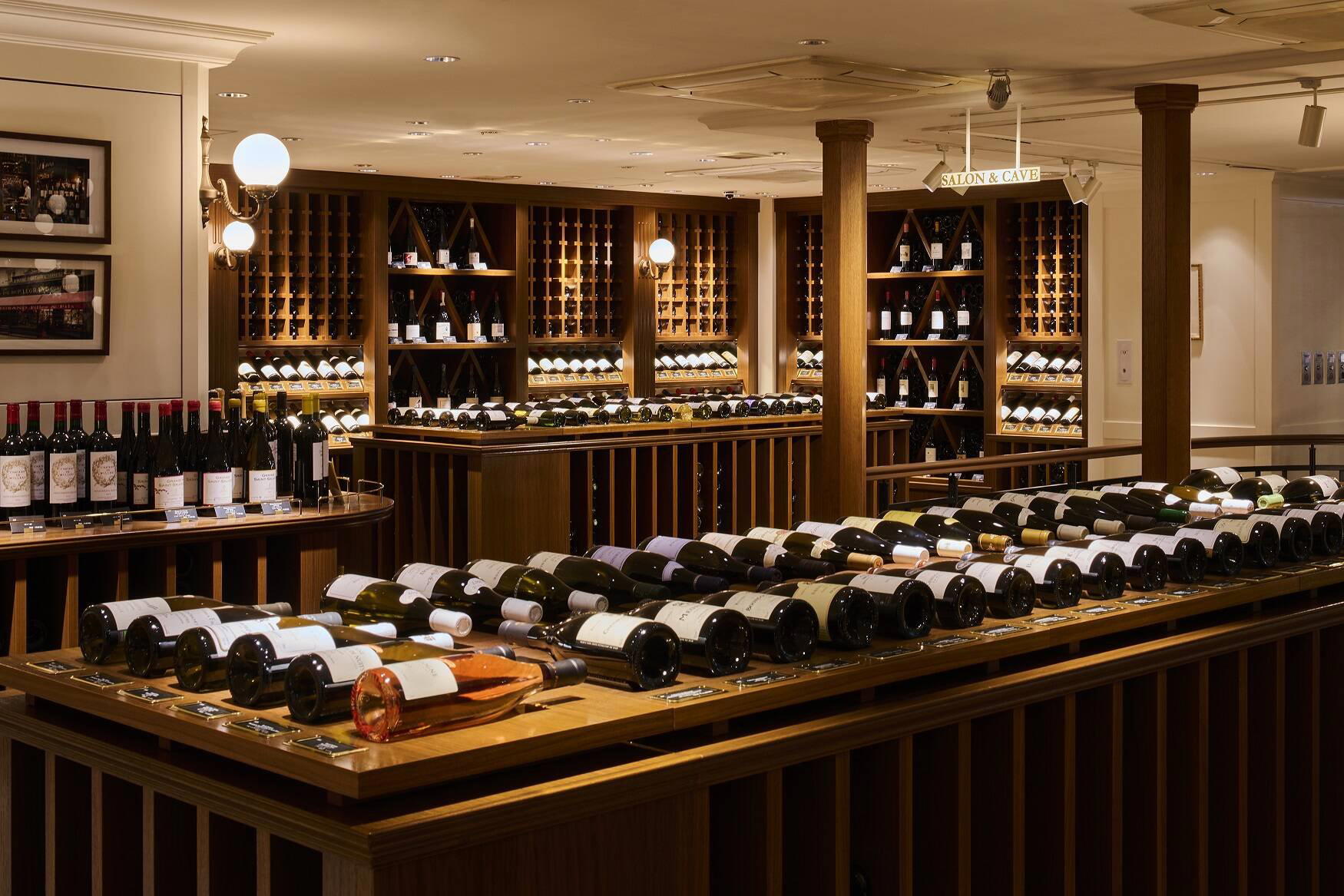
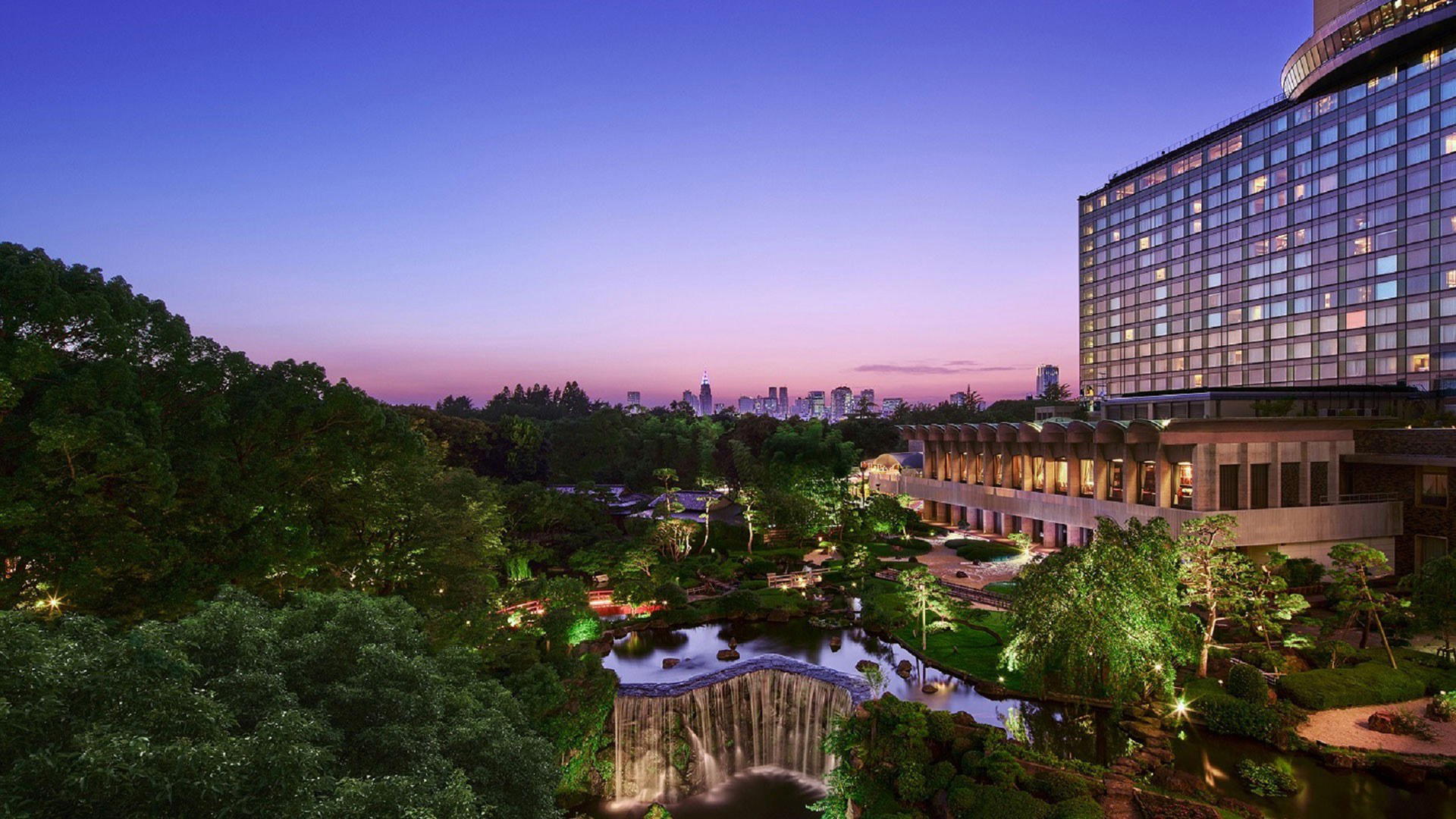
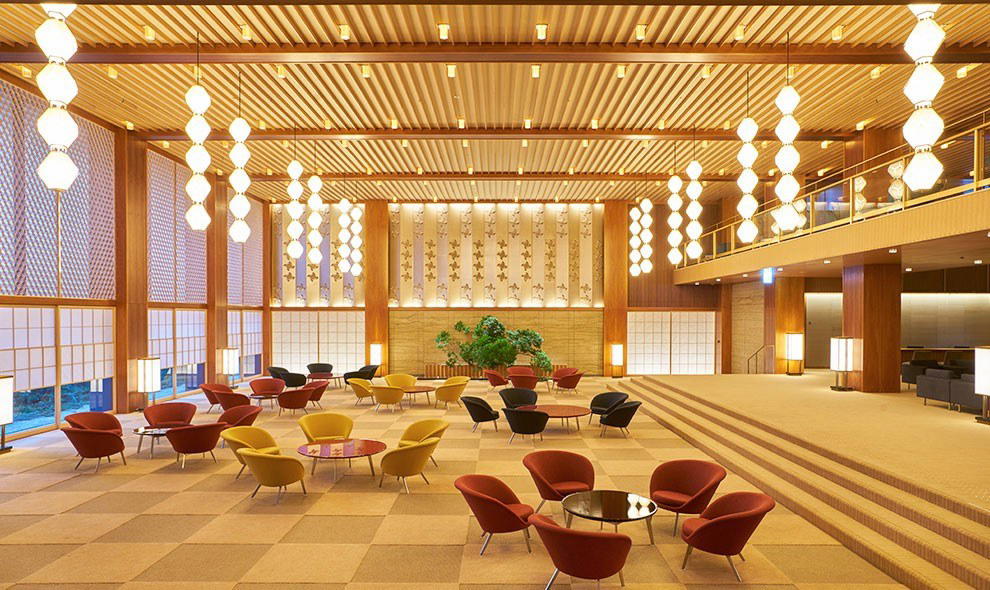
Clean, sophisticated yet casual atmosphere with simple, elegant interior design. Quiet environment conducive to refined dining and conversation.