Google: 3.9 · 3,240 reviews
Pyongyang Myeonok
One of Seoul's most discussed addresses for Pyongyang-style naengmyeon, Pyongyang Myeonok in Jangchung-dong draws a cross-section of the city that few restaurants manage: politicians, elderly regulars, and curious visitors all sharing the same spare dining room. The cold buckwheat noodle tradition it represents sits at the centre of a broader Korean conversation about culinary heritage, division, and memory.
 Discover on Pearl
Pearl is the En Primeur Club membership app — saves, bookings, and concierge access live there. Same editors, same standards.
Cold Noodles and a Divided History
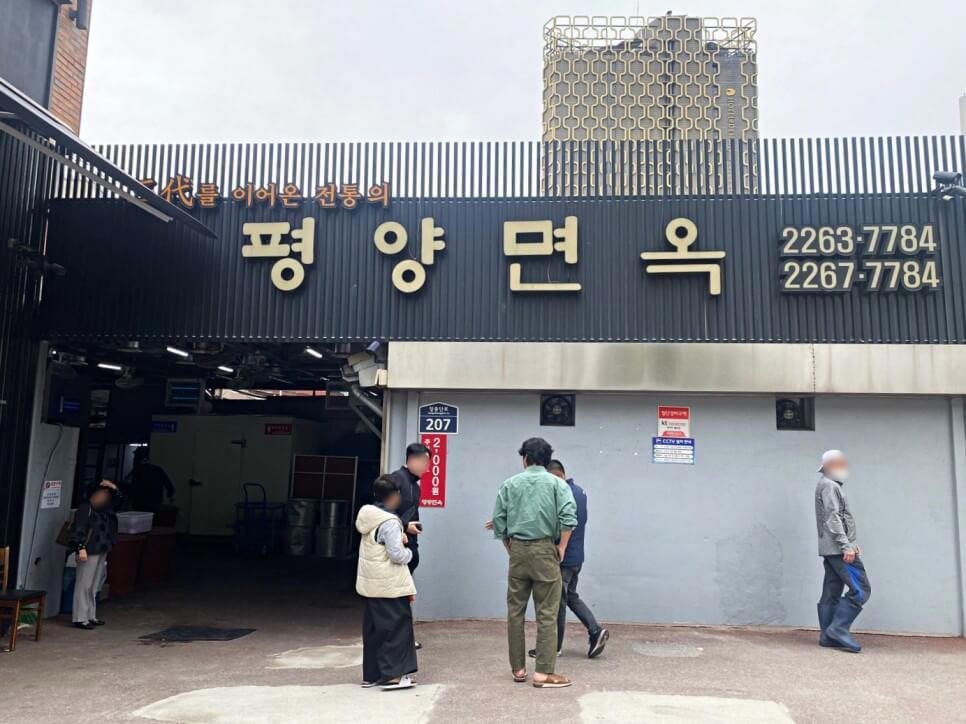
Jangchung-dong, a neighbourhood that sits just south of Dongdaemun and has long attracted institutions rather than trends, holds a particular kind of restaurant that Seoul's more fashionable districts rarely produce: places where the food is inseparable from a historical argument. Pyongyang Myeonok at 207 Jangchungdan-ro belongs in that category. The building is unassuming from the street, the interior spare in the way that restaurants confident in their product tend to be. There is no mood lighting calculated to flatter the room. What you get instead is a dining space that functions as a kind of social leveller — the same clientele that might split across the capital's many dining tiers arrives here on roughly equal footing, because what Pyongyang Myeonok serves is not easily replicated up or down the price range.
The Naengmyeon Tradition and What It Carries
Pyongyang naengmyeon is one of the more freighted dishes in the Korean canon. A bowl of thin, slightly elastic buckwheat noodles served in a cold beef-based broth — usually with sliced meat, half a boiled egg, cucumber, and a slice of Asian pear , it is the kind of dish where the distance between a mediocre version and a serious one is immediately legible to anyone who has eaten it more than once. The broth is where most of the argument lives. In Pyongyang, the pre-division original, the broth ran clear and restrained, its flavour coming from patient stock-making rather than seasoning. Seoul's naengmyeon culture has diverged somewhat from that model, producing its own variations, but restaurants aligned with the Pyongyang tradition maintain the clear, lightly chilled broth as a point of identity.
That identity is not merely culinary. Pyongyang naengmyeon carries the weight of a city that most South Koreans cannot visit, and restaurants like Pyongyang Myeonok function as custodians of a regional food culture that exists here largely through the movement of people across the border after the Korean War. That migration history is embedded in the dish in ways that a visitor from outside Korea may not immediately grasp but will encounter if they spend any time in Seoul talking seriously about food. The dish appears on tables at formal occasions, at post-funeral meals, and at the kind of regular weekday lunch where a working professional wants something that feels substantively Korean rather than merely convenient. For a broader orientation to Seoul's dining scene, our full Seoul restaurants guide maps the city's range from traditional to contemporary.
Where This Sits in Seoul's Restaurant Hierarchy
Seoul's premium dining tier has expanded considerably over the past decade. Restaurants like Mingles and Jungsik have established internationally recognised fine-dining credentials rooted in Korean ingredients and technique. More recent arrivals such as alla prima and Soigné operate in the innovative tier, reworking Korean culinary logic through contemporary formats. Kwonsooksoo has built recognition in the traditional Korean fine-dining register.
Pyongyang Myeonok occupies a different position entirely. It does not compete with that tier and does not need to. It operates in the category of Seoul institutions whose authority derives from consistency over decades, from a specific regional lineage, and from the fact that the dish itself is not amenable to easy modernisation without losing the thing that makes it matter. The cold noodle tradition is one of the few areas of Korean cuisine where restraint and subtlety are not read as shortcomings but as the entire point. That makes serious naengmyeon restaurants a niche within the city's broader dining culture , one where regulars are often deeply loyal and where the standard of the broth is debated with the kind of intensity that wine professionals reserve for vintages.
For Korean dining outside Seoul, the country's regional restaurants offer their own arguments about tradition and place: Mori in Busan, Gobojeong Galbi in Suwon, Doosoogobang in Suwon, and on Jeju, 88돼지, Black Pork BBQ in Seogwipo, and Badang Lounge each anchor their menus in ingredients and methods specific to where they operate. In Gyeongju, Hwangnam Bread and Busan Steamed Bun and Gyeongju Wonjo Kongguk demonstrate how regional food identity holds in Korea's historic cities. Hinode in Seogwipo and Dining Room in Busan each represent the more contemporary end of that regional spectrum.
The broader Korean culinary conversation has also extended internationally. Atomix in New York City has brought Korean fine-dining to a global audience, while Le Bernardin represents the kind of sustained international benchmark against which ambitious Korean restaurants increasingly measure themselves.
Planning a Visit
Pyongyang Myeonok is located at 207 Jangchungdan-ro in Jangchung-dong, Jung District , walkable from Dongdaemun History and Culture Park station on Lines 2, 4, and 5. The neighbourhood places it within easy reach of central Seoul without sitting inside the higher-footfall tourist corridors of Myeongdong or Insadong. Lunch is the primary service at restaurants of this type, and arriving early or outside peak midday hours is advisable during weekends and public holidays when queues form. Specific hours, current pricing, and booking arrangements should be confirmed directly, as these details are not fixed in our database record. The menu at serious naengmyeon houses is typically short by design; the discipline is in the depth, not the breadth.
Similar Picks
A quick snapshot of similar venues for side-by-side context.
| Venue | Cuisine | Price |
|---|---|---|
| Pyongyang MyeonokThis venue — the venue you are viewing | ||
| 7th Door | Korean, Contemporary | ₩₩₩₩ |
| Eatanic Garden | Contemporary | ₩₩₩₩ |
| Onjium | Korean | ₩₩₩₩ |
| L'Amitié | French | ₩₩₩ |
| Zero Complex | Korean-French, Innovative | ₩₩₩₩ |
At a Glance
- Classic
- Lively
- Group Dining
- Casual Hangout
- Historic Building
Traditional and lively atmosphere steeped in Korean culinary heritage.