Doosoogobang
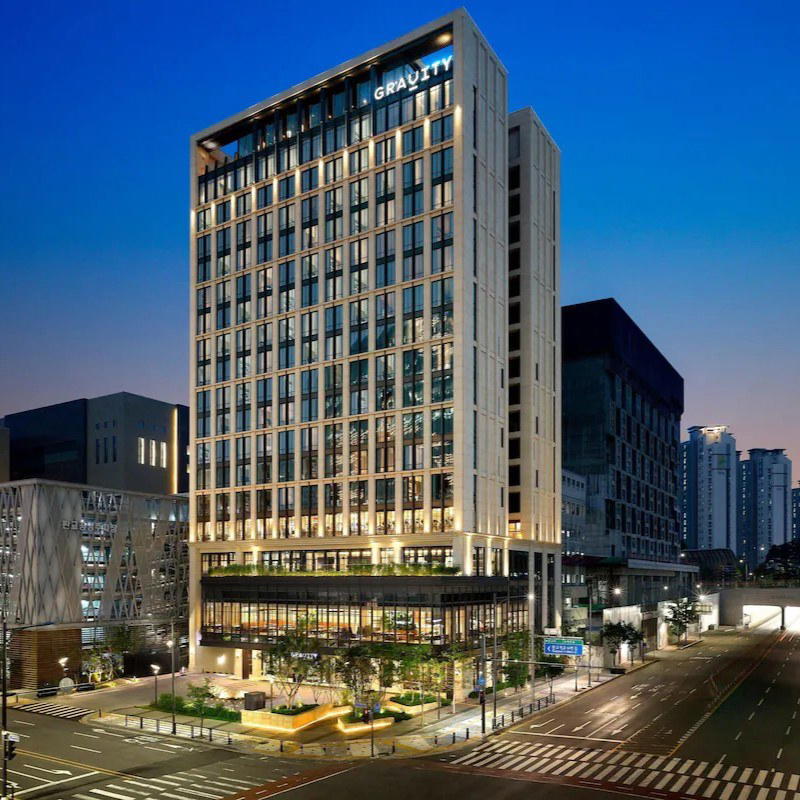
Doosoogobang sits on the third floor of the Alleyway Gwanggyo lifestyle complex in Suwon's Yeongtong district, positioning it within one of the Gyeonggi region's more considered dining environments. The address places it alongside a curated mix of independents rather than chain-heavy retail, which sets the tone before you arrive at the table. For Suwon diners looking beyond the city's galbi mainstream, it represents a distinct point in the local restaurant map.
- Address
- South Korea, Gyeonggi-do, Suwon-si, Yeongtong-gu, Gwanggyohosugongwon-ro, 80 앨리웨이 광교 어라운드 라이프 3층
- Phone
- +82 31 548 1912
- Website
- instagram.com
- Directions
- Get directions
Third Floor, Gwanggyo: What the Address Tells You
South Korean dining has developed a reliable shorthand for ambition: the lifestyle complex. From Seoul's Seongsu district to Busan's waterfront, independent restaurants with considered food programs increasingly choose mixed-use buildings over standalone sites, trading street-level foot traffic for a more filtered clientele and a context that signals something about how seriously the food will be taken. Doosoogobang is a restaurant serving Korean Temple Cuisine in Suwon, South Korea, and it is permanently closed. Its address inside Alleyway Gwanggyo, a development built around the Gwanggyo Lake Park in Suwon's Yeongtong district, places it in that category of restaurant that asks you to make a deliberate trip. The third-floor position reinforces the point.
Gwanggyo itself is worth understanding as a neighbourhood context. Yeongtong-gu is one of Suwon's newer, more planned quarters, built around the lake park and populated by a residential demographic that skews toward professionals commuting to the broader Seoul metropolitan area. That demographic supports a different kind of restaurant than the galbi houses clustered near Suwon's older city centre. Where a venue like Gabojeong Galbi #2 speaks to Suwon's deep-rooted grilling tradition, the Gwanggyo complex restaurants are oriented toward a dining public that travels to Seoul for reference points and expects comparable quality closer to home. Doosoogobang sits inside that expectation.
The Ingredient Question in Korean Independent Dining
Across South Korea's independent restaurant tier, sourcing has become the operative editorial distinction. The shift is visible at the summit of the Seoul market: venues like Mingles have built their reputations in part on documented supply chains, where the provenance of a specific fermented paste or heirloom grain becomes a talking point as significant as technique. That conversation has migrated outward from the capital. Restaurants in Busan, Gangneung, and the Gyeonggi corridor are increasingly positioning around where ingredients come from, and how that origin informs what arrives at the table.
The name Doosoogobang contains a clue. In Korean, the characters suggest a space oriented around grains or staple provisions, a framing that, in the context of contemporary Korean dining, tends to signal an interest in base ingredients handled carefully rather than obscured by elaborate technique. This is the end of Korean food culture that takes seriously the question of which rice, which bean paste, which seasonal vegetable, and from which producer. It sits in the same broader tradition as 권숙수 (Kwon Sook Soo) in Gangnam, where modern Korean cuisine anchors itself in the sourced specificity of its pantry rather than the drama of its plating.
That editorial angle matters when assessing what kind of restaurant experience Doosoogobang represents. Korean cuisine's most interesting contemporary expressions tend to split between the internationally inflected contemporary tier and the more grounded, ingredient-forward camp that treats traditional fermentation, regional produce, and seasonal availability as the primary variables. Venues at the intersection of those two tendencies, acknowledging technique without abandoning the logic of the Korean larder, occupy a productive middle ground that has proven commercially viable in post-pandemic Korean dining. For comparable approaches operating at different price points and contexts, see Double T Dining in Gangneung or the temple cuisine context at Baegyangsa Temple in Jangseong-gun, where ingredient restraint and provenance serve as both philosophy and practice.
Suwon Beyond the Galbi Belt
Suwon's dining identity has long been defined by its galbi tradition, specifically the thick, short-rib style grilling associated with the area since the mid-twentieth century. That tradition remains commercially dominant and represents genuine culinary heritage worth preserving. But it has also, for many years, crowded out other registers of Korean cooking in the city's public restaurant identity. The emergence of Gwanggyo as a distinct dining precinct within Suwon represents a structural shift: the city now has a second axis of dining culture, one oriented toward younger formats and more varied cuisine approaches. Doosoogobang is part of that second axis.
For visitors building a broader picture of the Korean regional dining scene, the Gyeonggi corridor between Suwon and Seoul offers an increasingly coherent set of options. Injegol in Inje County represents the mountain-adjacent sourcing tradition of Gangwon province, while the dining room concepts appearing in Busan, documented in venues like Dining Room and Mori, show how Korea's second city has developed its own contemporary food register. Suwon's Gwanggyo, in this reading, is not an outlier but part of a national pattern of secondary cities developing serious restaurant culture outside the capital's orbit. Our full Suwon restaurants guide maps the broader picture.
Planning a Visit: What to Know
Doosoogobang is located at 80 Gwanggyohosugongwon-ro, within the Alleyway Gwanggyo complex in Yeongtong-gu, Suwon. The complex is accessible from Gwanggyo Central station on the Shinbundang Line, which connects directly to Gangnam in central Seoul in under thirty minutes, making this a plausible destination for Seoul-based visitors willing to travel for the meal. The third-floor position within the complex means the approach involves some orientation on arrival: the Alleyway development is spread across multiple buildings, and the 어라운드 라이프 section is the relevant block. The venue is appointment only.
The price per person is about $50. For comparison within the Korean contemporary independent tier, the ₩₩ price point at a venue like Market Café in Incheon represents the accessible end of that spectrum, while the ₩₩₩₩ positioning of Seoul venues such as Onjium or 7th Door represents the premium ceiling. Where Doosoogobang sits within that range would materially affect how you approach booking and group composition.
Comparable Spots, Quickly
Comparable venues nearby, for context on price, style, and recognition.
| Venue | Cuisine | Price | Notes |
|---|---|---|---|
| DoosoogobangThis venue — the venue you are viewing | Korean Temple Cuisine | $$$ | Not listed |
| Gabojeong Galbi #2 (가보정 2관) | Traditional Korean Galbi | $$$ | 팔달구 |
| Gobojeong Galbi #1 (가보정 1관) | Korean Galbi BBQ | $$ | Suwon |
| Kabojung | Suwon Galbi (Korean Beef Ribs) | $$$ | Paldal-gu |
| Cheon Jee (천지) | Modern Jeju Korean Cuisine | $$$ | 중문 (Jungmun) |
| 88돼지 | 제주 흑돼지 BBQ | $$$ | 연동 |
At a Glance
- Intimate
- Elegant
- Quiet
- Sophisticated
- Minimalist
- Special Occasion
- Celebration
- Group Dining
- Open Kitchen
- Private Dining
- Design Destination
- Farm To Table
- Organic
- Local Sourcing
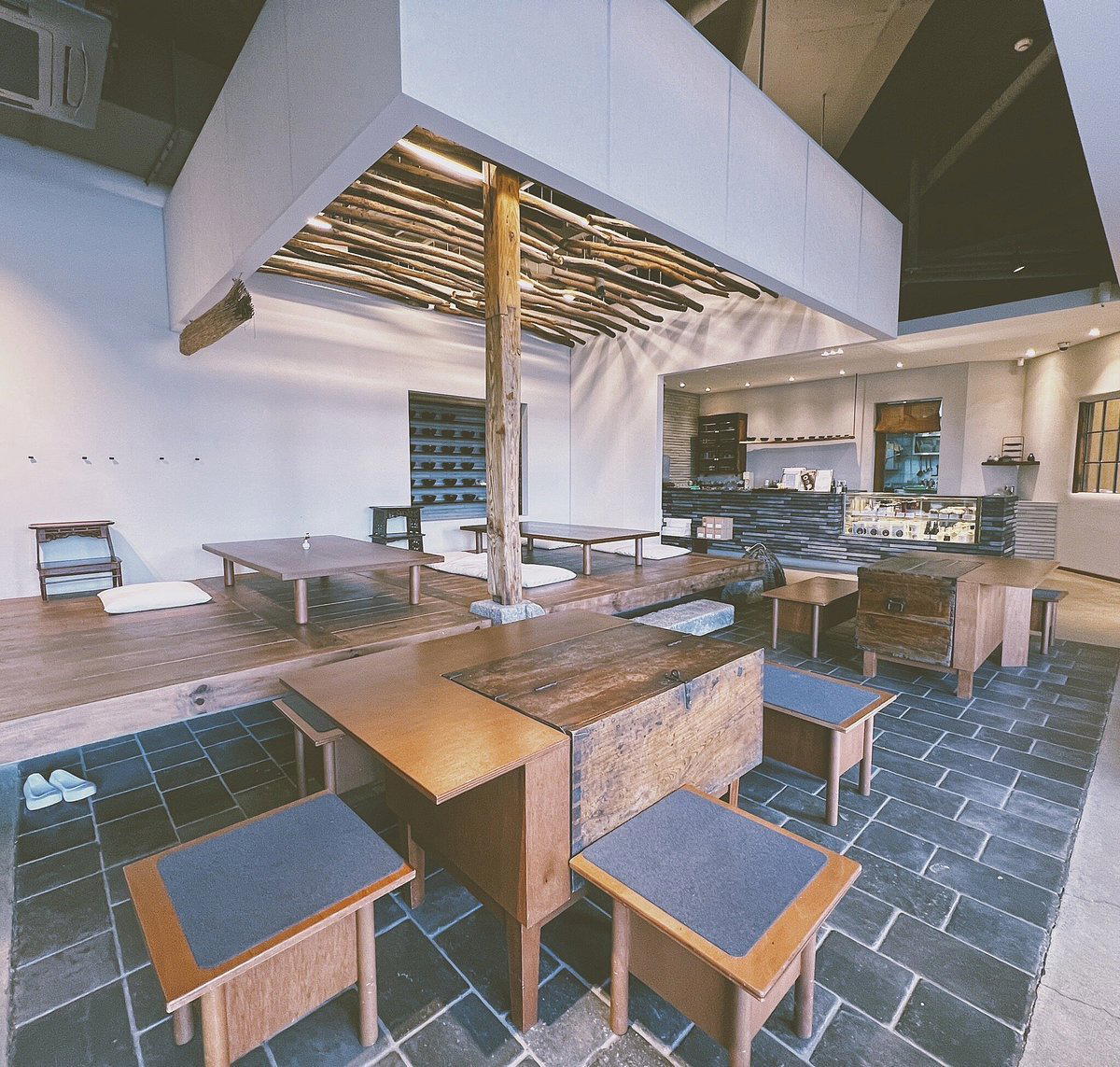
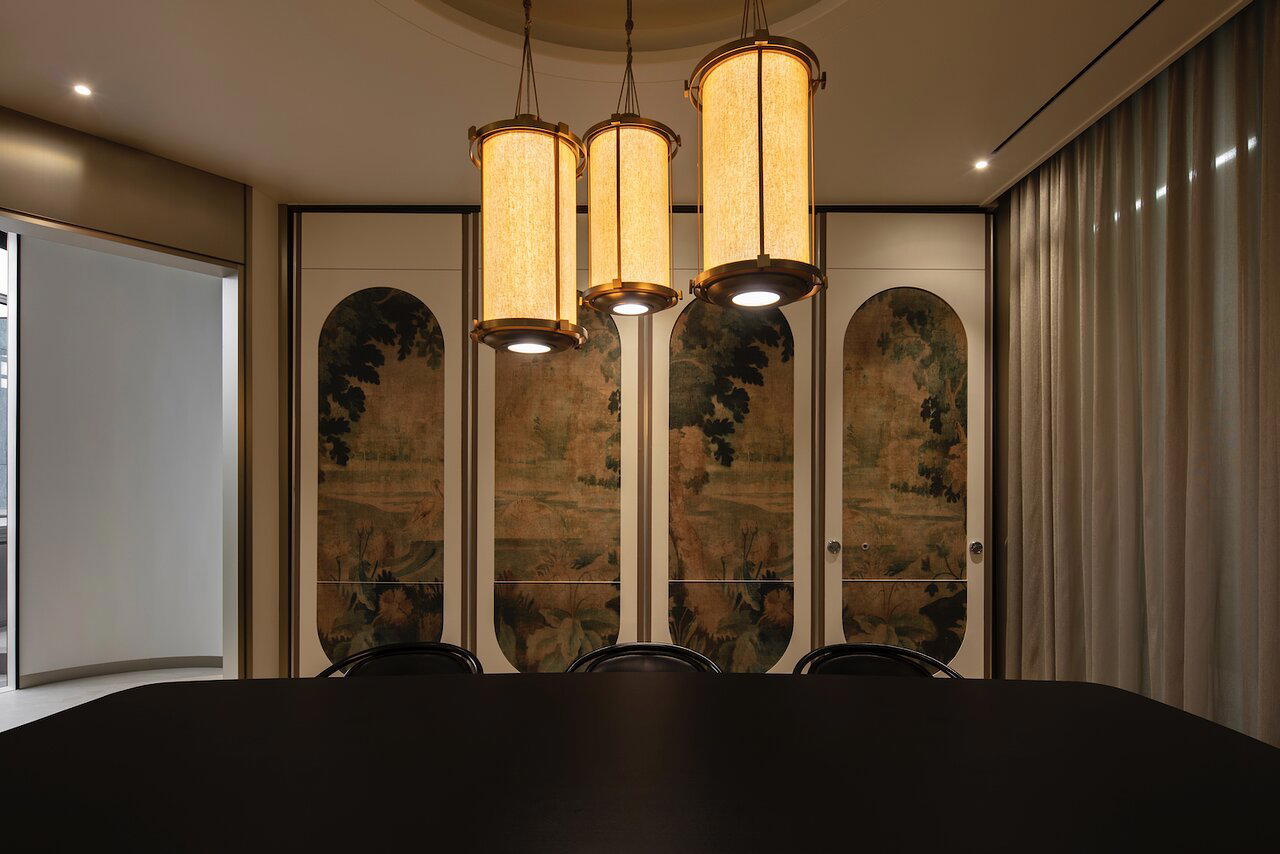
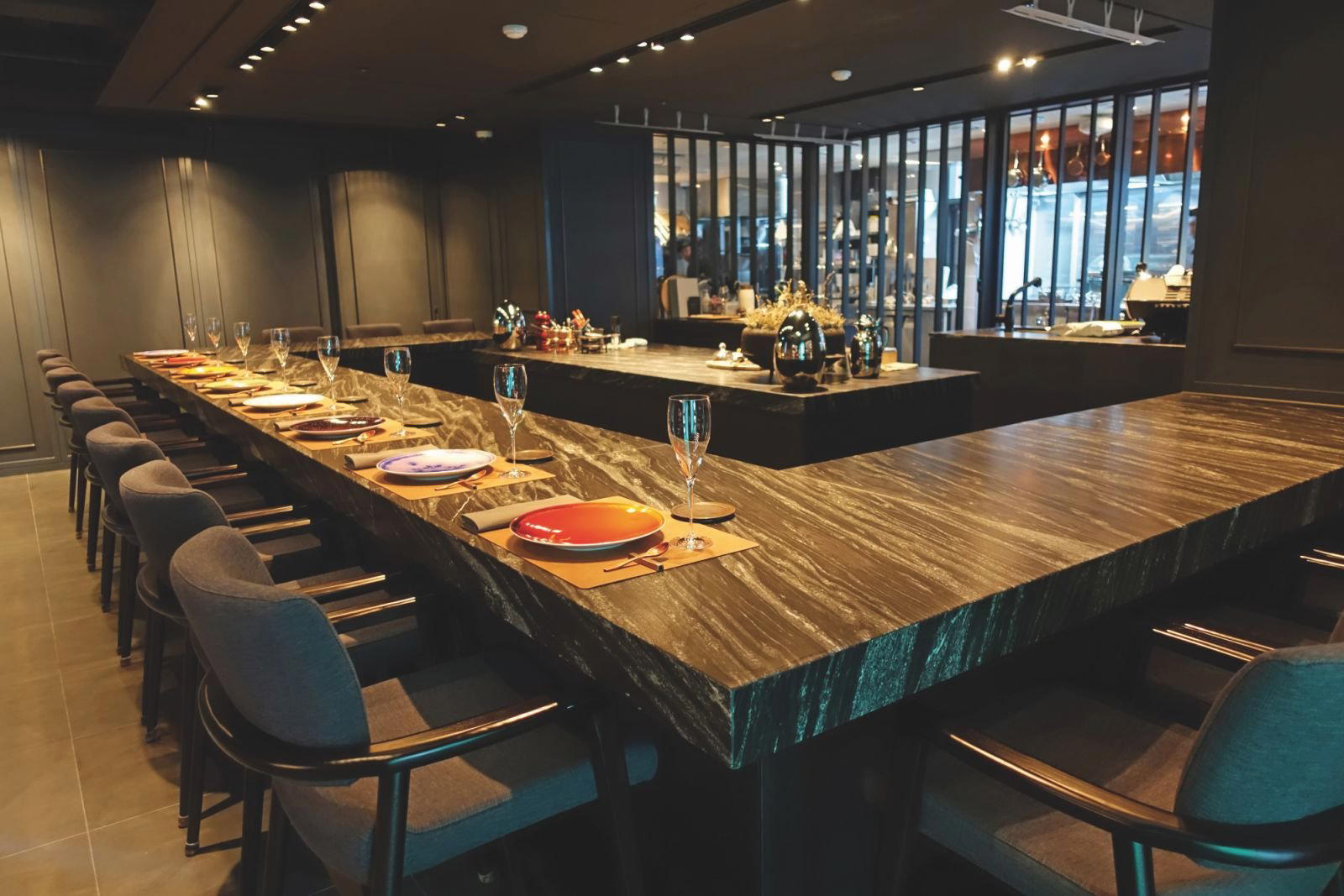
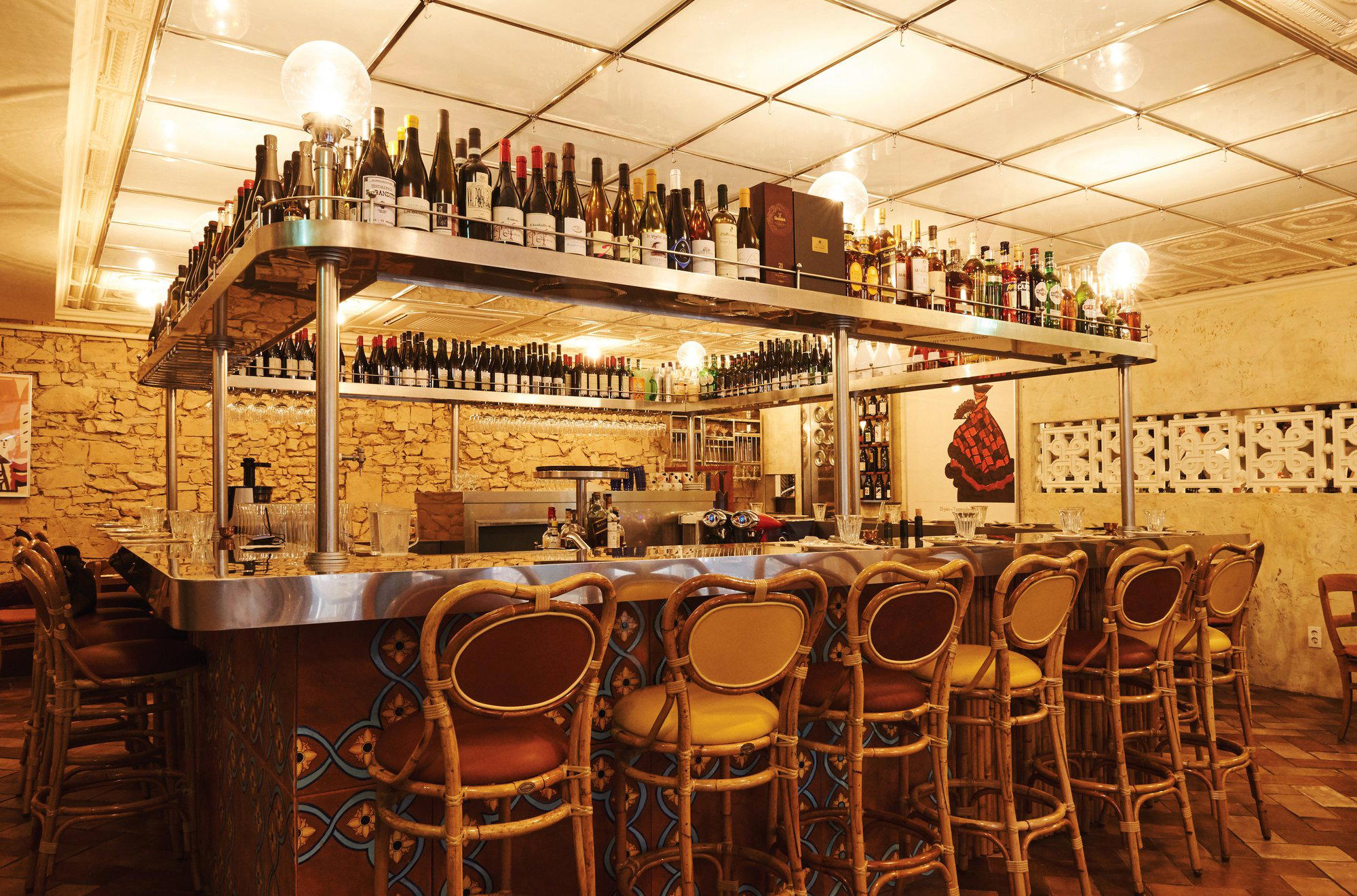
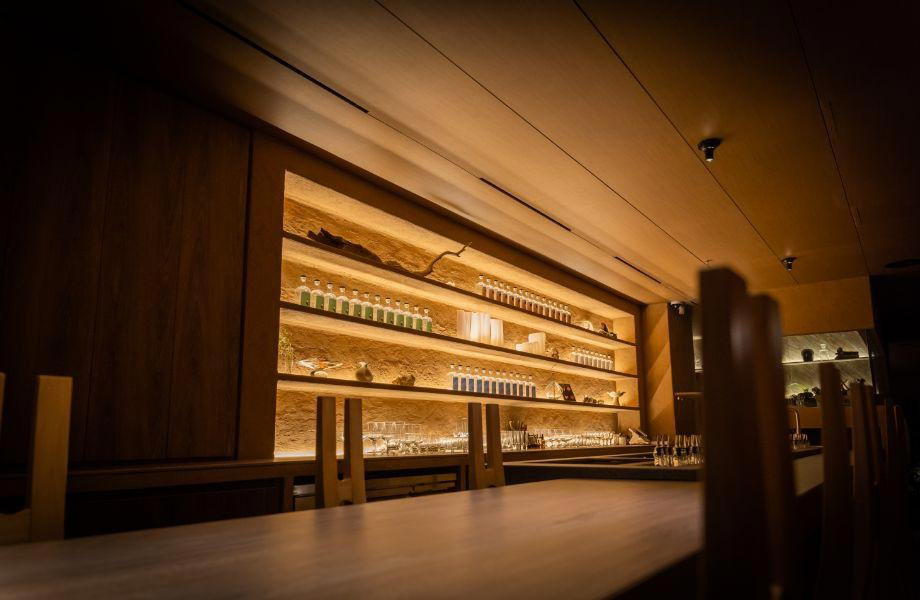
Serene and contemplative with three distinct areas: a spacious hall with black tile flooring and pale grey walls displaying ceramic ornaments, an intimate room with a timber-inlaid table featuring a water feature, and a white hanji-lined room resembling a traditional Korean sarangbang. Diners sit on floor cushions at low tables in traditional Korean style.