Badang Lounge
Badang Lounge sits within Jeju's growing circuit of destination bars and lounges, where the island's distinct agricultural and coastal ingredients shape what ends up in the glass and on the plate. Jeju has cultivated a serious dining identity in recent years, and Badang Lounge is part of that conversation. Check current details directly before visiting, as the venue's specifics are best confirmed on the ground.
Pearl is the En Primeur Club membership app — saves, bookings, and concierge access live there. Same editors, same standards.
- Address
- Jeju, South Korea
- Directions
- Get directions
 Saves & bookings on Pearl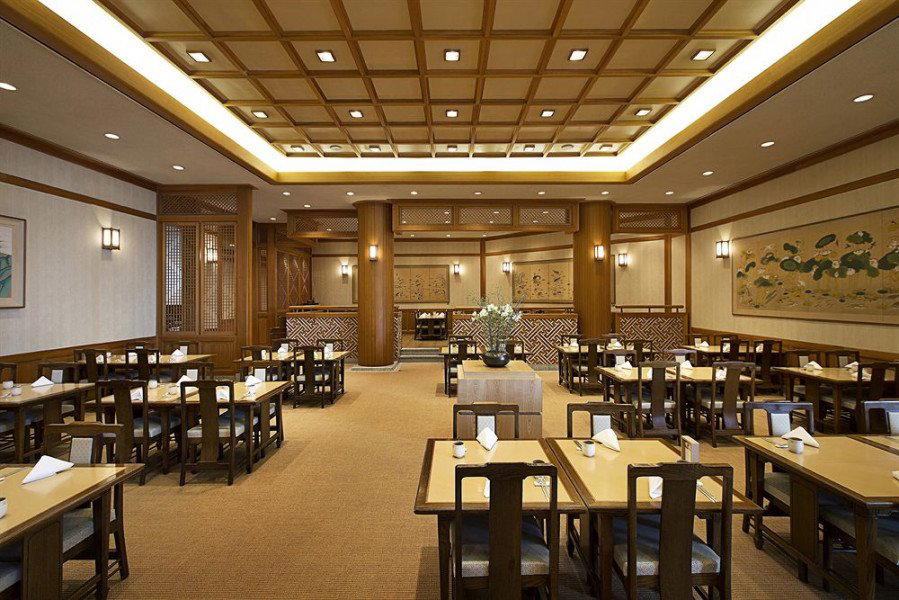
Jeju's Ingredient Story, Told From a Lounge
Jeju Island has spent the better part of the last decade building a food and drink identity that doesn't simply mirror Seoul. The island's volcanic soil, temperate maritime climate, and proximity to some of South Korea's most productive fishing waters have given its hospitality scene something to work with that mainland restaurants often have to import. Badang Lounge is a Korean lobby lounge in Jeju, priced at about $35 per person and recommended for reservations.
For visitors arriving from Seoul's more formal fine dining corridor, the shift in register that Jeju offers is worth noting. Restaurants like Mingles in Seoul or Atomix in New York City operate within a high-formality framework defined by tasting menus, wine pairings, and front-of-house choreography calibrated to awards scrutiny. Jeju's lounge-format venues tend to sit outside that framework by design, prioritizing accessibility and a connection to local product over ceremony. That positioning is not a concession, it reflects a different set of priorities.
What Jeju Produces and Why It Matters Here
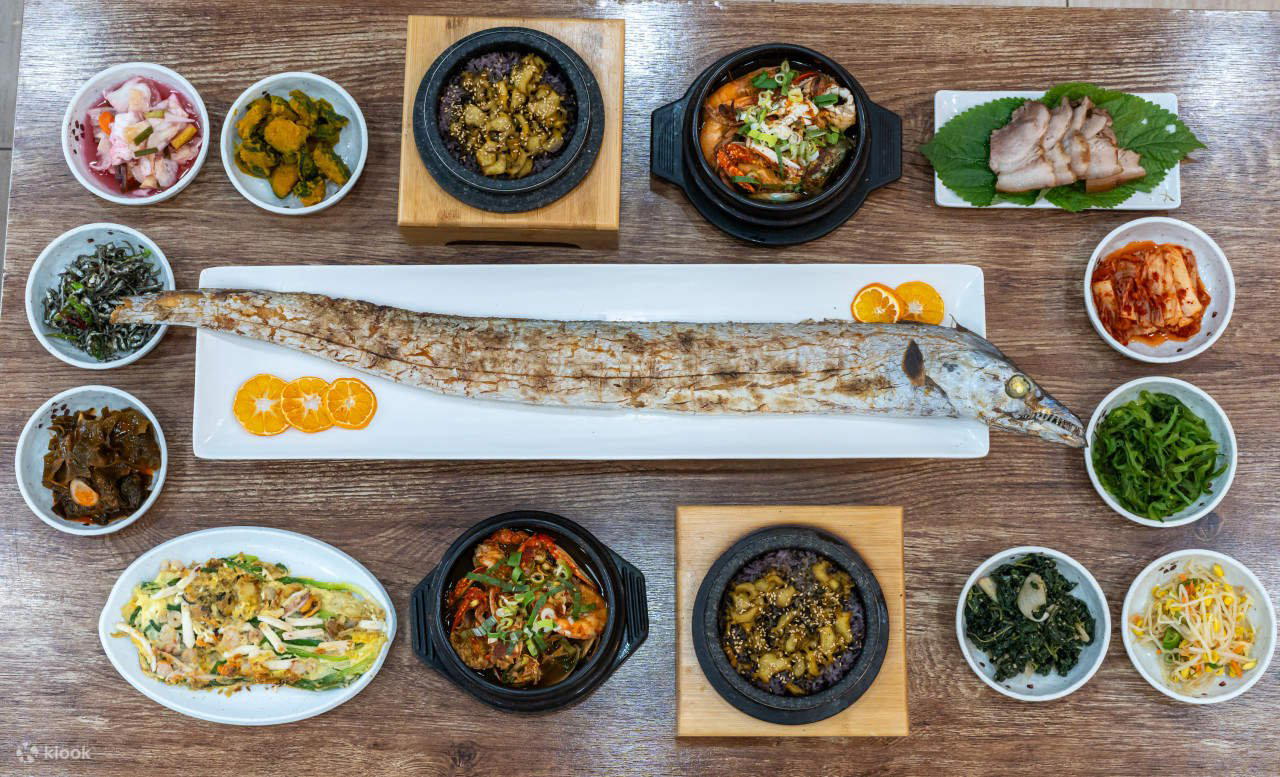
The raw material argument for Jeju is not difficult to make. The island's haenyeo diving culture has supplied restaurants and households with abalone, sea urchin, and assorted shellfish for centuries, long before Korean fine dining became an international conversation. Jeju black pork, a breed distinct from mainland varieties, has its own protected identity and a dense network of dedicated restaurants and butchers. Hallasan's slopes yield citrus, particularly the Hallabong tangerine, alongside a range of foraged herbs and wild greens that appear in both traditional temple cooking and more contemporary preparations.
Jeju's citrus production is significant enough that it shapes the island's drink culture as well. Local distilleries and bar programs have incorporated tangerine peel, fermented fruit, and Jeju-grown botanicals into spirits and cocktails in ways that mainland venues rarely replicate with the same degree of specificity. For a lounge operating on the island, ingredient provenance isn't a marketing angle so much as a practical advantage: the supply chain is short, the product is identifiable, and the story writes itself for a curious visitor.
This is the environment in which Badang Lounge operates. While specific menu details and chef credentials are not listed here, the broader context of Jeju's ingredient-led hospitality scene gives a useful frame. For comparison, venues like Black Pork BBQ in Seogwipo and 88돼지 in Jeju City anchor their offer explicitly in Jeju's most recognizable protein. A lounge format like Badang's suggests a different approach to the same resource pool, less grill-forward, more considered in presentation.
Where Badang Lounge Sits in the Jeju Dining Spectrum
Jeju's dining scene currently spans a meaningful range. At the formal end, contemporary Korean restaurants price and present themselves against Seoul peers. At the casual end, market stalls and haenyeo restaurants serve raw catch with minimal intervention. The lounge format occupies middle ground: a space for drinks-led occasions with food that goes beyond bar snacks, often designed for the kind of extended evening that Jeju's slower pace encourages.
That middle tier is where some of the island's more interesting creative decisions happen. Without the pressure of a tasting menu format, operators have room to respond to what's available that week, to run shorter menus, and to foreground a single ingredient rather than construct a multi-course narrative around a theme. Venues like Hinode in Seogwipo point to the island's appetite for imported culinary formats reinterpreted through local supply. The restaurant, based on its name and positioning, reads as part of a similar conversation.
For broader context on how Korean fine dining intersects with international reference points, the trajectory of Dining Room in Busan and Mori in Busan illustrates how secondary Korean cities have built credible dining identities outside Seoul's gravitational pull. Jeju is doing something similar, with the additional advantage of a genuinely distinct ingredient base.
Planning Your Visit
Jeju's hospitality scene moves quickly, and venue specifics can shift between seasons, particularly in the shoulder months of spring and late autumn when tourist volumes vary considerably from peak summer.
Visitors combining Jeju with a mainland Korea trip will find useful context in venues across the country: Doosoogobang in Suwon, Injegol in Inje County, and Market Café in Incheon each offer a different read on Korean hospitality outside the capital. Further afield, Hwangnam Bread and Busan Steamed Bun in Gyeongju and Gyeongju Wonjo Kongguk point to the depth of regional food culture that sits outside the fine dining conversation entirely. For those with an interest in contemplative dining formats, Baegyangsa Temple in Jangseong-gun represents the temple cuisine tradition at its most considered. And for international reference points on what a tightly focused, ingredient-led restaurant can achieve at the highest level, Le Bernardin in New York City and Double T Dining in Gangneung provide useful comparison. Additional Korean dining reference: Gobojeong Galbi in Suwon and Pho Saigon in Junggu round out the broader Korean dining picture.
Side-by-Side Snapshot
Comparable venues nearby, for context on price, style, and recognition.
| Venue | Cuisine | Price | Notes |
|---|---|---|---|
| Badang LoungeThis venue — the venue you are viewing | Korean Lobby Lounge | $$$ | Not listed |
| 88돼지 | 제주 흑돼지 BBQ | $$$ | 연동 |
| Cheon Jee (천지) | Modern Jeju Korean Cuisine | $$$ | 중문 (Jungmun) |
| 우텐더 (Wootender) (우텐더) | Premium Korean Hanwoo BBQ | $$$ | Apgujeong |
| Hanmiok | Modern Korean BBQ | $$$ | 압구정동 |
| Hongdae Restaurant GIT TTEUL | Korean Pork BBQ | $$ | 연남동 |
At a Glance
- Romantic
- Cozy
- Elegant
- Intimate
- Date Night
- Casual Hangout
- Live Music
- Hotel Restaurant
- Craft Cocktails
- Local Sourcing
- Garden
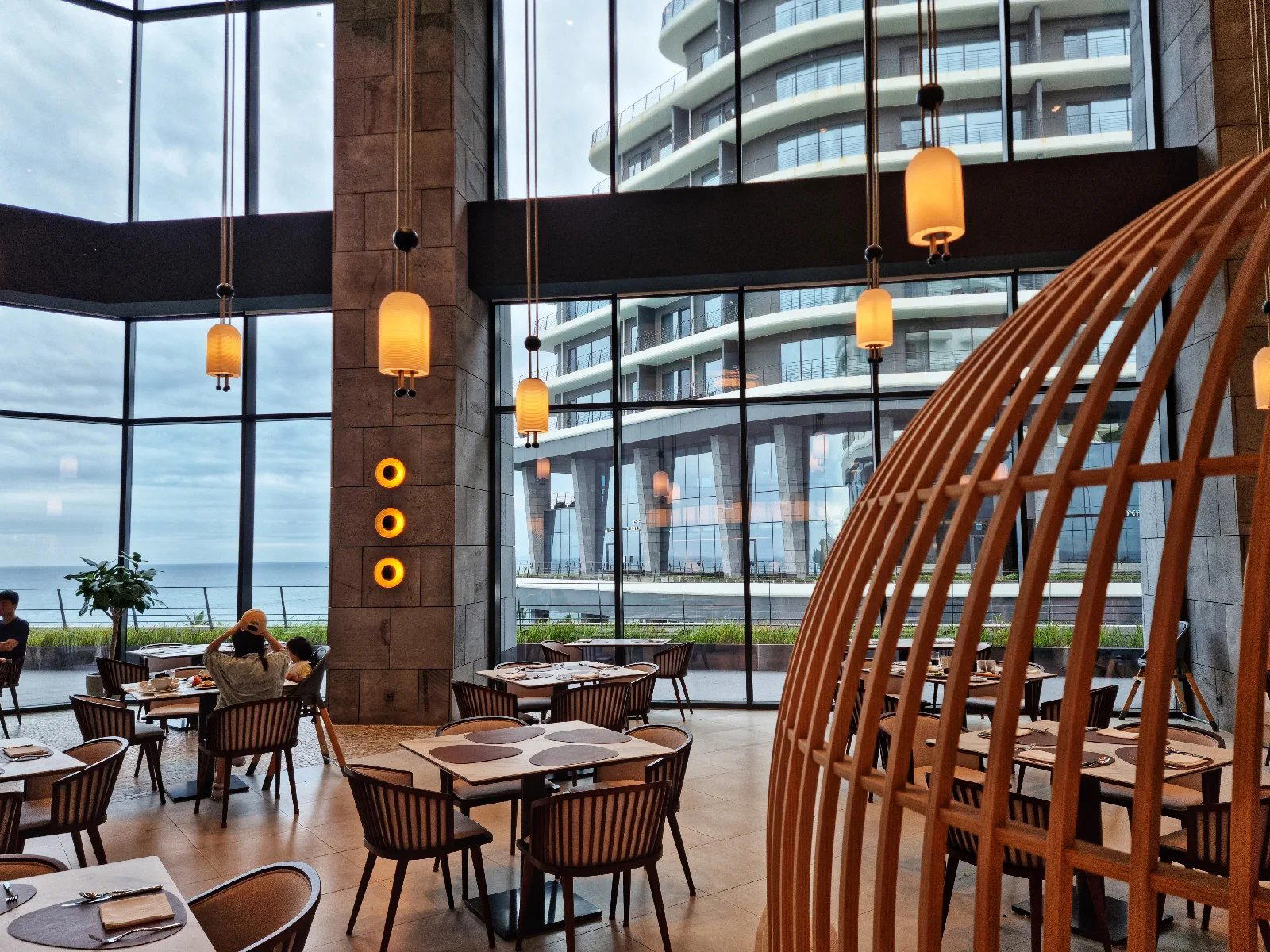
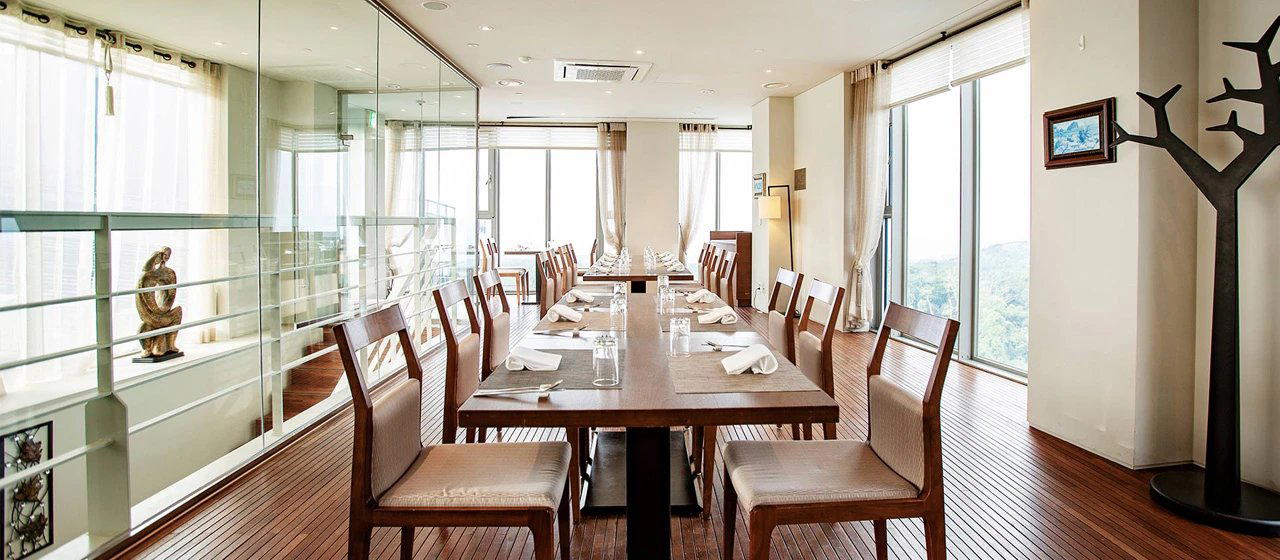
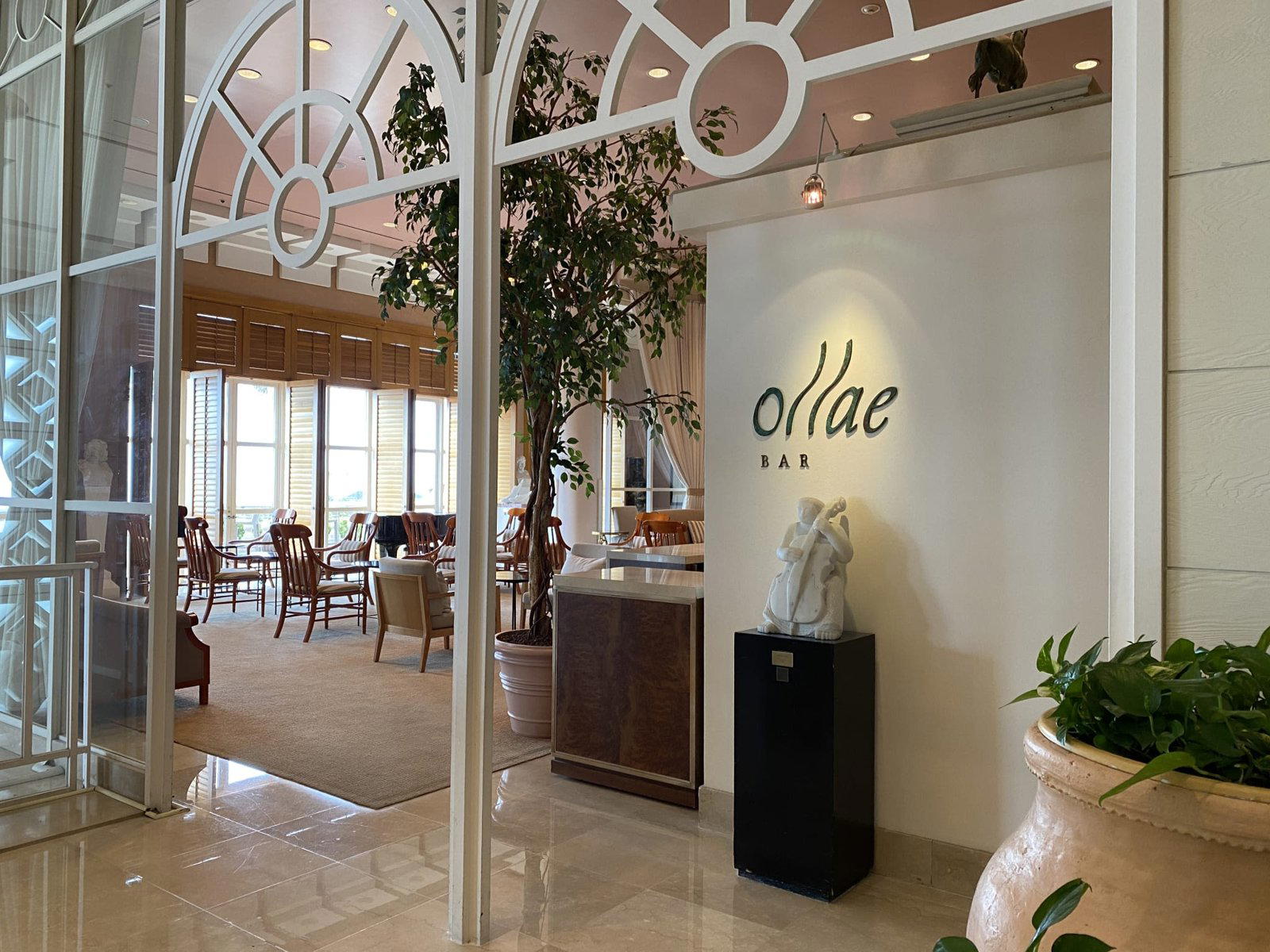
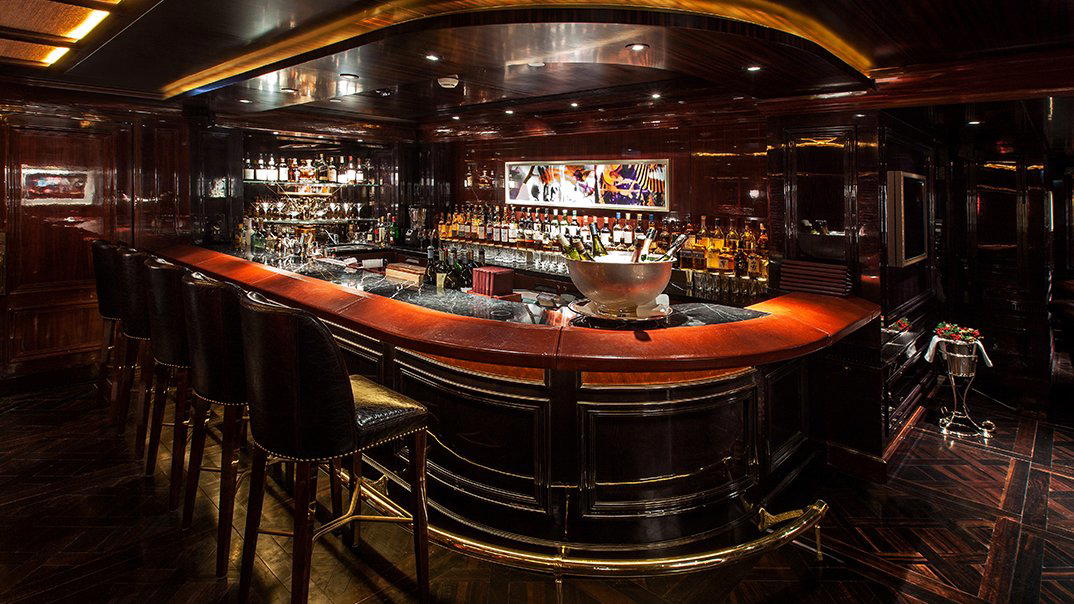
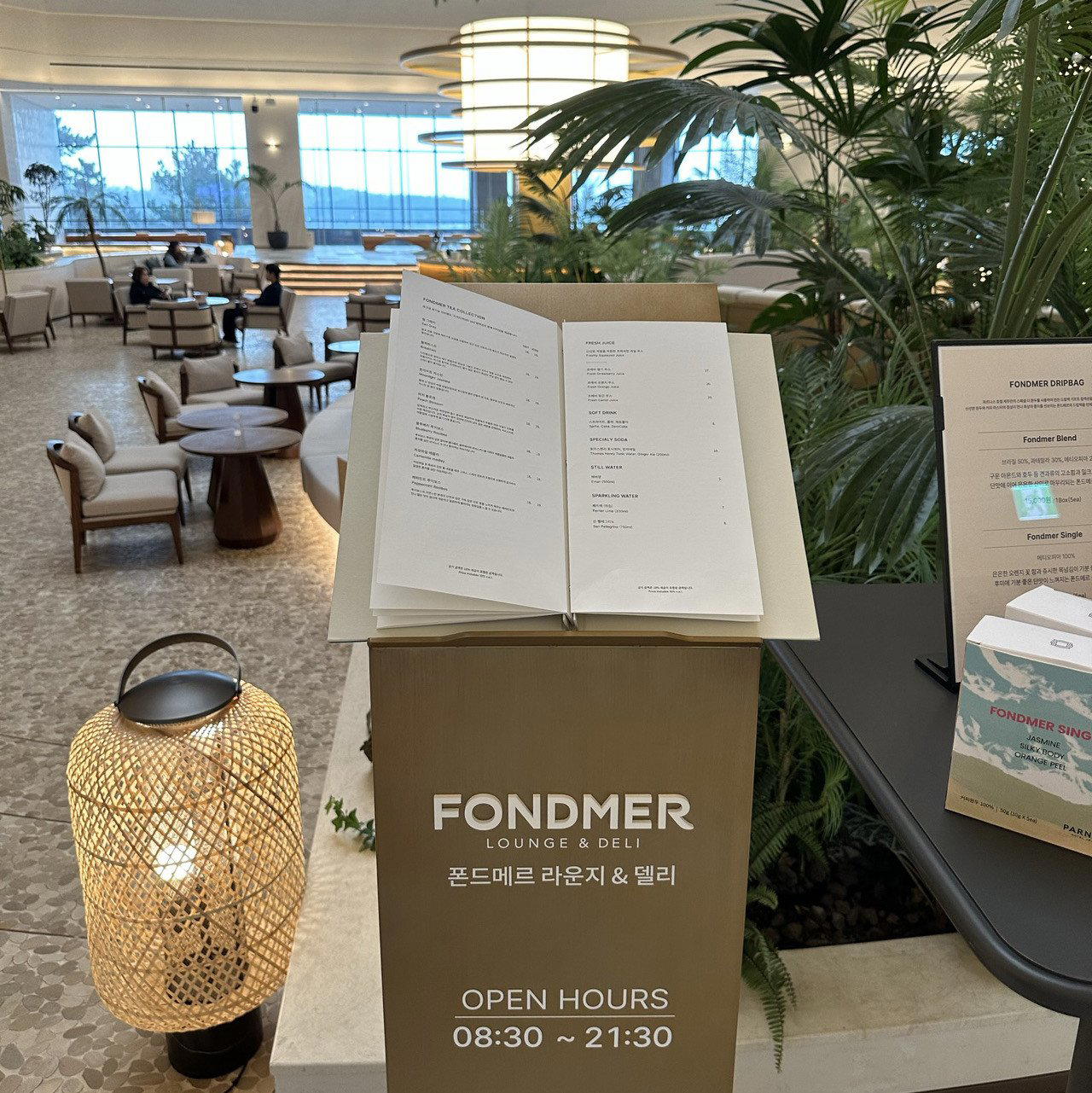
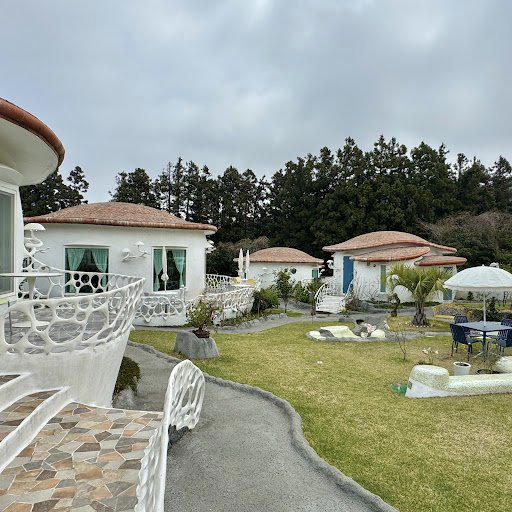
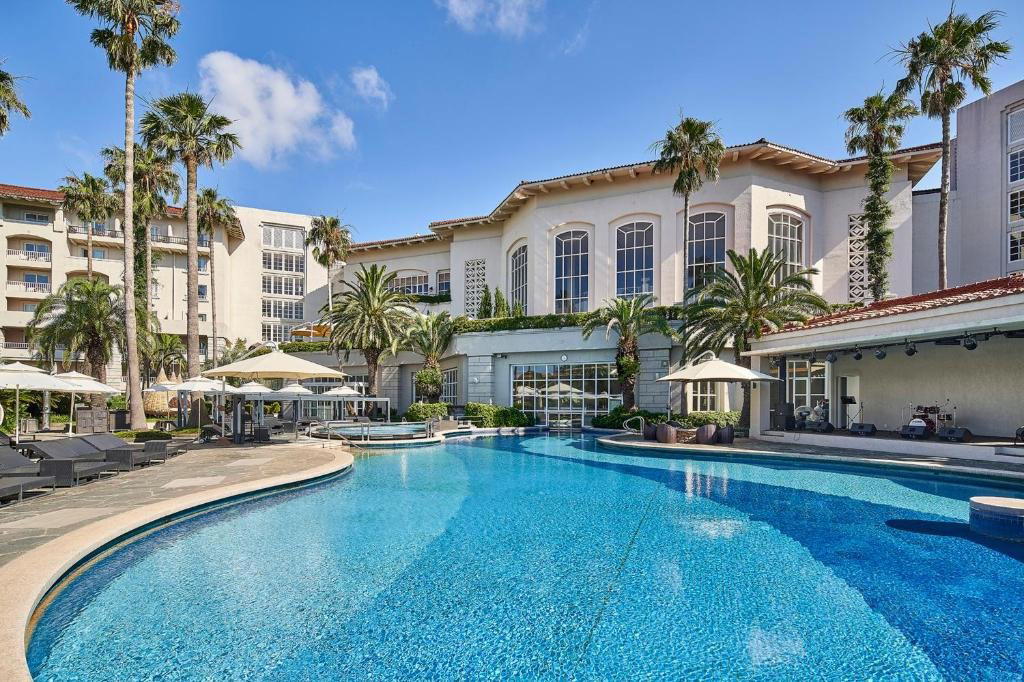
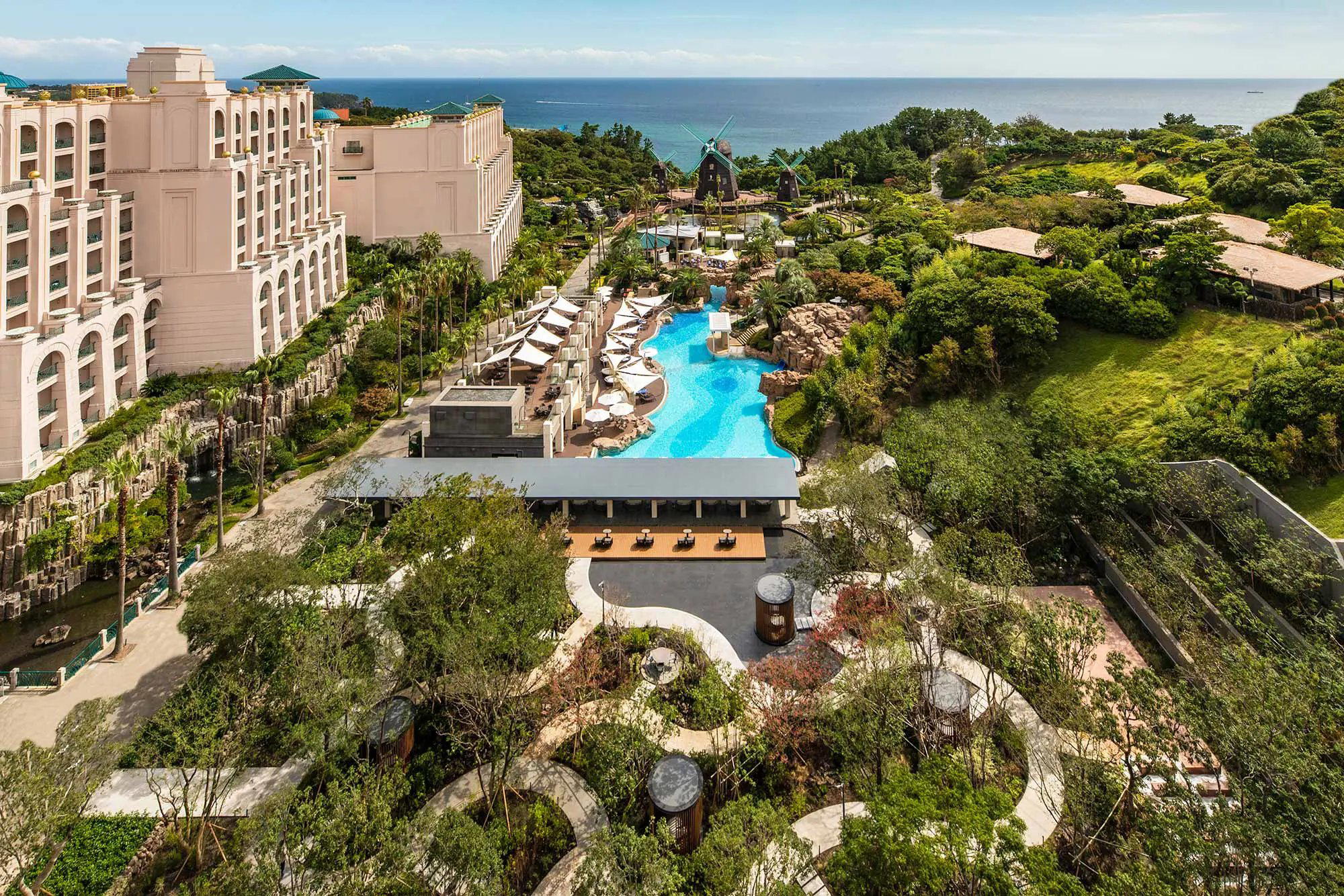
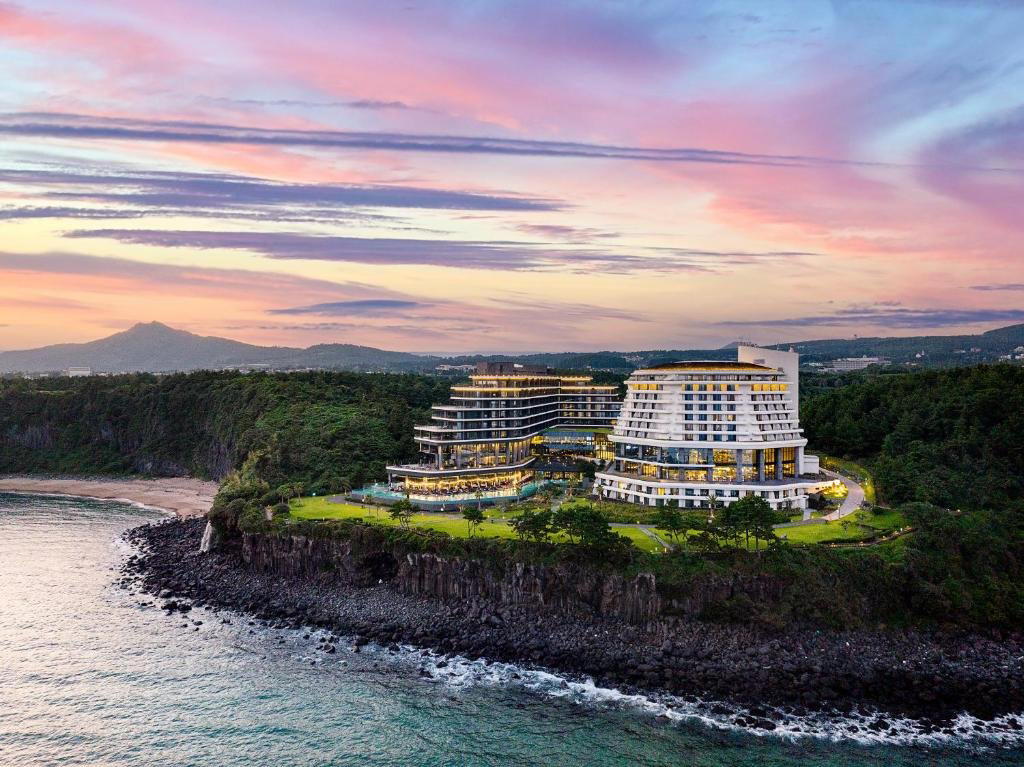
Relaxed with soothing live music, rattan chairs, snug sofas, cool fountain, and views of swaying tall grass.