Soigné






Soigné operates at the sharper end of Seoul's fine-dining scene, holding two Michelin stars and a place at No. 57 on Asia's 50 Best Restaurants 2025. Chef Jun Lee's innovative tasting menu occupies the second floor of Sinsa Square in Gangnam's Sinsa-dong, where contemporary Korean technique meets a format that competes directly with the city's most awarded tables. La Liste placed it at 88 points in 2026.
Pearl is the En Primeur Club membership app — saves, bookings, and concierge access live there. Same editors, same standards.
- Address
- South Korea, Seoul, Gangnam District, Sinsa-dong, SINSA SQUARE, 2F
- Phone
- +82 2-3477-9386
- Website
- soignerestaurantgroup.com
- Directions
- Get directions
 Saves & bookings on Pearl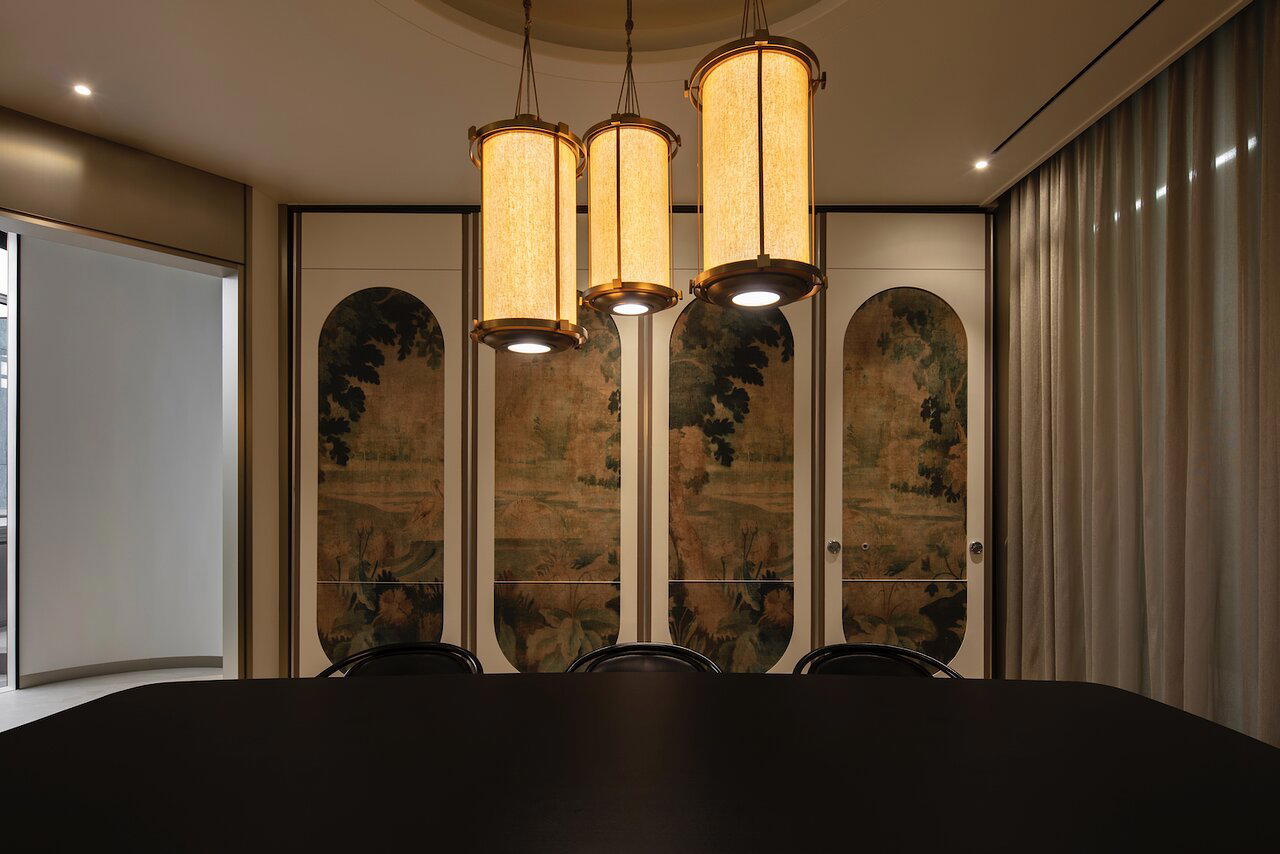
Where Gangnam's Fine-Dining Ambition Comes Into Focus
The second floor of Sinsa Square sits on a Sinsa-dong block that has quietly accumulated some of Seoul's more serious dining addresses over the past decade. Gangnam's restaurant scene has always moved faster than the city's older neighbourhoods, and the strip around Sinsa and Apgujeong now functions as a proving ground for ambitious contemporary Korean cooking. Soigné holds a precise position within that geography: two Michelin stars, a ranking of No. 57 on Asia's 50 Best Restaurants (2025), and 88 points from La Liste in 2026, which marked a four-point rise from its 84-point score the year before. That trajectory matters in a tier where scores tend to plateau.
The Format That Seoul Has Made Its Own
Seoul's rise as a fine-dining reference point in Asia tracks closely with a specific format: the chef-led tasting menu that draws on Korean culinary memory while refusing to reproduce it literally. The city now has a cluster of two-Michelin-star restaurants — including Mingles and Jungsik — that have each found a different answer to the same structural question: how much of Korean tradition should anchor a menu that also wants to speak to an international palate trained on European fine-dining conventions?
Soigné's classification as Innovative rather than strictly Contemporary Korean places it in a cohort that includes Ryunique and Zero Complex, where the tension between Korean sourcing and cross-cultural technique is less resolved than in restaurants that have chosen a clearer side. That unresolved tension is the point. The ₩₩₩₩ price tier puts it in direct comparison with Kwon Sook Soo and Gaon, though the aesthetic languages those restaurants speak are quite different.
Jun Lee and the Credentials Behind the Counter
Chef Jun Lee is the name attached to both La Liste citations and to Soigné's Michelin recognition. In a city where the leading tasting-menu restaurants are tightly identified with their head chefs, partly a structural feature of the format, partly a reflection of how Seoul's food media covers fine dining, the two-star designation functions as much as a credential for the chef as for the address. Soigné's La Liste score climbing from 84 to 88 points across consecutive years suggests a kitchen that is still developing rather than consolidating a fixed identity, which in the context of Seoul's competitive restaurant tier is a more interesting signal than a static score.
Innovation as a Seoul Category
Across Asia, the Innovative classification in fine-dining directories has come to cover a wide range of practices, from pan-Asian fusion to single-origin ingredient-driven menus with European plating discipline. In Seoul specifically, it tends to describe restaurants where Korean pantry ingredients, ferments, aged sauces, seasonal produce from specific regional suppliers, appear inside a service architecture borrowed from French or contemporary European tradition. This is distinct from, say, Alla Prima, which operates on a different format register, or Evett, which applies a more explicitly Western technique framework to its ingredients.
The comparison extends beyond Seoul. Thevar in Singapore and Meta in Singapore occupy a structurally similar position in their city's fine-dining hierarchy, Innovative-classified, Michelin-recognised, and working at the intersection of a strong local culinary tradition and European fine-dining form. MAZ in Tokyo follows a related logic from a Peruvian-Japanese angle. The format has become one of the defining shapes of Asian fine dining in the mid-2020s, and Seoul is producing some of its more awarded iterations.
Soigné in the Context of Korea's Broader Scene
Seoul dominates Korean fine dining by concentration, but the country's restaurant recognition has broadened. Mori in Busan and Baegyangsa Temple in Jangseong-gun represent the geographic spread of serious Korean dining beyond the capital, while addresses like The Flying Hog in Seogwipo point to a regional dining identity that has little to do with Gangnam's fine-dining register. Soigné, by contrast, is explicitly of Seoul and of Gangnam: the location, the format, and the award positioning all place it inside the capital's competitive upper tier rather than within any broader national culinary tradition.
Michelin-starred restaurants in Seoul at this price level occasionally attract polarised reviews from diners whose expectations were shaped by different dining formats.
Planning Your Visit
| Detail | Soigné | Peer Reference |
|---|---|---|
| Location | Sinsa Square, 2F, Sinsa-dong, Gangnam | Gangnam district concentration |
| Price tier | ₩₩₩₩ | Consistent with Seoul two-star tier |
| Michelin recognition | 2 Stars (2024, 2025) | Mingles, Jungsik (comparable tier) |
| Asia's 50 Best | No. 57 (2025) | Peer: Ryunique (Seoul, listed) |
| La Liste score | 88pts (2026), 84pts (2025) | Rising score trajectory |
| Above average for price tier | ||
| Booking method | Advance reservation required | Standard for Seoul tasting-menu format |
Sinsa-dong is accessible via Sinsa station on Seoul Metro Line 3. The Gangnam district's restaurant cluster is walkable once you arrive, with several of the city's other tasting-menu addresses within a short distance. For a broader view of what Seoul's dining scene offers across formats and price points, see our full Seoul restaurants guide. If you're also planning accommodation, our Seoul hotels guide covers the city's upper tier. For drinks programming around a dinner reservation, our Seoul bars guide maps the relevant options. The city's wine and beverage scene is covered in our Seoul wineries guide, and cultural programming beyond dining in our Seoul experiences guide.
Comparison Snapshot
A short peer table to compare basics side-by-side.
| Venue | Cuisine | Price | Awards |
|---|---|---|---|
| SoignéThis venue — the venue you are viewing | Innovative | ₩₩₩₩ | Michelin 2 Stars, World's 50 Best Asia's Best Restaurants #57 (2025), Asia's Best Restaurants #57 (2025) |
| 7th Door | Korean, Contemporary | ₩₩₩₩ | Michelin 1 Star |
| Solbam | Contemporary | ₩₩₩₩ | Michelin 1 Star |
| Onjium | Korean | ₩₩₩₩ | Michelin 1 Star |
| L'Amitié | French | ₩₩₩ | Michelin 1 Star |
| Zero Complex | Korean-French, Innovative | ₩₩₩₩ | Michelin 1 Star |
Recognition history
Dated appearances from independent guides and award organizations, with the underlying list record or original source where available.
Black Pearl 1 Diamond
Black Pearl
La Liste Top Restaurants
La Liste
Opinionated About Dining Top Restaurants in Asia Ranked #53
Opinionated About Dining
Wine Spectator Best of Award of Excellence
Wine Spectator
World's 50 Best Asia's Best Restaurants #74
World's 50 Best
La Liste Top Restaurants
La Liste
Michelin 2 Stars
Michelin
The Best Chef One Knife
The Best Chef
World's 50 Best Asia's Best Restaurants #57
World's 50 Best
Michelin 2 Stars
Michelin
Continue exploring
More in Seoul
Restaurants in Seoul
Browse all →
At a Glance
- Elegant
- Modern
- Sophisticated
- Intimate
- Date Night
- Celebration
- Special Occasion
- Open Kitchen
- Private Dining
- Extensive Wine List
- Local Sourcing
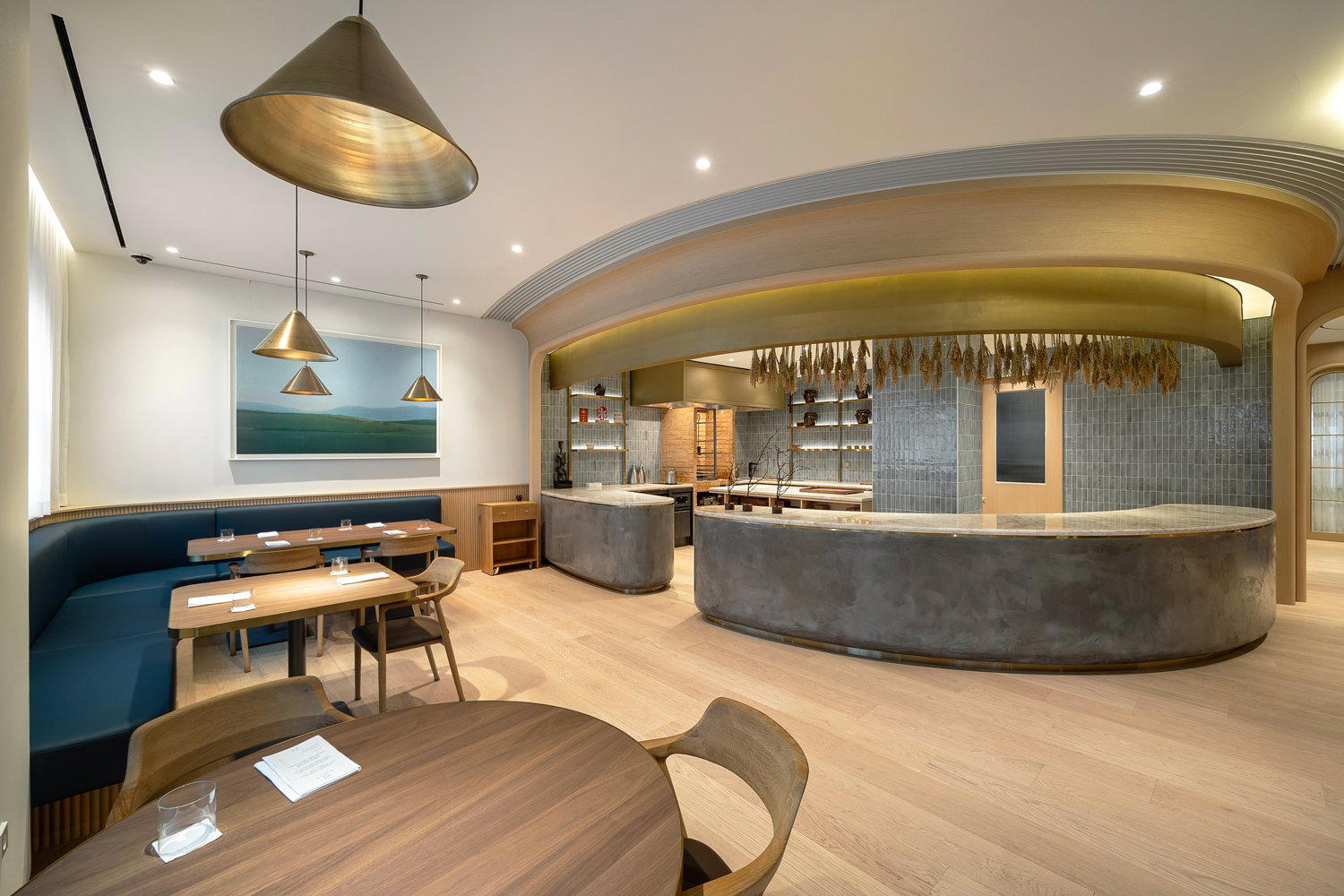
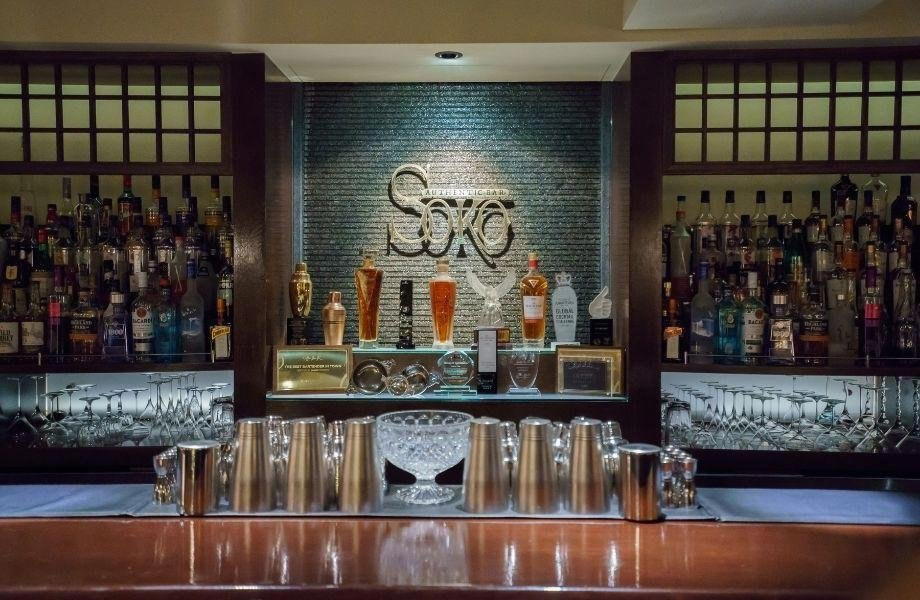
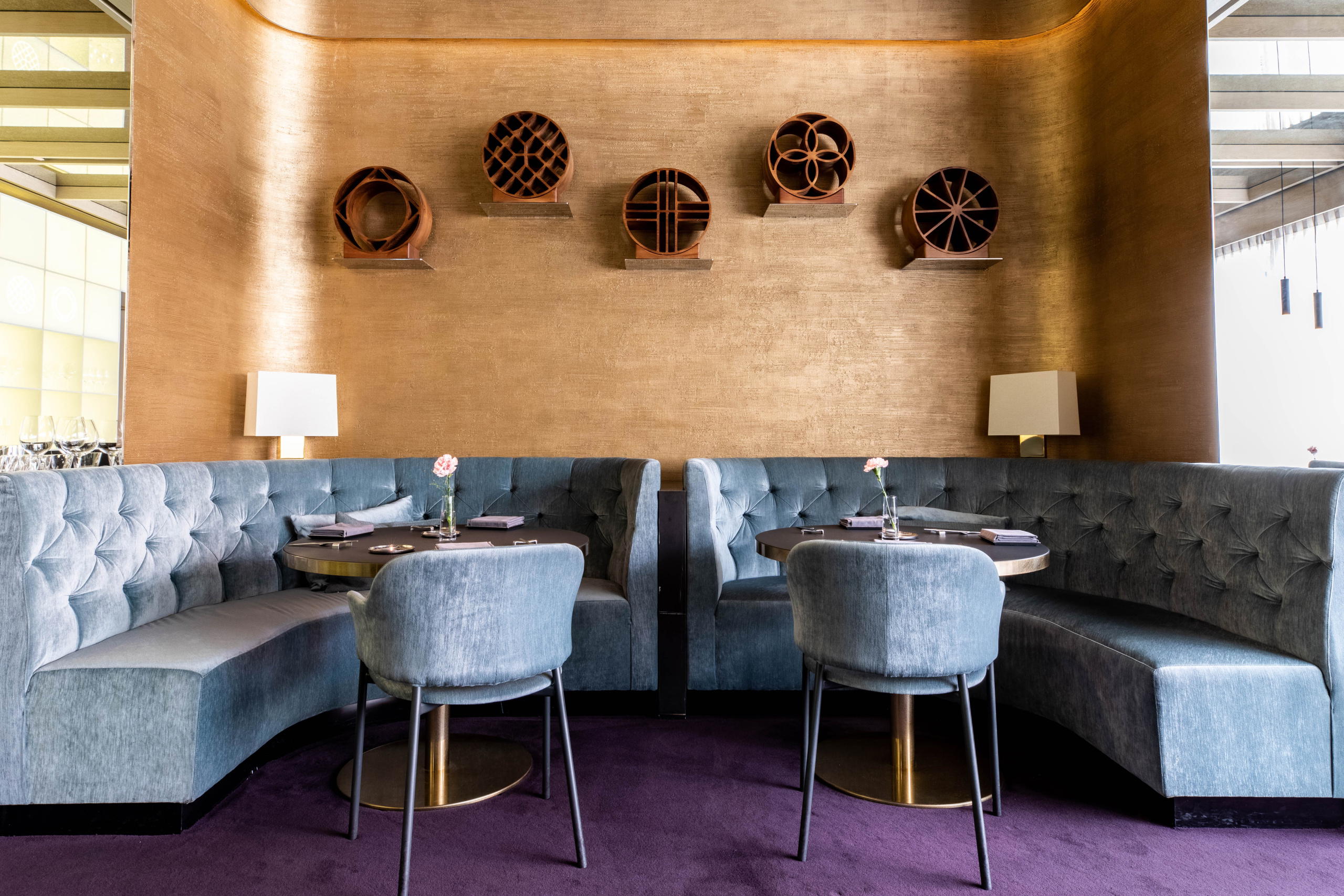
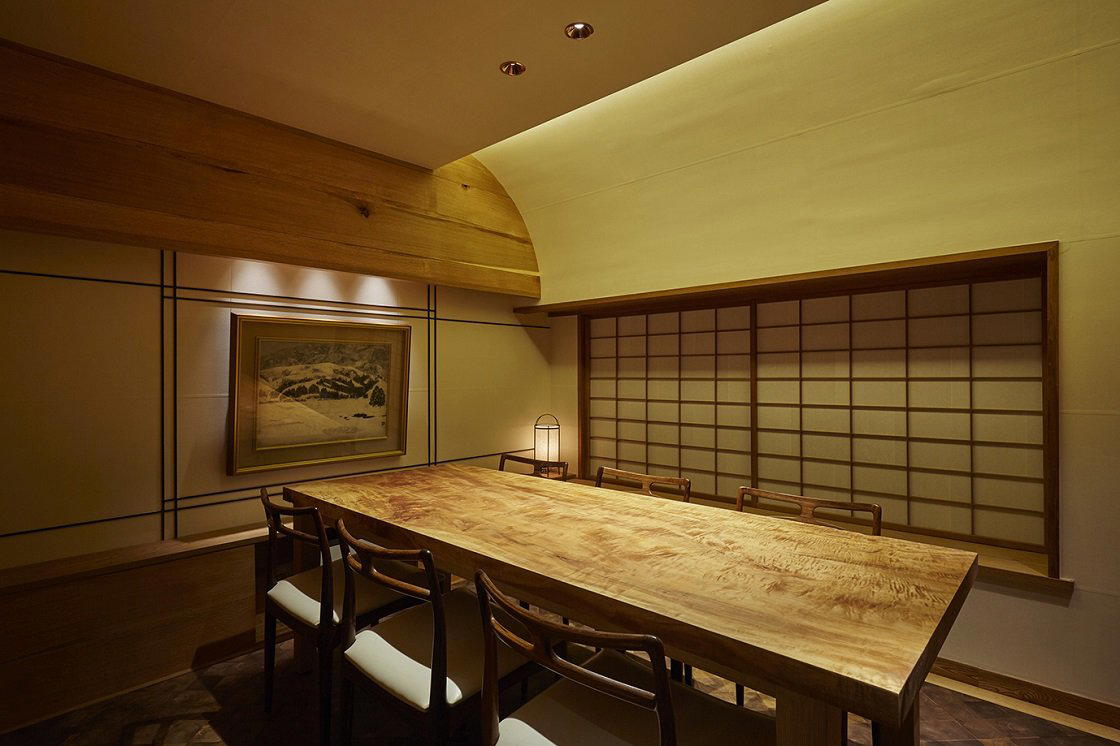
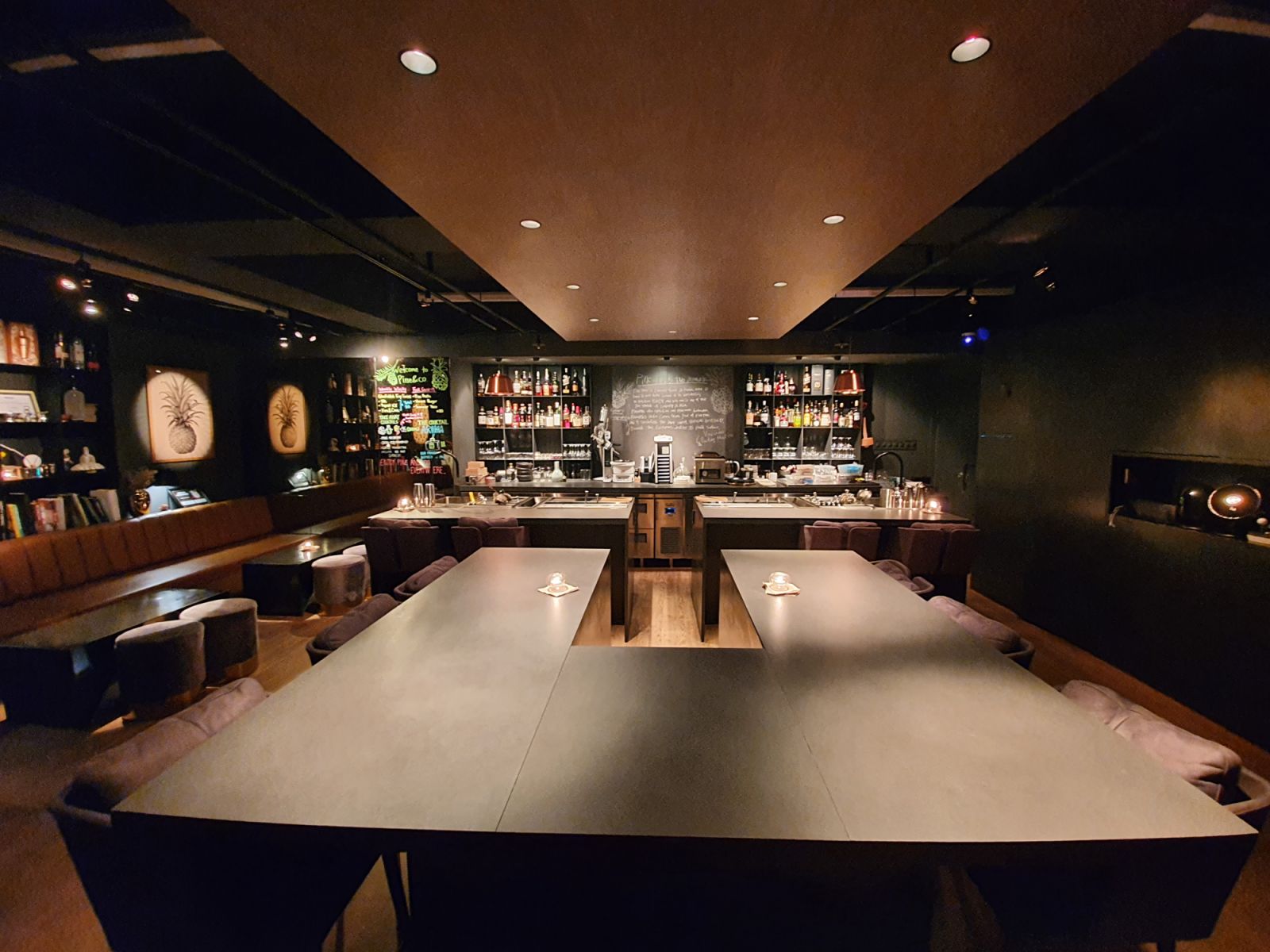
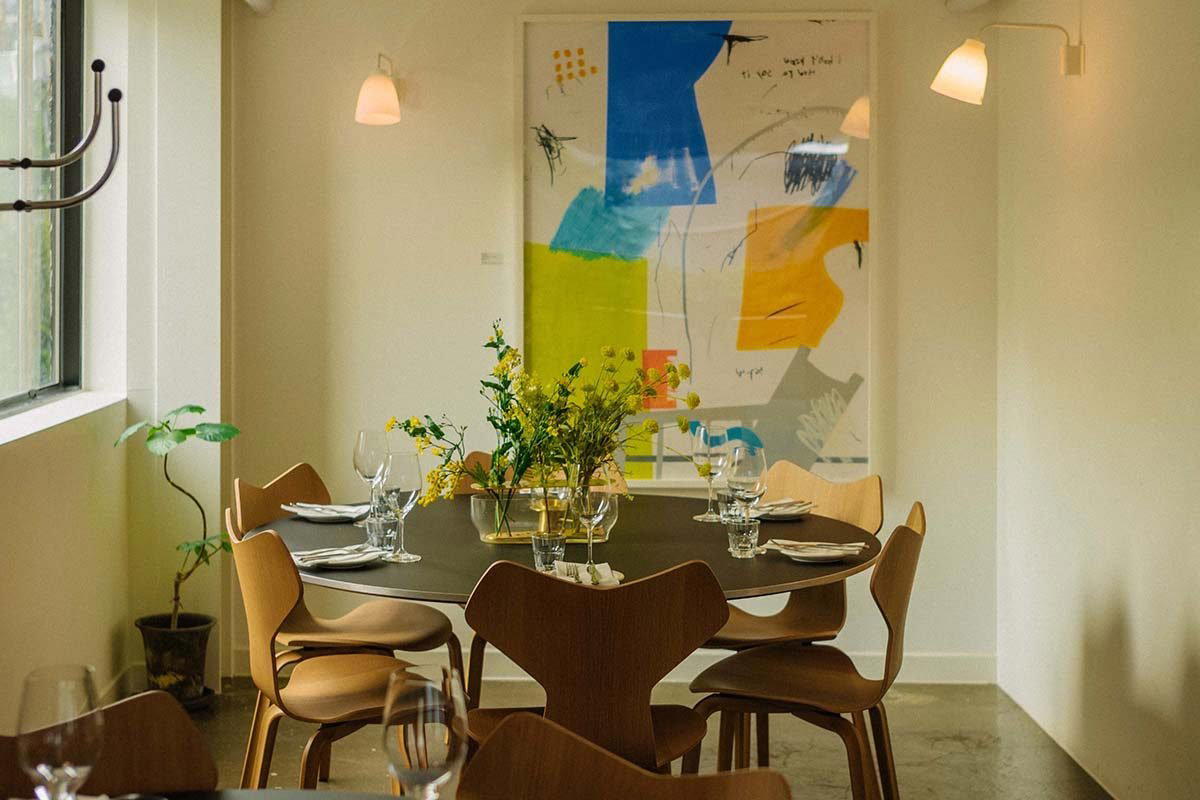
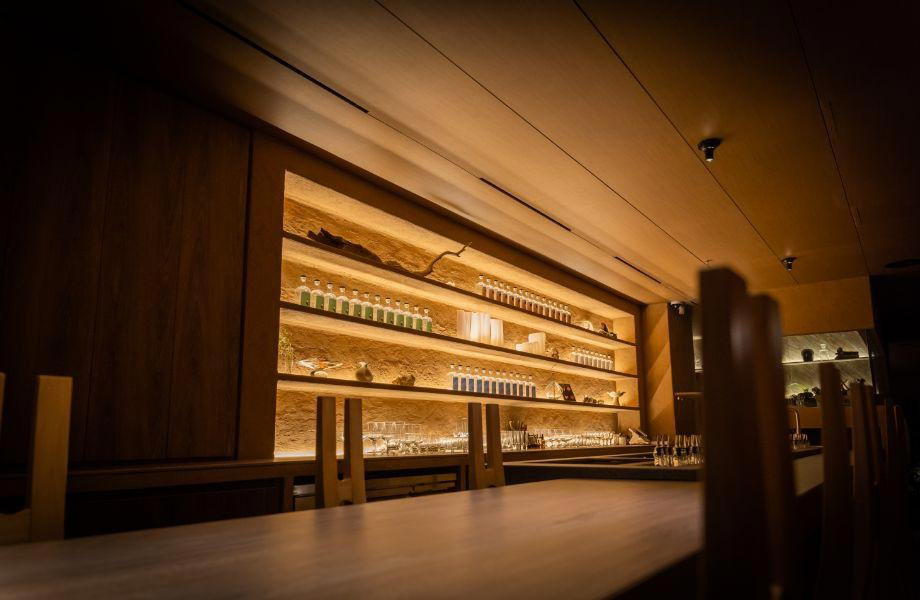
Elegant and modern atmosphere with open kitchen view, chic design balancing sophistication and intimacy.
Know Before You Go
- Getting there
- South Korea, Seoul, Gangnam District, Sinsa-dong, SINSA SQUARE, 2F