7th Door






1 Michelin Star · World's 50 Best #49 · La Liste Top Restaurants
Our verdict
7th Door reads Seoul’s contemporary Korean dining through fermentation, aging, and the grammar of the banchan table rather than through spectacle. Chef Kim Dae-chun’s Gangnam restaurant carries Michelin recognition, Asia’s 50 Best placement, La Liste scoring, and OAD ranking, making it a serious reference point for how modern Korean cooking is being codified for tasting-menu dining.

Pearl is the En Primeur Club membership app — saves, bookings, and concierge access live there. Same editors, same standards.
- Address
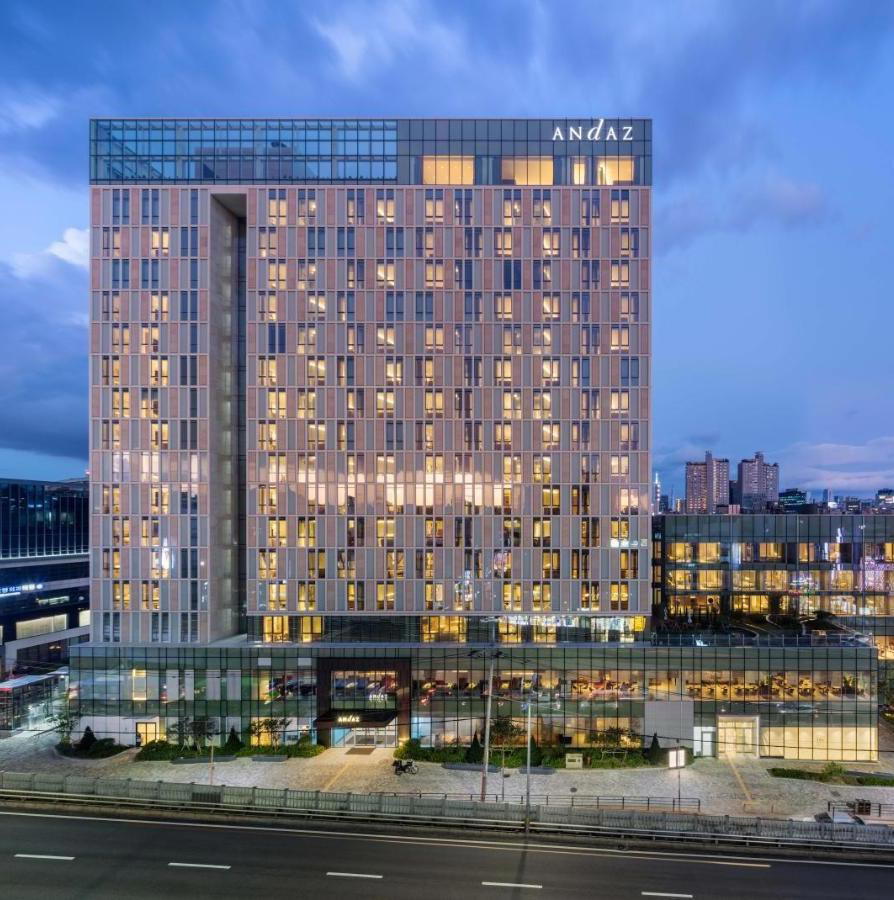
- 4F, 41 Hakdong-ro 97-gil, Gangnam District, Seoul, South Korea
- Phone
- +82 2-542-3010
- Hours
- Mon ClosedTue–Sat 12–3 PM, 6–10 PMSun Closed
- Website
- 7thdoor.kr
- Directions
- Get directions
The menu
What to order
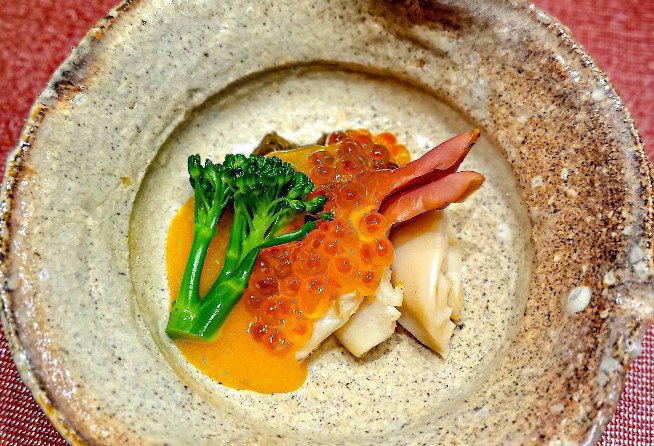
- Daechun Kim seaweed caviar
- Roasted Lobster with Citrus Cheong
- Korean Beef
Approach the room expecting control, not noise. Seoul’s contemporary Korean counters and tasting-menu rooms have grown more exacting, and this rhythm belongs to that newer register: disciplined editing rather than abundance, even when drawing on Korea’s multiplicity at the table. Small preparations, fermented accents, aged ingredients, and temperature shifts create a sequence closer to modern Korean grammar than Western fine-dining translation.
That matters because the banchan table has always been one of Korean food’s intellectual structures. Side dishes are not decorative; they carry preservation, seasonality, salt management, texture contrast, and household memory. Contemporary Seoul chefs have pulled that logic into tasting formats, turning accompaniment into argument. 7th Door sits inside that movement, making fermentation and aging central rather than background technique.
Fermentation turns the banchan idea into the main structure
The restaurant’s stated theme, fermentation and aging, goes straight to Korean gastronomy’s foundation: jang, pickling, drying, curing, and the patient conversion of raw ingredients into deeper flavor. In a traditional meal, those techniques support the table. In a tasting format, they pace it: acidity resets the palate, aged depth gives small courses weight, and fermented elements can replace the heavy sauces of other luxury traditions.
This banchan angle helps read the meal. Korean dining has long built a table through relation rather than hierarchy: rice, soup, kimchi, namul, jeon, grilled elements, and jang-based seasoning working by proximity. A modern tasting menu cannot reproduce that literally without losing precision, so stronger restaurants abstract the system. Variety becomes sequencing, accompaniment becomes contrast, and preservation becomes flavor architecture.
7th Door’s name refers to “the seven tastes of food”: the five basic tastes, the sixth taste of fermentation and aging, and a seventh tied to the chef’s culinary sensibility. The phrasing could sound conceptual in lesser hands, but the point is practical. Seoul’s contemporary Korean restaurants are increasingly judged on making tradition legible without museum work. Fermentation gives this kitchen a credible bridge: historical, technical, and naturally suited to fine-dining cadence.
The city context matters. Seoul has deep restaurant culture beyond luxury dining, from soup shops and barbecue rooms to temple cuisine and market counters. A tasting-menu restaurant working with Korean identity competes not only with international fine dining, but with the emotional authority of everyday Korean food. The best modern Korean rooms do not try to out-comfort a neighborhood staple; they isolate technique, sharpen seasoning, and compress familiar preparations into smaller, deliberate forms.
Kim Dae-chun's modern Korean lane has measurable weight
Chef Kim Dae-chun gives the restaurant its clearest credential, though biography is not the story by itself. More useful is how his cooking continues to diversify and deepen over time. The menu at 7th Door embodies the culinary direction he wishes to pursue, largely through modern Korean preparations shaped by fermentation and aging. The restaurant’s recognition includes Black Restaurant Gu, but its more meaningful signal is the coherence of the idea: careful ingredients, patient technique, and a theme tied closely to Korean gastronomy.
Those credentials matter less as trophies than as category placement. External recognition can help a restaurant enter itinerary logic for travelers, but 7th Door is better understood through the craft it foregrounds. When a Seoul restaurant makes fermentation and aging central, it invites diners to compare not just luxury formats, but the ways preservation, balance, and restraint can become a full meal’s architecture.
The cooking direction is modern Korean rather than fusion as a catchall. Fusion implies visible collision; modern Korean dining at this level works more quietly, using local preservation methods, rice culture, seaweed, vegetable preparations, broths, fermented seasonings, and calibrated courses within a global tasting-menu frame. The service format places it in the serious special-occasion bracket, but the better question is whether the meal reads Korean structurally, not only through ingredients.
Seoul also shapes expectation. The city’s luxury dining scene can be polished, technical, and internationally fluent, which makes rootedness more important rather than less. Stronger modern Korean rooms avoid sterility by letting fermentation, rice, broth, and banchan logic carry cultural weight. 7th Door’s premise addresses exactly that problem: making refinement feel rooted rather than imported.
How to place it on a Seoul dining itinerary
This is for diners interested in the evolution of Korean fine dining, not simply a polished Seoul dinner. The reward is intellectual as much as pleasurable: watching accompaniment, preservation, and aging become a tasting menu’s spine. Travelers seeking maximal comfort food may prefer a wider Korean itinerary around specialist restaurants; recognition-led diners will find the restaurant’s profile strong enough to consider.
The broader Seoul map helps. For contemporary Korean reference points, other Seoul dining rooms show how varied the city’s modern Korean category has become. For another register of tradition, unnamed comfort-focused and seasonal restaurants point toward the everyday intelligence of Korean cooking. The contrast is useful: the tasting-menu room makes more sense beside the dishes and habits it refines.
For trip planning beyond dinner, use our full Seoul restaurants guide alongside our full Seoul hotels guide, our full Seoul bars guide, our full Seoul wineries guide, and our full Seoul experiences guide. Seoul rewards sequencing: a high-concept dinner lands better when surrounding days include markets, tea, barbecue, soup, galleries, and late-night drinking rather than luxury rooms in isolation.
It is also worth placing Seoul inside a wider Korean and Korean-adjacent route. EP Club’s broader coverage can help readers think beyond one reservation and into a fuller trip built around regional cooking, casual formats, drinking culture, and temple or market traditions. For readers tracking East Asian food culture abroad, related casual and drinking formats sit on a different but connected map, though 7th Door remains a distinctly Seoul expression of modern Korean dining.
The editorial case for 7th Door is clear: it uses fermentation and aging to turn the banchan table’s supporting intelligence into the organizing principle of a contemporary Korean meal. The recognition confirms wider attention. The stronger reason to go is narrower and more interesting: few themes explain Korean cuisine as effectively as preservation, and this restaurant has made that theme its central language.
Frequently asked questions
What's the price range at 7th Door?
Specific pricing is not stated here.
What are the operating hours at 7th Door?
Specific operating hours are not stated here.
How would you describe the cuisine at 7th Door?
7th Door is shaped by modern Korean preparations, with fermentation and aging central to the menu.
How do I find 7th Door?
Seoul.
Budget Reality Check
| Venue | Cuisine | Price | Awards | Notes |
|---|---|---|---|---|
| 7th DoorThis venue — the venue you are viewing | Modern Korean Fermentation Fine Dining | $100–150 | 1 Michelin Star · World's 50 Best #49 | Not listed |
| Solbam | Contemporary Neo-Classical Korean | $200–300 | 1 Michelin Star · World's 50 Best #55 | Contemporary |
| Onjium | Modern Korean Royal Court Cuisine | Not listed | 1 Michelin Star · World's 50 Best #14 | Korean |
| L'Amitié | Classic French Fine Dining | $100–150 | 1 Michelin Star · La Liste Top Restaurants | French |
| Zero Complex | Modern French Neo-Bistro | $100–150 | 1 Michelin Star · La Liste Top Restaurants | Korean-French, Innovative |
| alla prima | Modern Fusion Fine Dining | $200–300 | 2 Michelin Stars · World's 50 Best #57 | Innovative |
Recognition history
Dated appearances from independent guides and award organizations, with the underlying list record or original source where available.
Michelin 1 Star
Michelin
World's 50 Best Asia's Best Restaurants #49
World's 50 Best
La Liste Top Restaurants
La Liste
Black Pearl 1 Diamond
Black Pearl
Opinionated About Dining Top Restaurants in Asia Ranked #84
Opinionated About Dining
Full recognition history (11 entries)
La Liste Top Restaurants
La Liste
Michelin 1 Star
Michelin
World Culinary Awards South Korea's Best Restaurant 2025 #1
World Culinary Awards
World's 50 Best Asia's Best Restaurants #23
World's 50 Best
Michelin 1 Star
Michelin
Opinionated About Dining Top Restaurants in Asia Ranked #192
Opinionated About Dining


Details
- Elegant
- Intimate
- Sophisticated
- Date Night
- Special Occasion
- Chefs Counter
- Open Kitchen
- Sake Program
- Local Sourcing
- Tasting Menu
- Counter Dining
Current opening hours
- Monday
- Closed
- Tuesday
- 12–3 PM, 6–10 PM
- Wednesday
- 12–3 PM, 6–10 PM
- Thursday
- 12–3 PM, 6–10 PM
- Friday
- 12–3 PM, 6–10 PM
- Saturday
- 12–3 PM, 6–10 PM
- Sunday
- Closed
Hours can change for holidays and private events. Last verified .
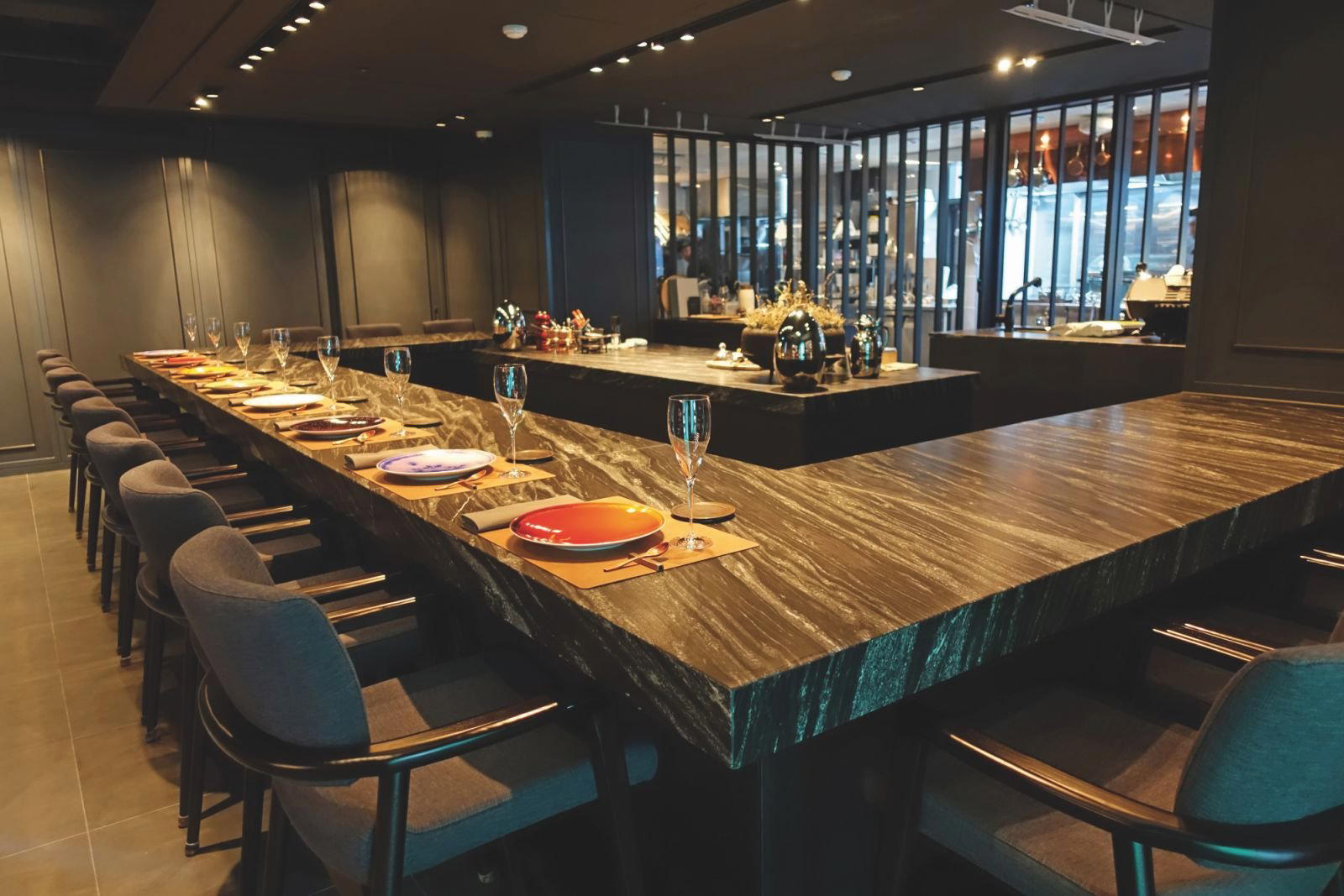
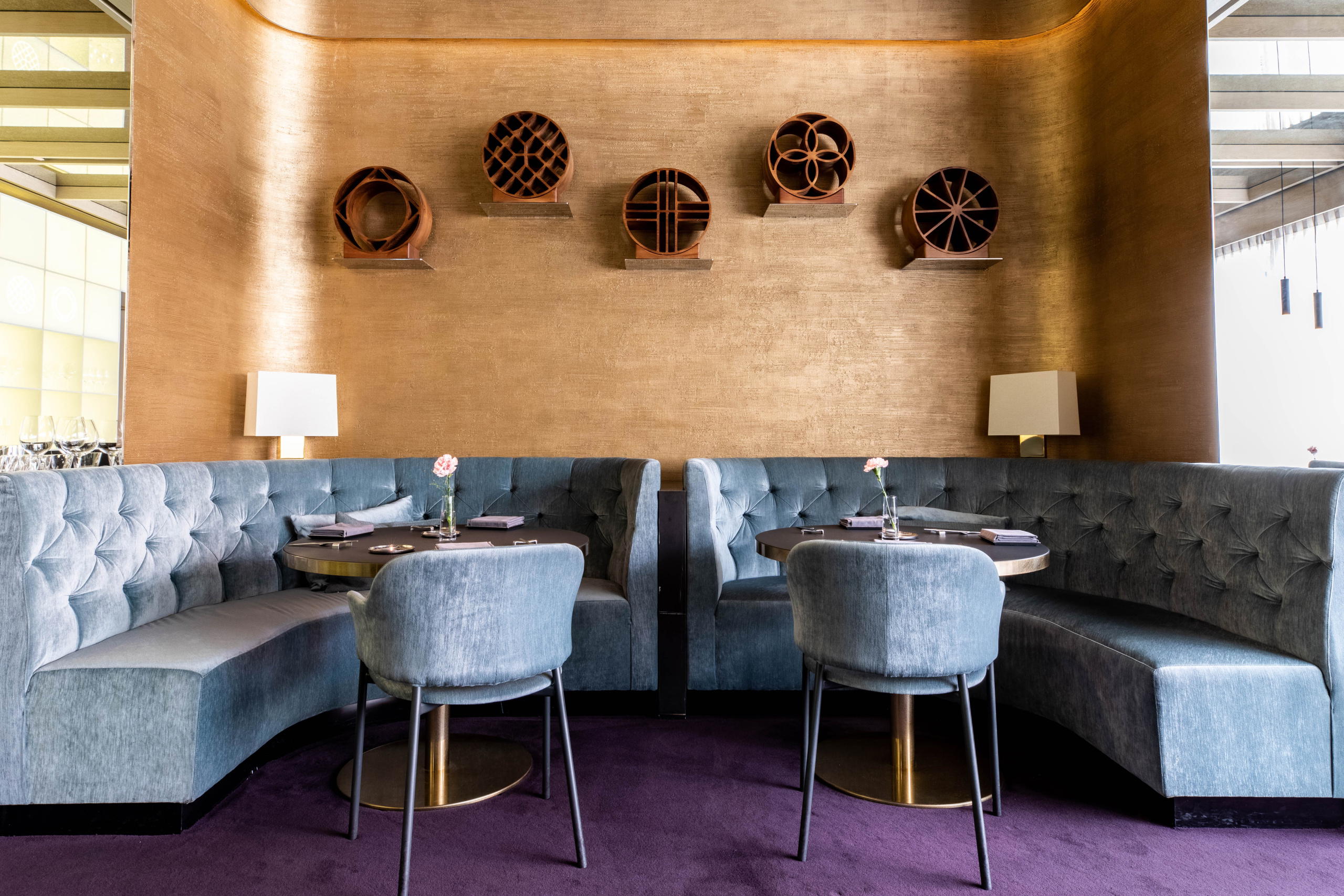
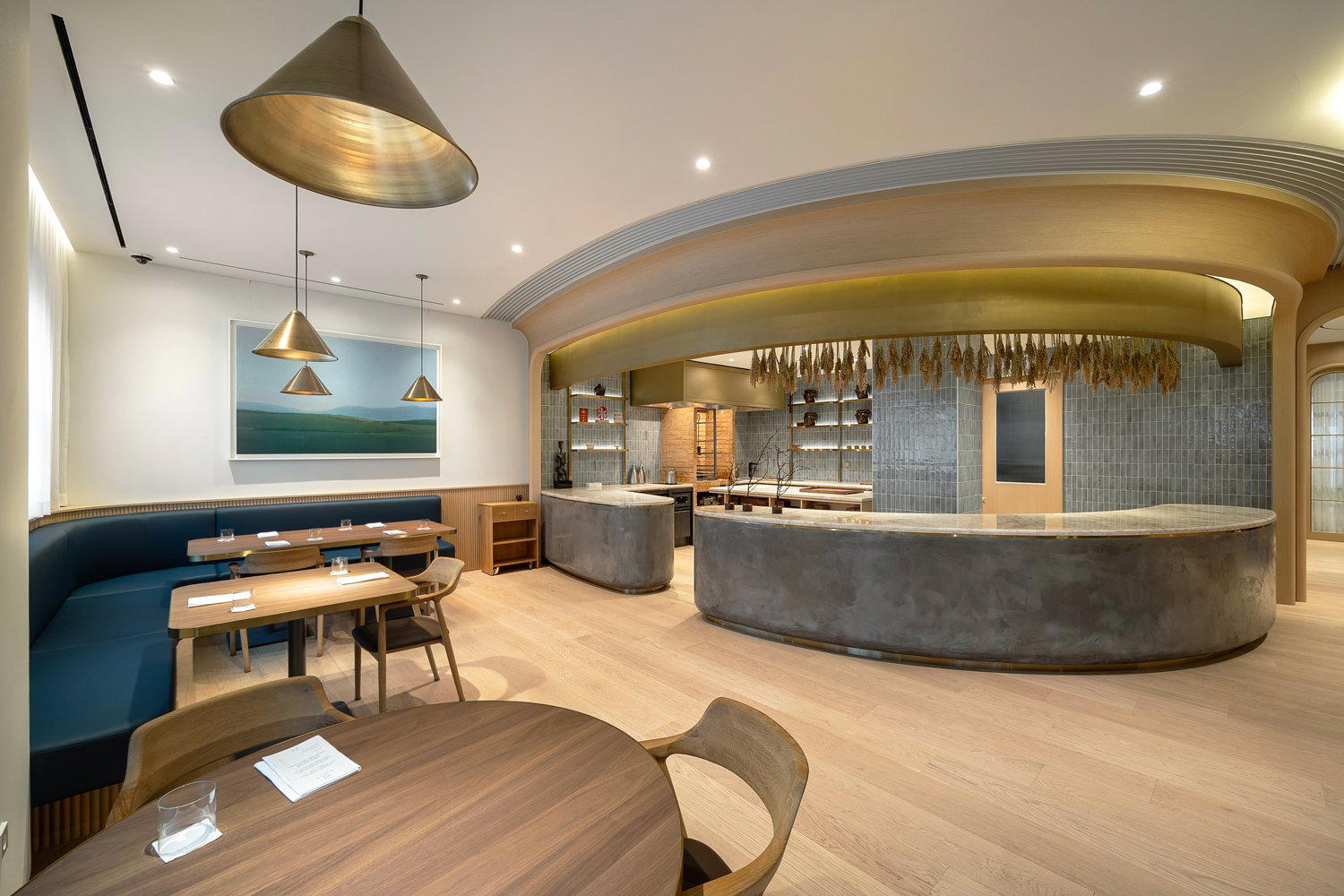
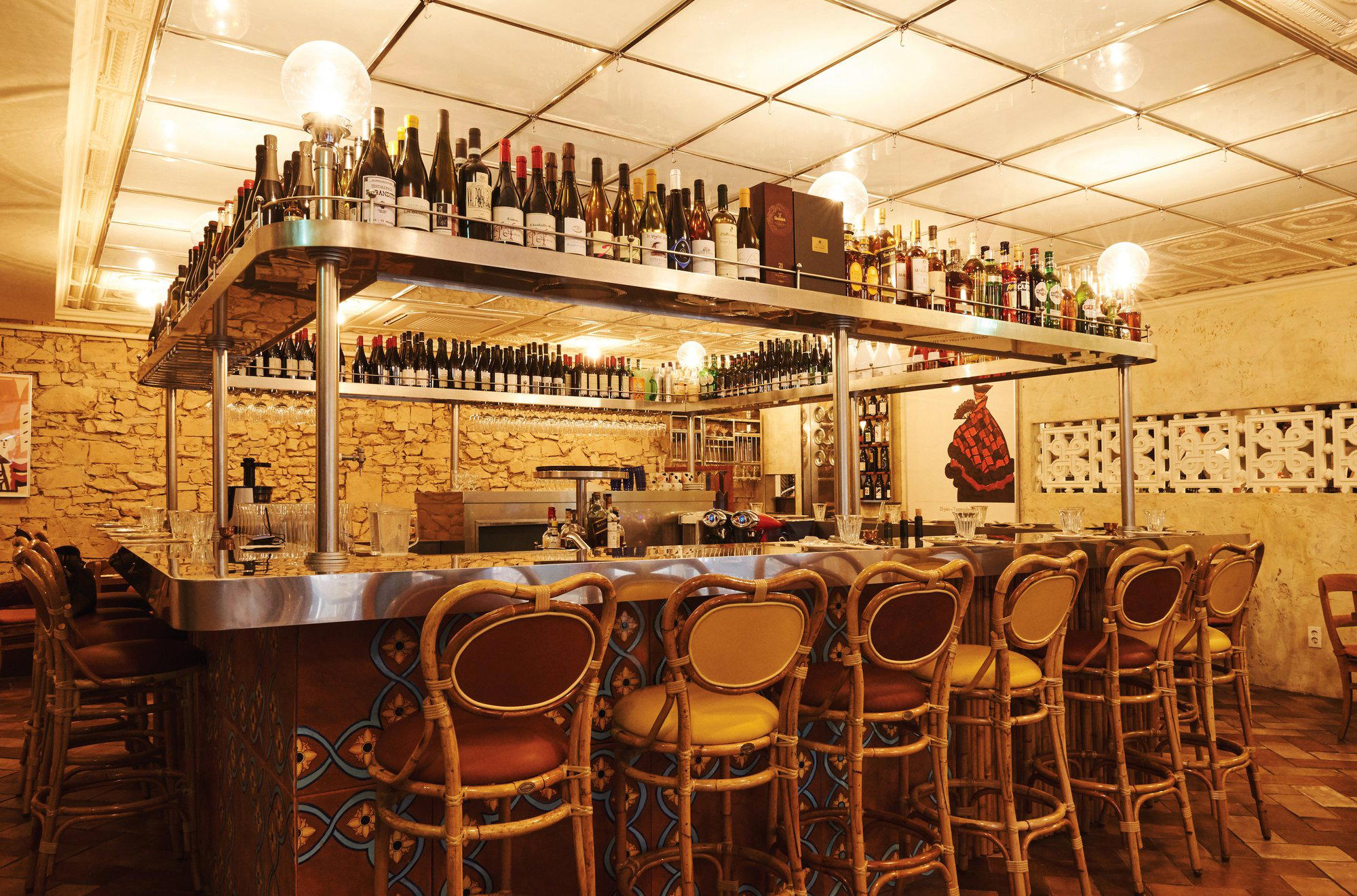
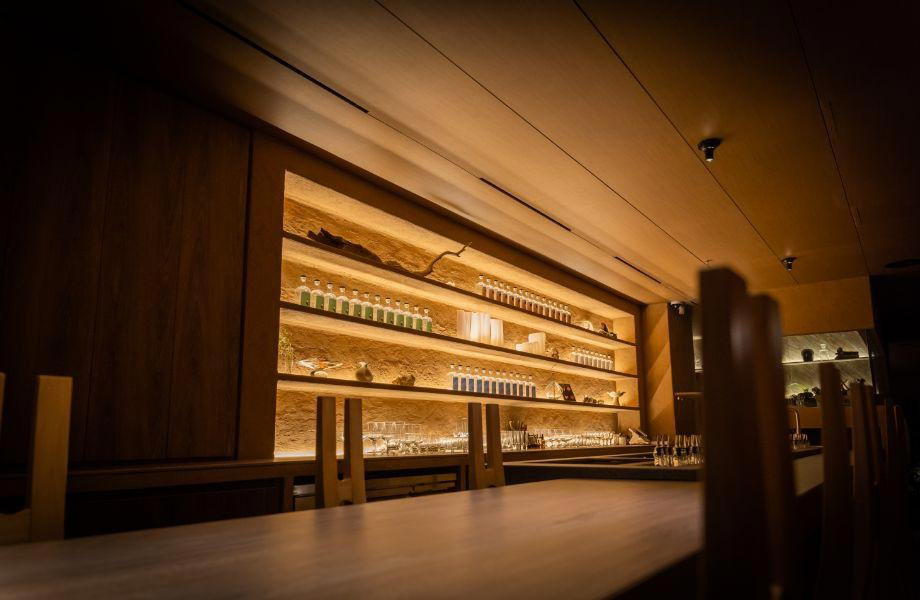
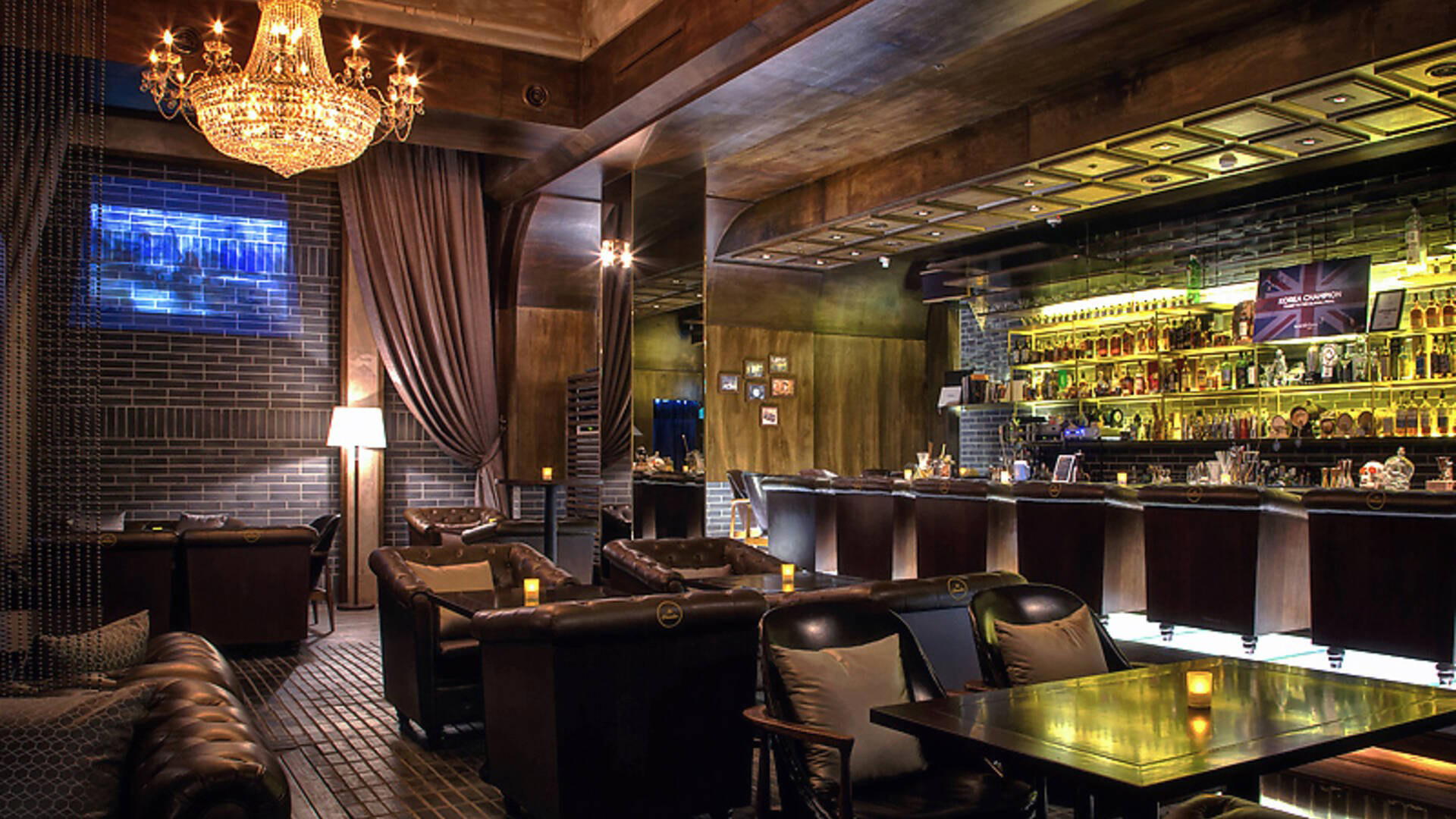
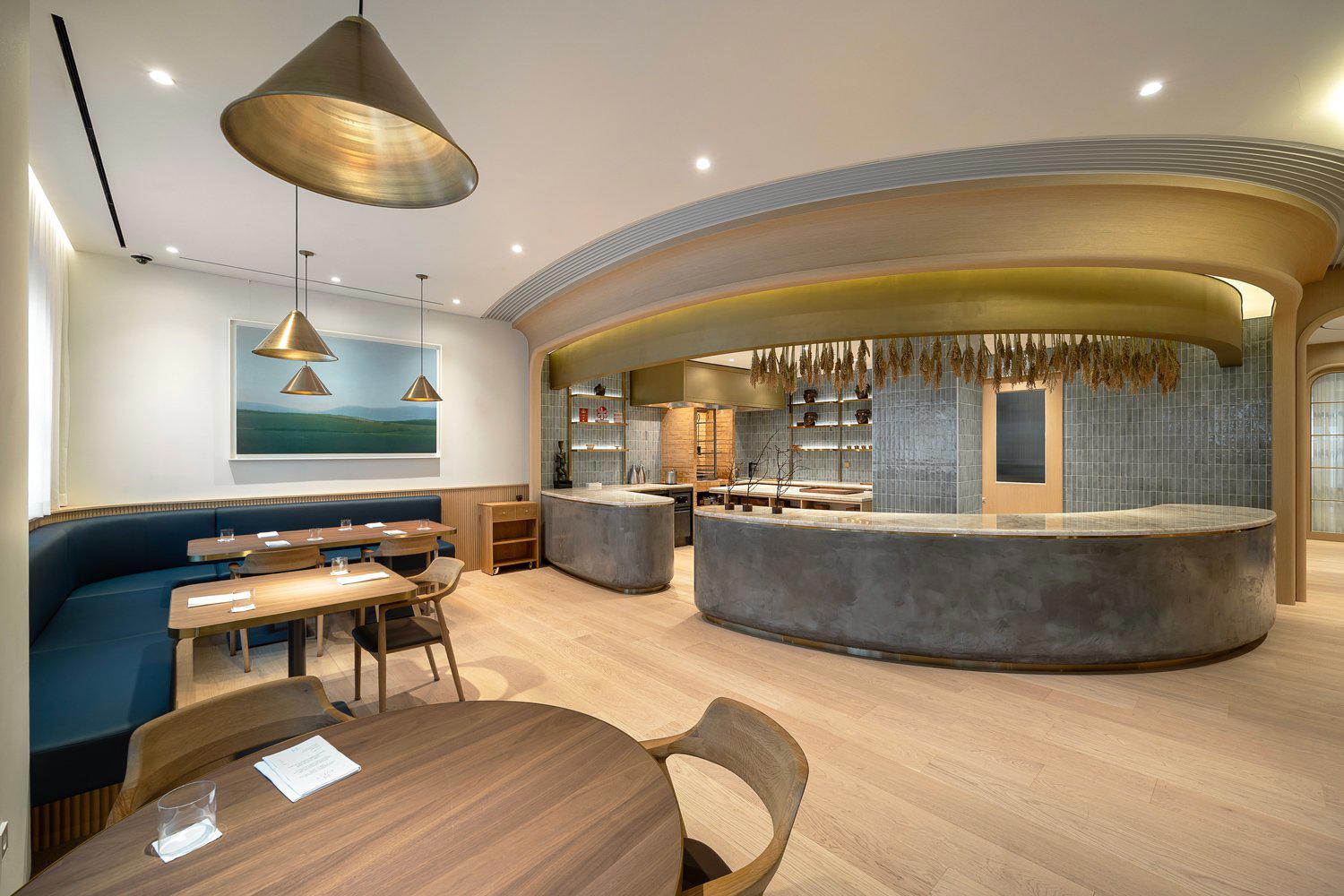
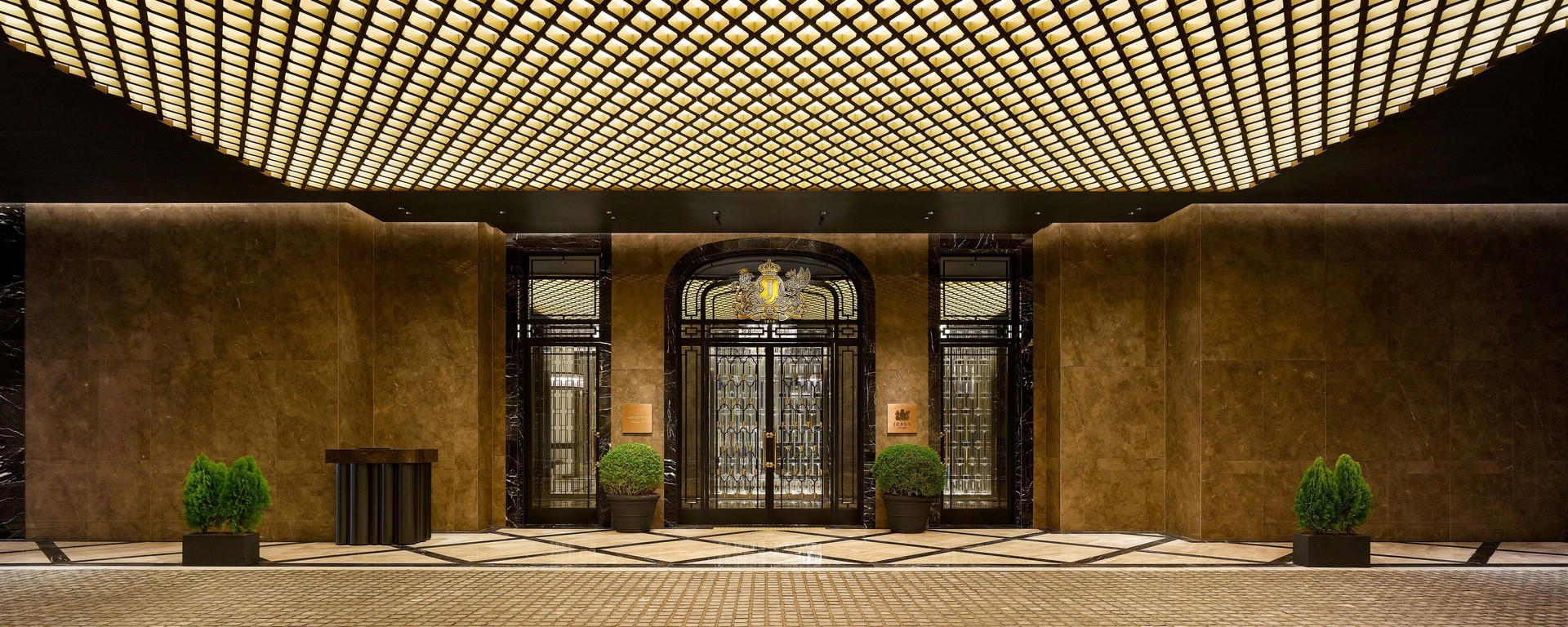
Intimate 14-seat counter overlooking open kitchen with meticulous plating and attentive service in a stylish, fermentation-themed space.