L'Amitié


A Michelin-starred French address in Gangnam's Dosan-daero corridor, L'Amitié has held a place in Seoul's formal dining conversation since 2006. Chef Jang Myoung-sik's set menus draw on seasonal produce and lean toward clean, ingredient-forward cooking, with Korean elements, notably hanwoo beef, woven into a classical French structure. La Liste has recognised the kitchen in both 2025 and 2026.
Pearl is the En Primeur Club membership app — saves, bookings, and concierge access live there. Same editors, same standards.
- Address
- South Korea, Seoul, Gangnam District, Dosan-daero 67-gil, 30 2층
- Phone
- +82 2-546-9621
- Website
- app.catchtable.co.kr
- Directions
- Get directions
 Saves & bookings on Pearl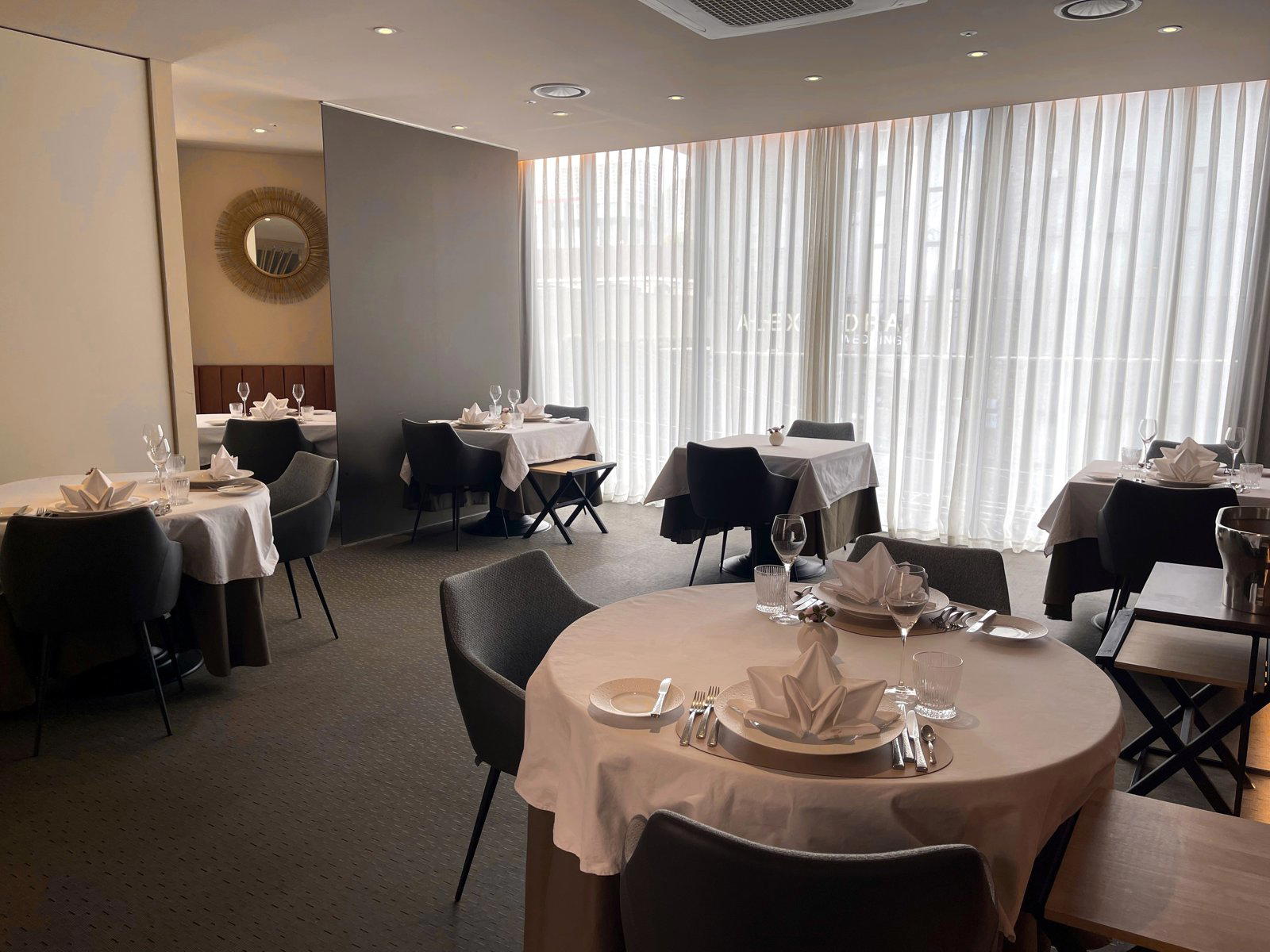
A Second-Floor Room on Dosan-daero
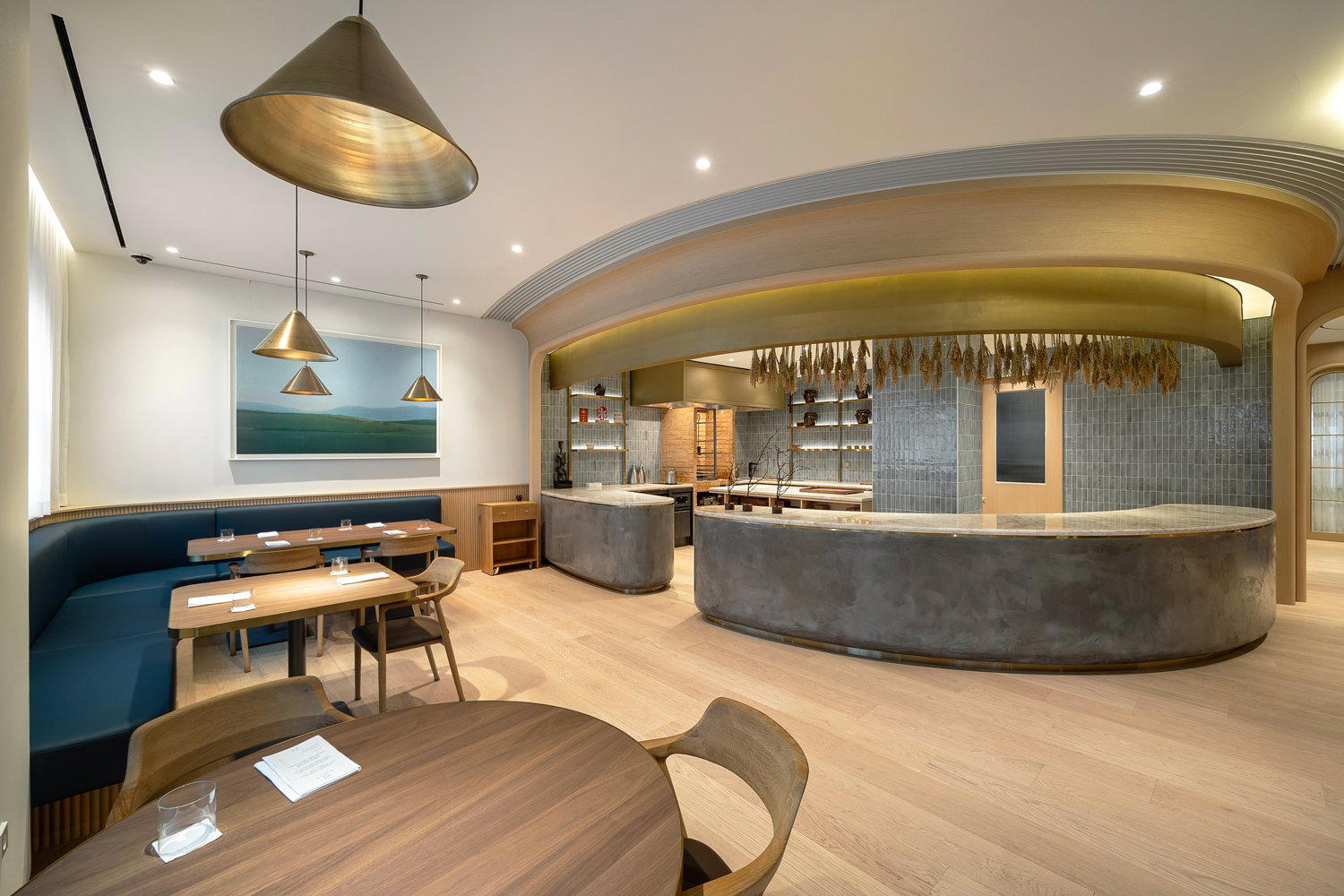
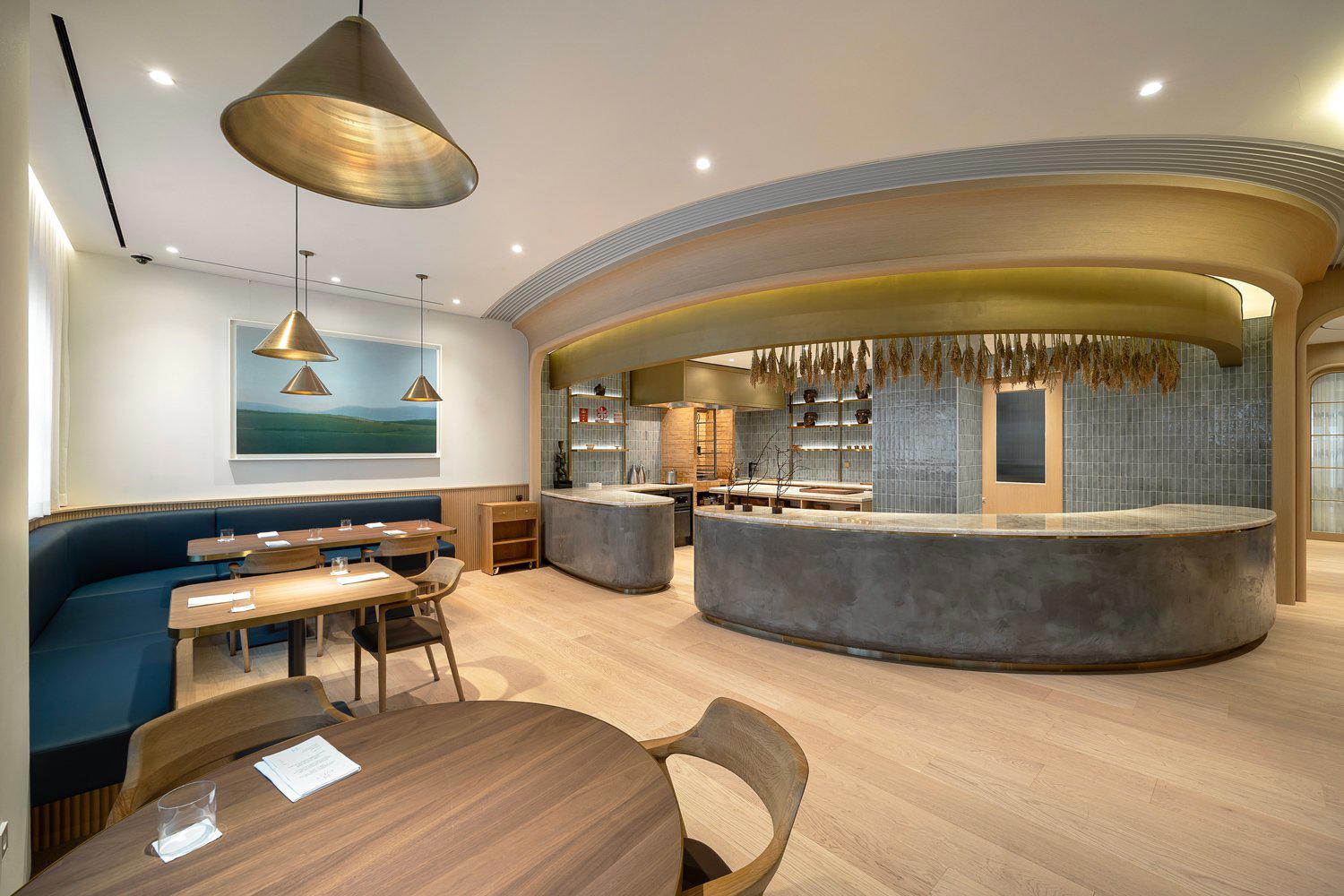
On a tree-lined side street off Dosan-daero in Gangnam, the approach to L'Amitié is quiet by district standards. The building is low-key from the street, and the restaurant occupies the second floor, a detail that filters the room from the commercial energy below. Upstairs, the space is bright and airy, the kind of room where natural light and pale surfaces do most of the work. There is nothing theatrical about the environment, which is precisely the point: the dining tradition that L'Amitié belongs to prizes consistency and comfort over spectacle.
That tradition is the grand French institution, not necessarily grand in square footage or chandelier count, but grand in intent. Service is choreographed, the kitchen operates on a set-menu logic, and the room is designed to accommodate a long lunch as readily as an evening booking. The double sitting, lunch from noon to 3pm, dinner from 6pm to 10:30pm, follows the rhythm of a French maison rather than the abbreviated dinner-only format favoured by many of Seoul's newer Michelin addresses. It is an institutional model, one that values the midday table as much as the evening one.
Seoul's French Dining Tier, Where L'Amitié Sits
Seoul now hosts a layered French dining scene that splits broadly between two cohorts. The first runs classical technique through a Korean ingredient filter, hanwoo, fermented pastes, seasonal mountain vegetables, with minimal formal signposting. The second operates closer to the European source, maintaining the register and structure of French cuisine while making room for Korean produce where it fits. L'Amitié belongs to the second group. Chef Francesco Dibenedetto leads the kitchen, which places the restaurant among the longer-standing French tables in the city.
That longevity carries competitive weight. In a dining scene where new openings arrive with considerable noise, fermentation-led tasting menus, hyper-local sourcing narratives, open-fire formats, a kitchen that has held a Michelin star and La Liste recognition across multiple consecutive years is making a different argument. The 2024 Michelin one-star and La Liste scores of 79 points in 2025 and 77 in 2026 position the restaurant within a comparable set that includes addresses like Tutoiement and Au Bouillon, French kitchens in Seoul operating with formal service ambitions and recurring guide recognition.
For broader context within Seoul's awarded dining circuit, Gaon and Kwon Sook Soo represent the Korean fine dining pole, high-formality, deep Korean culinary heritage, while addresses like KANG MINCHUL operate at the Korean-contemporary intersection. The restaurant holds its position in a different register entirely, one defined by classical French structure rather than genre fusion.
The Kitchen's Logic: Seasonal Set Menus, Korean Beef, Classical Plating
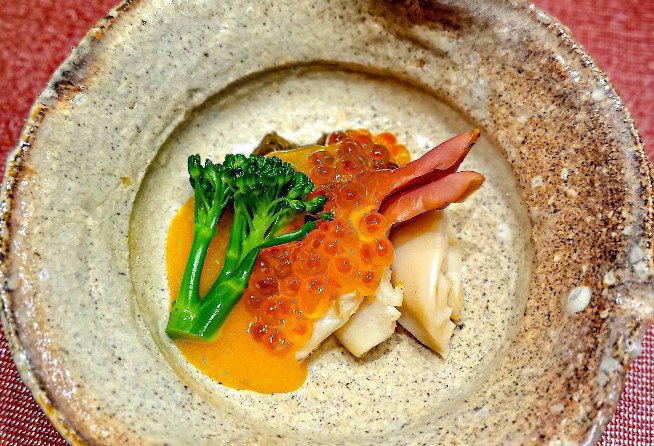
The set menu format at the restaurant reflects how serious French kitchens outside France have typically operated: fixed structure, seasonal rotation, no à la carte drift. Michelin's own notes on the kitchen describe dishes that are colour-forward and attractively presented, with cooking that gives the natural flavours of ingredients space rather than obscuring them under heavy saucing. The house approach is described as clean and crisp, language that signals restraint in technique, a preference for clarity over complexity.
The kitchen's use of Korean beef tenderloin served with dauphinoise and cauliflower purée is instructive. It is a pairing that takes a French provincial format, the gratin dauphinois, root-vegetable purée, and threads in hanwoo without reframing the dish as fusion. That integration, where the Korean ingredient is treated as a quality substitution rather than a conceptual statement, characterises the broader approach. The result is French cooking that happens to source from Korean suppliers, rather than Korean cooking filtered through French technique.
For diners familiar with European reference points, comparisons to the classical French provincial model are relevant. At the summit of that register internationally, addresses like Hôtel de Ville Crissier in Switzerland represent the institutional French format at its most codified. In Asia, Les Amis in Singapore and L'Effervescence in Tokyo occupy adjacent but distinct positions, the former deeply classical, the latter more ingredient-philosophy driven. The restaurant operates at a price point below all three (₩₩₩ against their respective higher tiers), which positions it as an accessible entry into formal French dining in Seoul without the outlay of Seoul's ₩₩₩₩ contemporary addresses.
Gangnam Context: The Dosan-daero Corridor
Dosan-daero and its surrounding lanes in Gangnam have consolidated over the past decade into one of Seoul's primary concentrations of serious restaurant dining. The streets around Apgujeong and Sinsa attract a mix of long-established formal addresses and newer concept-driven openings. The restaurant sits on a side street off the main artery, Dosan-daero 67-gil, which keeps the immediate environment quieter than the main boulevard while remaining within easy reach of the district's broader cluster.
Other French-inflected addresses in the area include Bistrot de Yountville and Chez Nous Private Kitchen, each operating in their own format tier. The Gangnam dining corridor also hosts Korean-French innovation addresses like KANG MINCHUL and concept-led contemporaries such as Muoki (₩₩₩, Michelin one star). The district's density means that diners planning a multi-day food itinerary can cluster several serious meals within walking or short taxi distance.
For those extending the Seoul eating beyond the Gangnam corridor, Mori in Busan and Baegyangsa Temple in Jangseong-gun represent markedly different registers, the former a Busan address, the latter a temple dining experience, but both illustrate the geographic and stylistic range of serious Korean dining beyond the capital's French-inflected core. See for a broader map of the city's dining options across cuisine type and price tier.
Service, Format, and the Institutional Case for L'Amitié
What the grand French brasserie tradition offers, and what the restaurant extends in a Seoul context, is a particular kind of reliability. The well-choreographed service team noted in Michelin's assessment is not incidental; it reflects a staffing and training investment that distinguishes the kitchen from more casual French addresses in the city. In a dining culture where formal Korean hospitality already sets a high floor for attentiveness, French service formality lands differently than it might in a European context, it reads as complementary rather than stiff.
The room's intimate scale (second floor, natural light, comfortable without being minimalist to the point of austerity) suits the lunch sitting particularly well. A Friday or Saturday midday table at the restaurant functions as a genuine afternoon commitment, set menu pacing, attentive service, a room that does not rush the table. For travellers whose Seoul visit runs through the weekend, Sunday closure is worth noting: the kitchen runs Monday through Saturday on both services, with Sunday reserved.
For visitors building a fuller Seoul itinerary, Also worth consulting: The Flying Hog in Seogwipo for a contrast in register, or Eatanic Garden if contemporary Korean fine dining at the ₩₩₩₩ tier is on the itinerary.
Know Before You Go
- Address: 2F, 30 Dosan-daero 67-gil, Gangnam District, Seoul
- Lunch: Monday to Saturday, 12pm – 3pm
- Dinner: Monday to Saturday, 6pm – 10:30pm
- Closed: Sunday
- Price range: about USD 100 per person
- Awards: Michelin 1 Star (2024); La Liste Leading Restaurants 79pts (2025), 77pts (2026) 5 from 229 reviews
- Format: Set menu, lunch and dinner
- Cuisine: French, with seasonal Korean produce integration
Peers in This Market
Comparable venues nearby, for context on price, style, and recognition.
| Venue | Cuisine | Price | Notes |
|---|---|---|---|
| L'AmitiéThis venue — the venue you are viewing | Classic French Fine Dining | $$$$ | Not listed |
| KANG MINCHUL Restaurant | Modern French Fine Dining | $$$$ | 압구정동 |
| VINHO | Modern Korean Contemporary | $$$$ | 압구정동 |
| Bicena | Contemporary Korean Fine Dining | $$$$ | Jamsil-dong |
| Soseoul Hannam | Modern Korean Fine Dining | $$$$ | 한남동 |
| Muni | Japanese Kaiseki Omakase | $$$$ | 압구정동 |
Recognition history
Dated appearances from independent guides and award organizations, with the underlying list record or original source where available.
La Liste Top Restaurants
La Liste
La Liste Top Restaurants
La Liste
Michelin 1 Star
Michelin
Michelin 1 Star
Michelin
At a Glance
- Intimate
- Elegant
- Sophisticated
- Date Night
- Special Occasion
- Private Event
- Private Dining
- Extensive Wine List
- Local Sourcing
Current opening hours
- Monday
- 12–3 PM, 6–10:30 PM
- Tuesday
- 12–3 PM, 6–10:30 PM
- Wednesday
- 12–3 PM, 6–10:30 PM
- Thursday
- 12–3 PM, 6–10:30 PM
- Friday
- 12–3 PM, 6–10:30 PM
- Saturday
- 12–3 PM, 6–10:30 PM
- Sunday
- Closed
Hours can change for holidays and private events. Last verified .
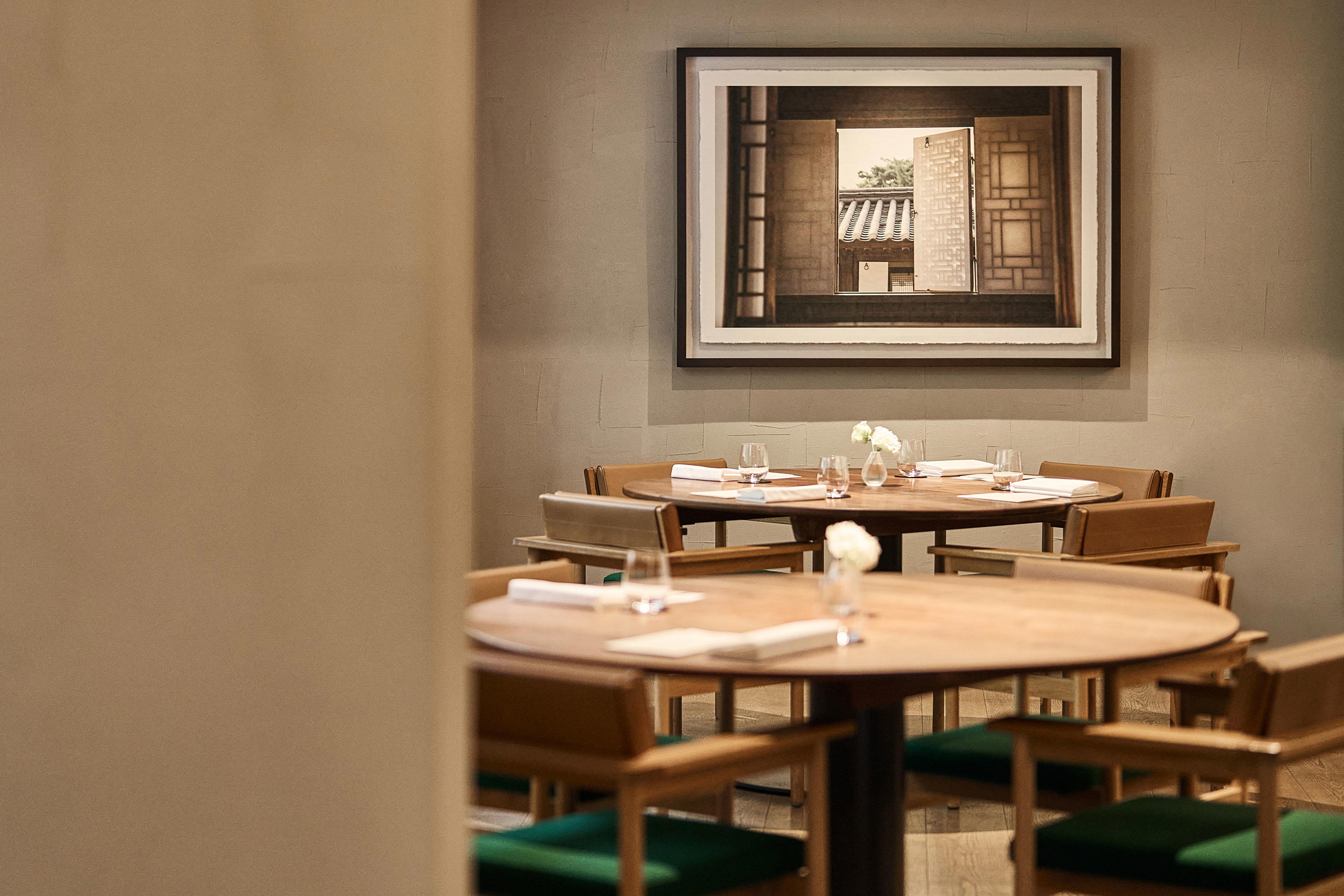
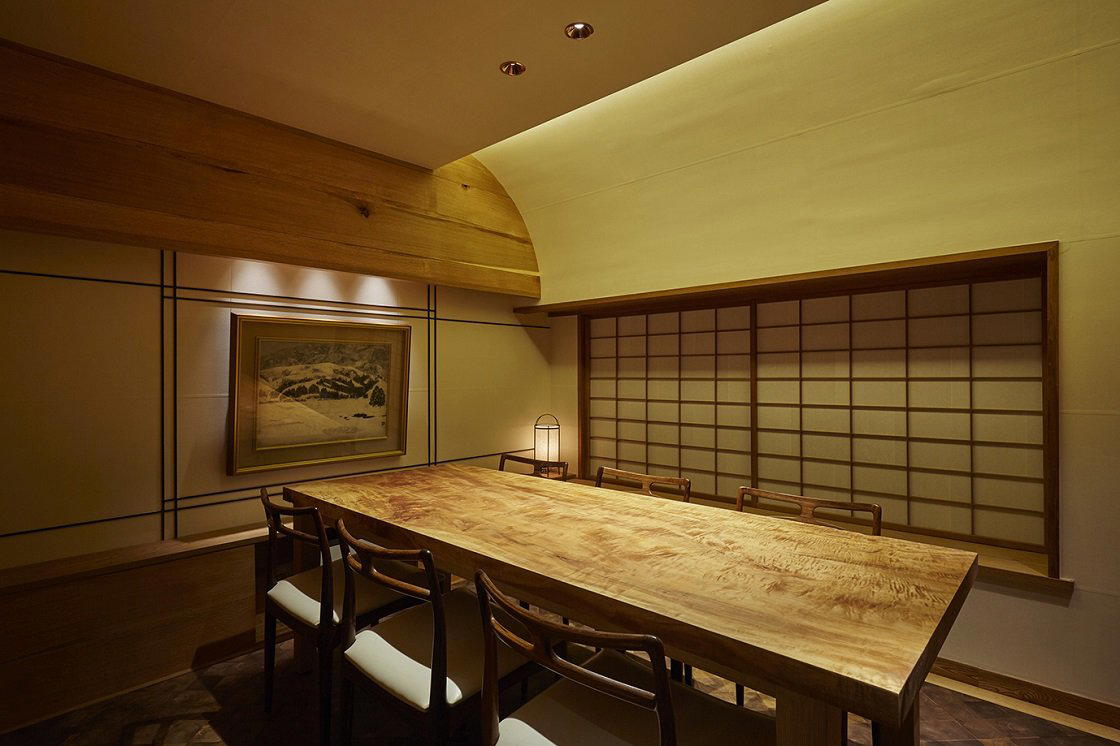
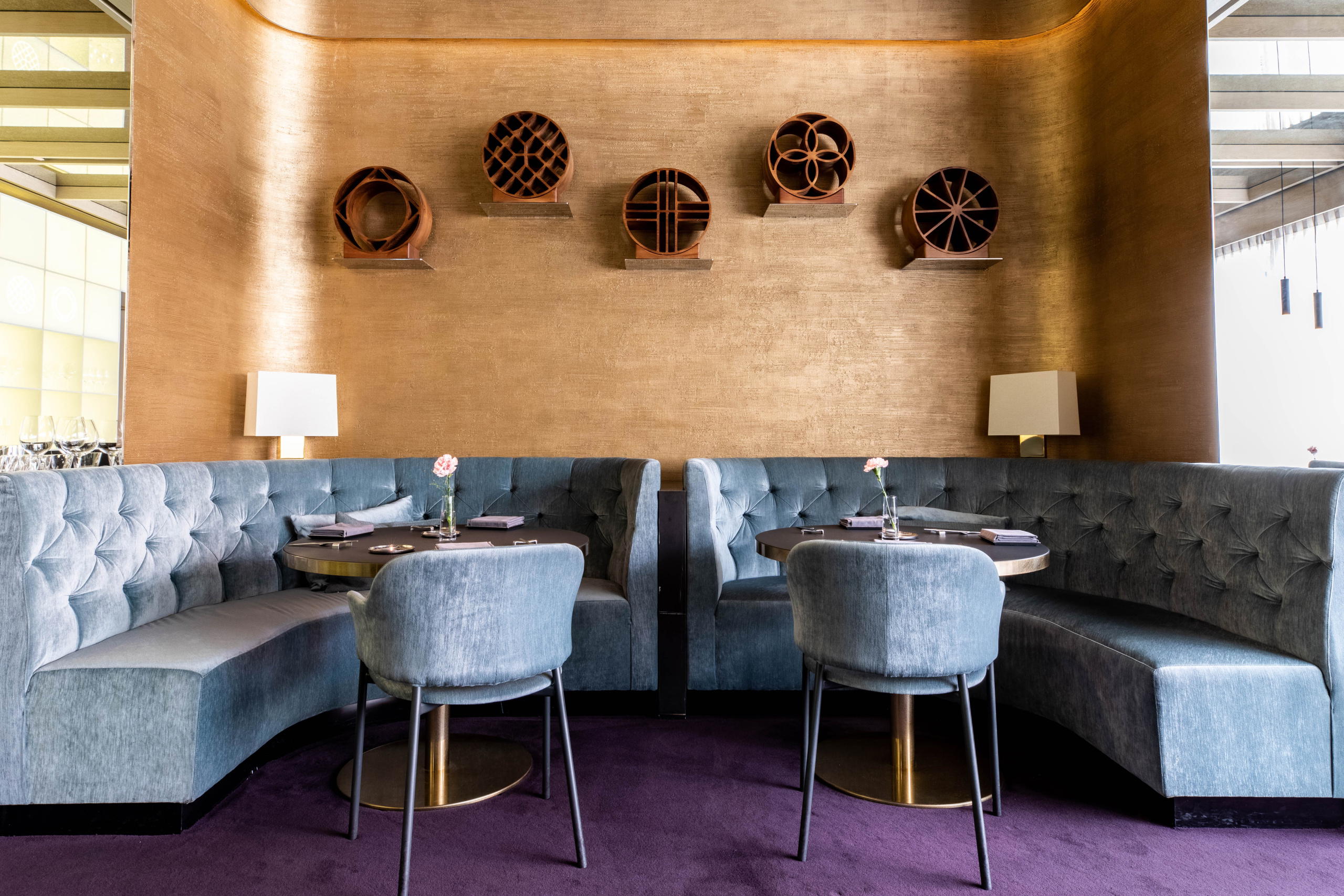
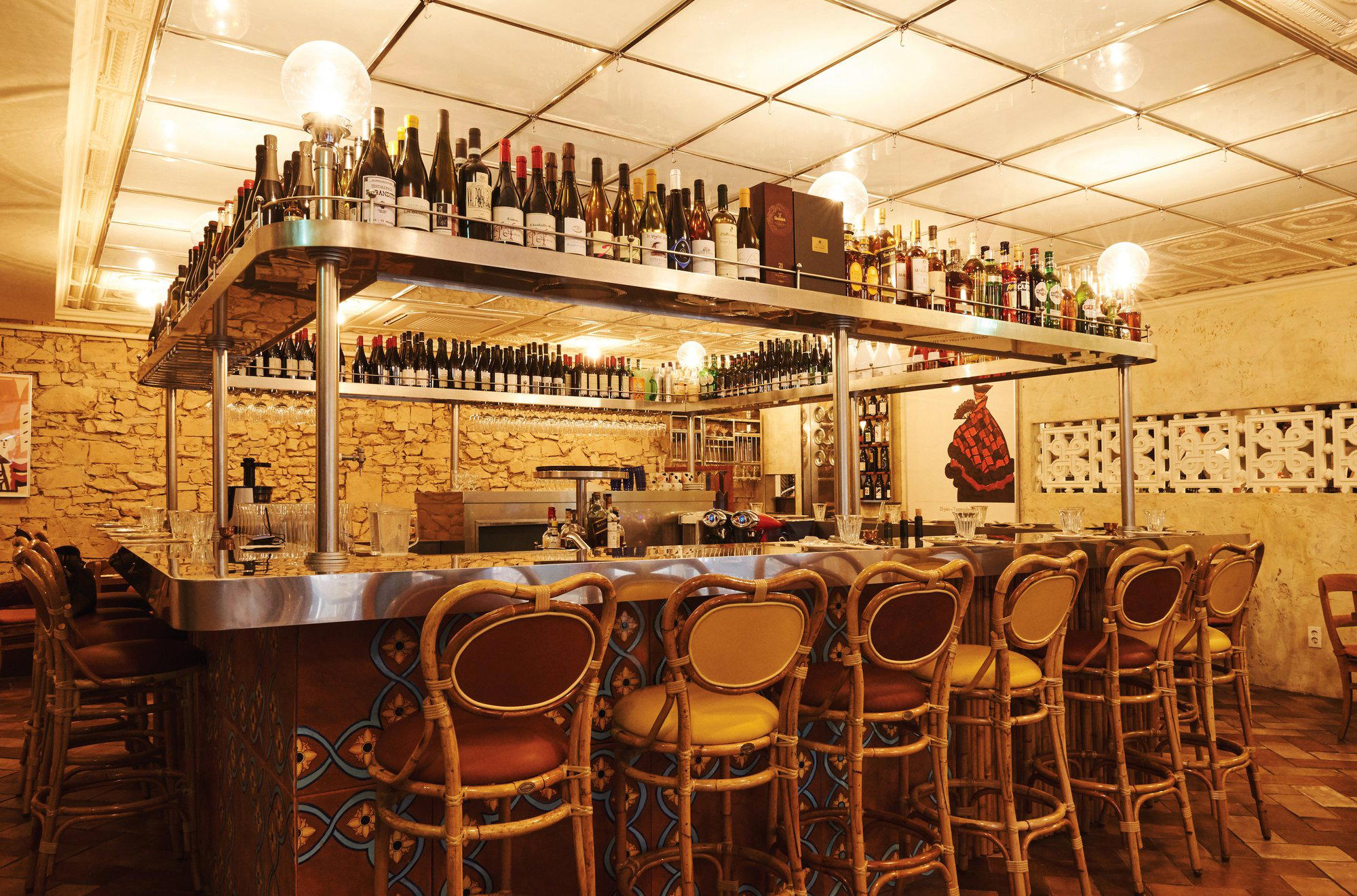
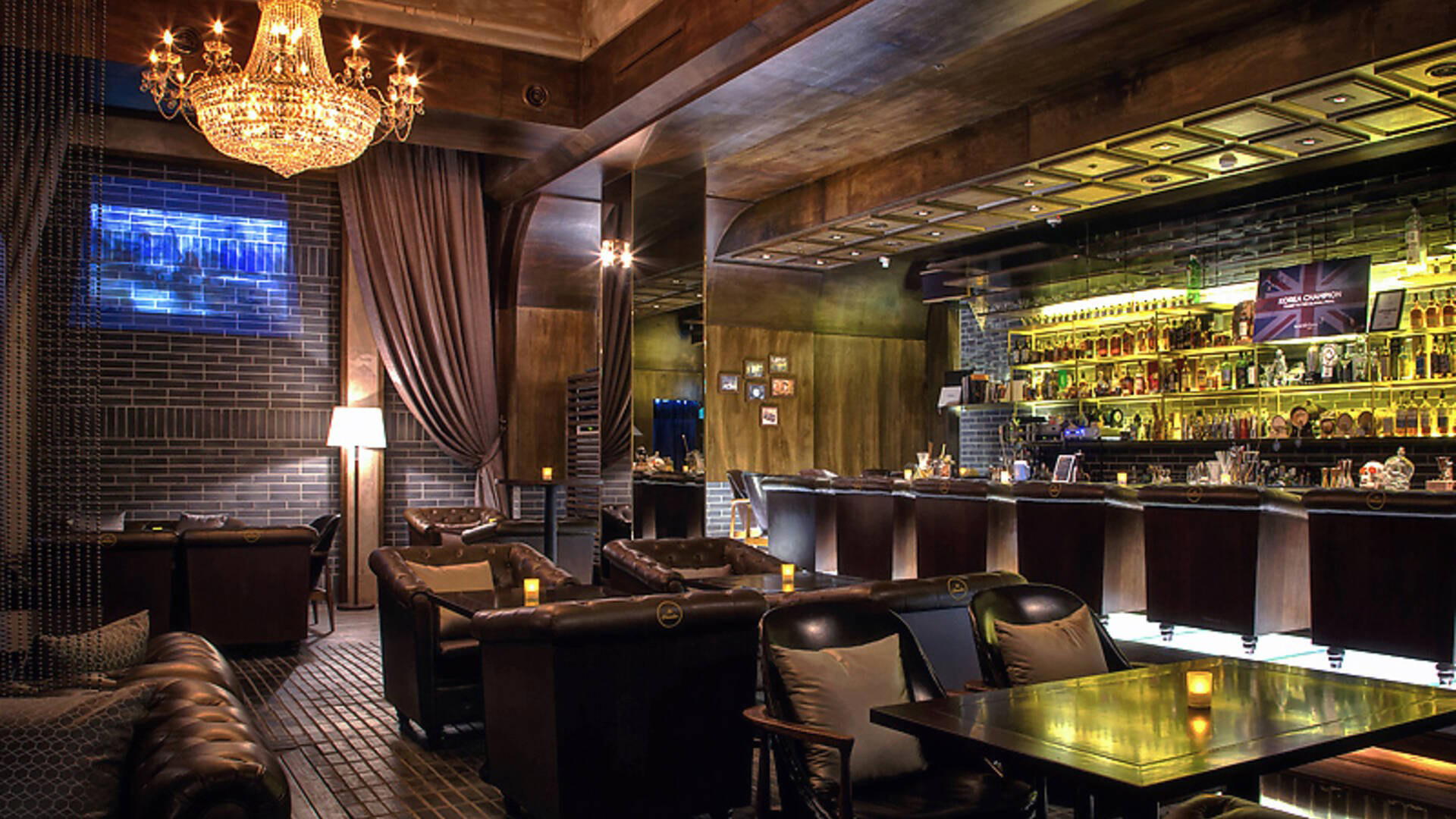
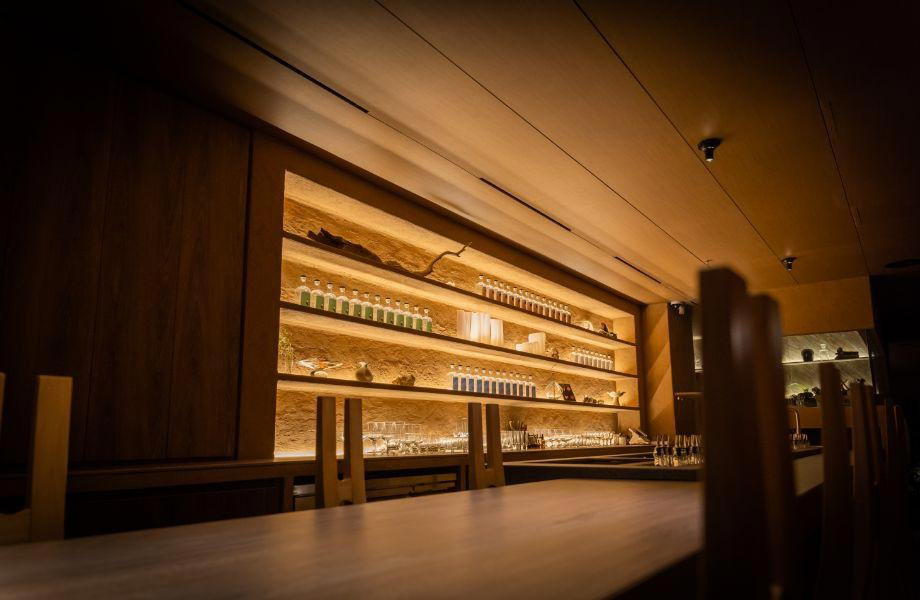
Bright and airy second-floor room during lunch with soft daylight, transitioning to quiet, controlled lighting and warm, comfortable atmosphere at dinner, emphasizing privacy and focus on the food.